
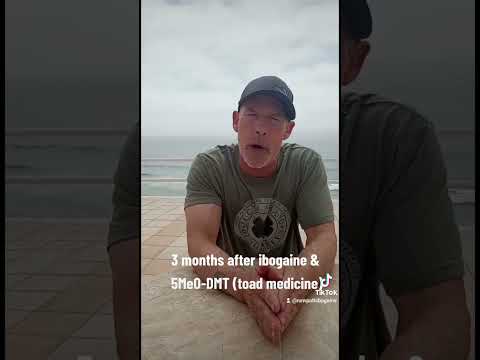
Severe opioid dependence is one of the hardest health challenges a person can face, and many people look beyond conventional programs after repeated relapses. In this video, Justin Milos shares his fentanyl addiction recovery story and his experience with ibogaine therapy at New Path Ibogaine in Tijuana, Mexico. This guide explains the background, how ibogaine is used, what the evidence does and does not show, and what to ask before considering fentanyl addiction treatment in Tijuana.
Video Chapters & Quick Navigation
- Understanding the Fentanyl Crisis
- Beyond Conventional Rehab
- Opiate Withdrawal & Depression
- Exploring Psychedelic Therapy
- How Ibogaine Treatment Works
- Risks & Safety
- The Need for Safe Environments
- Rehab vs. Ibogaine Treatment
- Integrating Your Recovery
- Making an Intentional Choice
- Preparing for Therapy
Understanding the Fentanyl Crisis and Severe Opioid Dependence
Fentanyl is a highly potent synthetic opioid, and physical dependence can develop quickly. Users often need higher and higher doses just to avoid withdrawal sickness, which makes detoxification difficult and relapse common.
At [00:20], Justin describes how addiction to fentanyl and other opiates dominated his life for over a decade. Long-term opioid use changes how the brain's reward system works, so recovery usually takes more than willpower. It needs medical support, psychological care, and ongoing follow-up.
Why Some People Look Beyond Conventional Rehab for Opioid Addiction
Standard care includes 12-step programs, behavioral therapy, residential stays, and medication-assisted treatment (MAT). These help many people, but relapse is common, and some patients cycle through several programs without lasting results. At [00:26], Justin says that attending many conventional rehabs did not give him the breakthrough he needed.
It is important to note that methadone and buprenorphine are among the best-evidenced treatments for opioid use disorder, and they lower the risk of overdose death. Many people stay on them long term with good results. Anyone considering an alternative approach should discuss it with a doctor and not stop prescribed medication on their own.
The Link Between Opiate Withdrawal and Depression
Many people find that the emotional crash after detox is as hard as the physical withdrawal. When opioids are removed, the brain's own dopamine and endorphin systems may take time to recover, which can cause post-acute withdrawal symptoms such as low mood, anxiety, poor sleep, and an inability to feel pleasure.
At [00:46], Justin describes severe depressive episodes after quitting and his search for a different kind of approach. These symptoms are a major driver of relapse, which is why mental health support should be part of any recovery plan.
Psychedelic Therapy for Opioid Dependence: What It Is
Interest in psychedelic-assisted therapy has grown in recent years, with research into compounds such as psilocybin, MDMA, and ibogaine for depression, PTSD, and addiction. For opioid dependence, evidence is still limited and mostly comes from small studies, observational reports, and patient accounts, and not from large randomized trials.
Preparation with a trained therapist is a key part of these programs. At [00:04], the video discusses speaking with a psychedelic therapist beforehand. Therapy sessions aim to help patients process trauma, shame, and the emotional patterns that fuel substance use.
How Ibogaine Treatment for Fentanyl Addiction Works
Ibogaine is a psychoactive alkaloid from the root bark of the Tabernanthe iboga shrub of Central Africa. It acts on several neurotransmitter systems, and some patients report reduced withdrawal symptoms and cravings after treatment. The exact mechanism is not fully understood, and results vary from person to person. Ibogaine is not a guaranteed cure, and relapse is still possible.
At [02:03], Justin describes the experience as deeply personal and hard to put into words. Many patients describe reflective, introspective experiences, which is why aftercare and integration support matter.
Risks and Safety Considerations
Ibogaine carries serious medical risks. It can affect heart rhythm (QT prolongation) and has been linked to dangerous arrhythmias, and deaths have been reported, particularly in people with heart conditions or those taking interacting medications. It is not approved by the FDA for treating addiction, and it is a controlled substance in the United States. Rules vary by country.
Another risk is overdose after treatment. Tolerance can drop sharply after detox, so using the same amount of opioids as before can be fatal. Anyone who completes detox should have a relapse-prevention plan, aftercare, and access to naloxone.
Why a Medically Supervised Setting Matters
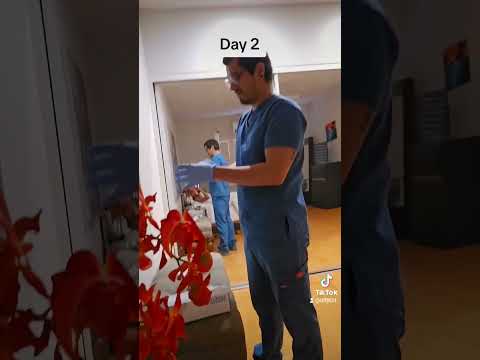
Because of the cardiac risks, the clinic setting matters as much as the medicine. A responsible facility should offer pre-treatment screening, including a cardiac evaluation (EKG) and a psychiatric assessment, along with emergency protocols and continuous monitoring during treatment. At [01:11], Justin highlights the value of a supportive, informative medical staff in a safe clinical environment.
Patients should be able to ask about staff credentials, emergency equipment, hospital access, how medications are managed, and what aftercare is provided, and they should get clear answers.
Conventional Rehab vs. Ibogaine-Assisted Treatment
The two approaches differ in method, timeline, and evidence base. The table below summarizes the main differences. Neither is right for everyone, and the best choice depends on your health, history, and goals.
| Feature | Conventional Rehab & MAT | Ibogaine-Assisted Treatment |
|---|---|---|
| Clinical Focus | Behavioral therapy, relapse prevention, medication support | Detox support and psychological processing with ibogaine, plus integration |
| Withdrawal Strategy | Tapering or maintenance with buprenorphine or methadone | Supervised transition, then ibogaine administration |
| Typical Timeline | 30 to 90 days residential, or ongoing outpatient care | Often 7 to 14 days, followed by aftercare |
| Evidence Base | Extensive clinical trials; MAT reduces overdose deaths | Limited; mostly small studies and observational reports |
| Key Risks | Relapse; medication dependence or side effects | Cardiac complications, drug interactions, overdose risk after detox |
Integration and Aftercare for Long-Term Recovery
The treatment session is only the start. Integration means turning insights from therapy into daily habits, such as counseling, support groups, healthy routines, and avoiding triggers. At [01:26], Justin notes how hard it can be to find your footing after quitting a severe addiction.
Good aftercare includes follow-up with a therapist, a plan for handling cravings and triggers, a supportive community, and medical follow-up. Outcomes depend heavily on this ongoing work.
Making an Intentional Choice for Recovery
Recovery usually starts with a deliberate decision to change. At [01:37], Justin describes the point where he knew he had to do something intentional to make a real difference. For him, that meant researching options and traveling abroad for treatment.
Whatever path you choose, take time to compare options, read independent reviews, and talk with your own doctor. Choosing carefully is part of recovering safely.
Preparing for Psychedelic-Assisted Therapy: A Medical Approach
Preparation affects safety. Be fully honest with the clinical team about your medical history, current substance use, medications, and mental health. A typical preparation process includes:
- Medical Screening: an EKG, liver function tests, and a review of all current medications.
- Psychological Preparation: setting goals and discussing expectations with a trained therapist.
- Supervised Detoxification: a medically monitored transition off long-acting opioids so that dangerous interactions are avoided.
Never stop or change prescribed medication without medical guidance. Good preparation also reduces anxiety, which helps you take part fully in the process.
This content is for general information only and is not medical advice. Ibogaine is not FDA-approved and carries serious risks. If you or someone you know is struggling with opioid use, contact a healthcare provider, or in the US call the SAMHSA National Helpline at 1-800-662-4357 (free, confidential, 24/7). In an emergency, call your local emergency number.
Considering Ibogaine Treatment in Mexico?
Learn more about ibogaine therapy centers in Tijuana, Mexico, including medical screening, safety protocols, and aftercare. Our team can answer your questions and help you compare options.
Request More Information























Share this listing