


Losing a natural tooth impacts both your daily confidence and your long-term oral health significantly. Patients worldwide are actively discovering the highly affordable single tooth dental implant procedure in Turkey to restore their smiles permanently. This modern restorative treatment offers a seamless, permanent solution that perfectly mimics the function of natural teeth. By choosing specialized clinics abroad, patients access world-class oral care without the prohibitive expenses found in their home countries.
This comprehensive clinical guide breaks down the exact physical steps involved in replacing a missing tooth with a state-of-the-art titanium fixture. We will explore the complete timeline from the initial surgical phase to the final placement of a natural-looking zirconia dental crown. Understanding the biological and mechanical intricacies of this treatment empowers you to make highly informed decisions regarding your personal dental restoration journey. You will learn exactly what to expect when traveling for world-class dental care.
Table of Contents / Quick Navigation
Understanding the Step-by-Step Dental Implant Surgery Process
Modern restorative dentistry relies heavily on highly precise surgical planning and execution to ensure long-term success. The step-by-step dental implant surgery process requires a customized approach tailored specifically to each patient's unique jaw anatomy. Advanced 3D volumetric tomography scans are taken before any physical procedure begins to map out the exact nerve pathways and bone density. This rigorous preparation guarantees that the artificial root is positioned with absolute microscopic accuracy.
At exactly [00:01] in the visual simulation, we observe the initial insertion of the threaded titanium fixture directly into the vacant tooth socket. This vital stage forms the structural foundation necessary to support the immense biting forces of a fully functional prosthetic tooth. Local anesthesia ensures the patient remains completely comfortable while the oral surgeon prepares the precise osteotomy site in the bone. Once the titanium root is securely threaded into position, the gums are often sutured closed to allow for uninterrupted healing.
Many patients are surprised to learn that placing the implant itself is usually a swift and minimally invasive procedure. A single fixture can often be surgically placed in under forty-five minutes by an experienced maxillofacial surgeon. Proper sterilization protocols and advanced surgical guides are utilized throughout the entire appointment to eliminate the risk of bacterial infection. Following the placement, a critical biological waiting period begins to allow the jaw to naturally accept the new metallic structure.
Why Precise Surgical Planning Matters
Without meticulous preoperative planning, an implant could potentially interfere with surrounding sensitive anatomical structures. Utilizing modern digital dentistry tools allows the clinical team to simulate the entire surgery on a computer beforehand. This forward-thinking approach dramatically reduces time spent in the surgical chair and minimizes postoperative swelling or discomfort. It also ensures the final dental crown will align perfectly with the opposing teeth for a highly functional bite.
- 3D Bone Imaging: Provides a comprehensive view of jawbone volume and hidden nerve canals.
- Surgical Guides: Custom-printed templates direct the drill to the exact pre-planned angle and depth.
- Sterile Environment: Strict clinical hygiene prevents early implant failure due to opportunistic bacteria.
Preparing for Your Titanium Dental Implant Screw Placement
The fundamental success of restorative dentistry hinges entirely upon the remarkable properties of medical-grade titanium alloys used in the roots. Titanium dental implant screw placement and healing time depend on a fascinating biological phenomenon called osseointegration. During this complex phase, living bone cells naturally attach themselves to the microscopically roughened surface of the titanium threads. This cellular bonding process essentially transforms the artificial metal fixture into an integrated, permanent part of the human skeletal system.
Before the screw can be placed, some patients may require preparatory treatments like sinus lifts or targeted bone grafting. If a tooth has been missing for several years, the underlying jawbone will naturally resorb and shrink due to a lack of chewing stimulation. Bone grafting procedures rebuild this lost volume by adding synthetic or natural bone minerals directly to the deficient area. Creating a robust, wide foundation is absolutely essential before introducing a new structural root into the jawline.
As shown precisely at [00:02], the implant is gently rotated down into the healthy bone structure until it sits flush with the crest. The thread design of the screw provides immediate mechanical stability, known in dentistry as primary stability. Achieving high primary stability is crucial because it prevents microscopic movements that could disrupt the delicate early stages of bone healing. Patients are strictly advised to consume soft foods during the initial recovery weeks to avoid putting premature stress on the new fixture.
The Biological Timeline of Osseointegration
While the visual simulation depicts an instant process, true osseointegration typically requires three to six months to complete successfully. The lower jaw generally heals faster than the upper jaw due to inherently denser bone composition and better blood supply. Regular radiographic checkups allow the dental team to monitor the progress of the bone fusing tightly to the metal threads. Rushing this biological timeline by attaching a permanent crown too early is a primary cause of late-stage implant failure.
The Role of the Dental Implant Abutment and Healing Phase
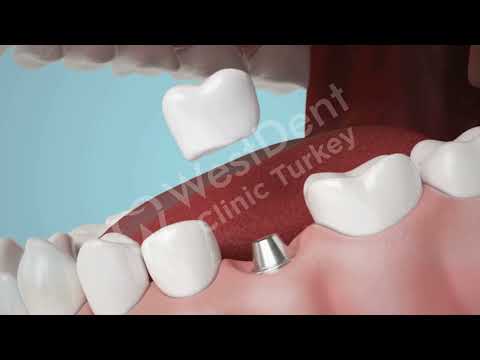
Once the titanium root has fully integrated with the surrounding jawbone, the next critical component must be introduced to the system. The dental implant abutment and zirconia crown placement represents the transformative restorative phase where the visible tooth is built. An abutment acts as the vital physical connector piece that links the submerged artificial root to the visible porcelain restoration above the gumline. Without this precisely engineered connecting bridge, securing a stable and hygienic dental crown would be mechanically impossible.
At the [00:04] mark of the procedure, a custom metal abutment is carefully lowered directly into the hollow center of the integrated implant. A small retaining screw passes completely through the abutment to lock it tightly into the internal threads of the titanium root. The gum tissue surrounding this area is then meticulously shaped to create a highly natural-looking emergence profile for the final tooth. Proper gum contouring prevents unsightly black triangles between teeth and ensures food debris does not easily become trapped under the crown.
Dentists often utilize temporary healing abutments during the initial recovery phase to guide the soft gum tissue as it matures. These temporary metallic domes sit slightly above the gumline and protect the internal connections of the implant from unwanted bacterial colonization. Once the soft tissue has healed into a beautiful, tight cuff, the temporary dome is unscrewed and replaced with the permanent custom abutment. This meticulous attention to soft tissue architecture is what separates average dental work from truly elite cosmetic dentistry.
Finalizing the Smile: Zirconia Crown Placement Process
The culminating step of the entire restorative journey focuses entirely on maximum aesthetic appeal and restoring full functional chewing capacity. Modern clinics overwhelmingly prefer zirconia over traditional metal-fused ceramics due to its unparalleled strength and lifelike light-transmitting properties. The final zirconia crown is individually designed using advanced CAD/CAM software to match the exact shade and shape of your existing natural teeth. This digital approach ensures the new artificial tooth blends invisibly into your smile without looking overly opaque or fake.
We clearly see the final seating of the restoration at [00:06], where the pristine white crown slips perfectly over the prepared metal abutment. To ensure absolute stability, many modern restorations use a screw-retained mechanism rather than traditional messy dental cements. At [00:07], a tiny fastening screw is shown tightening down through an access hole located on the chewing surface of the crown. This clever engineering allows the dentist to easily remove the crown for maintenance in the future without destroying the expensive porcelain.
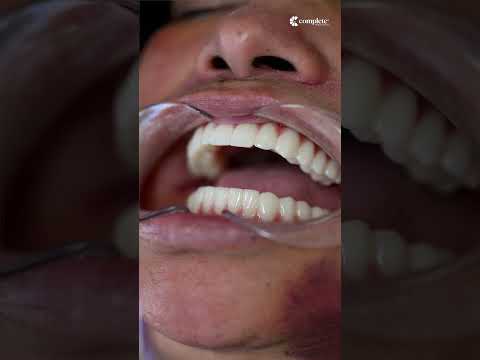
Once the internal fastening screw is appropriately torqued to specific clinical standards, the tiny access hole must be completely sealed off. As depicted around [00:09], tooth-colored composite resin is carefully packed into the chimney hole and cured with a specialized ultraviolet light. The dentist then meticulously polishes the top surface until it is entirely smooth against the tongue and perfectly adjusted to the opposing bite. The resulting single tooth restoration provides a permanent, beautiful solution that allows patients to confidently eat hard foods once again.
Comparing Crown Materials for Dental Implants
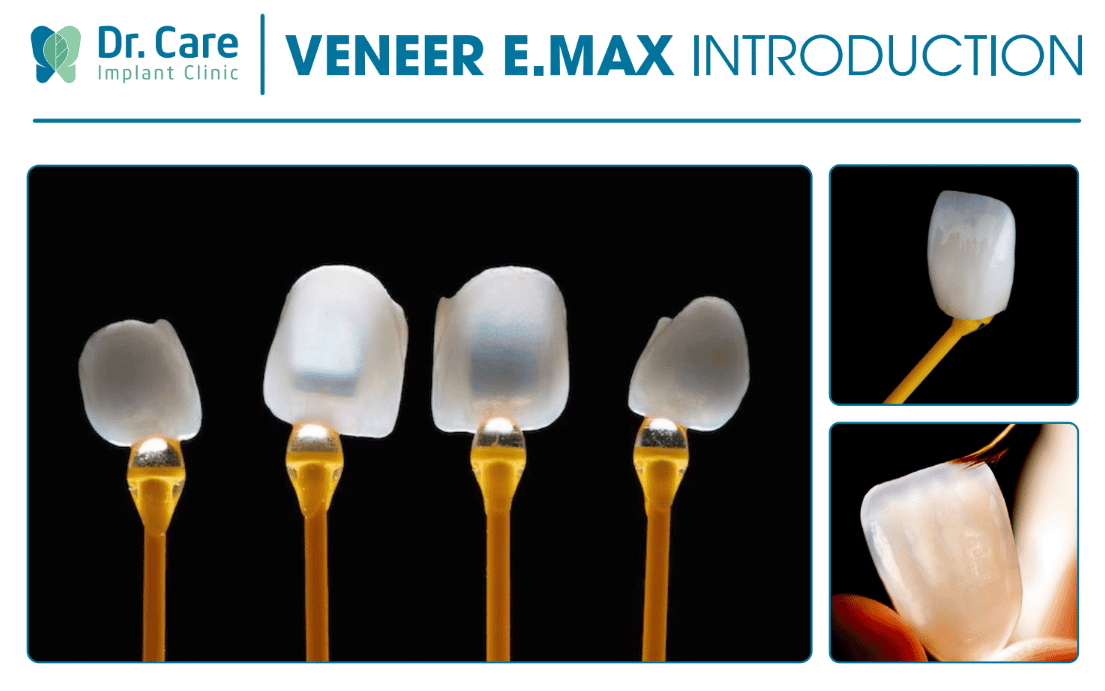
Selecting the right material for the visible portion of the tooth drastically impacts both longevity and overall aesthetic satisfaction. While older techniques relied on gold or porcelain-fused-to-metal (PFM), these materials often left a noticeable gray line near the gum margin. Monolithic zirconia has revolutionized the cosmetic industry by offering the immense durability of metal combined with the brilliant white translucency of natural enamel. E-max lithium disilicate is another highly aesthetic option, though it is typically reserved for front teeth where biting forces are noticeably lower.
What is the Cost of Full Mouth Dental Implants in Istanbul Turkey?
One of the primary driving factors for the explosive growth in global health tourism is the stark difference in global healthcare economics. Patients routinely ask about the precise cost of full mouth dental implants in Istanbul Turkey compared to prices in North America or Western Europe. The total financial investment required abroad is often sixty to seventy percent lower than comparable quotes received from local neighborhood dental practices. This massive price discrepancy is not due to lower quality materials, but rather highly favorable exchange rates and lower domestic operational overhead costs.
When evaluating a single tooth replacement, clinics in major Turkish cities often bundle the implant, abutment, and final crown into one transparent price. Reputable institutions also frequently include comprehensive VIP airport transfers, luxury hotel accommodations, and dedicated translation services within their comprehensive treatment packages. This all-inclusive pricing model eliminates hidden fees and allows international patients to budget exactly for their upcoming medical travel journey. It transforms an otherwise stressful medical procedure into a highly organized and enjoyable international vacation experience.
To better understand the distinct economic advantages, it is helpful to look at a direct breakdown of typical out-of-pocket expenses for implant therapies. The savings become exponentially more apparent when patients require extensive rehabilitations such as All-on-4 or All-on-6 full mouth restorations. Below is a generalized comparison illustrating why thousands of patients confidently cross borders every single month for specialized restorative dentistry.
| Dental Treatment Type | Average Cost (US/UK) | Average Cost (Turkey) |
|---|---|---|
| Single Titanium Implant & Crown | $3,500 - $5,000 | $600 - $1,100 |
| Bone Grafting (Per Quadrant) | $500 - $1,200 | $150 - $350 |
| All-on-4 Full Arch Restoration | $20,000 - $30,000 | $4,000 - $6,500 |
| 3D Tomography Scan | $300 - $600 | Often Included Free |
Key Benefits of Getting Dental Implants Abroad in Turkey
Beyond the obvious financial advantages, the clinical expertise found in prominent medical tourism hubs is genuinely world-class. The immense benefits of getting dental implants abroad in Turkey include access to highly specialized oral surgeons who place thousands of implants annually. This extraordinarily high volume of daily surgical practice results in clinicians who possess unparalleled manual dexterity and vast experience handling highly complex dental cases. Patients benefit directly from this specialized expertise, leading to remarkably high surgical success rates and fewer postoperative complications.
Elite dental facilities operating in major Turkish cities are entirely purpose-built to cater to the specific needs of international medical tourists. These clinics are heavily equipped with cutting-edge global technology, including in-house ceramic milling machines and advanced soft-tissue dental lasers. Having a dedicated in-house dental laboratory ensures that complex custom crowns can be fabricated, adjusted, and permanently placed in a fraction of the traditional time. This high level of clinical integration drastically reduces the total number of days a patient must stay abroad for their treatment.
Furthermore, the rigorous regulatory standards enforced by the local Ministry of Health mandate strict adherence to international hygiene and sterilization protocols. Many top-tier clinics also hold prestigious global accreditations from international bodies, verifying their absolute commitment to superior patient safety and clinical excellence. Combining top-tier medical care with the opportunity to recover in a beautiful, historically rich Mediterranean location creates a truly unbeatable patient proposition.
How Long Do Dental Implants Last After Surgery?
A frequent concern among prospective patients regards the long-term durability and required maintenance of their newly acquired artificial teeth. Patients universally want to know exactly how long do dental implants last after surgery before requiring expensive replacements or major adjustments. The excellent news is that the submerged titanium screw itself is permanently designed to last a lifetime with proper daily care. Unlike natural teeth, medical-grade titanium is entirely immune to bacterial decay, meaning you will never develop cavities in an artificial implant root.
However, the longevity of the entire system depends entirely upon the health of the surrounding gum tissue and underlying bone structure. Poor daily oral hygiene can lead to an aggressive inflammatory condition known as peri-implantitis, which destroys the bone holding the titanium root. Patients must commit to rigorous daily brushing and targeted flossing routines, utilizing tools like water flossers to clean thoroughly under the ceramic crown. Attending professional dental cleanings every six months is absolutely mandatory to prevent hardened plaque from disrupting the delicate gum attachment.
While the titanium root lasts indefinitely, the visible zirconia or porcelain crown may eventually experience physical wear and tear over decades of heavy chewing. Most high-quality ceramic crowns are engineered to last between fifteen to twenty years before they might require replacement due to natural abrasive forces. Patients who severely grind their teeth at night are strongly advised to wear a custom protective nightguard while sleeping. This simple preventative device absorbs extreme biting forces and dramatically extends the lifespan of both the beautiful porcelain crown and the underlying implant structure.
Daily Habits to Protect Your Investment
Maintaining a pristine oral environment is the absolute best insurance policy for your new restorative dental work. Avoiding harmful habits like smoking tobacco is critical, as nicotine severely restricts necessary blood flow to the healing gums and bone tissue. A consistent daily care routine ensures your newly restored smile remains brilliantly functional and flawlessly aesthetic for decades to come.
- Use a Water Flosser: Effectively blasts away hidden food particles trapped firmly beneath the implant crown.
- Avoid Chewing Ice: Prevents unnecessary microscopic fractures or chipping of the highly polished zirconia ceramic.
- Quit Smoking: Radically lowers the substantial risk of early implant failure and severe bone loss over time.
Choosing the Best Dental Clinic for Teeth Implants in Izmir Turkey
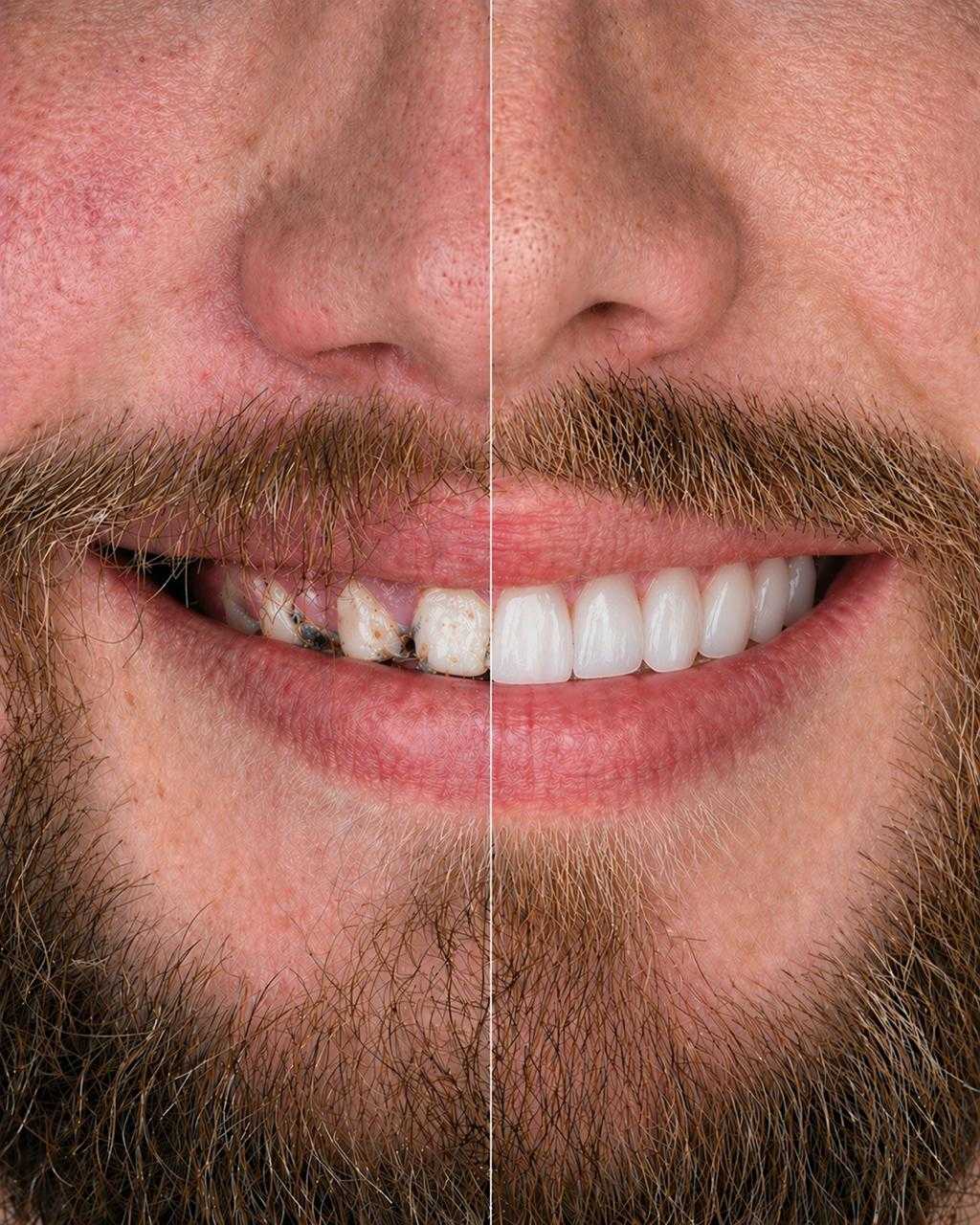
Selecting the right medical provider is unquestionably the most critical decision a patient will make during their entire restorative journey abroad. Identifying the best dental clinic for teeth implants in Izmir Turkey requires conducting thorough, independent research into the facility's verified clinical track record. Prospective patients should exclusively seek out specialized centers that prominently feature board-certified oral surgeons and highly experienced prosthodontists on their permanent staff. Reviewing comprehensive before-and-after photo galleries of previous international patients provides excellent insight into the clinic's standard of cosmetic excellence.
Transparency regarding the specific brands of medical materials utilized during surgery is another massive indicator of a highly reputable medical establishment. World-renowned implant brands heavily invest in decades of clinical research to guarantee their proprietary titanium screws boast the highest global success rates. A trustworthy clinic will happily provide official brand passports and unique tracking serial numbers for every single titanium component they place in your jaw. Avoid any facility that refuses to explicitly disclose the exact origin and manufacturer of the dental materials they intend to use.
Finally, outstanding patient communication and comprehensive aftercare support are absolute hallmarks of a premier international healthcare provider. The absolute best clinics assign dedicated, fluent patient coordinators who expertly manage every logistical detail from the initial online consultation to final airport departure. They maintain open lines of digital communication well after you return home to monitor your healing progress via periodic video calls. Prioritizing these rigorous quality standards guarantees an exceptionally smooth, highly successful, and deeply rewarding smile transformation experience abroad.
Ready to Transform Your Smile Abroad?
Take the first step towards a confident, permanent smile by exploring top-rated specialists for your affordable single tooth dental implant procedure in Turkey today.
Get Free QuoteView Detailed Video Transcript & Clinical Animation Steps
[00:00] The digital anatomical simulation begins, clearly displaying an open lower jaw arch where a single premolar tooth is entirely missing.
[00:01] A highly detailed, threaded titanium dental implant screw descends into view, precisely aligned directly above the vacant gingival socket.
[00:02] The metallic titanium screw is actively rotated and surgically driven deep down into the pink gum tissue and underlying healthy jawbone structure.
[00:04] A custom-milled metal connecting abutment is carefully lowered and locked precisely into the hollow, open center of the successfully implanted artificial root.
[00:06] A brilliantly polished, custom-shaped white zirconia dental crown is physically positioned completely over the upright metal abutment to fill the visual gap.
[00:07] A tiny internal fastening screw mechanism is securely tightened straight through the top chewing surface of the crown to lock it firmly to the abutment.
[00:09] A small, tooth-colored composite resin filling material is meticulously packed in to completely cover and seal the surgical access hole at the top of the new artificial tooth.
[00:10] The completed single tooth implant restoration is shown perfectly in place, seamlessly matching the precise anatomical contours of the surrounding natural dentition.
















Share this listing