
Struggling to conceive naturally is a deeply emotional and challenging journey that affects millions of couples worldwide. Understanding the root causes of reproductive challenges is the crucial first step toward building the family you desire. Many patients are increasingly looking toward advanced reproductive technologies and exploring options like affordable IVF treatment in Turkey to access world-class medical expertise without the exorbitant costs found in other regions.
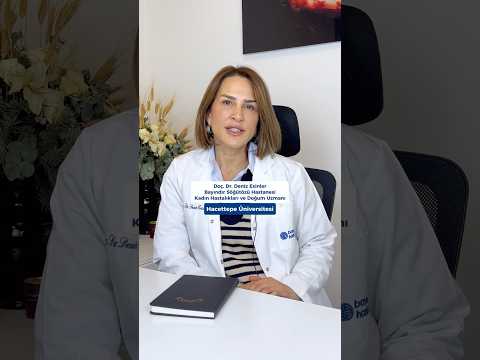
In the accompanying medical overview, Specialist Doctor Nazli Korkmaz, an expert in Obstetrics, Gynecology, and In Vitro Fertilization, breaks down the clinical definition of infertility. She provides clear, actionable medical guidelines on exactly when couples should transition from trying naturally to seeking advanced medical intervention. By identifying specific female, male, and genetic factors, patients can better navigate their treatment pathways and improve their chances of a successful pregnancy.
Video Chapters & Quick Navigation
What Defines Infertility and When Should You Seek Help?
The medical community has established clear clinical guidelines to help couples determine when it is appropriate to seek specialist intervention. As outlined by Dr. Korkmaz at [00:15], infertility is generally defined based on the duration of unprotected, regular sexual intercourse without achieving a successful pregnancy. This timeframe is highly dependent on the female partner's age.
For women under the age of 35, the standard medical recommendation is to attempt natural conception for a full 12 months. This allows for natural fluctuations in ovulation cycles and gives the biological process a fair chance to occur. However, waiting longer than a year without success is a strong indicator that underlying reproductive health issues may be present, warranting a comprehensive fertility evaluation.
It is crucial to understand that these guidelines are general benchmarks. Couples who are aware of pre-existing conditions, such as irregular menstrual cycles or a history of pelvic inflammatory disease, should not wait the full year. Early consultation with a reproductive endocrinologist can prevent the loss of valuable time and preserve future fertility options.
Age Factor: How Age Impacts Your Fertility Journey
Age is arguably the most significant predictor of natural conception success and the efficacy of assisted reproductive technologies. Dr. Korkmaz emphasizes a critical shift in medical advice for women over the age of 35 at [00:26]. For this demographic, the recommended timeframe for trying naturally is reduced to just six months.
This shortened window is due to the natural, physiological decline in both the quantity and quality of a woman's eggs as she ages. Unlike men, who continuously produce sperm throughout their lives, women are born with a finite ovarian reserve. By the mid-thirties, the rate of egg depletion accelerates rapidly, increasing the risk of chromosomal abnormalities in the remaining eggs.
Because time is of the essence, medical professionals advise prompt action. Delaying fertility testing after the age of 35 can severely limit treatment options and decrease the statistical likelihood of a live birth. Immediate assessment allows specialists to create a tailored, time-sensitive treatment protocol.
Common Female Factors Leading to IVF Treatment in Turkey
When natural conception fails, the diagnostic process begins by evaluating potential structural or hormonal barriers. Female infertility can stem from a variety of complex physiological issues. At [00:39], the discussion highlights the primary female-driven indications for moving forward with in vitro fertilization.
One of the most frequent causes is an ovulation disorder, meaning the ovaries do not release an egg regularly. Conditions like Polycystic Ovary Syndrome (PCOS) often disrupt the hormonal balance required for predictable ovulation. Without an egg present in the fallopian tube during the fertile window, fertilization cannot occur, making medical stimulation and egg retrieval necessary.
Another major factor is diminished ovarian reserve, often linked to advanced maternal age or premature ovarian failure. When a woman has a low egg count, standard ovulation induction medications may not yield enough mature eggs for natural conception or Intrauterine Insemination (IUI). IVF allows doctors to retrieve the maximum possible number of eggs directly from the ovaries during a single stimulated cycle.
Endometriosis and Blocked Fallopian Tubes Solutions
Structural blockages within the female reproductive tract present absolute physical barriers to pregnancy. The fallopian tubes are the pathways where the sperm meets the egg. If these tubes are blocked due to scarring from past infections, pelvic surgeries, or ectopic pregnancies, the sperm and egg simply cannot unite. IVF bypasses the fallopian tubes entirely, making it the definitive treatment for tubal factor infertility.
Dr. Korkmaz specifically mentions "chocolate cysts," a common term for endometriomas associated with severe endometriosis at [00:52]. Endometriosis occurs when tissue similar to the uterine lining grows outside the uterus, causing systemic inflammation, pain, and scarring. This condition can distort pelvic anatomy, block tubes, and create a toxic environment for sperm and embryos.
Managing endometriosis during fertility treatment requires highly specialized care. Surgical removal of severe cysts may be necessary before proceeding, but doctors must be careful not to damage healthy ovarian tissue. IVF is highly recommended for advanced endometriosis patients because it directly controls the fertilization process in a secure, laboratory environment away from pelvic inflammation.
| Female Fertility Factor | Impact on Conception | How IVF Helps |
|---|---|---|
| Ovulation Disorders (PCOS) | Irregular or absent egg release. | Controlled hormonal stimulation ensures multiple eggs mature. |
| Blocked Fallopian Tubes | Physical barrier prevents sperm from reaching the egg. | Bypasses the tubes; fertilization occurs in the laboratory. |
| Endometriosis | Inflammation, scarring, and poor egg quality. | Removes eggs from toxic pelvic environment for safe fertilization. |
| Low Ovarian Reserve | Very few remaining viable eggs. | Maximizes retrieval of all available eggs in a single cycle. |
Understanding Male Factor Infertility IVF Solutions
While historically, the focus of fertility struggles was often placed on women, modern medicine recognizes that male factors account for nearly half of all infertility cases. An essential part of any fertility workup is a comprehensive semen analysis. Dr. Korkmaz addresses male factor infertility as a primary driver for clinical intervention at [01:03].
Male infertility is generally categorized by issues relating to the quantity, quality, or delivery of sperm. The most severe diagnosis is azoospermia, which is the complete absence of sperm in the ejaculate. This can be caused by blockages in the reproductive tract or severe production issues within the testicles. In these complex cases, surgical sperm extraction techniques like TESE or micro-TESE are utilized to retrieve sperm directly from the testicular tissue.
Even if sperm is present, subtle deficiencies can prevent natural fertilization. Advanced clinics look closely at specific parameters to determine the viability of a natural pregnancy versus the need for laboratory assistance.
- Oligozoospermia (Low Sperm Count): When the concentration of sperm falls below established thresholds, the mathematical probability of a single sperm surviving the journey through the female reproductive tract to reach the egg is drastically reduced.
- Asthenozoospermia (Poor Motility): Sperm must possess strong, forward-moving swimming abilities. If the motility is sluggish or erratic, the sperm will exhaust its energy before penetrating the outer shell of the egg.
- Teratozoospermia (Poor Morphology): The physical shape of the sperm is vital. Abnormally shaped sperm—such as those with multiple heads or crooked tails—often lack the structural integrity or genetic payload necessary to fertilize an egg successfully.
To overcome these significant hurdles, embryologists utilize a specialized IVF technique called Intracytoplasmic Sperm Injection (ICSI). During ICSI, a single, morphologically normal, and motile sperm is carefully selected under a high-powered microscope. Using a microscopic needle, the embryologist injects this single sperm directly into the center of a mature egg, bypassing the need for the sperm to swim or penetrate the egg shell independently.
When to Consider IVF for Unexplained Infertility
One of the most psychologically taxing diagnoses a couple can receive is "unexplained infertility." This occurs when standard diagnostic tests—including ovarian reserve testing, tubal patency tests (HSG), and semen analysis—all return completely normal results. Despite healthy indicators, the couple still cannot achieve a pregnancy after extended periods of trying, as noted at [01:16].
Unexplained infertility suggests that there is a micro-level issue occurring that standard macroscopic testing cannot detect. This could involve subtle problems with the egg's ability to be fertilized, the sperm's inability to bind to the egg shell, or difficulties with the embryo successfully implanting into the uterine lining. Without laboratory observation, these hidden failures remain a mystery.
In these scenarios, transitioning to IVF serves a dual purpose: it acts as both a therapeutic treatment and an advanced diagnostic tool. When eggs and sperm are combined in the embryology laboratory, specialists can directly observe the fertilization process. They can identify if the sperm is failing to penetrate the egg or if the resulting embryos are halting their cellular division prematurely, providing long-sought answers and directing future treatment protocols.
Preventing Hereditary Conditions with Preimplantation Genetic Testing for IVF
Beyond structural and hormonal barriers, genetics play a profound role in a couple's ability to conceive and deliver a healthy baby. For families with a known history of severe hereditary diseases, the fear of passing on a debilitating condition can be paralyzing. Dr. Korkmaz highlights the critical role of genetic screening during the IVF process at [01:29].
When one or both partners are identified as genetic carriers for specific mutations—such as Cystic Fibrosis, Spinal Muscular Atrophy (SMA), or Thalassemia—natural conception carries a significant statistical risk of having an affected child. In these high-risk situations, standard IVF is combined with Preimplantation Genetic Testing for Monogenic/Single Gene Defects (PGT-M). This sophisticated procedure allows doctors to ensure the health of the future child.
During the process, embryos are created in the lab and allowed to grow for five to six days until they reach the blastocyst stage. An embryologist then carefully removes a few cells from the outer layer of the embryo (the part that will eventually become the placenta, leaving the inner fetal cells untouched). These biopsied cells are analyzed in a genetics laboratory. Only the embryos verified to be free from the specific genetic disease are selected for transfer into the mother's uterus, effectively breaking the chain of hereditary illness in the family line.
Why International Patients Seek Advanced Reproductive Care
The journey through infertility is heavily influenced by the quality of medical care and the technology available at the chosen fertility clinic. Many couples find themselves facing steep financial barriers or long waiting lists in their home countries. This has led to a significant rise in patients traveling globally to access specialized treatments, particularly the highly sought-after affordable IVF treatment in Turkey.
International clinics are frequently chosen because they combine state-of-the-art embryology laboratories with highly experienced specialists. Success rates in these centers often rival or exceed those found in Western Europe or North America. Furthermore, comprehensive care packages usually include advanced techniques like ICSI and blastocyst culture as standard practice, rather than expensive add-ons.
Deciding to pursue treatment abroad involves careful research and coordination. Patients benefit from transparent clinical practices, personalized medication protocols, and dedicated patient coordinators who assist with the logistical aspects of receiving medical care in a foreign country. By understanding all available avenues, couples can make empowered decisions regarding their reproductive future.
Ready to Start Your Family Journey?
Don't let infertility stand in the way of your dreams. Connect with top-rated specialists and explore highly successful, affordable IVF treatment options tailored to your unique medical needs.
Get Free QuoteView Full Video Transcript
[00:00] Merhabalar, Operatör Doktor Nazl? Korkmaz. Kad?n hastal?klar?, do?um ve tüp bebek uzman?.
[00:07] ?nfertilite nedir? Ne zaman IVF, yani tüp bebek gereklidir? Kimlere yap?lmal?d?r? Bugün bunu konu?aca??z.
[00:15] ?nfertilite, 35 ya?a kadar bir y?l boyunca do?al yollarla, korunmas?z ili?ki olmas?na ra?men çocuk olmamas? durumu.
[00:26] 35 ya??n üstünde de alt? ay ili?ki olmamas?na ra?men, do?al yollarla çocuk sahibi olunamamas? durumudur.
[00:33] Peki biz IVF'i, yani tüp bebe?i ne zaman kullan?yoruz? Ne zaman devreye sokuyoruz?
[00:39] E?er kad?nda yumurtlama bozuklu?u varsa, ileri ya?, dü?ük over rezervi, yani dü?ük yumurtal?k rezervi varsa,
[00:48] tüplerde kapan?kl?k varsa, ya da endometriozis dedi?imiz çikolata kisti durumu varsa,
[00:55] kad?n faktörü aç?s?ndan IVF, tüp bebek durumunu ön plana ç?kar?yoruz.
[01:03] Yine di?er yandan da erkek faktörü. Erkekte sperm yoksa, ya da sperm miktar?nda azl?k, ?ekil bozuklu?u, say?da bozukluk söz konusu ise,
[01:12] yine bu da bir IVF nedeni oluyor.
[01:16] Bir de aç?klanamayan grup var. Yani hem erkekte hem kad?nda problem yok, ama tüp bebek normal yollarla çocuk sahibi olunam?yor. O zaman da yine tüp bebe?i dü?ünmek durumunda kal?yoruz.
[01:29] Ve son olarak da, ailede genetik ta??y?c?l?k varsa, bir hastal?k durumu varsa genetik olarak aktar?lan,
[01:36] bu noktada da do?ru embriyoyu seçmek, genetik test yapmak ad?na IVF, yani tüp bebe?i devreye sokuyoruz.



-.jpg)




.png)
.png)
.png)
.png)






.jpg)








Share this listing