
Comprehensive Guide to the ICSI Procedure in Egypt
If you are considering fertility treatments, understanding the complete details of the ICSI procedure in Egypt is absolutely essential for your journey toward parenthood. Many couples seeking advanced medical assistance often wonder about the specific biological steps involved after the clinical phases are complete. The overall success of in vitro fertilization heavily depends on the final, delicate stages of the process and how the patient's body responds.
Understanding the distinction between standard IVF and Intracytoplasmic Sperm Injection provides a clearer perspective on your treatment plan. While traditional IVF allows sperm to fertilize the egg naturally in a laboratory setting, ICSI involves the direct, microscopic injection of a single, high-quality sperm into a mature egg. This advanced technique is particularly beneficial for overcoming severe male infertility factors and yields highly favorable fertilization rates.
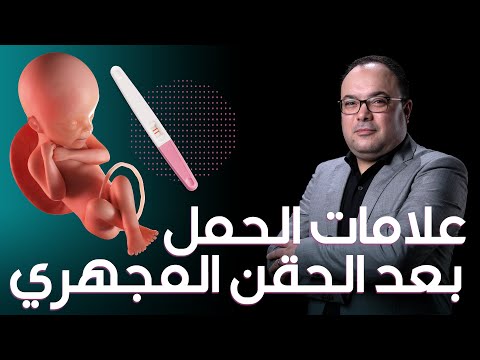
The period following the medical intervention is naturally filled with anticipation, numerous questions, and sometimes anxiety. Patients frequently ask how to identify the early physiological signs of success and what daily lifestyle adjustments are strictly necessary. Knowing exactly how to manage your physical and mental health during this critical time can significantly impact the overall outcome of your fertility treatment.
Video Chapters
Key Stages of the ICSI Procedure: The Embryo Transfer
The final and arguably most critical phase of the entire fertility journey is the embryo transfer stage [00:13]. This delicate procedure is the grand culmination of weeks of hormonal preparation and surgical egg retrieval. It typically takes place between three to five days after the eggs have been successfully fertilized under laboratory conditions.
The internal environment of the uterus is meticulously prepared before the embryos are introduced. Fertility specialists monitor the endometrial lining's thickness through precise ultrasound scans to ensure it is perfectly receptive for implantation. When the physiological timing is optimal, the highest quality embryos are loaded into a soft, flexible medical catheter.
The physician carefully guides this catheter through the cervix and deposits the embryos directly into the uterine cavity. The use of advanced ultrasound guidance during this exact moment ensures the precise placement of the embryos, drastically maximizing the chances of successful implantation. After the catheter is removed, patients begin the highly anticipated two-week wait.
Common Symptoms After ICSI Procedure in Egypt: What to Expect
Once the embryos have been successfully transferred, patients enter a period of intense observation. During this time, it is entirely normal to scrutinize every physical sensation, wondering if it indicates a successful early pregnancy [00:36]. Recognizing which bodily symptoms are standard and which require urgent medical attention is crucial for maintaining your peace of mind.
To fully comprehend why your body is reacting in a specific way, it is vital to understand the underlying role of progesterone. During an IVF or ICSI cycle, natural hormone production is often medically suppressed, requiring external supplementation. This high dosage of supplementary progesterone causes a systemic physical reaction that mimics early pregnancy.
Managing Increased Vaginal Secretions
One of the earliest and most noticeable changes is a significant increase in daily vaginal secretions [00:42]. Many women become instantly alarmed when they see a heavy white discharge, fearing that the transferred embryos have somehow been expelled. Medical experts confirm that this is a common misconception that frequently causes completely unnecessary panic.
In clinical reality, these excess secretions are a direct, expected result of the medications prescribed to support the uterine lining. Hormonal treatments, specifically progesterone suppositories or targeted injections, are absolutely essential for maintaining the early pregnancy. This harmless discharge is simply a physical sign that your body is effectively absorbing the supportive medication.
Recognizing Implantation Bleeding and Spotting
Experiencing minor vaginal bleeding around a week to ten days after the transfer is another highly common occurrence [01:13]. You might notice small spots of dark brown or light pink blood on your undergarments. While seeing any amount of blood is understandably frightening, it rarely indicates a spontaneous miscarriage during this specific early phase.
This light spotting is frequently associated with the embryos successfully embedding themselves deep into the thick endometrial lining. As the embryo microscopic burrows into the uterine wall, minor capillary disruption naturally occurs, leading to light, temporary spotting. Consequently, this is actually considered a highly positive indicator that successful implantation is currently underway.
Dealing with Pelvic Pain, Cramps, and Constipation
Fertility patients often report unusual, mild sensations in the lower pelvic region, including gentle cramps and a persistent feeling of heaviness [01:40]. These pelvic twinges can closely mimic premenstrual symptoms, significantly adding to the psychological stress of the waiting period. However, they are typically entirely harmless and simply part of the normal physiological adjustment to the procedure.
Additionally, uncomfortable digestive issues such as severe bloating and persistent constipation are frequently reported by patients. These localized gastrointestinal changes are primarily driven by the remarkably high levels of progesterone currently circulating in your system. Progesterone naturally relaxes internal smooth muscles, which inevitably slows down digestion and leads to these expected side effects.
Dizziness, Nausea, and Early Pregnancy Signs
Feelings of extreme daily fatigue, sudden unexplainable dizziness, and unexpected waves of nausea are also widely reported [02:08]. These physical sensations very closely mirror the classic, well-known symptoms of an early first-trimester pregnancy. You might find yourself developing strong aversions to certain food smells or feeling totally exhausted after very minimal activity.
These temporary systemic reactions are excellent clinical signs that the pregnancy hormone levels are successfully beginning to rise in your bloodstream. As the maternal body rapidly adapts to these new hormonal surges, it is completely common to experience a temporary dip in overall energy. Resting frequently and staying properly hydrated can effectively help mitigate these early pregnancy symptoms.
Navigating the Two-Week Wait After Embryo Transfer
The extended period stretching from the embryo transfer directly to the scheduled pregnancy test is commonly known as the two-week wait [02:42]. This specific timeframe is notorious among patients for being the most psychologically challenging phase of the entire fertility journey. Patients are often bombarded with unsolicited advice from well-meaning family members, much of which is outdated.
It is medically vital to strictly distinguish between proven scientific facts and traditional cultural myths during these critical days. Adhering exclusively to your certified fertility specialist's personalized guidelines will thoroughly protect both your mental health and the physical integrity of the embryo transfer. Avoiding unverified advice prevents unnecessary anxiety that could otherwise hinder your progress.
Debunking Myths About Bed Rest After ICSI
A highly persistent and damaging myth surrounding modern fertility treatments is the absolute necessity of strict, uninterrupted bed rest [03:13]. Many anxious patients are incorrectly told they must not move, shower, or engage in any standard daily activities whatsoever. However, leading medical professionals strongly and uniformly advise against complete immobility during the waiting period.
Engaging in normal, light household activities is actually proven to be highly beneficial for your overall physical health. Gentle, regular movement promotes healthy, continuous blood circulation throughout the entire body, ensuring an adequate nutrient-rich blood supply reaches the uterus. Conversely, complete bed rest can paradoxically increase the dangerous risk of developing blood clots and spikes unnecessary mental stress.
While light, natural movement is thoroughly encouraged, it is equally important to completely avoid heavy physical exertion [03:26]. Strenuous cardiovascular exercises, lifting excessively heavy objects, and all high-impact physical activities must be strictly avoided. Excessive physical strain can unintentionally cause strong uterine contractions, which may severely negatively impact the delicate implantation process.
Optimal Diet and Nutrition for a Successful ICSI Pregnancy
Comprehensive nutrition plays a completely foundational role in actively supporting early pregnancy development [03:46]. Exactly what you consume during the two-week wait directly provides the fundamental building blocks for the initial, rapid stages of fetal growth. A carefully balanced, highly nutrient-dense diet is strongly recommended by all leading fertility experts.
When carefully planning your daily diet, always consider the natural anti-inflammatory properties of certain whole foods. Fresh, organic vegetables provide essential folic acid, which is absolutely critical for healthy early neural tube development. Incorporating natural healthy fats supports complex cellular membrane integrity and vital hormone production.
| Recommended Dietary Choices | Foods and Drinks to Strictly Avoid |
|---|---|
| High-quality proteins (lean meats, fish, eggs) | Processed manufactured meats (sausage, pastrami) |
| Fresh, colorful vegetables and dark leafy greens | Fast food and heavy, excessively greasy meals |
| Fresh seasonal fruits in moderate daily portions | Excessive caffeine (strictly limit to one cup daily) |
| Balanced, warmly home-cooked daily meals | All carbonated beverages and sugary sodas |
Recommended Foods for Embryo Implantation
Your daily meals should consistently be rich in high-quality proteins, which are fundamentally essential for rapid cellular growth [04:04]. Lean poultry meats, wild-caught fish, organic eggs, and plant-based legumes are excellent primary choices to incorporate into your diet. These specific protein sources readily provide the necessary sustained energy and critical structural components for the rapidly growing embryos.
Alongside healthy protein, a highly generous daily intake of fresh vegetables and fruits is medically critical. Aim for a bright, colorful variety of fresh produce to ensure you are consistently receiving a broad spectrum of essential vitamins. Preparing well-balanced, wholesome plates creates the ideal, highly optimized nutritional environment for successful embryo implantation.
Foods and Drinks to Avoid During the Waiting Period
Just as vitally important as what you actively eat is what you intentionally and strictly avoid. Highly processed and heavily manufactured meats must be completely eliminated from your diet [04:08]. Common grocery items such as commercial sausages, hot dogs, and smoked pastrami frequently contain dangerously high levels of sodium and harsh chemical preservatives.
Your daily caffeine intake requires extremely careful monitoring and immediate, significant reduction [04:22]. Strict medical guidelines strongly suggest limiting your total consumption to a maximum of one single cup of coffee or caffeinated tea per day. Excessively high caffeine levels can artificially constrict your blood vessels, potentially reducing crucial, life-sustaining blood flow directly to the uterine lining.
Additionally, all artificially carbonated beverages and heavily sugary sodas should be strictly avoided without exception [04:30]. These highly processed drinks offer absolutely zero nutritional value and can severely exacerbate the bloating already caused by fertility medications. You must focus instead on drinking plenty of pure, filtered water to stay thoroughly and healthily hydrated.
The Importance of Stress Management During IVF Treatment
Maintaining strong emotional equilibrium is scientifically just as vital as physical care during this vulnerable time. Chronically high levels of psychological stress and anxiety can have proven detrimental effects on your body's ability to maintain a pregnancy [04:44]. Constantly worrying about the final outcome or obsessively over-analyzing every minor physical twinge creates a highly toxic internal hormonal environment.
The psychological burden of the two-week wait simply cannot be overstated by medical professionals. To effectively combat this, clinical experts strongly recommend adopting structured, daily stress reduction techniques. Practices such as deep diaphragmatic breathing and guided fertility meditations can significantly lower cortisol levels, protecting your highly sensitive reproductive function.
It is also medically crucial to strictly and unwaveringly adhere to your prescribed medication schedule [05:14]. Whether you are currently taking oral hormone tablets, daily injections, or vaginal suppositories, absolute consistency is key. You must never intentionally alter your specific dosage or prematurely discontinue a medication without explicit, direct instructions from your fertility specialist.
Next Steps After a Positive Pregnancy Test Following ICSI
The highly anticipated milestone of a positive pregnancy test brings immense joy and a completely new set of medical protocols [05:34]. Your very first action should be to immediately contact your designated fertility clinic to share the incredible news. Your attending doctor will then carefully outline the specific clinical steps for the coming weeks to ensure the new pregnancy properly stabilizes.
A highly detailed early ultrasound will be promptly scheduled to definitively confirm the clinical viability of the pregnancy. This critical, milestone scan helps the medical team visually verify the exact presence of the gestational sac within the uterus. Identifying precisely whether you are safely carrying a single baby, twins, or multiples is essentially required for planning your long-term prenatal care.
In complex cases where more than two embryos have successfully implanted, your specialist will deeply discuss advanced management options [05:53]. To heavily protect the long-term health of the mother and ensure the safe, continued development of the babies, an embryo reduction procedure might be medically recommended. This careful, proactive medical management strictly guarantees you the absolute highest chance of carrying a thoroughly healthy pregnancy to term.
Take the Next Step in Your Fertility Journey
Get personalized medical guidance and highly accurate treatment cost estimates for your ICSI procedure. Reach out today to connect directly with top-rated fertility specialists.
Get Free QuoteView Full Video Transcript
00:00 ????? ???? ??? ???? ??? ????? ????? ???????? ??? ????? ???? ??????? ????? ????? ?????? ???????? ????? ????? ????? ?? ????? ??????????? ??? ???? ??? ?????.
00:13 ??? ??????? ??????? ?? ????? ????? ???????? ??? ??? ????? ?????? ?? ????? ???????? ??? ????? ??? ?????? ?? ??? ?????? ???? ???? ??? ?? ???? ???? ???? ??? ??? ????????.
00:25 ????? ???? ???? ??? ????? ??? ????? ????.
00:28 ???? ????? ?? ???? ???? ??? ????? ????? ????????
00:36 ?? ???? ???????? ?? ?????? ?? ??? ????? ?????? ??? ??? ????? ????? ????? ????? ????? ???? ????.
00:42 ??? ???? ?? ????? ????????? ???????? ??? ????? ???????. ??????? ???? ??? ?? ????? ?????? ????? ?? ???? ???? ???? ???. ?? ?? ??????? ?? ??????? ????? ????? ?????? ???? ??????? ???? ?? ????? ????????????.
01:13 ???? ????? ???? ???? ????? ??? ????? ?? ?? ???? ?? ??? ??????? ?? ????? ???? ???? ??? ?? ???? ??? ?? ????? ???? ?? ?? ?????? ?? ??????? ??? ??????? ?? ???? ???? ?? ?????? ?? ????? ????? ??????.
01:40 ??? ??????? ??????? ???? ???? ???? ????? ?? ???? ????? ???? ?? ?????? ???? ?????? ?????? ???? ???? ???? ???? ?????. ?? ???? ?? ?????? ??????? ???? ??????? ????? ??? ?????? ??????.
02:08 ???? ????????? ???? ?? ???? ?????? ?? ???? ???? ????? ????? ?????. ?? ????? ??? ?? ????? ?????? ?? ????? ????? ?? ????? ????? ??? ???? ?? ????.
02:42 ?????? ????? ?? ?????? ???? ???? ??????? ???? ???? ?????. ??? ??????? ???? ????? ??? ???? ????? ????? ?? ?????? ??????????? ??? ?????? ??? ???? ??? ?????? ????. ?????? ?? ???.
03:13 ??? ???? ??? ????? ?????? ??????? ?? ?????. ?????? ??????? ????? ????? ????? ?????? ??????? ???? ????? ?????.
03:26 ?????? ??????? ?? ?????? ????? ????? ??? ??????? ??????? ????? ???? ???????? ?? ????? ????? ???? ??????.
03:38 ?? ?????? ?? ????? ???????? ???? ?? ????? ???? ????? ????? ????? ?? ????? ??????.
03:46 ??????? ??????? ?????? ??? ?? ???? ?? ???? ??? ???? ???? ??????? ???? ???? ?????? ??????.
04:04 ?????? ?????? ???? ???? ?? ?????? ??? ?????? ??????? ???? ?? ?????? ???????? ???????.
04:08 ?????? ??????? ???? ???? ?? ????????? ?????????? ?????? ????????.
04:22 ???? ?? ???? ????????? ????? ????? ????? ?? ????? ??????? ?? ????.
04:30 ?????? ???????? ???? ?? ??????? ?????? ???????? ???????? ???????? ?????? ??????.
04:44 ???? ???? ???? ????? ?? ?? ???? ?????? ??????. ?? ?????? ?? ????? ???????? ??? ???? ????? ???? ?????? ????? ????????.
05:14 ?????? ?????? ???? ???? ???? ?????? ????? ??????? ???????? ??????? ??????? ?????? ??????? ?? ??????? ??? ????? ????? ??? ?? ???.
05:34 ?? ??? ???? ???? ????? ????? ???? ??????? ?? ??????? ????? ?????? ????? ??? ??? ?? ????? ??????? ???? ??? ????? ?????.
05:53 ?? ??? ????? ?? ???? ?? ????? ????? ????? ????? ?????? ?????? ???? ????? ???? ?? ???? ?? ?????.
06:00 ??? ??? ???? ????? ????? ????? ????? ??? ??????? ??????? ??? ??? ?? ???? ?????.






.png)
.png)





.jpg)

.png)









Share this listing