
As regenerative medicine evolves, international clinics are increasingly shifting focus from treating specific injuries to addressing the cellular mechanisms of aging itself. At Liv Bona Dea Hospital in Baku, stem cell specialists utilize comprehensive protocols that target both visible dermal aging and broader systemic vitality.
Quick Takeaway: The anti-aging program at Liv Bona Dea Hospital combines targeted local stem cell injections for cosmetic skin rejuvenation with intravenous (IV) delivery intended to support whole-body cellular health. While these protocols are marketed to restore physical energy and significantly rejuvenate the body, systemic stem cell therapy for anti-aging remains an investigational treatment, requiring patients to carefully weigh clinical evidence against marketing claims.
- 0:00 - The Rejuvenation Claim: Addressing the 10-to-15 Year Benchmark
- 0:05 - Target Areas: Skin versus Whole-Body Rejuvenation
- 0:10 - Local Application: Cellular Therapy for the Skin
- 0:13 - Intravenous Delivery: Systemic Stem Cell Application
- 0:18 - Combination Protocol: The Comprehensive Anti-Aging Program
- 0:25 - Expected Impact: Skin Vitality and Systemic Energy
- 0:33 - Next Steps: Evaluating the Anti-Aging Protocol
The Biological Foundation of Cellular Aging
To understand the clinical mechanisms discussed by stem cell specialists, patients must first understand how the human body ages at a microscopic level. Aging is not merely the passage of time; it is characterized by cellular senescence, a process where cells permanently stop dividing but do not die. These senescent cells secrete inflammatory compounds, degrading surrounding tissues and exhausting the body's natural reserves of stem cells.
Regenerative medicine attempts to intervene in this process by introducing young, viable stem cells—frequently mesenchymal stem cells (MSCs) derived from umbilical cord tissue, adipose (fat) tissue, or bone marrow. The clinical goal is not just to replace dead cells, but to utilize the powerful signaling molecules these new cells release. This paracrine signaling is theorized to calm systemic inflammation, stimulate local repair mechanisms, and encourage the body's own dormant cells back into healthy activity.
The "Local" Threshold (Targeting Dermal Exhaustion)
When discussing cosmetic rejuvenation, the focus is placed on the dermis, the deep layer of skin responsible for structural integrity. Over time, dermal fibroblasts become sluggish, leading to a drop in collagen, elastin, and hyaluronic acid production. The result is visible aging: laxity, thinning, and deep rhytides (wrinkles).
Local stem cell application involves injecting cellular products directly into these targeted areas. Unlike traditional dermal fillers, which mechanically plump the skin using synthetic or cross-linked hyaluronic acid, local cellular therapy aims to biologically wake up the surrounding tissue. The introduced cells secrete growth factors that encourage existing fibroblasts to resume the natural synthesis of collagen. While this biological remodeling takes weeks or months to become visible, the objective is structural repair rather than temporary camouflage.
The "Systemic" Ambition (Addressing Whole-Body Vitality)
Beyond aesthetic concerns, patients frequently seek regenerative therapies to combat chronic fatigue, prolonged recovery times, and general age-related physical decline. To address this, clinics utilize intravenous (IV) delivery, introducing millions of stem cells directly into the bloodstream.
Once infused, these cells circulate systemically. Current scientific models suggest they migrate toward areas of chronic inflammation—a process known as homing. By releasing powerful anti-inflammatory cytokines throughout the vascular system, the IV application aims to modulate the immune response, improve endothelial (blood vessel) health, and restore a sense of overall cellular energy. However, because these cells are widely distributed and many are initially trapped in the pulmonary system (the lungs), calculating the exact therapeutic dosage required for specific systemic outcomes remains a significant challenge in modern clinical research.
| Delivery Method | Clinical Pathway | Primary Target Area |
|---|---|---|
| Local (Subcutaneous / Dermal) | Direct injection into targeted tissue layers to stimulate localized fibroblast activity and collagen synthesis. | Facial skin, neck, décolletage, or specific joint tissues. |
| Systemic (Intravenous IV) | Infusion into the bloodstream, relying on cellular homing mechanisms to seek out and modulate systemic inflammation. | Vascular network, major organs, immune system, and widespread cellular structures. |
Evaluating the "10 to 15 Year" Rejuvenation Benchmark
In the landscape of medical tourism, patients frequently encounter specific numerical claims regarding age reversal. Statements referencing a return to biological states from a decade prior are highly compelling, but they require strict medical translation.
Chronological age—the number of years a person has lived—is immutable. Biological age, which measures how well cellular systems are functioning relative to averages, can fluctuate based on lifestyle, disease, and potentially, regenerative interventions. When specialists speak of profound rejuvenation, they are typically referring to improvements in specific biomarkers: skin elasticity matching younger cohorts, reductions in systemic inflammatory markers (like CRP), or improved cardiovascular endurance.
It is vital for patients to understand that a "10 to 15 year" reversal is a conceptual marketing benchmark used to describe substantial subjective improvements, not an absolute, guaranteed medical outcome. Biological responses to cellular therapy are highly individualized, dependent on the patient's baseline health, the quality and viability of the stem cells utilized, and the presence of underlying metabolic conditions.
- The Paracrine Mechanism: Cells secrete exosomes and growth factors that essentially "instruct" older cells to behave more efficiently, temporarily bypassing some effects of cellular aging.
- The Immunomodulatory Effect: By suppressing hyperactive immune responses that cause chronic low-grade inflammation ("inflammaging"), systemic strain is reduced, which patients often interpret as a sudden return of youthful energy.
- The Epigenetic Reality: While cellular therapies can alter gene expression to favor repair over degradation, they do not permanently rewrite human DNA or halt the fundamental passage of time.
The Protocol Approach: Combining Therapies for Comprehensive Impact
Progressive anti-aging programs rarely rely on a single intervention. The protocol approach acknowledges that aging occurs simultaneously on macro (visible) and micro (cellular) levels. By administering local injections to address immediate aesthetic concerns while simultaneously utilizing IV drips for internal longevity support, clinics aim to provide a holistic result.
"When you undergo this procedure, both your skin rejuvenates, and the cells of the entire body are rejuvenated, bringing a new energy."
This dual-method strategy is a hallmark of international regenerative medicine destinations. However, the complexity of combining therapies necessitates rigorous clinical standards. The viability of the cells, the laboratory conditions under which they are cultivated, and the precise timing of the applications are critical variables that dictate whether the combination protocol will yield meaningful biological shifts or simply act as an expensive placebo.
Navigating International Regenerative Medicine in Baku
The emergence of facilities like Liv Bona Dea Hospital in Baku highlights the globalization of advanced cellular therapies. Medical tourists seeking treatments that remain heavily restricted or cost-prohibitive in North America or Western Europe often look to international hubs where regulatory environments allow for broader investigational use of MSCs.
When evaluating a foreign destination for stem cell therapy, the aesthetic appeal of the hospital must be secondary to laboratory protocols. Patients must inquire about the source of the stem cells (autologous versus allogeneic donor cells), the expansion process (how many times the cells are replicated in the lab), and independent viability testing to ensure the cells being infused are living and active.
| Claimed Application | Evidence Strength | What Evidence Shows |
|---|---|---|
| Skin Rejuvenation (Local Application) | Emerging | Clinical studies demonstrate potential in stimulating collagen, improving skin texture, and reducing photodamage, though large-scale standardized protocols are still in development. |
| Whole-Body Rejuvenation (Systemic Anti-Aging) | Limited | While animal models show systemic anti-inflammatory effects and lifespan extension, human clinical trials for generalized "anti-aging" remain highly experimental with no long-term definitive proof of biological age reversal. |
| Restoring "New Energy" and Vitality | Mixed / Uncertain | Highly subjective. Some patients report significant vitality boosts, possibly linked to reduced systemic inflammation, but placebo effects in expensive anti-aging treatments are well-documented. |
Known Risks: Investigational stem cell therapies carry risks including localized infection, immune rejection (if allogeneic cells are used without proper matching or are not immune-privileged), and theoretical risks of unregulated cellular proliferation (tumor formation).
Established Alternatives: Patients seeking systemic rejuvenation should first optimize established medical pathways, including Hormone Replacement Therapy (HRT/TRT) managed by an endocrinologist, robust nutritional/lifestyle interventions, and proven dermatological treatments (lasers, prescription retinoids) before pursuing experimental cellular infusions.
Contraindications: Systemic cellular therapy is strongly contraindicated for individuals with active cancer, a history of malignancies, or severe active systemic infections, as introduced growth factors could potentially stimulate unwanted cellular growth.
- Are the cells used in this anti-aging program autologous (from my own body) or allogeneic (from a donor, such as umbilical cord tissue)?
- If donor cells are used, what specific viral screening and genetic testing protocols does the Liv Bona Dea laboratory follow?
- Can you provide a certificate of analysis demonstrating the viability (percentage of living cells) and exact cell count prior to the IV infusion?
- What emergency protocols are in place in the rare event of an adverse immune reaction during the intravenous administration?
- Given my specific medical history, how do you mitigate the risk of stem cells stimulating undetected malignant or precancerous cells?
Frequently Asked Questions About the Baku Anti-Aging Protocol
Does the Liv Bona Dea anti-aging program guarantee a reversal of biological age by 10 to 15 years?
No. While providers may use the "10 to 15 year" metric to describe the profound subjective energy return or aesthetic improvements patients occasionally report, this is a conceptual marketing benchmark. Current medical science cannot guarantee an absolute reversal of biological age, and individual responses to cellular therapy vary widely based on baseline health and genetics.
What is the biological difference between the local skin applications and the intravenous stem cell delivery mentioned by Dr. R?sulov?
Local applications involve injecting cells directly into the dermal layers of the face or neck to strictly target localized collagen production and structural skin repair. Intravenous (IV) delivery infuses cells into the bloodstream, where they circulate to modulate whole-body immune responses and target systemic, low-grade inflammation associated with chronic fatigue.
Are the systemic stem cell therapies discussed for whole-body energy approved by standard international regulatory bodies?
In strict regulatory environments such as the United States (FDA) or the European Union (EMA), systemic stem cell infusions for general anti-aging, energy restoration, or wellness are considered unapproved, investigational treatments. They are not recognized as standard-of-care medical therapies for aging.
What types of stem cells are typically utilized in the anti-aging protocols offered in Baku?
While specific protocols vary by patient, international anti-aging programs commonly utilize Mesenchymal Stem Cells (MSCs). These are frequently sourced either from the patient's own adipose (fat) tissue or from ethically harvested, expanded allogeneic umbilical cord tissue, chosen for its high regenerative capacity and low risk of immune rejection.
This content is strictly educational and does not constitute medical advice, a formal diagnosis, or a treatment recommendation. Systemic stem cell therapy for anti-aging is considered an investigational procedure with efficacy and long-term safety profiles that are not fully established by global medical consensus. Readers must consult a qualified, licensed healthcare provider before pursuing any experimental regenerative therapies.
Explore What Factors May Affect Your Treatment Decision
Navigating the complexities of international regenerative medicine requires careful evaluation of both clinical evidence and facility protocols. PlacidWay assists international patients by coordinating treatment inquiries, organizing clinical records for specialist review, and helping you clearly understand available investigational options abroad with zero pressure.
Request a Medical EvaluationView Video Transcript
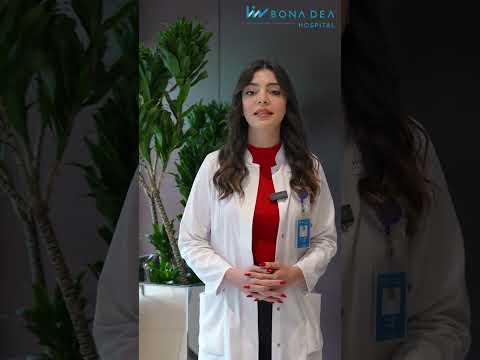
0:00 - You have heard a lot about 10-15 years of rejuvenation.
0:03 - So what do these procedures rejuvenate?
0:05 - Actually, the discussion here is about skin rejuvenation.
0:08 - But rejuvenation starts in the entire body.
0:10 - Stem cells applied locally to the skin rejuvenate the skin,
0:13 - At the same time, intravenously applied stem cells rejuvenate the cells of the entire body.
0:18 - For this reason, we apply both intravenous and local, meaning skin procedures, together.
0:23 - We have established an anti-aging program.
0:25 - When you undergo this procedure, both your skin rejuvenates,
0:29 - And the cells of the entire body are rejuvenated, bringing a new energy.
0:33 - If you want to rejuvenate both externally and internally,
0:36 - Then you can apply to our anti-aging program.


















Share this listing