


For many families navigating neurodevelopmental conditions, finding effective medical interventions remains a primary focus. Exploring advanced options like stem cell therapy for autism in India has become a beacon of hope for international patients seeking comprehensive care. When traditional therapies yield limited progress, integrative medical approaches offer a new pathway to addressing underlying neurological challenges.
Patient experiences, such as those traveling from [00:13] Melbourne, Australia, highlight the global search for specialized medical expertise. By combining cutting-edge cellular treatments with supportive therapies, clinics are striving to enhance the quality of life for children diagnosed with autism spectrum disorder.
Video Chapters
- Understanding Autism Spectrum Disorder Challenges
- Why Choose Stem Cell Treatment for Autism
- Comprehensive Integrative Therapies: Beyond Stem Cells
- Real-Life Improvements: Enhancing Social Interaction
- The Role of Specialized Hospitals in Autism Care
- Evaluating the Long-Term Benefits of Stem Cells
- Navigating International Medical Travel for Autism Treatment
- Understanding the Holistic Impact on Families
Understanding the Deep Challenges of Autism Spectrum Disorder
Autism Spectrum Disorder presents a unique set of challenges that vary significantly from one child to another. Parents often observe early signs that prompt them to seek specialized medical interventions. As noted at [00:30], common diagnoses involve pronounced speech delays and cognitive development hurdles that affect daily functioning. These foundational delays can severely impact a child's ability to navigate standard educational environments.
Beyond cognitive and speech impairments, emotional regulation is a critical obstacle for many young patients. High levels of anxiety frequently accompany the condition, making socialization an overwhelming prospect. Children often withdraw, preferring isolation over the unpredictable nature of peer interactions.
This preference for isolation frequently manifests as an over-reliance on digital devices. Caregivers report that children with these developmental delays often retreat into screen time, showing little interest in active learning or physical play. Breaking this cycle of withdrawal requires a multifaceted therapeutic approach that addresses the neurological roots of the anxiety.
Common Behavioral and Cognitive Hurdles
- Severe Speech and Language Delays: Difficulty articulating needs or engaging in two-way conversations.
- Social Anxiety and Isolation: A distinct lack of desire to socialize with peers or participate in group activities.
- Cognitive Development Stagnation: Slower processing speeds and difficulty grasping new educational concepts.
- Excessive Screen Dependency: Using digital media as a coping mechanism to avoid environmental stimuli.
Why Choose Stem Cell Treatment for Autism Spectrum Disorder?
The medical community is continually researching interventions that target the underlying biological mechanisms of neurological conditions. Stem cell treatment for autism spectrum disorder is emerging as a potential modality to address neuroinflammation, which is often observed in the brains of affected individuals. By introducing regenerative cells, practitioners aim to modulate the immune system and reduce this chronic inflammatory state.
As mentioned around [01:00], families are seeking out specific clinics that specialize in these advanced biological therapies. The theoretical framework suggests that stem cells can secrete neurotrophic factors that promote the repair of damaged neural tissues. This process, known as neurogenesis, may help improve the synaptic connections vital for cognitive and communicative functions.
While traditional behavioral therapies remain essential, they primarily address the symptoms rather than the root cellular dysfunctions. Integrating regenerative medicine into a child's care plan provides a two-pronged approach. The biological improvements facilitated by cellular therapy can potentially make the child more receptive to standard behavioral and occupational therapies.
Comprehensive Integrative Therapies: Beyond Stem Cells
A successful medical protocol rarely relies on a single modality, especially for complex neurodevelopmental disorders. Top-tier medical facilities utilize comprehensive integrative therapies to maximize patient outcomes. At [01:05], the inclusion of ozone therapy alongside cellular treatments is highlighted as a core component of the treatment protocol. Ozone therapy is utilized for its potential to increase tissue oxygenation and reduce oxidative stress.
Oxidative stress is a well-documented factor in many neurological conditions, hampering cellular function and brain health. By administering ozone therapies, medical professionals aim to create a more favorable environment within the body for the stem cells to thrive and engraft. This synergistic effect is a cornerstone of modern integrative medicine.
Furthermore, these protocols often include a range of other supportive treatments tailored to the individual patient. Nutritional counseling, hyperbaric oxygen therapy, and specialized detoxification protocols are frequently integrated to ensure the body's systems are functioning optimally. This holistic view of the patient ensures that every biological avenue is optimized for neurological recovery.
Comparing Therapeutic Modalities
| Therapy Type | Primary Mechanism of Action | Targeted Outcomes for Autism |
|---|---|---|
| Stem Cell Therapy | Immune modulation and promotion of neurogenesis via paracrine signaling. | Reduction of neuroinflammation, improved cognitive baseline. |
| Ozone Therapy | Increases systemic oxygenation and mitigates chronic oxidative stress. | Creates a receptive cellular environment, boosts metabolic function. |
| Integrative Interventions | Nutritional and detoxification support targeting gut-brain axis. | Improves overall physiological stability and reduces physiological stressors. |
Real-Life Improvements: Enhancing Social Interaction and Speech
The true measure of any medical intervention lies in the tangible improvements observed in a patient's daily life. Following comprehensive treatment, caregivers often report significant shifts in communication abilities. As observed at [01:18], a primary marker of success is a child actively trying to express themselves and communicate their feelings. This transition from isolation to active expression is a monumental developmental leap.
Improved social interaction is another critical milestone that families eagerly anticipate. A heartwarming example is shared at [01:36], detailing a child's spontaneous participation in the Holi festival. Approaching other children to play and interact during a vibrant, sensory-rich event demonstrates a profound reduction in social anxiety and sensory overload.
Language acquisition and usage also show remarkable progress following cellular and integrative therapies. By [01:58], the ability to grasp and utilize multiple languages, such as Hindi and English, showcases enhanced cognitive flexibility. This dual-language improvement indicates that the brain's neuroplasticity is actively engaged, allowing the child to connect with extended family members more deeply.
The Role of Specialized Centers for Autism Care
The environment in which treatment is administered plays a crucial role in the overall patient experience and outcome. Facilities dedicated to complex neurological cases understand the nuanced needs of their patients. As mentioned at [00:55], choosing a center recognized for its innovative approaches provides families with confidence in the medical protocols. These specialized hospitals are equipped with the latest technology for both treatment and patient monitoring.
Equally important as the medical technology is the demeanor and expertise of the healthcare staff. Around [02:24], the helpfulness and accessibility of the hospital staff are highlighted as major positive factors. Navigating intensive therapies requires a supportive team that can accommodate the specific, often challenging, behaviors associated with neurodevelopmental disorders.
A patient-centric approach ensures that treatments are not just administered, but that the family is educated and supported throughout the process. High-quality centers prioritize customized care, ensuring that therapies are adjusted based on the patient's real-time responses. This adaptability is vital for maximizing the therapeutic benefits of regenerative medicine.
Evaluating the Long-Term Benefits of Stem Cells for Autism Development
Understanding the trajectory of recovery is important for managing expectations post-treatment. The healing process initiated by regenerative therapies is rarely instantaneous; it is an ongoing biological development. Caregivers, as noted at [02:08], often see immediate positive changes but must remain prepared for continued, gradual progress over months. The initial treatment acts as a catalyst for long-term neurological remodeling.
Post-treatment evaluation involves tracking various developmental markers, from fine motor skills to complex emotional reasoning. Families are encouraged to maintain detailed journals of their child's behaviors to accurately assess the long-term benefits of stem cells for autism. Continuous collaboration with local therapists ensures that the newly acquired cognitive abilities are nurtured and expanded upon.
It is crucial to view cellular therapy as a foundational pillar rather than a standalone cure. By improving the brain's underlying health, the child is better equipped to learn from their environment. This sustained neuroplasticity is the ultimate goal, providing the child with the biological tools necessary for continuous developmental growth.
Key Areas of Long-Term Monitoring
- Expressive and Receptive Language: Tracking the complexity of sentences and understanding of instructions.
- Peer Engagement Duration: Noting increases in the time spent willingly interacting with other children.
- Sensory Tolerance: Observing decreased negative reactions to loud noises, crowds, or new textures.
- Independent Play Skills: Moving away from screens toward imaginative or constructive play.
Navigating International Medical Travel for Autism Treatment
Seeking specialized medical care often requires families to cross international borders, adding a layer of logistical complexity to the treatment journey. When traveling from places like Australia to destinations known for medical tourism, meticulous planning is required. Parents must coordinate medical records, secure appropriate visas, and arrange accommodations that are suitable for a child with sensory sensitivities.
Choosing the right destination involves researching the regulatory environment and the specific accreditations of the targeted clinics. Families prioritize facilities that have a proven track record with international patients, offering comprehensive concierge services to ease the transition. These services often include airport transfers, translation assistance, and dedicated international patient coordinators.
Preparing the child for the journey is perhaps the most delicate aspect of international medical travel. Implementing visual schedules and familiarizing the child with the concept of airplanes and hospitals can mitigate travel-induced anxiety. Maintaining a calm and structured environment during transit helps ensure the child arrives at the clinic in an optimal state for treatment.
Understanding the Holistic Impact on Families
The ripple effect of a successful medical intervention extends far beyond the individual patient, profoundly impacting the entire family dynamic. When a child begins to communicate and socialize, the chronic stress experienced by caregivers significantly diminishes. Parents transition from constant management of meltdowns to actively engaging in meaningful conversations with their child.
Siblings also benefit immensely from these positive behavioral shifts. As the affected child becomes more receptive to play, sibling bonds are strengthened, creating a more harmonious home environment. The family unit can participate in community events and social gatherings without the persistent fear of severe sensory reactions or social withdrawal.
Ultimately, pursuing advanced integrative therapies is an investment in the family's collective future. The testimonials of improved confidence and expanded capabilities provide a roadmap for others facing similar diagnoses. Sharing these experiences fosters a global community of informed caregivers, empowering them to explore all available avenues for their children's health and development.
Ready to Explore Advanced Autism Treatments?
Discover if integrative stem cell therapies are the right path for your child's developmental journey. Connect with leading medical professionals today.
Get Free QuoteView Video Transcript
[00:01] Interviewer:
Good afternoon.
[00:02] Bhumika:
Hello, good afternoon. How are you?
[00:04] Interviewer:
I am good. Uh, may I know your name please and from where you are?
[00:08] Bhumika:
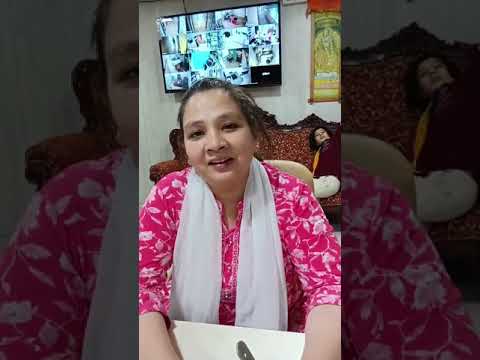
Yeah sure, my name is Bhumika Rathela. Bhumika, my name is Bhumika Rathela, and I'm from Australia, Melbourne.
[00:15] Bhumika:
Uh, I'm here for my daughter's therapy, stem cell treatment.
[00:19] Interviewer:
Your daughter... yeah, is that your daughter?
[00:20] Bhumika:
Yeah, that's Anika. Hi Anika.
[00:26] Interviewer:
Okay, so what happened to Anika?
[00:28] Bhumika:
Well, Anika has been diagnosed with autism. Mm-hmm. And she has some speech delay and some cognitive development delay.
[00:36] Interviewer:
What other problems did she have before she came here?
[00:38] Bhumika:
Uh, she has more of anxiety and she doesn't, she doesn't socialize much. Okay. Yeah, and she have more confidence issue as well. She is not very, um... she loves to watch screen timing, doesn't like much learning and stuff like that. Yeah.
[00:54] Interviewer:
So you had treatment at Dr. Pravin Patel's Innovative Hospital. Yes. Uh, what treatment did you do here?
[00:59] Bhumika:
Uh, we did stem cell therapy here. Okay. And treatment here, and we went to from ozone therapy as well. Mm-hmm. Yeah, and there were a couple of more things that we did with... integrative therapies. Okay.
[01:13] Interviewer:
And after the treatment, uh, what improvements do you find in your daughter Anika?
[01:18] Bhumika:
Well, Anika is trying to communicate a lot. She's trying to express herself. Mm-hmm. Uh, there is been some positive, uh, development which I have seen where she tries to express her feelings very well and trying to go and approach other kids as well, which she never used to do before.
[01:34] Interviewer:
You told me about Holi also.
[01:36] Bhumika:
Holi, yeah. So in Holi, she tried to approach the other children and try to play with them as well. She was trying to interact with her, them, with other children as well. That was quite amazing.
[01:45] Interviewer:
That's nice, and, uh, she started talking more?
[01:49] Bhumika:
Yeah, she, she is talking more with all the family members. She is very expressive now. She is trying to communicate more and more. She is trying to get both languages now, Hindi and English very well.
[01:59] Interviewer:
That's nice. Yeah, so she is improving.
[02:02] Bhumika:
She is improving.
[02:03] Interviewer:
Okay, so are you happy with her progress?
[02:05] Bhumika:
Yeah, definitely. For this, for this point of time I'm very happy. And I am expecting her more, but yeah, at this time there is a lot of progress I can see on her.
[02:14] Interviewer:
So what, uh, message do you have for other people and what would you like to say about our center?
[02:20] Bhumika:
Uh, I would like to say that this is an amazing center and all the staff here are amazing. They are very helpful. Um, they try to access everything as, as per your convenience. And I, I would, I would, I just want to suggest all the, all the people to come at least try if they are having such kind of problems like autism or any other treatment that Dr. Pravin does here.
[02:44] Interviewer:
Thank you so much.
[02:45] Bhumika:
No worries.
[02:46] Interviewer:
Wish you all the best.
[02:47] Bhumika:
Thank you so much.
















Share this listing