


Finding an effective vertigo treatment and ear crystal repositioning in Turkey requires a deep understanding of the inner ear's complex anatomy and the specific triggers causing spatial disorientation. Millions of individuals suffer from debilitating dizzy spells, often misdiagnosed or treated with generic medications that fail to address the root physiological cause. Advanced neurological assessments are changing the landscape of vestibular medicine, offering precise interventions that permanently resolve motion-related disorders.
The sensation of the room spinning is frequently linked to benign paroxysmal positional vertigo (BPPV), a condition where microscopic calcium carbonate structures become dislodged within the inner ear labyrinth. Modern clinical approaches focus on mechanical repositioning rather than relying solely on pharmacological suppression. Specialized facilities now integrate comprehensive diagnostic protocols to distinguish between peripheral vestibular issues and central neurological abnormalities, ensuring targeted therapeutic success.
By utilizing cutting-edge vestibular rehabilitation therapy for dizziness, specialists can restore balance and significantly improve patients' daily functionality. This guide explores the intricate mechanics of inner ear balance disorders, the efficacy of physical maneuvers, and the comprehensive healthcare solutions available for international patients seeking highly specialized medical care.
Video Chapters & Quick Navigation
- Understanding Inner Ear Calcium Crystals
- Common Causes of Crystal Displacement
- Diagnostic Protocols for Chronic Dizziness
- Pharmacological Interventions for Vertigo
- Epley Maneuver for BPPV Treatment
- Vestibular Rehabilitation Therapy
- Debunking Surgical Myths in Vertigo
- Systemic Factors Influencing Balance
Understanding the Physiology of Inner Ear Calcium Crystals
The human balance system relies on an incredibly delicate and sophisticated network of cellular structures located deep within the temporal bone. Specialized sensory cells are coated with a distinct gelatinous layer [00:09], which plays a pivotal role in detecting gravity and linear acceleration. Above this gel matrix sit microscopic calcium minerals, scientifically known as otoconia or otoliths.
Under normal physiological conditions, these calcium crystals remain firmly anchored in their designated utricle and saccule chambers. Their primary function is to weigh down the gelatinous membrane, causing it to shift slightly whenever the head moves. This mechanical shifting bends the hair cells beneath, sending immediate electrical impulses through the vestibular nerve directly to the brainstem.
When the brain receives these precise signals, it instantly coordinates eye movements and muscle adjustments to maintain postural stability. Any disruption to this finely tuned biological machinery compromises spatial awareness and leads to severe disorientation. Maintaining the structural integrity of these crystals is fundamental to preventing sudden onset dizzy spells.
How Otoliths Maintain Human Balance Mechanisms
The architectural design of the inner ear is remarkably resilient, yet highly sensitive to mechanical and biochemical changes. The utricle primarily detects horizontal movement, while the saccule is responsible for translating vertical acceleration. Together, they form the otolithic organs, serving as the body's internal accelerometer.
The density of the calcium crystals is significantly higher than the surrounding endolymphatic fluid. This specific density difference is what allows gravity to pull on the crystals effectively. Without this specific gravitational pull, humans would be completely unable to orient themselves in three-dimensional space, especially when visual inputs are removed in dark environments.
Identifying Primary Causes of Inner Ear Calcium Crystal Displacement
Despite their secure placement within the gelatinous matrix, otoconia can break loose due to several common environmental and biological factors. Advanced age is a primary contributor, as the gelatinous layer naturally degrades over decades of use. This age-related degeneration weakens the bonds holding the calcium carbonate structures, making them susceptible to dislodging.
Physical trauma is another leading catalyst for vestibular disruption. Sudden impacts, such as whiplash from motor vehicle accidents or direct head trauma [00:16], generate immense sheer forces capable of tearing the crystals from their native membrane. Once free, these microscopic debris particles migrate into the semicircular canals, where they do not belong.
Furthermore, severe viral or bacterial infections within the inner ear, such as vestibular neuritis or labyrinthitis, can alter the chemical composition of the endolymph fluid. This biochemical imbalance compromises crystal adhesion and triggers widespread inflammatory responses. Even seemingly harmless abrupt head movements can occasionally launch loose crystals into the sensitive canal pathways.
- Advanced Age: Natural degradation of the protein matrix supporting the otolithic membranes.
- Head Trauma: Concussive forces that mechanically shear crystals from their anatomical anchoring.
- Viral Infections: Pathogens that induce localized inflammation and weaken structural cellular bonds.
- Sudden Movements: Extreme neck extensions or rapid postural transitions triggering immediate displacement.
Comprehensive Diagnostic Protocols for Chronic Dizziness and Vertigo
Successfully treating severe vertigo requires an exact identification of the underlying pathology, as symptoms often mimic other serious neurological conditions. The absolute priority for any attending neurologist or otolaryngologist is to pinpoint the exact root cause of the dizziness [00:48]. Misdiagnosis leads to prolonged suffering and the administration of ineffective pharmaceutical regimens.
Clinical assessment typically begins with a detailed patient history, focusing on the specific triggers, duration, and intensity of the dizzy spells. Specialists differentiate between true vertigo—the illusion of environmental rotation—and generalized lightheadedness. This critical distinction guides the physician toward either a peripheral vestibular origin or a central nervous system anomaly.
Physical examinations heavily feature positional testing, most notably the Dix-Hallpike maneuver. By systematically moving the patient's head into specific gravitational planes, doctors can observe nystagmus, which are involuntary, rapid eye movements. The specific direction and torsion of these eye movements accurately indicate exactly which semicircular canal contains the rogue calcium crystals.
Differentiating Peripheral Inner Ear Issues from Central Neurological Disorders
Peripheral disorders account for the vast majority of vertigo presentations, encompassing conditions like BPPV, Meniere's disease, and vestibular neuritis. These issues are localized strictly to the inner ear apparatus or the vestibular nerve. They are generally highly treatable through mechanical therapies or short-term medical interventions.
Conversely, central disorders originate within the brainstem or cerebellum and require immediate, comprehensive medical imaging. Conditions such as transient ischemic attacks, multiple sclerosis, or vestibular migraines fall into this category. Advanced diagnostic clarity ensures patients receive the safest and most appropriate standard of care without unnecessary delays.
| Diagnostic Feature | Peripheral Vertigo (Inner Ear) | Central Vertigo (Neurological) |
|---|---|---|
| Symptom Onset | Sudden, highly episodic, and intense | Gradual, continuous, and milder intensity |
| Nystagmus Behavior | Fatigues quickly, combined horizontal/torsional | Persistent, strictly vertical or unmixed |
| Associated Symptoms | Hearing loss, severe nausea, tinnitus | Slurred speech, double vision, severe ataxia |
Evaluating Pharmacological Interventions for Vertigo Management
When patients present with acute, debilitating dizzy spells, chemical suppression of the vestibular system is often the first line of defense. Physicians frequently prescribe vestibular suppressants to mitigate severe nausea and vomiting during the initial phases of a severe attack. These medications function by dampening the neural signals traveling from the inner ear to the brain's emetic centers.
However, specialized neurologists caution against the long-term reliance on these chemical interventions. Medical treatments are typically restricted to short durations, usually not exceeding one to three months at maximum [01:05]. Prolonged use of vestibular suppressants fundamentally hinders the brain's natural ability to adapt and compensate for the vestibular deficit.
The core philosophy of modern vestibular medicine is that medication masks the symptoms but rarely cures the mechanical displacement of ear crystals. Antihistamines, anticholinergics, and benzodiazepines temporarily calm the sensory overload but leave the underlying otolithic debris untouched within the canal. Therefore, medication must be viewed strictly as a supportive bridge toward definitive mechanical therapy.
When is Medical Treatment Sufficient for Dizziness?
There are specific scenarios where pharmaceutical intervention is entirely appropriate and necessary. In cases of acute vestibular neuritis, where a viral infection violently inflames the nerve, corticosteroids are essential for rapidly reducing nerve swelling. Once the acute inflammatory phase passes, the need for suppressive medication drops significantly.
For chronic conditions like Meniere's disease, diuretics and betaahistine are utilized to manage endolymphatic fluid pressure over longer periods. Yet, for purely mechanical issues like BPPV, pharmaceuticals offer virtually no curative benefit. Recognizing these pharmacological limitations is vital for patients seeking permanent relief from chronic spatial disorientation.
The Effectiveness of the Epley Maneuver for BPPV Treatment
The definitive gold standard for resolving benign paroxysmal positional vertigo is a highly specific physical technique known as the Epley maneuver [01:18]. Developed by Dr. John Epley in the 1980s, this sequence of precise head and body movements harnesses gravity to guide rogue calcium crystals out of the semicircular canals. The procedure safely deposits the debris back into the utricle, where it is harmlessly reabsorbed by the body.
Applying these specialized test and treatment maneuvers is exceptionally crucial for settling the displaced crystals back into their proper anatomical location. The procedure is non-invasive, takes only a few minutes to complete, and boasts an incredibly high initial success rate. Most patients experience a total cessation of vertigo symptoms after just one or two expertly guided sessions.
It is highly recommended that these maneuvers be performed under strict medical supervision to ensure optimal clinical outcomes. Attempting complex repositioning techniques at home without proper diagnostic confirmation can inadvertently force the crystals into different canals, drastically worsening the patient's condition. Clinical precision dictates the exact angle and duration required for each step of the rotation.
- Step 1: The patient sits upright and turns their head 45 degrees toward the affected ear.
- Step 2: The patient is rapidly lowered backwards until their head hangs slightly over the edge of the examination table.
- Step 3: The physician rotates the patient's head 90 degrees to the opposite side, holding the position to allow gravity to shift the crystals.
- Step 4: The patient rolls onto their shoulder, pointing their nose towards the floor, before finally sitting back up.
Comprehensive Vestibular Rehabilitation Therapy for Long-Term Balance
For patients suffering from chronic dizziness or recovering from acute vestibular trauma, passive treatments are rarely sufficient for full recovery. Specialized clinics heavily emphasize the integration of customized vestibular rehabilitation therapy [01:33]. This exercise-based program is meticulously designed to promote central nervous system compensation, forcing the brain to adapt to irregular signals sent by the damaged inner ear.
Physical therapists assign specific home exercise routines that systematically challenge the patient's visual and somatosensory systems. These personalized balance exercises are typically prescribed to be performed multiple times daily, requiring strict patient compliance. When patients diligently execute these routines two to three times a day, the clinical outcomes are overwhelmingly positive and sustainable.
Sometimes, the disciplined application of these targeted rehabilitation exercises alone is powerful enough to break a severe vertigo attack entirely. By repeatedly exposing the brain to controlled, dizzy-provoking movements, a process called habituation occurs. The nervous system progressively desensitizes to the stimuli, resulting in a dramatic reduction of symptom severity and a swift return to normal daily activities.
Daily Balance Exercises to Prevent Vertigo Relapse
Vestibular rehabilitation fundamentally relies on three primary methodologies: habituation, gaze stabilization, and balance training. Gaze stabilization exercises, such as the vestibulo-ocular reflex (VOR) drills, require the patient to maintain visual focus on a stationary target while rapidly moving their head. This strengthens the neurological link between the inner ear and ocular muscles.
Balance training challenges the body's center of gravity by removing visual or proprioceptive cues. Patients practice standing on uneven foam surfaces with their eyes closed, forcing the brain to rely heavily on the remaining healthy vestibular inputs. Over several weeks, this intense neurological cross-training yields profound improvements in postural stability and significantly lowers the risk of future falls.
Debunking Myths: Is Surgery Required for Dislodged Ear Crystals?
A pervasive and highly stressful fear among patients diagnosed with ear crystal displacement is the prospect of undergoing invasive cranial surgery. Misinformation frequently circulates suggesting that mechanical failure within the inner ear requires physical surgical extraction. Medical experts emphatically clarify that surgical intervention is virtually never considered [01:56] for standard ear crystal displacement.
If the underlying pathology is confirmed to be strictly related to the mechanical dislodging of otoconia, there is absolutely no indication for direct surgical maneuvering. The human body is exceptionally proficient at reabsorbing misplaced calcium debris once it is guided back to the utricle via positional therapies. Surgery is an extreme measure reserved only for incredibly rare, destructive structural diseases of the temporal bone.
Different therapeutic protocols are applied when vertigo stems from active bacterial infections or severe fluid buildup, but direct surgical cutting into the labyrinth remains entirely off the table for BPPV. The overwhelming efficacy of the Epley and Semont maneuvers completely negates the need for surgical risk. Patients can find great comfort in knowing their condition is solvable through conservative, non-invasive outpatient methods.
Systemic Factors Influencing Inner Ear Health and Chronic Dizziness
While localized inner ear anomalies dominate the statistics for vertigo diagnoses, physicians must rigorously screen for broader systemic health issues. Vascular irregularities, particularly those restricting blood flow to the delicate microvasculature of the inner ear, are potent triggers for severe spatial disorientation. If a patient exhibits signs of vascular compromise, the diagnostic trajectory shifts dramatically [02:12].
The labyrinthine artery supplies all necessary oxygen and nutrients to the inner ear, and it is highly susceptible to atherosclerotic blockages. Conditions such as severe arterial stenosis or microvascular disease significantly impair the functionality of vestibular hair cells. In these scenarios, vascular interventions, lifestyle modifications, and targeted anticoagulant therapies supersede traditional physical maneuvers.
Furthermore, metabolic disorders play a surprisingly substantial role in maintaining vestibular equilibrium. Uncontrolled diabetes, severe hypertension, and elevated cholesterol levels cause chronic cellular damage throughout the sensory nervous system. A holistic treatment approach demands that these underlying metabolic parameters are aggressively managed to permanently resolve secondary dizzy spells and prevent long-term neurological deterioration.
Why Choose Specialized Clinics for Vertigo Treatment in Turkey
Turkey has rapidly emerged as a premier global destination for advanced neurological care and specialized vestibular treatments. Facilities renowned for medical excellence offer state-of-the-art diagnostic equipment, including video head impulse testing (vHIT) and rotary chair evaluations. These technological advantages allow Turkish neurologists to diagnose complex vestibular cases with unprecedented accuracy.
International patients actively seek ear crystal repositioning in Turkey due to the exceptional integration of multidisciplinary medical teams. Clinics seamlessly combine the expertise of otoneurologists, audiologists, and vestibular physical therapists under one roof. This collaborative healthcare model ensures highly personalized, comprehensive treatment plans that drastically reduce recovery times.
The individualization of medical care stands as the cornerstone of effective vertigo eradication. Tailoring precise physical maneuvers, metabolic regulation, and physical rehabilitation to the patient's exact physiological profile guarantees the highest probability of permanent success. Choosing a dedicated specialized center provides the medical confidence and clinical support necessary to completely reclaim a balanced, symptom-free life.
Ready to Resolve Chronic Vertigo and Reclaim Your Balance?
Connect with top-tier neurological specialists and access advanced vestibular rehabilitation therapy in Turkey. Stop living with dizziness and get a personalized medical evaluation today.
Get Free QuoteView Full Video Transcript
00:00
Kulaktaki kalsiyum kristalleri gerçekten yerinden mi oynuyor yoksa bu halk aras?nda konu?ulan bir tabir mi?
00:06
Orada bizim hassas hücrelerimiz var, onun üzerinde bir jel tabaka, onun da üzerinde bizim otolit dedi?imiz asl?nda kalsiyum kristalleri normalde sebat ediyorlar.
00:16
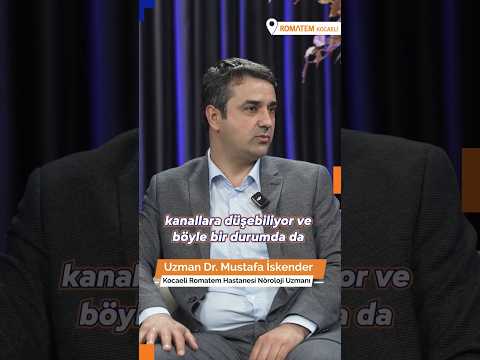
Ama herhangi bir enfeksiyon, bazen ileri ya?, bazen kafa travmalar? gibi ya da ani hareketlerle o kalsiyum kristalleri kanallara dü?ebiliyor ve böyle bir durumda da kulak kaynakl? ba? dönmelerine yol açabiliyor.
00:29
Yani asl?nda bizim kulaktaki kristal dedi?imiz hadiseler vücudumuzda normalde var olan, yerinde sebat eden kalsiyum minerali diyebiliriz.
00:38
?laç tedavisini konu?al?m biraz dilerseniz. ?laç tedavisi ne kadar etkili ba? dönmesinde ya da asl?nda her ba? dönmesi bir ilaç deste?ine ihtiyaç duyuyor mu?
00:48
Buradaki temel hadise ba? dönmesinin öncelikle sebebini bulmak. Çünkü tedavisi sebebine ba?l?. Alttaki yatan faktörü kald?rmak laz?m.
00:55
En s?k görülen sebeplerinden bir tanesi iç kulak denge mekanizmalar? ve kristallerle alakal? oldu?unu söyledik.
01:01
Böyle bir durumda medikal tedaviye tabii ki ba?vurabiliyoruz ama genelde bunu mümkünse 1 ay ya da 3 ay?n çok fazla üzerine ç?km?yoruz ihtiyaç halinde.
01:10
En az medikal tedavi kadar hatta daha etkili olan bir ?ey var. Tan? koyarken hastaya uygulad???m?z baz? test manevralar? var, ayn? zamanda tedavi amaçl? da manevralar var.
01:18
Epley manevras? dedi?imiz... Bu manevralar? yapmak, bu bahsetti?imiz yerinden oynam?? kristalleri yerine oturtabilmek için oldukça önemli.
01:26
Asl?nda kolay bir yöntem. Hekim gözetiminde yap?labilir. Hatta baz? hastalar için denge rehabilitasyonu da öneriyoruz. Yani vestibüler rehabilitasyon.
01:35
Hastalara ev ödevleri veriyoruz, denge egzersizleri veriyoruz. Günde 2-3 kere yap?ld???nda oldukça iyi sonuçlar da veriyor.
01:42
Bunlar?n yap?lmas? bazen tek ba??na, ba?l? ba??na vertigonun tek bir ata??n? kesip tekrar?n? engelleyebiliyor.
01:48
O yüzden burada hasta baz?nda de?erlendirmek laz?m. Bazen tek ba??na manevra, bazen medikal tedavi art? manevrayla da ilerleyebiliyoruz.
01:56
Ama hiçbir zaman cerrahi bir giri?im söz konusu olmuyor de?il mi o kristalleri yerine oturtmak için?
02:01
Yok, hay?r. Yani kristal kulak kaynakl?ysa, yani enfeksiyonlara yönelik farkl? tedaviler var ama direkt bir cerrahi müdahale yok. Ama manevralar oldukça etkili.
02:10
Tabiki bu kulakla alakal? k?sm? için konu?tuk, e?er damar problemleriyle alakal? bir ?ey varsa, beyin dola??m?na etkileyebilecek bir damar t?kan?kl??? varsa, orada farkl? giri?imler tabii ki dü?ünülebiliyor.
02:21
Kalp kökenli ise hakeza farkl? tedaviler. Damar problemleri varsa ?eker, tansiyon, kolesterole yönelik tedaviler al?nabiliyor.
02:27
Buradaki önemli olan ?ey ba? dönmesinin gerçek sebebini bulup ona yönelik tedavi yapabilmek. Bu da hasta baz?nda bireyselle?mekle mümkün.









.png)

.png)








Share this listing