


Preparing for an IVF procedure in Czech Republic requires a comprehensive approach that extends far beyond the clinic walls. The foundation of successful assisted reproduction is deeply rooted in the biological and nutritional preparation of the prospective parents. Nutritional optimization serves as a critical pillar in enhancing egg quality, stabilizing the endocrine system, and significantly boosting embryo implantation rates. Expert fertility nutritionists emphasize that the biological environment in which an embryo develops is entirely dependent on the mother's dietary habits, cellular health, and inflammatory markers.
Clinical data consistently reveals that how nutrition affects IVF success rates is not merely a matter of general wellness, but a targeted biochemical strategy. From managing visceral fat to balancing delicate gut microbiomes, the intersection of diet and fertility is profound. Patients undergoing fertility treatments who actively manage their macronutrient intake and micronutrient absorption demonstrate statistically higher rates of viable pregnancies. This comprehensive breakdown explores the precise dietary interventions, metabolic adjustments, and holistic lifestyle modifications required to create the optimal internal environment for conception.
Video Chapters & Quick Navigation
- Understanding Nutrition's Impact on Fertility
- The Danger of Visceral Fat in IVF
- Balancing Macronutrients for Egg Quality
- The Crucial Role of the Gut Microbiome
- Micronutrients: Hidden Fertility Boosters
- Hydration and Lifestyle Factors
- PCOS Diet Strategies for IVF Success
- Weight Loss and Hormonal Restoration
Understanding How Nutrition Affects IVF Success Rates
The cellular journey of an egg maturing for ovulation or retrieval takes approximately 90 days. The nutritional choices made during this specific window directly dictate the structural integrity, chromosomal health, and energy capacity of that egg. As highlighted by fertility experts at [07:39], proper nutrition is the fundamental mechanism that lowers systemic inflammation in the body. A high-inflammatory environment is notoriously detrimental to the reproductive system, leading to poor embryo grading and implantation failure.
Implementing an optimal IVF diet plan for egg quality requires viewing food as cellular information rather than just calories. Every macronutrient and micronutrient acts as a signaling molecule to the endocrine system. When the body receives dense, bioavailable nutrition, it signals to the reproductive system that the environment is safe and abundant enough to sustain a pregnancy. Conversely, diets high in ultra-processed foods trigger defensive, inflammatory responses that shunt energy away from reproductive functions.
Reducing Visceral Fat for Fertility and Ovarian Function
One of the most critical assessments during fertility preparation is evaluating body composition, specifically targeting visceral fat. Detailed metabolic analysis, often utilizing InBody scanning technology [04:52], reveals the dangerous presence of visceral adipose tissue surrounding internal organs. Unlike subcutaneous fat (the fat directly under the skin), visceral fat is biologically active. It functions as an endocrine organ, secreting inflammatory cytokines and excess estrogen that disrupt the delicate hormonal balance required for conception.
Reducing visceral fat for fertility cannot be achieved through cardiovascular exercise alone; it requires a highly specific dietary intervention. Visceral fat responds almost exclusively to the stabilization of blood sugar and the reduction of circulating insulin. By eliminating refined sugars and prioritizing nutrient-dense whole foods, patients can signal their bodies to metabolize this toxic fat layer, thereby creating a healthier, less inflammatory pelvic environment conducive to embryo implantation.
Balancing Macronutrients for Egg Quality
A fertility-enhancing diet mandates a strategic distribution of carbohydrates, proteins, and fats. Each macronutrient plays a distinct, non-negotiable role in reproductive biology. A common dietary flaw among patients experiencing infertility is the overconsumption of refined carbohydrates coupled with a severe deficiency in high-quality proteins and healthy fats.
- Complex Carbohydrates: Consuming complex, low-glycemic carbohydrates [15:50] is essential for maintaining stable blood sugar. Sharp spikes in blood sugar elevate insulin levels, which subsequently forces the ovaries to overproduce testosterone, disrupting normal ovulatory function. Focus on whole grains, legumes, and sweet potatoes.
- High-Quality Proteins: Proteins supply the essential amino acids required for cellular repair and the synthesis of reproductive hormones [17:40]. A balanced intake of both animal (quality fish, organic eggs) and plant-based (lentils, chickpeas, quinoa) proteins ensures a full spectrum of amino acids necessary for developing a healthy endometrial lining.
- Essential Fats: Dietary fats are the foundational building blocks for all steroid hormones, including estrogen and progesterone [19:27]. Omega-3 fatty acids, found in fatty fish, walnuts, and flaxseeds, are particularly crucial as they promote increased blood flow to the reproductive organs and dramatically lower systemic inflammation.
| Macronutrient | Optimal Fertility Sources | Foods to Strictly Avoid |
|---|---|---|
| Carbohydrates | Quinoa, oats, sweet potatoes, legumes | Refined sugars, white bread, sugary beverages |
| Proteins | Wild-caught fish, organic eggs, lentils | Highly processed meats, low-quality soy |
| Fats | Avocado, extra virgin olive oil, walnuts | Trans fats, seed oils, margarine |
Gut Microbiome and Fertility: The Internal Ecosystem
Modern reproductive medicine increasingly focuses on the profound connection between the gut microbiome and fertility [23:35]. The gastrointestinal tract is responsible for the absorption of every nutrient, vitamin, and mineral ingested. If the intestinal lining is compromised or the bacterial flora is imbalanced (dysbiosis), even the most meticulously planned fertility diet will fail to deliver nutrients to the reproductive organs at the cellular level.
Furthermore, the gut-brain axis plays a massive role in a patient's psychological resilience during the stressful IVF process. The gut produces the vast majority of the body's serotonin. A healthy, diverse microbiome cultivated through fermented foods, adequate dietary fiber, and targeted probiotics directly mitigates anxiety and depressive symptoms, ensuring the hormonal balance remains undisturbed by stress-induced cortisol spikes.
Micronutrients: The Hidden Fertility Boosters
While macronutrients provide the structural foundation, micronutrients act as the necessary catalysts for cellular division and DNA synthesis. Finding the best food for IVF implantation requires a deep dive into the specific vitamins and minerals that prepare the uterine lining and enhance seminal fluid quality [25:56].
Crucial micronutrients include Vitamin D (which functions more like a hormone regulating the immune system), Vitamin B12, active Folate (methylfolate, strictly preferred over synthetic folic acid for genetic methylation), Iron, Zinc, and Selenium. Deficiencies in any of these micronutrients can lead to poor follicular development or early recurrent pregnancy loss. Sourcing these through a rainbow of vegetables, high-quality meats, and strategic, medically-guided supplementation is paramount.
Hydration and Lifestyle Factors in IVF Preparation
Optimal cellular function operates in a fluid medium. Proper hydration is frequently overlooked but remains an absolute necessity for producing high-quality cervical mucus and maintaining adequate follicular fluid volume [27:28]. Dehydration restricts blood flow, effectively starving the ovaries and uterus of the oxygen and nutrients required for optimal performance.
Beyond diet and hydration, overarching lifestyle habits dictate metabolic success. High-quality, restorative sleep is the period when the body engages in critical cellular repair and balances insulin and cortisol levels. Integrating mild to moderate daily movement—avoiding extreme, cortisol-spiking workouts—helps increase pelvic circulation while keeping stress hormones firmly in check, creating the calm internal state required for successful embryo implantation.
PCOS Diet Strategies for IVF Success
For women navigating Polycystic Ovary Syndrome (PCOS), dietary intervention is the primary line of defense. The core mechanism driving PCOS is severe insulin resistance. When addressing PCOS diet for IVF success [33:31], the absolute priority is flattening the daily blood sugar curve. Chronic hyperinsulinemia signals the ovaries to increase androgen (testosterone) production, halting ovulation and degrading egg quality.
A highly tailored PCOS fertility protocol generally limits daily carbohydrate intake, ensuring that any consumed carbs are complex, rich in fiber, and always paired with high-quality protein and fats. This blunts the insulin response. By implementing this strict glycemic control, many patients witness a spontaneous restoration of their ovulatory cycles and a dramatic improvement in the maturity and quality of the oocytes retrieved during their IVF procedure.
Weight Loss and Hormonal Restoration
When discussing metabolic health in the context of fertility, drastic weight loss measures are heavily discouraged. Extreme caloric deficits place the body into a state of starvation and stress, immediately shutting down reproductive capabilities. However, clinical studies continually prove that a modest, gradual reduction in body weight—specifically a 5% to 10% decrease in overall body mass—can yield monumental shifts in reproductive hormones [39:47].
This conservative weight reduction rapidly improves insulin sensitivity, lowers systemic inflammation, and reduces the excess estrogen produced by adipose tissue. It is about restructuring body composition safely over several months prior to an IVF cycle. Working with a dedicated clinical nutritionist ensures that the patient sheds toxic visceral fat without depriving the developing follicles of the critical macro and micronutrients required for a viable pregnancy.
Ready to Optimize Your Fertility Journey?
Achieving your dream of parenthood requires clinical excellence and personalized biological preparation. Connect with world-class specialists for your IVF procedure in Czech Republic and start your tailored medical journey today.
Get Free QuoteView Full Video Transcript
[00:00] Dobrý ve?er, já vás vítám u webiná?e kliniky Europe IVF.
[00:10] Moc d?kujeme, že jste tady s námi a že jste se p?ipojili.
[00:13] Na úvod bych cht?la ?íct nejd?ív pár technických informací: vaše kamery a mikrofony jsou vypnuté z toho d?vodu, abychom se vzájemn? nerušili a zárove? abychom chránili vaše osobní údaje.
[00:27] Dále je náš webiná? nahráván. Jeho záznam vám pošleme do t?í pracovních dn? na e-maily, kterými jste se nám registrovali.
[00:36] I když jde obraz a zvuk jen od nás k vám, m?žete s námi po celou dobu komunikovat prost?ednictvím chatu.
[00:50] Mé jméno je Adriana a dneska tady budu jako technická a administrativní podpora.
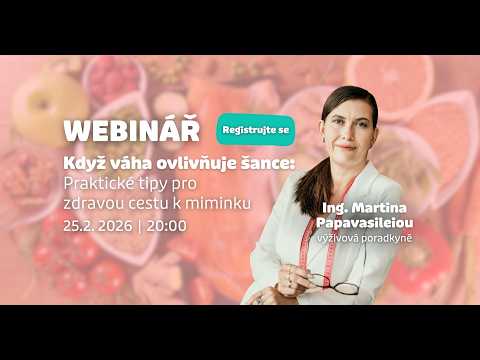
[00:55] Te? už k samotnému webiná?i, který má název „Když váha ovliv?uje šance: praktické tipy pro zdravou cestu k miminku“.
[01:05] Rozhodli jsme se ho za?adit, protože na klinice Europe IVF v??íme, že jenom pokud ?ešíme problém komplexn?, m?žeme našim klient?m pomoci.
[01:18] Proto vlastn? jsou sou?ástí týmu jak léka?i asistované reprodukce, tak i zkušení odborníci z jiných obor? – reproduk?ní imunologie, genetika, urologie, andrologie a práv? i výživové poradenství.
[01:38] A tím se dostávám k tomu nejd?ležit?jšímu: p?edstavení naší zkušené výživové poradkyn?, Ing. Martiny Papavasileiou.
[01:51] Hezký ve?er. Martina pro vás má krátkou prezentaci, kde shrne základní informace cenné nejen pro ty, kte?í plánují IVF, ale pro všechny, kdo se cht?jí postarat o své t?lo.
[02:19] Po prezentaci bude prostor na otázky. P?edávám slovo.
[02:37] Krásný ve?er ješt? jednou. Jmenuji se Martina Papavasileiou a jsem výživovou poradkyní již více než 10 let.
[03:04] Spojila jsem svou praxi s Europe IVF klinikou, protože v??ím v komplexní pé?i.
[04:20] Pracuji s klienty tak, že ud?láme rozbor na p?ístroji InBody, který ukáže p?esné rozložení t?la (tuk, svalovina, voda) a viscerální tuk.
[04:52] Viscerální tuk je tuk v oblasti b?íška, mezi orgány. S tímto zlým tukem je pot?eba pracovat prost?ednictvím správné výživy.
[05:42] Následn? rozebereme stravovací návyky, jídelní?ek a navrhneme zm?ny v p?íjmu makro a mikroživin.
[07:39] Pro? je výživa d?ležitá p?i po?etí a IVF? Správná strava a mikrobiom snižují zán?t v t?le, což umož?uje vst?ebávání vitamín? a podporuje hormonální rovnováhu.
[08:36] Podporuje kvalitu vají?ek u žen a spermií u muž?. Vají?ko je nejv?tší bu?ka v t?le a pot?ebuje obrovské množství energie z živin.
[09:12] Správná strava také stabilizuje energii a psychiku. Vychází to ze st?evní mikroflóry (osa st?evo-mozek).
[10:08] Co je to správná strava? Základem je vyvážený jídelní?ek: makroživiny (sacharidy, tuky, bílkoviny) a mikroživiny (vitamíny, minerály).
[11:00] Jídelní?ek se má skládat z ?erstvých a minimáln? zpracovaných potravin. ?ím mén? etiket a obal?, tím lépe.
[12:04] D?ležitý je dostatek ovoce a zeleniny (5 porcí denn?). Mnoho lidí to nedodržuje kv?li stresu a shonu.
[14:02] Naše t?lo je jako stroj; bez živin nem?že fungovat a nedovolí vznik nového života.
[15:49] Sacharidy a plodnost: Musí být kvalitní, aby držely stabilní hladinu cukru v krvi. Preferujeme celozrnné obiloviny, rýži, brambory a batáty.
[17:39] Bílkoviny a kvalita bun?k: Jsou zásadní pro regeneraci tkání a tvorbu hormon?. Je d?ležité hlídat jejich dostatek (vejce, ryby, lušt?niny).
[19:26] Tuky a hormonální rovnováha: Bez kvalitních tuk? nefunguje hormonální systém. Pot?ebujeme omega-3 mastné kyseliny (ryby, o?echy, semínka, olivový olej).
[23:34] St?evní mikrobiom a IVF: Mikrobiom ovliv?uje oplodn?ní, reguluje metabolismus estrogen?. Získáváme ho od maminky, ale vyvíjí se s naší stravou.
[25:56] Mikronutrienty d?ležité pro po?etí: Kyselina listová, železo, zinek, selen, vitamín D a B12. Vše stojí na základu pestré stravy.
[27:28] Pitný režim a životní styl: Kvalitní spánek, zvládání stresu, p?im??ený pohyb a dostatek vody.
[33:31] Otázky k PCOS: Co d?lat p?i syndromu polycystických vaje?ník?? Snižte p?íjem sacharid?, zvyšte p?íjem kvalitních bílkovin a tuk?. Stabilizujte inzulín.
[39:47] Obezita a návrat ovulace: Už 5 až 10 % ztráty hmotnosti m?že t?lu obrovsky podpo?it snahu o p?irozenou ovulaci. Ne extrémní diety, ale trvalá zm?na návyk?.
[45:26] Jak poznám, že t?lo není metabolicky v rovnováze? Signály jako nekvalitní ple?, špatné zažívání, únava a nedostatek ovulace.
[53:30] Jak dlouho p?ed IVF za?ít s úpravou stravy? Ideáln? 3 m?síce p?edem, protože to trvá, než bu?ky zregenerují a vají?ko dozraje.
[58:35] D?kujeme za pozornost a p?ejeme hezký zbytek ve?era.




.png)


.jpg)









Share this listing