
For patients traveling internationally for fertility care, the medical laboratory can seem like an intimidating, inaccessible environment. This brief footage breaks that barrier, offering a relatable glimpse into the daily reality of an embryology team.
Quick Takeaway: This behind-the-scenes clinic footage offers a lighthearted glimpse into the daily environment of an embryologist. While the interaction is comedic, it provides international patients with a valuable look at the essential, highly sterile equipment—such as stereo microscopes and micropipettes—used daily in in vitro fertilization (IVF) laboratories.
Visualizing the Clinical IVF Setting
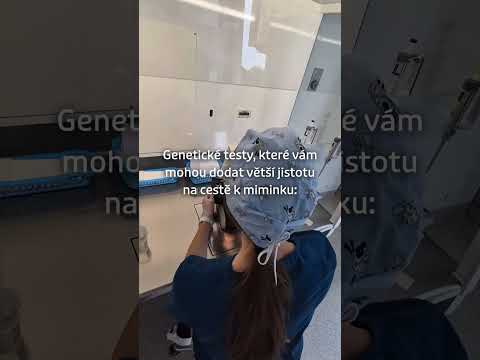
The footage provides an authentic window into a clinical laboratory setup. Based on the visible equipment and the technician's specialized surgical scrub cap—which features medical illustrations of oocytes, cleavage-stage cells, and blastocysts—the setting is definitively an in vitro fertilization (IVF) laboratory. Understanding the function of this environment helps demystify the critical work that takes place away from the main patient consultation rooms.
The "Observation" Phase (Stereo Microscopes)
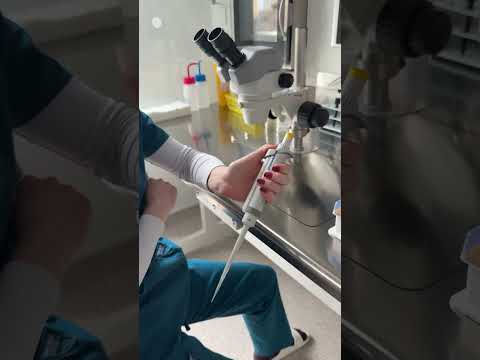
In the clip, the technician is seated at a stereo microscope. In a functioning IVF clinic, this equipment is fundamental for the macroscopic evaluation of retrieved eggs and the daily grading of embryo development. This specific type of magnification allows the embryologist to assess cellular integrity safely without exposing delicate samples to extended periods outside the incubator.
The "Transfer" Phase (Micropipettes)
The technician is seen handling a micropipette and a specialized glass dropper. These precision tools are required for manipulating microscopic cellular material, transferring exact volumes of culture media, and safely moving embryos between sterile petri dishes. Extreme accuracy and steady hands are paramount during these procedural steps.
- Laminar Flow Protection: The stainless-steel work surface indicates a laminar flow hood setup, which ensures that a continuous stream of highly filtered air protects biological samples from airborne contaminants.
- Specialized Attire: Complete scrub coverage, including surgical masks and caps, is mandatory to maintain the strict sterile boundaries required for cellular viability.
The Value of Clinic Culture in High-Stakes Environments
Medical laboratories are inherently high-pressure spaces where absolute adherence to protocol dictates clinical success. However, as demonstrated by the technician's humorous response in the footage, a positive workplace culture is equally important. Maintaining a supportive, lighthearted dynamic among medical staff helps reduce occupational fatigue and supports the sustained focus required for meticulous embryology procedures.
"No, I'm just a huge fan."
| Category / Observation | Clinical & Practical Reality |
|---|---|
| Sterile Operations | Strict laboratory protocols and highly specialized magnification equipment ensure the safety and viability of biological samples. |
| Workplace Culture | A positive team dynamic showcases the human side of medical staff, helping mitigate the stress of high-stakes fertility procedures. |
When evaluating international fertility clinics, patients should inquire not only about clinical success rates but also about the laboratory's technological capabilities, environmental air filtration standards, and the specialized expertise of the embryology team working behind the scenes.
Discuss Your Fertility Journey With a Specialist
Selecting the right IVF destination requires understanding both the medical expertise and the laboratory technology available. PlacidWay helps international patients navigate these crucial decisions by organizing clinical inquiries, facilitating diagnostic record reviews, and connecting you with qualified fertility teams equipped with advanced clinical laboratories.
Request Treatment ConsultationView English-Translated Video Transcript
0:00 — Excuse me, do you work here?
0:06 — No, I'm just a huge fan.

























Share this listing