
When traveling for medical treatment, the quality of the surgical procedure is only one part of the healthcare journey. The environment where a patient spends their immediate post-operative hours plays a critical role in early healing, pain management, and overall well-being.
Quick Takeaway: Hospital San José in Navojoa integrates clinical care with patient comfort by offering private suites equipped with modern entertainment, dedicated companion spaces, in-hospital physical rehabilitation, and holistic recovery services including clinical nutrition and psychological support.
- 0:00 - Facility Introduction: Prioritizing Comfort and Care
- 0:10 - Room Amenities: Connectivity and Entertainment Options
- 0:14 - Companion Accommodations: Rest Spaces for Loved Ones
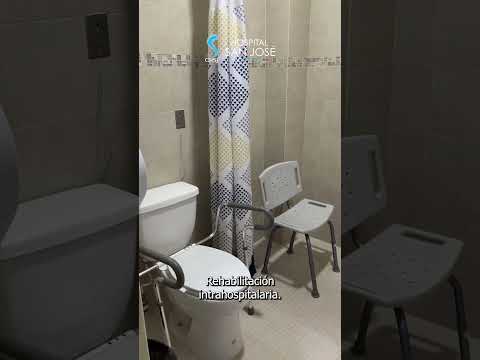
- 0:16 - Holistic Inpatient Care: Rehabilitation, Nutrition, and Psychology
- 0:23 - Accommodation Choices: Junior vs. Master Suites
The Physical Environment and Post-Operative Rest
The physical layout and atmosphere of a hospital room significantly influence the early stages of recovery. Following surgery, the body enters a state of heightened metabolic demand and stress as it begins repairing tissues, metabolizing anesthesia, and managing inflammation. An environment that feels clinical, noisy, or impersonal can inadvertently raise patient anxiety, which in turn can elevate cortisol levels and increase the subjective experience of pain.
Hospital San José emphasizes a "feel at home" philosophy, aiming to bridge the gap between necessary clinical monitoring and the warmth of a residential environment. By outfitting rooms with softer lighting, comfortable furnishings, and private bathrooms, the facility aims to reduce the institutional feel that often causes patient apprehension. A warmer aesthetic helps lower the emotional barriers to recovery, encouraging patients to relax fully while still remaining under continuous medical observation.
"Feel at home, because at Hospital San José, your recovery also deserves comfort and care."
Digital Connectivity and Managing Patient Anxiety
While medical equipment is the priority in any hospital room, modern patient care also recognizes the value of distraction and connectivity. The inclusion of high-speed Wi-Fi and streaming services like Netflix in the patient rooms serves a distinct practical purpose beyond simple luxury.
For medical tourists traveling to Navojoa, the immediate post-operative period can involve significant downtime. Being confined to a bed while managing post-surgical discomfort can lead to fixation on physical symptoms. Access to familiar entertainment provides a cognitive diversion, which is a recognized non-pharmacological strategy for managing mild anxiety and reducing pain perception. Furthermore, reliable internet access allows international patients to communicate seamlessly with family members back home, providing essential emotional reassurance and eliminating the stress of communication blackouts.
- Cognitive Diversion: Engaging with movies or television helps direct attention away from post-operative discomfort.
- Family Communication: Reliable Wi-Fi ensures patients can immediately update loved ones abroad following their procedure.
- Routine Normalcy: Access to familiar digital environments helps patients maintain a sense of their daily routine during recovery.
Accommodating the Unsung Hero: The Traveling Companion
When patients travel across borders for medical care, they rarely do so alone. A spouse, family member, or close friend usually accompanies them to assist with travel logistics, act as a patient advocate, and provide moral support. However, the physical toll on the companion is often overlooked in traditional healthcare settings. If a facility lacks proper accommodations, companions may be forced to sleep in waiting rooms or travel back and forth to off-site hotels, reducing their ability to rest and effectively support the patient.
Hospital San José integrates a dedicated, comfortable space for companions directly into the patient suites. This allows the primary support person to remain present in the room during overnight observation without sacrificing their own physical comfort. When companions are rested and present, patients report feeling safer, and nurses can communicate care instructions to both the patient and their advocate simultaneously.
| Care Aspect | Impact on the Patient | Impact on the Companion |
|---|---|---|
| In-Room Sofa/Bed | Reduces anxiety by ensuring their trusted support person is constantly nearby. | Eliminates the stress and cost of commuting to an external hotel during the immediate recovery phase. |
| Integrated Amenities | Allows the patient to rest uninterrupted while the companion remains occupied. | Provides space to manage work, personal communication, or rest without leaving the hospital environment. |
Fueling the Healing Process: The Value of Clinical Nutrition
Nutrition is frequently undervalued in the surgical recovery process, yet it is one of the most critical factors in physical healing. Surgery inherently causes trauma to the body's tissues, triggering an inflammatory response and significantly increasing the body's need for specific macronutrients and micronutrients to rebuild cells.
Rather than providing a generic hospital menu, the facility utilizes clinical nutritionists to prescribe personalized diets. A personalized diet considers the specific type of surgery the patient underwent, their baseline metabolic health, any existing comorbidities (such as diabetes or hypertension), and their immediate digestive capacity post-anesthesia.
For example, patients recovering from bariatric surgery require highly specific, phased liquid diets to protect their altered gastrointestinal tract. Orthopedic patients require elevated protein intake to support muscle repair and bone integration. By managing these nutritional requirements clinically, the facility supports optimal wound healing, helps stabilize blood sugar levels, and minimizes the risk of post-operative nausea or gastrointestinal distress.
When evaluating a medical tourism destination, inquire about post-operative meal planning. Facilities that utilize specialized clinical nutritionists are better equipped to handle dietary modifications required for complex procedures, reducing the burden on the patient to manage their own therapeutic diet.
Addressing the Mind: Psychological Support During Inpatient Care
The physical trauma of surgery, combined with the lingering effects of anesthesia and the reality of being far from home, can create a temporary but profound emotional vulnerability in patients. It is not uncommon for individuals to experience what is colloquially known as the "post-op blues"—a period of sudden sadness, regret, or anxiety that occurs in the days immediately following a significant medical procedure.
Hospital San José addresses this reality by integrating psychological attention into the inpatient stay. Having a mental health professional available allows patients to process their immediate emotional reactions in a safe, structured manner. This support is particularly beneficial for bariatric patients undergoing massive lifestyle changes, cosmetic patients managing the initial shock of surgical swelling, or orthopedic patients facing a frustrating physical rehabilitation journey. By validating these emotional responses and offering coping strategies, the facility treats the whole patient, not just the surgical site.
Focuses on vital sign monitoring, pain management, and recovering from anesthesia in a secure, calm environment.
Transitioning to specialized clinical diets to fuel tissue repair, accompanied by psychological check-ins to manage emotional stress.
Beginning guided physical rehabilitation within the hospital setting to promote blood flow and prepare the patient for safe discharge.
Getting Moving: Physical Rehabilitation Before Discharge
In-hospital physical rehabilitation is a cornerstone of modern post-operative care protocols. While prolonged bed rest was once the standard, current medical guidelines strongly emphasize early mobilization. Moving the body soon after surgery—even if it is just transitioning from the bed to a chair or taking short, guided walks down the hallway—is critical for preventing deep vein thrombosis (blood clots), improving respiratory function, and stimulating digestion.
By offering rehabilitation services directly within the hospital environment, therapists can safely guide patients through their first post-surgical movements. They teach patients how to navigate their temporary physical limitations, how to use assistive devices properly, and how to perform crucial respiratory exercises. This hands-on guidance builds physical confidence, ensuring that when the patient is finally discharged to return to their home country or step-down accommodation, they possess the practical skills needed to move safely.
Evaluating Room Types for Your Specific Journey
Recognizing that medical journeys vary greatly in length and complexity, Hospital San José offers both Junior and Master Suites. The choice of accommodation should be driven by the specific needs of the patient's procedure, the size of their travel party, and the expected duration of their inpatient recovery.
For minor, minimally invasive procedures requiring only a brief overnight observation, a standard or Junior suite provides all the necessary clinical infrastructure, comfort, and digital amenities without unnecessary excess. Conversely, for major interventions—such as extensive joint replacements or complex reconstructive surgeries—where the patient may remain hospitalized for several days, a Master Suite offers expanded physical space. This additional space is vital not only for the psychological comfort of long-term confinement but also to provide ample room for physical therapists to conduct in-room rehabilitation exercises comfortably and safely.
- Space for Medical Equipment: Larger suites easily accommodate IV poles, mobility aids, and specialized monitoring devices without crowding the patient.
- Mobility Practice: Expanded floor plans allow orthopedic and post-surgical patients to practice safe walking inside the privacy of their own room.
- Companion Comfort: Longer stays require more robust living arrangements for family members, ensuring they can sustainably support the patient over multiple days.
Ultimately, a successful medical journey combines strict clinical standards with an acute understanding of human needs. Facilities that invest in holistic support frameworks—balancing advanced medical monitoring with nutrition, psychological care, and thoughtfully designed physical spaces—help transform what is inherently a stressful event into a manageable, structured path toward healing.
Review Your Inpatient Recovery Options
Understanding the facility environment and the holistic care services available is an important step in planning your medical travel. PlacidWay helps coordinate your inquiries, organize clinical records for review, and connect you directly with healthcare resources so you can evaluate facility options and make informed decisions about your care.
Request Facility & Treatment InformationVideo Transcript (English Translation)
0:00 - Feel at home, because at Hospital San José, your recovery also deserves comfort and care.
0:05 - Our rooms are designed to offer you a warm, safe, and comfortable experience.
0:10 - With services like Wi-Fi and access to Netflix.
0:14 - A comfortable space for your companion.
0:16 - In-hospital rehabilitation.
0:18 - Personalized diet by a clinical nutritionist.
0:21 - Psychological attention during your stay.
0:23 - Junior and master suites according to your needs.
0:27 - Advanced medicine for life, Hospital San José.
0:30 - Medical quality and a human touch.
0:32 - For more information, www.chsj.mx.



















Share this listing