


Navigating the complexities of maternal-fetal medicine requires unparalleled expertise, making advanced high-risk pregnancy care in Turkey an increasingly sought-after medical service. Expectant mothers facing unique health challenges need specialized attention that goes beyond routine obstetrics. A dedicated perinatology specialist in Turkey offers comprehensive diagnostic and therapeutic interventions tailored to safeguard both maternal and fetal well-being. By leveraging state-of-the-art medical technology and decades of specialized training, these medical professionals manage complex pregnancies with remarkable precision.
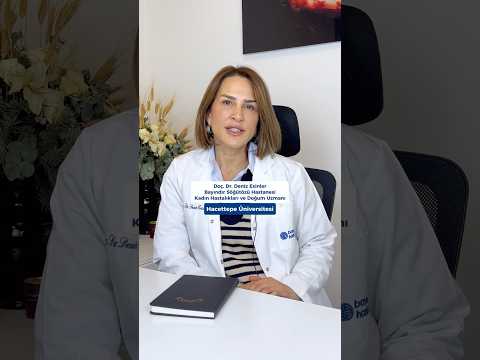
Expert perinatologists, such as those trained at prestigious institutions like Hacettepe University Faculty of Medicine, bring a wealth of knowledge to the field of high-risk obstetrics. Their rigorous background encompasses specialized training in managing pre-existing maternal chronic internal diseases and performing intricate fetal diagnostic procedures. Securing care from a seasoned specialist ensures that every phase of pregnancy, from pre-conception planning to delivery, is closely monitored. This elevated level of medical oversight significantly reduces potential complications and fosters optimal health outcomes for both the mother and the developing baby.
Video Chapters
- The Role of a Perinatology Specialist
- Pre-Pregnancy Counseling for High-Risk Mothers
- Managing Pre-Existing Maternal Chronic Diseases
- Addressing Diseases Emerging During Pregnancy
- Detailed Fetal Ultrasonography and Diagnosis
- Advanced Fetal Diagnosis and Treatment
- Specialized Interventional Procedures in Perinatology
- Why Choose Turkey for Maternal-Fetal Medicine
The Critical Role of a Perinatology Specialist in Turkey
A perinatologist, often referred to as a maternal-fetal medicine specialist, is an obstetrician with advanced fellowship training in managing complex health concerns during pregnancy. As highlighted at [00:00], extensive academic backgrounds from institutions like Hacettepe University form the bedrock of this medical expertise. These specialists are uniquely qualified to care for women who have chronic medical conditions or who develop unexpected complications during gestation. Their comprehensive medical training allows them to foresee potential risks and implement proactive treatment plans effectively.
The journey to becoming a specialized perinatologist involves rigorous academic and clinical milestones. After completing a primary medical degree and an intensive residency in obstetrics and gynecology, physicians undertake an additional sub-specialty focusing exclusively on high-risk maternal and fetal care. This extensive educational pathway, mentioned around [00:10], equips them with the profound clinical acumen necessary to handle life-threatening scenarios. They serve as primary caregivers or vital consultants alongside routine obstetricians to ensure maximum safety protocols are maintained.
Understanding the distinction between routine obstetric care and perinatology is vital for expectant mothers facing health uncertainties. While general obstetricians provide excellent care for standard, low-risk pregnancies, maternal-fetal medicine specialists step in when complications arise. They utilize advanced diagnostic equipment and interpret complex clinical data to navigate high-risk scenarios safely. This collaborative approach guarantees that high-risk mothers receive a tailored, multidisciplinary standard of care throughout their pregnancy journey.
Strategic Pre-Pregnancy Counseling for High-Risk Mothers
One of the most proactive steps a woman can take when planning a family is to undergo comprehensive pre-pregnancy counseling for high-risk mothers. As noted at [00:25], this crucial medical consultation allows perinatologists to assess potential genetic, medical, and environmental risks long before conception occurs. Through detailed medical history reviews and targeted genetic screenings, physicians can identify underlying conditions that might complicate a future pregnancy. Establishing a baseline of health prior to conception drastically improves the likelihood of a complication-free gestation.
During these specialized counseling sessions, expectant mothers receive personalized guidance on optimizing their physical health and adjusting current medication regimens. Many standard medications used for chronic illnesses can be teratogenic, meaning they have the potential to cause fetal anomalies. A skilled perinatology specialist in Turkey will carefully transition the patient to safer, pregnancy-compatible pharmaceutical alternatives. Additionally, they will recommend specific lifestyle modifications, such as targeted nutritional supplementation and weight management strategies.
Pre-pregnancy counseling is particularly critical for women who have experienced adverse outcomes in previous pregnancies, such as recurrent miscarriages or severe preeclampsia. By deeply analyzing past obstetrical history, the specialist can formulate a preventive strategy tailored to the patient's unique biological makeup. This forward-thinking approach mitigates recurring risks and provides couples with a profound sense of psychological reassurance as they embark on their pregnancy journey.
Expert Management of Pre-Existing Maternal Chronic Diseases
When a woman enters pregnancy with a pre-existing medical condition, the situation demands rigorous oversight from a maternal-fetal medicine expert. As discussed around [00:30], managing maternal chronic internal diseases before conception and throughout the gestational period is a cornerstone of high-risk pregnancy care. Conditions such as Type 1 or Type 2 diabetes, chronic hypertension, and systemic lupus erythematosus require constant, meticulous monitoring. Failure to control these underlying diseases can lead to severe fetal growth restrictions or life-threatening maternal emergencies.
Diabetes mellitus is one of the most common chronic conditions requiring specialized perinatology care. Uncontrolled blood sugar levels during the early stages of fetal development significantly increase the risk of congenital cardiac anomalies and neural tube defects. A dedicated perinatologist collaborates closely with endocrinologists to formulate strict glycemic control protocols tailored for the pregnant patient. Continuous glucose monitoring and specialized dietary regimens are implemented to maintain a stable intrauterine environment for the developing baby.
Chronic hypertension also poses a formidable challenge, often predisposing mothers to superimposed preeclampsia and premature placental abruption. Medical management involves precise blood pressure regulation using antihypertensive medications that are strictly proven safe for fetal development. Regular assessments of fetal growth via advanced ultrasound techniques ensure that the baby is receiving adequate blood flow and essential nutrients through the placenta. Through vigilant medical surveillance, specialists can successfully guide hypertensive mothers to a safe and healthy delivery.
Addressing Diseases Emerging During Pregnancy
Even mothers who begin their pregnancy in perfect health can suddenly develop severe medical conditions as their gestation progresses. Addressing diseases emerging during pregnancy is a critical function of advanced high-risk pregnancy care in Turkey. Gestational diabetes, a form of glucose intolerance that originates during pregnancy, affects a significant percentage of expectant mothers worldwide. If left unmanaged, it can lead to fetal macrosomia, complicating the delivery process and increasing the likelihood of birth injuries.
Another severe condition that can emerge in the latter half of pregnancy is preeclampsia, characterized by a sudden spike in blood pressure and organ damage. The rapid onset of preeclampsia necessitates immediate intervention by a highly trained perinatologist to prevent progression to eclampsia or HELLP syndrome. Monitoring maternal kidney and liver function, alongside continuous fetal heart rate assessments, becomes a daily priority in these volatile clinical scenarios. The ultimate cure for severe preeclampsia is delivery, requiring the specialist to delicately balance maternal safety with the risks of premature birth.
Intrahepatic cholestasis of pregnancy is another pregnancy-specific liver disorder that triggers severe maternal itching and poses severe risks to the fetus. Elevated bile acids in the maternal bloodstream can cross the placenta, potentially causing sudden fetal distress or unexpected stillbirth. Perinatologists manage this precarious condition through targeted pharmacological treatments to reduce bile acid levels and intensive fetal monitoring. Strategic timing of the delivery is carefully calculated to protect the baby while minimizing the duration of maternal discomfort.
- Gestational Diabetes: Requires customized nutritional planning, glucose monitoring, and sometimes insulin therapy to prevent abnormal fetal growth.
- Preeclampsia: Demands strict blood pressure management, frequent laboratory testing, and advanced fetal blood flow assessments.
- Placental Abnormalities: Conditions like placenta previa require specialized ultrasound mapping and carefully planned surgical deliveries.
- Intrahepatic Cholestasis: Involves aggressive medication management to lower bile acids and prevent sudden fetal complications.
Precision Diagnostics: Detailed Fetal Ultrasonography in Turkey
The cornerstone of modern maternal-fetal medicine is the utilization of high-resolution imaging technology to assess fetal development comprehensively. Detailed fetal ultrasonography, prominently mentioned at [00:35], is a critical diagnostic tool utilized by perinatology specialists. Typically performed between the 18th and 22nd weeks of gestation, this comprehensive anomaly scan provides a meticulous evaluation of the fetal anatomy. Highly trained specialists examine the intricate structures of the fetal brain, heart, spine, and internal organs to rule out congenital malformations.
Fetal echocardiography is a vital subset of this detailed anatomical assessment, focusing specifically on the structural integrity of the fetal heart. Given that congenital heart defects are among the most common major birth defects, obtaining a clear four-chamber view and analyzing the outflow tracts is imperative. If a structural cardiac anomaly is detected, the perinatologist will coordinate with a pediatric cardiologist to develop a comprehensive postnatal treatment plan. This level of prenatal diagnostic precision ensures that the necessary medical teams are fully prepared at the time of delivery.
Beyond structural assessments, detailed ultrasonography is essential for monitoring fetal growth trajectories and assessing the placental environment. Doppler ultrasound technology measures the blood flow through the umbilical artery and the middle cerebral artery of the fetus. These vascular measurements provide critical insights into fetal oxygenation and are crucial for detecting intrauterine growth restriction (IUGR). By identifying compromised blood flow early, the specialist can intervene promptly, ensuring the baby receives the necessary support to thrive.
Advanced Fetal Diagnosis and Treatment Procedures
When routine screening tests indicate a high risk for chromosomal abnormalities or genetic disorders, advanced fetal diagnosis and treatment procedures become necessary. Non-Invasive Prenatal Testing (NIPT) has revolutionized the field by analyzing cell-free fetal DNA circulating in the maternal bloodstream. However, when NIPT results are atypical, or structural anomalies are found on ultrasound, invasive diagnostic testing provides definitive answers. Procedures such as amniocentesis and chorionic villus sampling (CVS) are routinely performed by perinatology specialists under precise ultrasound guidance.
Amniocentesis involves the extraction of a small amount of amniotic fluid, which contains shed fetal cells that can be analyzed for karyotype abnormalities. This procedure is generally performed in the second trimester and carries a minimal risk when executed by an experienced maternal-fetal medicine specialist. Chorionic villus sampling, on the other hand, can be performed earlier in the first trimester by sampling placental tissue. Both of these advanced diagnostic techniques are indispensable for confirming diagnoses of Down syndrome, cystic fibrosis, and other severe genetic conditions.
In addition to genetic diagnostics, advanced fetal treatment encompasses direct medical interventions administered to the fetus while still inside the womb. For instance, if a fetus is diagnosed with severe anemia due to Rh incompatibility, a perinatologist can perform an intrauterine blood transfusion. This lifesaving procedure involves navigating a fine needle through the maternal abdomen directly into the fetal umbilical cord. Such highly specialized interventions highlight the incredible capabilities of modern perinatology in treating the fetus as an independent patient.
| Diagnostic Procedure | Optimal Timing | Primary Medical Purpose |
|---|---|---|
| Nuchal Translucency Scan | 11 - 14 Weeks | Early screening for chromosomal abnormalities. |
| Chorionic Villus Sampling (CVS) | 10 - 13 Weeks | Early definitive genetic and chromosomal diagnosis. |
| Amniocentesis | 15 - 20 Weeks | Definitive genetic testing and neural tube defect screening. |
| Detailed Anomaly Scan | 18 - 22 Weeks | Comprehensive structural and anatomical fetal evaluation. |
Specialized Interventional Procedures in Perinatology
The field of maternal-fetal medicine is constantly evolving, with specialized interventional procedures in perinatology pushing the boundaries of what is medically possible. Fetoscopy is a minimally invasive surgical technique that allows specialists to visualize and treat the fetus directly within the amniotic cavity. This advanced procedure is heavily utilized in the treatment of Twin-to-Twin Transfusion Syndrome (TTTS), a severe complication occurring in identical twin pregnancies sharing a single placenta. During a fetoscopic laser ablation, the abnormal placental blood vessels connecting the twins are carefully sealed using laser energy.
Another highly complex interventional procedure is the placement of fetal shunts to relieve life-threatening fluid accumulations. In cases where a fetus develops lower urinary tract obstruction or severe pleural effusions, massive fluid build-up can compress developing organs and cause heart failure. A perinatologist can deploy a tiny catheter through the maternal abdomen to drain this excess fluid directly into the amniotic sac. This crucial decompression allows the fetal lungs and kidneys to continue developing normally throughout the remainder of the gestation.
The successful execution of these intricate interventions requires an exceptionally high level of technical skill and specialized training. Physicians who dedicate their careers to high-risk pregnancy care undergo years of simulated and hands-on surgical training to master these techniques. The availability of such cutting-edge fetal therapies underscores the immense value of consulting a highly qualified maternal-fetal medicine specialist. Expectant mothers can find immense relief knowing that robust, life-saving options are available even in the face of profound fetal complications.
Why Choose a Specialist for High-Risk Pregnancy Care in Turkey?
Turkey has rapidly emerged as a global hub for advanced medical treatments, particularly in the realm of specialized maternal-fetal medicine. The integration of modern healthcare infrastructure and internationally trained medical professionals makes high-risk pregnancy care in Turkey highly competitive on a global scale. Specialists working in top-tier medical facilities are equipped with the latest 3D and 4D ultrasonography technology, ensuring the highest level of diagnostic accuracy. This commitment to medical excellence attracts expectant mothers from across the globe seeking unparalleled clinical expertise.
Furthermore, the multidisciplinary approach adopted by Turkish healthcare institutions guarantees that pregnant patients receive holistic medical care. A perinatology specialist in Turkey rarely works in isolation; they continuously collaborate with neonatal intensive care units (NICU), pediatric surgeons, and genetic counselors. This seamless integration of medical disciplines ensures that comprehensive care pathways are established long before the day of delivery. Should a newborn require immediate surgical intervention or critical care, the specialized teams are already mobilized and prepared.
Choosing to undergo complex pregnancy management in Turkey also offers a highly compassionate and patient-centric healthcare experience. Medical professionals understand the profound emotional toll that a high-risk pregnancy diagnosis can place on expectant parents. Through dedicated psychological support, transparent communication, and meticulous clinical care, specialists strive to alleviate parental anxiety. This harmonious blend of cutting-edge clinical precision and empathetic patient care solidifies Turkey’s reputation as a premier destination for complex perinatology services.
Secure Your High-Risk Pregnancy Care Today
Don't leave your maternal and fetal health to chance. Connect with top-tier perinatology specialists for advanced diagnostic and therapeutic care. Take the first step towards a safer pregnancy journey.
Get Free QuoteView Full Video Transcript
[00:00] Merhaba, ben Doktor Deniz Esinler.
[00:02] 2002 y?l? Hacettepe Üniversitesi T?p Fakültesi mezunuyum.
[00:06] ?htisas?m? 2008 y?l?nda Hacettepe Üniversitesi T?p Fakültesi Kad?n Hastal?klar? ve Do?um Anabilim Dal?'nda tamamlad?m.
[00:11] Sonras?nda perinatoloji yani riskli gebelik yandal?m? Etlik Zübeyde Han?m E?itim ve Ara?t?rma Hastanesi'nde tamamlad?m.
[00:18] 10 y?ld?r perinatoloji ile ilgileniyorum.
[00:20] Gebelik öncesi dan??manl?k, gebelikten önce mevcut olan maternal kronik dahili hastal?klar,
[00:26] gebelikte ortaya ç?km?? maternal hastal?klar, detayl? ultrasonografi,
[00:30] her türlü fetal tan? ve tedavi, giri?imsel i?lemler ilgi alanlar?m.
[00:34] Hepinize sa?l?kl? günler dilerim.









.jpg)









Share this listing