
Pursuing comprehensive IVF and fertility treatment in the United States requires navigating a highly specialized field of medicine where clinical precision meets deep emotional support. The path to building a family through assisted reproductive technology involves analyzing complex medical histories, selecting the right clinical environment, and managing the psychological weight of infertility. Modern fertility practices prioritize customized care models designed around individual biological markers rather than applying a universal standard to every patient.
Patients seeking reproductive interventions demand environments that integrate sophisticated embryology laboratory technology with profound emotional intelligence. Specialized fertility centers operate on the principle that exceptional clinical outcomes rely heavily on trusting, transparent patient-doctor relationships. Understanding the underlying factors of specific fertility challenges allows medical teams to construct targeted therapeutic pathways. Advanced reproductive methodologies now incorporate precise hormonal modulation, progressive embryology techniques, and individualized educational frameworks to guide patients through every phase of their treatment securely.
Video Chapters
- Establishing Advanced Infertility Clinics in California
- The Specialized Role of a Reproductive Endocrinologist
- Addressing the Psychological Vulnerability of Patients
- Comprehensive Diagnostic Evaluations for Fertility Issues
- Strategies for Maximizing Embryo Quality and Outcomes
- Overcoming Clinical Anxiety During Patient Onboarding
- Navigating Complex and Invasive Fertility Procedures
- Clinical Expertise in Customizing Patient Care Plans
Establishing Advanced Infertility Clinics in California
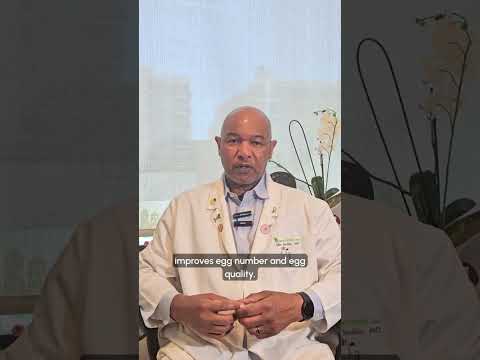
Creating an accessible network for complex reproductive care is a logistical necessity for modern medical practices. Dr. Collin Smikle, the Medical Director, highlights his involvement in founding Laurel Fertility Care in 2005 [00:08]. The strategic placement of clinic locations plays a major role in how successfully patients can complete demanding treatment cycles.
Operating a primary office in San Francisco, alongside satellite locations in Modesto and Fresno, fundamentally transforms patient access to care. Fertility treatments require frequent clinical monitoring, often necessitating daily blood draws and transvaginal ultrasounds during the critical ovarian stimulation phase. When patients have localized access to these diagnostic services, adherence to strict timing protocols becomes significantly more manageable.
Regional Accessibility for Reproductive Care
Reducing geographical barriers directly impacts the physical exhaustion associated with IVF and fertility treatment in the United States. Patients undergoing highly sensitive gonadotropin therapies cannot afford delays caused by extensive travel times to major metropolitan medical hubs. Maintaining regional facilities ensures that individuals residing outside major city centers still receive exceptional, uninterrupted medical supervision.
The Specialized Role of a Reproductive Endocrinologist
The specialized care delivered by a reproductive endocrinologist involves deep expertise in female reproductive tract physiology and hormonal function. Dr. Geraldine Ekpo, a practicing physician at the clinic, outlines her transition to the team [00:23]. Her decision to shift from a high-volume corporate environment highlights a growing clinical preference for direct, individualized patient oversight.
Large-scale fertility practices often fall into an assembly-line methodology due to overwhelming patient loads. In those settings, individuals might interact with a different doctor during each visit, leading to fragmented communication and reactive medical adjustments. Recognizing this limitation drives dedicated specialists to seek environments where they can maintain continuity of care from the initial consultation straight through to the embryo transfer stage.
Moving Beyond Assembly Line Fertility Treatment
Personalized reproductive care guarantees that clinical decisions are strictly based on real-time biological responses rather than generic, pre-set timelines. When a single physician tracks a patient's follicular development, they can detect subtle nuances in hormonal fluctuations immediately. This highly customized approach directly supports better physiological responses and mitigates the risk of conditions like ovarian hyperstimulation syndrome (OHSS).
- Consistent Medical Oversight: One primary physician manages all diagnostic interpretations and medication adjustments.
- Adaptive Treatment Timelines: Protocols shift instantly based on individual daily ultrasound and bloodwork results.
- Comprehensive Patient Communication: Direct access eliminates miscommunications common in multi-doctor rotations.
Addressing the Psychological Vulnerability of Patients
Medical treatments involving fertility are inherently tied to deep emotional and psychological experiences. The clinical approach must look well beyond the strict confines of a medical diagnosis to treat the person holistically [00:56]. Infertility often brings feelings of profound frustration, sadness, and vulnerability that can overshadow the medical process itself.
Acknowledging these emotional burdens is a critical component of effective reproductive healthcare. Cortisol and stress levels can impact the subjective experience of treatment, making compassionate care an absolute necessity. A supportive clinical environment actively works to validate these complex feelings rather than dismissing them in favor of clinical efficiency.
Treating the Individual Beyond the Clinical Diagnosis
When individuals make the difficult decision to schedule a fertility consultation, they are often facing years of silent struggle. Providers who actively treat the emotions and the frustrations alongside the physical symptoms create a vastly superior healthcare experience. Empathy in the examination room builds the necessary trust required for patients to endure the demanding physical requirements of advanced fertility procedures.
Comprehensive Diagnostic Evaluations for Fertility Issues
Structuring an effective treatment plan requires a meticulous analysis of numerous physiological and historical variables. Medical teams utilize a combination of immediate diagnostic testing and comprehensive patient histories to formulate precise strategies [01:13]. Relying solely on standard blood panels is insufficient for resolving complex infertility cases.
A thorough investigation incorporates deep dives into genetic backgrounds, previous reproductive outcomes, and lifestyle factors. Evaluating past pregnancies, miscarriages, or failed fertility cycles provides physicians with invaluable clues about underlying cellular or anatomical barriers. This holistic data collection informs whether a patient requires minimally invasive therapies like intrauterine insemination (IUI) or highly complex in vitro fertilization (IVF) protocols.
Analyzing Reproductive and Family Medical History
Tailoring the treatment plan directly relates to a person's biological capability to conceive later in the process. Advanced diagnostics map out the precise nature of the reproductive barrier, ensuring no time or resources are wasted on ineffective interventions. Mapping both male and female factors ensures the entire reproductive equation is balanced before initiating any physical treatments.
| Diagnostic Focus | Common Tests Administered | Clinical Purpose |
|---|---|---|
| Ovarian Reserve | AMH, FSH, Antral Follicle Count | Determines remaining egg supply and medication dosage requirements. |
| Uterine Anatomy | Saline Sonogram (SIS), HSG | Identifies fibroids, polyps, or blocked fallopian tubes preventing implantation. |
| Male Factor | Semen Analysis, DNA Fragmentation | Evaluates sperm count, motility, and structural integrity for fertilization. |
Strategies for Maximizing Embryo Quality and Outcomes
The ultimate goal of any rigorous fertility cycle is producing the healthiest possible embryos for a successful pregnancy. Creating a supportive internal environment and meticulously managing the treatment plan are primary methods for maximizing embryo development [01:30]. Every retrieved egg undergoes a stringent evaluation process within the embryology laboratory to determine its viability.
Advanced techniques such as Intracytoplasmic Sperm Injection (ICSI) forcefully bridge the gap in severe male infertility cases by directly inserting a single sperm into an egg. The laboratory environment itself acts as a surrogate reproductive system, requiring pristine air quality, exact temperature controls, and specialized culture media. These technical elements directly govern how well a fertilized zygote transitions into a robust blastocyst capable of implantation.
Advanced Embryology and Laboratory Standards
Maximizing the number of healthy choices involves pushing embryos to the Day 5 or Day 6 blastocyst stage for accurate evaluation. Preimplantation Genetic Testing (PGT-A) further refines this process by screening embryos for chromosomal abnormalities before they are ever transferred to the uterus. Providing patients with an abundance of viable, genetically normal embryos drastically increases cumulative success rates.
- Blastocyst Culturing: Allowing embryos to mature in the lab for five days helps isolate the most robust candidates for transfer.
- Genetic Screening (PGT-A): Identifying euploid embryos minimizes the risk of early miscarriage and implantation failure.
- Vitrification Technology: Flash-freezing excess embryos preserves them safely for future family-building efforts.
Overcoming Clinical Anxiety During Patient Onboarding
Walking through the doors of a fertility clinic generates intense anxiety for nearly every new patient. Making the initial decision to seek clinical help triggers feelings of failure, apprehension, and fear of the unknown medical road ahead [01:48]. Medical professionals must proactively dismantle this anxiety at the front desk before the first clinical consultation even begins.
The sheer volume of new information—ranging from complex injection schedules to intricate financial planning—can easily overwhelm couples. Dedicated nursing staff play a monumental role in this phase, acting as educators and emotional anchors. Offering personalized, one-on-one teaching sessions ensures that patients never feel abandoned while administering their medications at home.
Creating a Supportive Healthcare Environment
Patients who receive uninterrupted access to their dedicated medical team experience significantly lower attrition rates during stressful protocols. Knowing they can reach out to a specific nurse or physician at any time of the day fosters deep psychological security. This welcoming, highly accessible framework completely transforms an intimidating medical setting into a sanctuary for reproductive healing.
Navigating Complex and Invasive Fertility Procedures
Committing to advanced reproductive assistance is universally recognized as a profoundly difficult life decision. Many individuals enter the clinical space feeling unsure about their willingness to undergo demanding physical procedures [02:18]. The processes required to achieve conception artificially are highly invasive, demanding tremendous physical and emotional stamina.
An IVF cycle involves weeks of self-administered subcutaneous hormone injections, followed by a surgical egg retrieval procedure performed under conscious sedation. The physical toll includes severe bloating, fatigue, and hormonal fluctuations that temporarily alter daily life. Recognizing these immense demands, medical professionals bear the responsibility of thoroughly educating patients on every single physical risk and anticipated outcome.
Providing Extensive Education for Difficult Medical Decisions
Empowering individuals through transparent medical education allows them to consent to invasive treatments with absolute confidence. Providers meticulously explain the physiological mechanics of ovarian stimulation and the surgical precision of embryo transfers. Respecting a patient's boundary, even if they choose to halt treatment, remains a foundational ethic of compassionate fertility care.
Clinical Expertise in Customizing Patient Care Plans
The duration and depth of a clinic’s practical experience directly correlate with their success rates in handling complicated reproductive cases. Patients frequently inquire about clinical size and historical performance to gauge their likelihood of achieving a healthy pregnancy [02:46]. Extensive institutional knowledge allows medical directors to pivot quickly when standard protocols fail to yield expected results.
Managing the intricacies of poor ovarian response, recurrent implantation failure, or severe endometriosis demands highly refined expertise. Specialized teams continually evaluate biological feedback loops, constantly tweaking medication dosages to optimize the internal uterine lining and follicle growth. This relentless dedication to micro-adjustments defines the upper echelon of modern reproductive medicine.
Continuous Evaluation for Optimal Reproductive Success
A customized plan guarantees that patients receive the absolute best opportunity to conceive, regardless of the unique physiological challenges they present. The fusion of seasoned surgical experience, state-of-the-art laboratory practices, and individualized medication protocols yields exceptional results. Ultimately, a dynamic, expert-led approach turns the incredibly complex science of human reproduction into a manageable, successful reality for hopeful families.
Take the First Step Toward Building Your Family
Connect with top-rated reproductive specialists for a comprehensive evaluation. Discover how a highly customized IVF and fertility treatment plan can help you overcome reproductive challenges.
Get Free QuoteView Full Video Transcript
[00:00] [Visual Intro]
[00:08] I'm Dr. Collin Smikle, I'm the Medical Director of Laurel Fertility. We founded Laurel Fertility in 2005 and we have a total of three locations, one in Modesto, another in Fresno, and our main office here in San Francisco.
[00:23] My name is Geraldine Ekpo. I am a reproductive endocrinologist here at Laurel Fertility Care and I have been here for about 3 years.
[00:31] So I joined Laurel Fertility 3 years ago after training in a large practice. So I got to work at a practice where there were multiple doctors and it had a bit of an assembly line feel.
[00:44] And I decided that I wanted to join a practice that allowed me to provide individual personalized care. And Laurel Fertility Care definitely takes personalized care to another level.
[00:56] At Laurel Fertility Care we try to think of a patient as a human. We try to look beyond just the disease or the diagnosis. We treat the emotions, the frustrations, the vulnerability that comes with making an appointment to come to see us.
[01:13] What we do is we use all those factors including their history, their family history, their reproductive history, into tailoring that plan.
[01:23] One thing that actually comes about is that how does that then relate to that person's ability to conceive later.
[01:30] One of the things we found is that in having a supportive environment, managing their treatment plan and managing the ways that they can actually do to maximize the number of embryos, the number of choices.
[01:40] That often is one of the best things that we can do to allow them to be successful here where they may not be successful elsewhere.
[01:48] When patients come to Laurel Fertility Care or make that decision to make an appointment, there's a lot of anxiety, there's a lot of frustration, and we're here, we understand that vulnerability.
[01:59] So when they walk in, we want to make them feel welcome.
[02:03] And at Laurel Fertility Care, you have the opportunity to work with one doctor, with one nurse. You have personalized teaching, personalized care, you can reach anybody at any time of the day.
[02:13] And we see you for who you are beyond just a patient.
[02:18] Having a family is a difficult decision. Many patients feel either uncomfortable or unsure with that decision especially when it involves going through invasive treatment processes in order to conceive.
[02:33] Many will choose not to pursue treatment. One of the things that we do is to offer as much information so they can be informed about these decisions and feel comfortable with their choices in terms of what to do.
[02:46] Oftentimes a patient may ask, what does size or what does experience have to do with the practice.
[02:53] We've been doing this for quite some time and we've developed the expertise in caring for, managing, evaluating each patient, each individual, customizing a plan that allows them the best opportunity regardless of their challenges.
[03:07] [Visual Outro with Contact Info]
.jpg)


-Package-(1).png)


.png)
.png)
.png)
.png)


.jpg)
.jpg)
.jpg)









Share this listing