


Living with severe autoimmune skin conditions often feels like a never-ending battle against your own immune system. For decades, patients have been forced to rely on harsh systemic drugs, searching endlessly for viable alternatives to manage chronic flare-ups. Advanced regenerative medicine is completely changing the landscape of dermatological care. Pursuing stem cell therapy for atopic dermatitis in Mexico has emerged as a groundbreaking alternative for individuals who have exhausted conventional medical routes.
This innovative cellular approach targets the underlying root causes of autoimmune inflammation rather than merely masking superficial symptoms. Medical tourists are discovering how specialized cellular treatments offer profound healing capabilities. Patients can finally overcome debilitating topical steroid withdrawal, regain their physical independence, and achieve long-lasting symptomatic relief through targeted regenerative medicine protocols.
Video Chapters & Quick Navigation
The Relentless Burden of Severe Atopic Dermatitis
Atopic dermatitis is far more complex than simple dry skin; it is a profound immunological disorder that deeply affects a patient's overall quality of life. The condition is characterized by a malfunctioning skin barrier and a hyperactive immune response that attacks healthy dermal tissue. Patients experience chronic, unbearable pruritus (itching) that often leads to severe sleep deprivation and psychological distress.
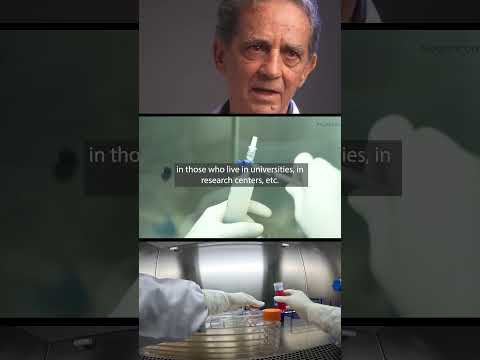
For many individuals, the disease manifests early in childhood and aggressively persists into adulthood. As noted at [00:06], patients can suffer from aggressive symptoms from the age of two, completely altering their developmental years. The search for effective treatments often becomes a desperate global journey.
Desperation drives patients to seek out medical opinions worldwide, sometimes visiting dermatologists in over 11 different countries [00:10]. Unfortunately, the conventional medical establishment frequently offers the exact same standardized protocols regardless of the geographic location. This redundancy leaves patients trapped in a cycle of temporary relief followed by aggressive rebound flare-ups.
The Global Standard of Care Shortfalls
The traditional approach to managing severe eczema primarily revolves around suppressing the immune system to artificially reduce skin inflammation. Medical professionals typically prescribe topical steroid creams, oral immunosuppressants, and advanced biologic injections. While these medications provide rapid short-term clearance, they fundamentally fail to address the underlying cellular dysfunction causing the disease.
Patients quickly realize that the prescribed treatments are universally identical, offering no genuine pathway to sustained remission [00:15]. The constant reliance on pharmaceutical management creates a dangerous dependency within the body. Over time, the skin requires increasingly potent doses of medication just to maintain baseline functionality.
The Hidden Dangers of Long-Term Corticosteroid Use for Eczema
Corticosteroids have been the cornerstone of dermatological therapy for over half a century due to their potent anti-inflammatory properties. These aggressive medications work by severely suppressing the entire immune system, effectively halting the body's natural defense mechanisms [00:19]. While this stops the immediate eczema flare, the collateral damage to the human body can be completely devastating.
Long-term use of systemic or high-potency topical steroids dramatically alters the body's endocrine system. Patients face a high risk of developing secondary complications, including osteoporosis, hypertension, metabolic syndrome, and severe psychological mood swings. The body becomes a toxic environment where the medication intended to heal is actually causing progressive internal destruction.
When global events restrict access to regular medical care, patients often realize they must break free from these powerful immunosuppressants [00:34]. The realization that their body is aggressively inflamed from the inside out forces a sudden medical reckoning [00:41].
Severe Ocular Complications from Steroid Use
One of the most terrifying, yet medically documented, side effects of long-term corticosteroid use is aggressive ocular damage. High doses of systemic steroids can rapidly accelerate the formation of posterior subcapsular cataracts. Shockingly, patients as young as 36 years old can be diagnosed with advanced cataracts in both eyes solely due to their prescribed eczema medications [00:38].
- Increased Intraocular Pressure: Steroids can prevent fluid drainage in the eye, leading to steroid-induced glaucoma.
- Accelerated Cataract Formation: Proteins in the eye lens denature and clump together rapidly under sustained steroid exposure.
- Corneal Thinning: Prolonged use weakens the structural integrity of the outer eye layers.
Navigating Topical Steroid Withdrawal and Rebound Flare-ups
Attempting to stop prolonged corticosteroid therapy often triggers a catastrophic medical phenomenon known as Topical Steroid Withdrawal (TSW). The body, having been artificially suppressed for years, completely loses its ability to self-regulate inflammation. The resulting rebound effect is exponentially more aggressive than the original atopic dermatitis condition.
During the peak of TSW, the nervous system becomes extremely hypersensitive, leading to intense nerve pain known as hyperesthesia. The skin irritation reaches such an extreme level that patients physically cannot tolerate the sensation of clothing against their body [00:54]. The skin barrier sheds violently, oozes lymphatic fluid, and completely loses its ability to regulate core body temperature.
This agonizing withdrawal period forces many patients into complete social isolation. The sheer physical trauma of movement can keep individuals entirely housebound for nearly two years [01:21]. Surviving this stage requires immense mental fortitude and advanced medical intervention capable of repairing the shattered immune system.
How Stem Cell Therapy for Atopic Dermatitis in Mexico Offers Hope
The search for alternative treatments for severe eczema has led the medical community to embrace regenerative medicine. Stem cell therapy fundamentally shifts the paradigm from aggressive immunosuppression to intelligent immunomodulation. By utilizing advanced Mesenchymal Stem Cells (MSCs), doctors can target the exact cellular miscommunications causing the chronic inflammatory loops.
Innovative clinics, such as Regencord, provide a sanctuary for patients undergoing these highly specialized cellular protocols [01:03]. MSCs release powerful paracrine factors and exosomes that travel directly to sites of tissue damage. Once deployed, they actively instruct the overactive immune cells to calm down, effectively halting the autoimmune attack on the epidermal layers.
Mexico has rapidly become a premier global destination for regenerative medicine for autoimmune skin conditions. The country's progressive regulatory framework allows for the cultivation and expansion of ethically sourced stem cells to therapeutic volumes. This ensures patients receive the optimal cellular dosage required to properly combat decades of systemic inflammation.
The Science of Immunomodulation
Unlike traditional steroids that blindly shut down all immune defenses, mesenchymal stem cells act as intelligent biological regulators. They possess a unique ability to differentiate between healthy immune responses and pathological autoimmune attacks. By promoting the generation of regulatory T-cells (Tregs), stem cells help restore long-term immune tolerance.
- Cytokine Regulation: MSCs actively decrease pro-inflammatory cytokines while increasing anti-inflammatory proteins.
- Tissue Regeneration: Paracrine signaling stimulates fibroblasts to repair the heavily damaged skin barrier.
- Angiogenesis: New blood vessel formation is encouraged, delivering vital oxygen to necrotic skin tissues.
The Regenerative Medicine Treatment Process for Autoimmune Skin Disorders
Entering a regenerative medicine program requires a highly individualized medical approach. The process begins with a comprehensive evaluation to map the extent of the patient's internal inflammation and existing organ damage. Medical professionals must carefully calculate the necessary cellular dosage to ensure maximum therapeutic efficacy without overwhelming the weakened system.
The actual administration of the cells is typically performed via intravenous (IV) infusion, allowing the regenerative agents to circulate systemically throughout the body. Because atopic dermatitis is fundamentally an internal immune disorder, systemic delivery ensures the cells reach the bone marrow, lymphatic system, and inflamed dermal beds. The procedure is minimally invasive and entirely avoids the grueling side effects associated with pharmaceutical interventions.
Post-treatment protocols are crucial for the long-term success of the stem cell integration. Patients undergo specialized dietary modifications and lifestyle adjustments to create a highly optimized internal environment for cellular proliferation. This holistic commitment maximizes the lifespan of the introduced stem cells and accelerates the overall healing timeline.
Tony’s Remarkable Recovery Through Advanced Cellular Therapy
The real-world impact of these advanced cellular treatments is nothing short of life-changing for chronic sufferers. Accessing regenerative therapy offers a profound opportunity for individuals to literally retake control of their stolen lives [01:08]. The transition from being bedridden in agonizing pain to resuming daily activities marks a monumental medical victory.
Within months of receiving comprehensive stem cell infusions, patients report a drastic reduction in systemic hyper-inflammation. The intense, burning pruritus subsides, allowing for the restoration of natural sleep cycles and mental clarity. Patients can rapidly recover to the point where they are functioning at 90 percent of a completely normal capacity [01:14].
While the goal of regenerative medicine is immense clinical improvement, realistic expectations are paramount to the healing journey. The skin may not instantly revert to a cosmetically perfect state, but the eradication of debilitating symptoms allows patients to successfully carry out a normal, unhindered life [01:34]. The freedom to wear clothing comfortably, travel, and socialize without fear of a crippling flare-up is the ultimate success.
Comparing Traditional Eczema Treatments vs. Stem Cell Therapy Options
When evaluating the long-term management of severe atopic dermatitis, a direct comparison of medical modalities highlights the stark differences in care philosophies. Traditional medicine focuses entirely on disease management through continuous intervention. Conversely, regenerative therapies prioritize disease modification and the actual restoration of cellular health.
Understanding these fundamental differences empowers patients to make highly informed decisions regarding their bodily autonomy and future health trajectory. The financial and biological costs of lifelong pharmaceutical dependency often far outweigh the investment required for advanced stem cell interventions.
| Feature | Traditional Corticosteroids | Stem Cell Therapy |
|---|---|---|
| Mechanism of Action | Broad systemic immune suppression. | Intelligent immune modulation and repair. |
| Risk of Side Effects | Extremely high (cataracts, TSW, osteoporosis). | Very low; uses biologically compatible MSCs. |
| Treatment Duration | Lifelong dependency required. | Targeted sessions with lasting biological impacts. |
| Focus of Therapy | Masking superficial skin inflammation. | Rebuilding the internal immune system. |
Evaluating the Long-Term Benefits of Regenerative Skin Treatments
The pursuit of regenerative medicine for severe eczema offers extensive benefits that ripple throughout a patient's entire life. By successfully modulating the immune system, stem cells dramatically reduce the frequency and severity of future flare-ups. This stabilization allows the epidermal barrier to naturally thicken and regenerate its crucial moisture-retaining properties.
Furthermore, breaking free from the devastating cycle of topical steroid withdrawal prevents secondary opportunistic infections. The skin regains its natural antimicrobial peptide production, shielding the body from dangerous staph bacteria that constantly threaten eczema sufferers. Patients experience a profound resurgence of vital energy as their body stops fighting endless internal inflammatory wars.
Ultimately, choosing to explore alternative treatments for severe eczema in specialized clinics provides a renewed sense of hope. Regenerative medicine represents the future of dermatological care, shifting the focus from disease suppression to genuine, lasting physiological healing. For those trapped by autoimmune skin conditions, cellular therapy illuminates a clear path toward a reclaimed and vibrant life.
Ready to Reclaim Your Life from Severe Eczema?
Stop relying on damaging immunosuppressants and discover the healing power of regenerative medicine. Find out if you are a candidate for advanced stem cell therapy for atopic dermatitis in Mexico today.
Get Free QuoteView Full Video Transcript (Spanish)
[00:00] Tony Grajales
[00:06] Tony Grajales tenía una dermatitis atópica prácticamente desde que nació, se empezó a manifestar de una manera agresiva desde sus dos años.
[00:10] Visitó dermatólogos en más de 11 países distintos en todo el mundo y el tratamiento siempre era el mismo:
[00:19] con cortisona, corticosteroides muy agresivos que tomó por mucho tiempo.
[00:34] Después, cuando llegó la pandemia, quiso dejar de autoinmunosuprimirse sobretodo porque al ir a una cita oftalmológica,
[00:38] le diagnosticaron una catarata en los ojos a sus 36 años.
[00:41] Esto le hizo darse cuenta que su cuerpo se estaba inflamando agresivamente desde adentro y no estaba sino de alguna manera, cubriendo el problema.
[00:54] Al dejar de tomar cortisona, tuvo reacciones muy agresivas, hasta el punto de que no podía usar ropa debido a la irritación de su piel y en ese momento de desespero,
[01:03] justo encuentra a Regencord y realiza su primer tratamiento.
[01:08] Las células me han dado una oportunidad de retomar mi vida.
[01:14] Hoy en día funciono digamos 90% de una manera normal.
[01:21] Pasé una temporada de casi dos años donde no salía ni a casa, no podía ponerme ropa, era muy difícil manejar el nivel de irritación que tenía mi cuerpo.
[01:34] Y justo las células me han ayudado y por eso pues digamos, no mi piel no está perfecta, pero puedo llevar una vida normal.









Share this listing