


Finding effective treatments for neurodegenerative autoimmune conditions presents a significant challenge for modern neurology. Advanced stem cell therapy for multiple sclerosis in Colombia represents a groundbreaking approach to managing and potentially reversing the debilitating effects of this complex disease. Traditional pharmacological interventions primarily focus on managing symptoms and slowing disease progression. However, regenerative medicine introduces a paradigm shift by targeting the underlying immune system dysfunction and promoting tissue repair within the central nervous system.
Patients and medical professionals alike are increasingly looking toward international medical hubs for specialized care. Regencord, a leading regenerative medicine institution, is at the forefront of providing comprehensive stem cell protocols. By leveraging the immunomodulatory properties of mesenchymal stem cells, specialists aim to halt the autoimmune attacks on the myelin sheath. [00:00] As medical professionals seek continuing education on these modalities, understanding the precise mechanisms, patient candidacy, and clinical outcomes associated with these advanced cellular therapies becomes critical for the future of neurological care.
Video Chapters
Understanding Regenerative Medicine for Multiple Sclerosis Treatment
Multiple Sclerosis is characterized by an abnormal immune response where the body's defense mechanisms mistakenly attack myelin, the protective sheath covering nerve fibers. This demyelination disrupts the electrical signals transmitted between the brain and the rest of the body. Regenerative medicine for multiple sclerosis treatment focuses on interrupting this destructive cycle at the cellular level. Rather than simply suppressing the entire immune system, advanced therapies seek to reprogram the immune response while simultaneously providing an environment conducive to neural repair.
The use of mesenchymal stem cells (MSCs) has become a focal point in specialized neurological care. These adult stem cells, often ethically sourced from Wharton’s jelly in the umbilical cord, possess unique properties that make them ideal for treating autoimmune disorders. They lack certain surface markers, which significantly reduces the risk of rejection or adverse graft-versus-host reactions. This high safety profile is a cornerstone of the medical protocols utilized by top-tier facilities operating within stringent regulatory frameworks.
Through extensive clinical research and practical application, regenerative therapies are demonstrating a capacity to release trophic factors. These biological signals encourage the survival of existing neurons and stimulate the body's endogenous repair mechanisms. [00:07] Ongoing education for healthcare providers is essential to integrate these modalities effectively into standard patient care plans. Conferences and specialized training sessions provide the necessary data to understand how these therapies alter the disease trajectory.
How Stem Cell Therapy Works for Autoimmune Neurological Conditions
The fundamental mechanism behind multiple sclerosis stem cell treatment involves dual-action therapy: immunomodulation and neuroprotection. When MSCs are administered intravenously or intrathecally, they home in on areas of inflammation within the body. Once localized, they begin to secrete a variety of anti-inflammatory cytokines that suppress the activation and proliferation of aggressive T-cells and B-cells. This targeted suppression helps calm the localized autoimmune flare-ups that cause active MS lesions.
Beyond reducing inflammation, stem cells play a vital role in neuroprotection and potential remyelination. The secreted extracellular vesicles and exosomes contain proteins, lipids, and genetic material that support the health of oligodendrocytes. Oligodendrocytes are the specialized cells responsible for producing myelin in the central nervous system. By creating a supportive microenvironment, stem cell therapy encourages these resident cells to repair damaged myelin sheaths, potentially restoring lost neurological function over time.
Cellular Expansion and Quality Control
The efficacy of regenerative therapy is heavily dependent on the quality and viability of the administered cells. Advanced laboratories utilize state-of-the-art expansion techniques to cultivate millions of potent MSCs from a single donor source. Strict Good Manufacturing Practices (GMP) ensure that the stem cells remain undifferentiated and maintain their high therapeutic potential. Rigorous testing for bacterial, viral, and fungal contaminants is mandatory before any clinical application occurs.
The Role of Dr. Carlos Isaza in Advanced Stem Cell Research
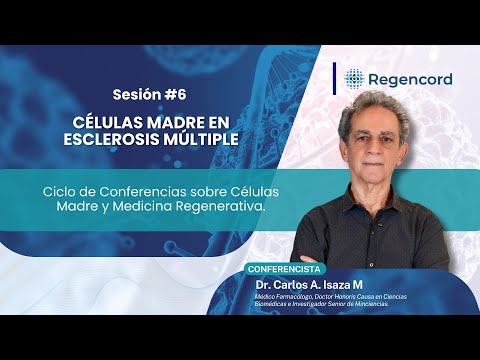
Pioneering treatments require profound medical expertise and a dedication to scientific rigor. [00:15] Dr. Carlos Isaza serves as the Scientific Director of Regencord, guiding the development and implementation of advanced regenerative protocols. His work focuses extensively on the application of stem cells and regenerative medicine in treating complex neurological conditions like multiple sclerosis. Through his leadership, the institution maintains alignment with international scientific standards while pushing the boundaries of what is possible in clinical immunology.
Continuous medical education is a primary focus for leading researchers in this field. By hosting specialized conferences and clinical sessions, experts can disseminate crucial data regarding patient outcomes, optimal dosing strategies, and safety profiles. These academic gatherings provide a platform for physicians to analyze peer-reviewed data and understand the practical nuances of administering stem cells for autoimmune diseases. This collaborative approach ensures that regenerative medicine protocols evolve based on empirical evidence.
Under strict scientific direction, clinical protocols are highly individualized. The therapeutic approach is tailored to account for the specific phenotype of MS the patient presents, whether it is relapsing-remitting, primary progressive, or secondary progressive. This level of customized care maximizes the therapeutic potential of the stem cells, ensuring that the biochemical environment of the patient is primed for optimal cellular engraftment and immunomodulatory action.
Benefits of Choosing Multiple Sclerosis Stem Cell Treatment in Colombia
Medical tourism for regenerative therapies has grown exponentially, and Colombia has emerged as a premier destination for neurological care. The country boasts a robust healthcare infrastructure equipped with modern laboratories and internationally accredited hospitals. The medical professionals in Colombia undergo rigorous training, often completing fellowships and specialized certifications in North America and Europe. This ensures that the standard of care matches or exceeds what patients might find in their home countries.
Cost-effectiveness is a significant factor driving international patients to seek cellular therapy abroad. High-quality stem cell therapy for multiple sclerosis in Colombia is often accessible at a fraction of the cost compared to the United States or Canada. This price difference is not a reflection of lower quality, but rather differences in healthcare administration costs, lower living expenses, and favorable exchange rates. Patients can receive comprehensive treatment packages that include medical consultations, cellular therapies, physical rehabilitation, and specialized neurological follow-ups.
Furthermore, Colombia’s regulatory environment allows for the clinical application of advanced stem cell therapies under strict ethical and medical guidelines. Facilities prioritize transparent, evidence-based practices that prioritize patient safety above all else. This progressive yet regulated medical landscape provides patients with timely access to innovative treatments that might still be restricted to lengthy clinical trials in other jurisdictions.
Patient Candidacy for Regenerative Multiple Sclerosis Therapy
Determining eligibility for advanced regenerative procedures requires a comprehensive medical evaluation. Not every patient with multiple sclerosis is an ideal candidate for immediate stem cell intervention. Neurologists perform detailed assessments to evaluate the current stage of the disease, the level of active inflammation, and the patient's overall physiological health. The Expanded Disability Status Scale (EDSS) is frequently utilized to quantify the level of neurological impairment and establish a baseline before treatment begins.
Primary Evaluation Criteria
Medical teams look for specific indicators to determine if cellular therapy will provide a significant benefit. Candidates typically undergo extensive magnetic resonance imaging (MRI) to identify the presence of active, gadolinium-enhancing lesions within the brain and spinal cord. Blood panels and cerebrospinal fluid analyses may also be conducted to assess inflammatory markers and oligoclonal bands.
- Relapsing-Remitting MS (RRMS): Patients in this stage often show the most dramatic response to therapy, as the treatment targets the active autoimmune flare-ups.
- Secondary Progressive MS (SPMS): Cellular therapy focuses on halting further neurodegeneration and supporting existing neural structures.
- Primary Progressive MS (PPMS): While challenging, regenerative protocols aim to stabilize the condition and mitigate continuous central nervous system damage.
- Treatment-Resistant Patients: Individuals who have failed standard Disease Modifying Therapies (DMTs) often turn to stem cell options for alternative immunomodulation.
Comparing Traditional MS Treatments vs Advanced Stem Cell Procedures
The standard of care for multiple sclerosis has traditionally relied on Disease Modifying Therapies (DMTs). These medications include interferons, glatiramer acetate, and various monoclonal antibodies. While these drugs can successfully reduce the frequency of relapses, they often come with a host of systemic side effects. Immunosuppressants can leave patients vulnerable to severe opportunistic infections, liver toxicity, and long-term cardiovascular issues. Furthermore, traditional medications rarely address the repair of already damaged myelin.
In contrast, stem cell therapy for multiple sclerosis introduces a regenerative component alongside its immunomodulatory effects. [00:21] Sessions designed for healthcare professionals frequently highlight the stark differences in side effect profiles between these modalities. High-quality mesenchymal stem cells provide a localized, targeted reduction in inflammation without causing widespread, permanent immune system suppression. This allows the body to fight off standard infections while simultaneously calming the autoimmune attack on the nervous system.
| Feature | Traditional DMTs | Mesenchymal Stem Cell Therapy |
|---|---|---|
| Mechanism of Action | Broad immunosuppression or receptor blockade. | Targeted immunomodulation and neural tissue repair. |
| Administration Frequency | Daily pills, weekly injections, or monthly infusions. | Specific treatment protocols over a few days or weeks. |
| Side Effect Profile | High risk of infections, flu-like symptoms, liver issues. | Minimal side effects, mild fatigue or temporary headache. |
| Regenerative Potential | Very limited; focuses on preventing future damage. | High; secretes growth factors to promote remyelination. |
Preparing for Your Regenerative Medicine Consultation at Regencord
Initiating the journey toward advanced cellular therapy requires careful preparation and open communication with the specialized medical team. Prospective patients should compile a comprehensive medical history, including recent MRI scans, neurologist reports, and a complete list of past and current medications. This documentation is critical for the clinical team to accurately assess candidacy and design an individualized treatment protocol that addresses the specific neurological deficits the patient faces.
During the initial consultation, medical professionals discuss the scientific foundation of the proposed therapy, realistic expected outcomes, and the detailed timeline of the procedure. Transparency regarding the capabilities and limitations of regenerative medicine is a hallmark of ethical practice. Patients learn how the stem cells will be administered, whether through intravenous drips to address systemic inflammation or localized injections for targeted central nervous system delivery.
Logistical planning is also a significant component of the pre-treatment phase. Since patients travel internationally for this highly specialized care, top medical facilities provide dedicated patient coordinators. These coordinators assist with travel arrangements, medical visas, accommodation logistics, and transportation between the clinic and the hotel. This comprehensive support system ensures that patients can focus entirely on their treatment and recovery without the added stress of navigating a foreign healthcare system alone.
Post-Treatment Recovery and Long-Term Neurological Follow-Up
The period following stem cell administration is crucial for maximizing therapeutic outcomes. While the procedure itself is minimally invasive and typically performed on an outpatient basis, the biological processes initiated by the MSCs continue for several months. Patients are generally advised to engage in a period of rest and modified activity immediately following treatment. This allows the newly introduced cells to properly engraft and begin their immunomodulatory and regenerative functions without unnecessary physiological stress.
A structured follow-up program is integral to the comprehensive care model. Medical teams conduct periodic remote consultations to monitor the patient's progress, track symptom improvements, and manage any minor transitional effects. Physical therapy and specialized neuro-rehabilitation are often recommended as adjuncts to cellular therapy. By actively stimulating the nervous system through targeted exercises, patients can help guide the new neural connections promoted by the stem cell growth factors.
Symptomatic improvements typically unfold gradually. Patients may first notice a reduction in severe fatigue, decreased spasticity, and subtle enhancements in cognitive clarity. Over the ensuing months, as the inflammatory cascade subsides and cellular repair mechanisms take hold, more significant improvements in mobility, balance, and sensory function may become apparent. Long-term MRI monitoring is utilized to verify the cessation of new active lesions, confirming the underlying biological efficacy of the treatment protocol.
Take the First Step Toward Regenerative Neurological Care
Discover if you are a candidate for advanced stem cell therapy for multiple sclerosis in Colombia. Connect with specialized medical professionals today to receive an individualized evaluation and customized treatment plan.
Get Free QuoteView Video Transcript
[00:00] Si eres médico o profesional de la salud, tienes una cita este 27 de noviembre con Regencord.
[00:07] Te invitamos a que te conectes a nuestra sexta sesión del ciclo de conferencias de células madre y medicina regenerativa
[00:15] en la esclerosis múltiple dictado por el doctor Carlos Isaza, director científico de Regencord.
[00:21] Recuerda, te esperamos este 27 de noviembre a las 7:30 de la noche. Inscríbete hoy y participa en nuestra sesión.
















Share this listing