


Navigating gastrointestinal health requires keen attention to the body's subtle warning signs before they escalate into severe medical emergencies. Seeking specialized digestive system disease treatment in Turkey offers international patients access to elite gastroenterologists and state-of-the-art diagnostic technologies. Recognizing specific clinical indicators can be the difference between a manageable condition and a life-threatening illness.
When stomach discomfort transitions from occasional annoyance to chronic pain, immediate medical intervention becomes absolutely necessary. This detailed guide explores the critical alarm symptoms that warrant urgent clinical evaluation and outlines the advanced therapeutic interventions available today.
Video Chapters
- The Prevalence of Organic Gastrointestinal Diseases
- Decoding the Body's Yellow Cards: Alarm Symptoms
- Swallowing Difficulties and Upper GI Tract Concerns
- Unexplained Weight Loss and Early Satiety Dynamics
- Nocturnal Pain and Persistent Vomiting Complications
- Gastrointestinal Bleeding: A Critical Medical Emergency
- Advanced Diagnostics for Inflammatory Bowel Disease
- The Lifesaving Power of Early Endoscopic Screening
The Prevalence of Organic Gastrointestinal Diseases
Digestive system complaints manifest with an incredible variety of symptoms that can easily be misinterpreted by patients. Many individuals attribute their stomach issues to stress or poor diet, ignoring the underlying physiological mechanisms at play. However, clinical data reveals a much more complex reality regarding gastrointestinal pathology.
As noted at [00:16], approximately one-quarter of all digestive complaints are directly linked to organic diseases. This staggering statistic underscores the necessity of professional medical evaluation rather than relying on self-medication or watchful waiting. The spectrum of these organic diseases ranges from highly treatable conditions to aggressive malignancies.
Conditions such as acid reflux, peptic ulcers, and inflammatory bowel diseases are prominent contributors to this twenty-five percent metric. Furthermore, structural issues like intestinal polyps, alongside severe liver, gallbladder, and pancreatic diseases, frequently hide behind routine digestive discomfort. In the most severe instances, these symptoms may indicate the presence of gastrointestinal cancers.
Common Organic Digestive Disorders Requiring Expert Care
Peptic ulcer disease involves painful sores within the lining of the stomach or the first part of the small intestine. Left untreated, these ulcers can lead to internal bleeding, perforation, or severe obstruction. High-quality digestive system disease treatment in Turkey frequently addresses these complications using advanced endoscopic therapies.
Inflammatory Bowel Disease (IBD), which encompasses Crohn's disease and ulcerative colitis, represents another major category of organic digestive failure. These chronic conditions cause prolonged inflammation of the digestive tract, leading to debilitating pain and severe malnutrition. Specialized gastroenterology centers offer targeted biologic therapies that significantly improve the patient's quality of life.
Decoding the Body's Yellow Cards: Alarm Symptoms
Medical professionals often refer to specific, severe clinical indicators as "alarm symptoms" to highlight their critical nature. These warning signs are the body's equivalent of a yellow card in a sports match, signaling that a dangerous physiological foul has occurred. Recognizing these indicators promptly is the foundational step in preventing catastrophic health outcomes.
At [00:30], the concept of these alarm symptoms is introduced as a vital communication method from our internal organs. When these symptoms manifest, the traditional advice of waiting to see if things improve becomes medically irresponsible. Immediate diagnostic testing is required to rule out or confirm the presence of serious organic diseases.
| Alarm Symptom | Medical Terminology | Potential Underlying Condition |
|---|---|---|
| Difficulty Swallowing | Dysphagia | Esophageal strictures, Esophageal cancer |
| Painful Swallowing | Odynophagia | Severe esophagitis, Infections |
| Vomiting Blood | Hematemesis | Bleeding ulcers, Gastric varices |
| Blood in Stool | Hematochezia / Melena | Colorectal cancer, Advanced polyps |
Swallowing Difficulties and Upper GI Tract Concerns
One of the most alarming symptoms a patient can experience is the sudden or gradual inability to swallow food properly. Mentioned specifically at [00:37], dysphagia indicates a physical blockage or a motility disorder within the esophagus. This requires immediate visualization through upper endoscopy to determine the exact nature of the obstruction.
Accompanying dysphagia is odynophagia, which refers to acute pain experienced during the swallowing process. This symptom frequently points to severe mucosal damage, potentially caused by uncontrolled acid reflux, heavy medication use, or chronic infections. When patients pursue digestive system disease treatment in Turkey, comprehensive motility testing and high-definition esophageal mapping are standard protocols.
Ignoring swallowing difficulties can lead to severe aspiration pneumonia or profound malnutrition. It is a classic hallmark of esophageal narrowing, which may be benign (like a Schatzki ring) or malignant. Prompt gastroenterological assessment guarantees that any abnormal tissue is biopsied and evaluated by expert pathologists.
Unexplained Weight Loss and Early Satiety Dynamics
The phenomenon of feeling completely full after consuming only a small amount of food is medically known as early satiety. Highlighted at [00:41], this symptom suggests that the stomach is unable to expand properly or that gastric emptying is severely delayed. It is often one of the earliest indicators of an invasive mass occupying space within the gastric cavity.
Coupled closely with early satiety is the occurrence of involuntary weight loss, another major red flag discussed at [00:50]. Dropping significant body mass without changes to diet or exercise routines indicates a systemic metabolic disruption. The body may be diverting massive amounts of energy to fight a disease, or the digestive tract is entirely failing to absorb essential nutrients.
The Malabsorption Risk Factors
When the intestines cannot properly process vitamins, minerals, and proteins, profound physical deterioration occurs rapidly. Conditions such as celiac disease, severe Crohn's disease, or chronic pancreatitis are prime culprits for this type of malabsorption. Patients require comprehensive blood panels and imaging studies to pinpoint the exact location of the digestive failure.
Top-tier medical facilities focusing on digestive system disease treatment in Turkey utilize advanced cross-sectional imaging to investigate these specific weight loss causes. By combining MRI enterography with targeted endoscopic ultrasound, physicians can assess the entire digestive system with unprecedented clarity. This ensures no hidden masses or strictures are overlooked during the diagnostic phase.
Nocturnal Pain and Persistent Vomiting Complications
Abdominal pain is incredibly common, but pain that is severe enough to wake a patient from deep sleep is a profound clinical warning. Mentioned clearly at [00:47], nocturnal abdominal pain defies the typical patterns of functional digestive disorders like Irritable Bowel Syndrome (IBS). It strongly suggests an active organic process, such as an ulcer perforating or severe biliary colic.
Similarly, unyielding and persistent vomiting represents a critical breakdown in normal gastrointestinal mechanics. Highlighted at [00:43], vomiting that does not resolve with time leads to dangerous electrolyte imbalances and severe dehydration. It may indicate a physical bowel obstruction, severe gastroparesis, or central nervous system involvement.
- Electrolyte Depletion: Chronic vomiting rapidly strips the body of crucial potassium and sodium, leading to cardiac arrhythmias.
- Esophageal Tearing: The sheer physical force of continuous retching can cause Mallory-Weiss tears, leading to secondary internal bleeding.
- Gastric Outlet Obstruction: Tumors or severe ulcer scarring can physically block food from leaving the stomach, forcing the body to expel it upward.
- Gallbladder Dysfunction: Severe nocturnal pain in the upper right quadrant frequently points to gallstones blocking the bile ducts.
Gastrointestinal Bleeding: A Critical Medical Emergency
The presence of blood in any bodily excretion is universally recognized as a dire medical warning sign. Vomiting blood, a symptom identified at [00:45], is an acute emergency that requires immediate hospitalization and intervention. It generally signifies massive bleeding in the upper gastrointestinal tract, often from eroded blood vessels within a stomach ulcer or esophageal varices related to liver disease.
Equally concerning is the discovery of blood in the stool, as emphasized at [00:54]. Depending on the location of the bleeding, the stool may appear bright red, dark maroon, or completely black and tarry. Lower gastrointestinal bleeding points strongly toward advanced colon polyps, active inflammatory bowel disease, or colorectal malignancies.
Patients seeking elite digestive system disease treatment in Turkey benefit from immediate access to therapeutic endoscopy in these crisis scenarios. Specialized gastroenterologists can inject epinephrine, apply hemostatic clips, or use argon plasma coagulation to stop the bleeding internally without the need for invasive open surgery. This minimally invasive approach drastically reduces recovery time and improves survival rates.
Advanced Diagnostics for Inflammatory Bowel Disease
Chronic diarrhea, lasting longer than four weeks, is a debilitating symptom that strips the body of hydration and prevents nutrient absorption. Mentioned at [00:52], long-term diarrhea is a hallmark characteristic of Inflammatory Bowel Disease (IBD) and microscopic colitis. It completely disrupts a patient's daily life, making normal social and professional activities nearly impossible to maintain.
Diagnosing the specific cause of chronic diarrhea requires a multifaceted approach involving stool cultures, extensive blood work, and direct visualization via colonoscopy. During these procedures, physicians take multiple tissue biopsies from different segments of the colon to check for microscopic cellular changes. This rigorous testing protocol ensures that autoimmune conditions are correctly identified rather than dismissed as severe food poisoning.
Liver, Gallbladder, and Pancreatic Assessments
The digestive system is not limited to the stomach and intestines; the liver, gallbladder, and pancreas are critical accessory organs. Biliary tract diseases often present with vague symptoms that rapidly escalate into jaundice, severe pain, or acute pancreatitis. Evaluating these organs requires specialized techniques like Endoscopic Retrograde Cholangiopancreatography (ERCP).
Leading international clinics providing digestive system disease treatment in Turkey utilize advanced ERCP to remove gallstones directly from bile ducts and place stents to keep strictures open. This intricate procedure bridges the gap between diagnostic imaging and surgical intervention. It is highly effective for managing complex pancreatic tumors and severe biliary obstructions without subjecting the patient to massive abdominal incisions.
The Lifesaving Power of Early Endoscopic Screening
The underlying theme of all gastrointestinal alarm symptoms is the absolute necessity of urgent medical evaluation. As urged at [00:57], if any of these critical signs manifest, patients must never downplay their severity. Assuming that severe pain or bleeding will magically resolve on its own is a dangerous gamble that allows treatable conditions to become terminal.
The proactive approach is clear: do not wait, and do not delay scheduling a specialist consultation. Emphasized at [01:00], seeking immediate medical attention is the only way to intercept organic diseases before they cause irreversible organ damage. Endoscopic screenings are highly safe, exceptionally accurate, and currently stand as the gold standard for digestive diagnostics.
When a diagnosis is made during the earliest stages of disease progression, the treatment options are broader, less invasive, and significantly more effective. As stated powerfully at [01:20], early diagnosis truly saves lives. By embracing routine screenings and reacting swiftly to alarm symptoms, patients empower themselves to maintain long-term gastrointestinal health and overall longevity.
Ready to Prioritize Your Gastrointestinal Health?
Don't ignore the warning signs. Connect with top-tier medical facilities for world-class digestive system disease treatment in Turkey. Secure a comprehensive diagnostic plan and personalized care today.
Get Free QuoteView Full Video Transcript
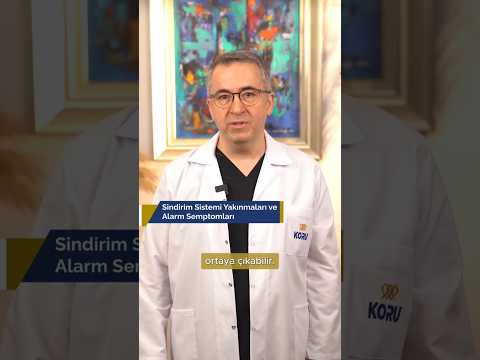
[00:00] Sindirim sistemi yak?nmalar? çok farkl? çe?itlilikle ortaya ç?kabilir.
[00:04] Daha önemli, daha ciddi, bizim alarm semptomlar? dedi?imiz baz? yak?nmalar var ki ben bunlar? önemle vurgulamak istiyorum.
[00:11] Ancak unutulmamas? gereken en önemli nokta ?udur ki:
[00:15] Sindirim sistemi ?ikayetlerinin yakla??k olarak dörtte biri;
[00:18] reflü, ülser, iltihabi ba??rsak hastal?klar?, polipler, ciddi karaci?er, safra, pankreas hastal?klar?, hatta kanser gibi organik hastal?klarla ili?kili olabilir.
[00:29] Bu alarm semptomlar?, vücudumuzun bir anlamda bize gösterdi?i sar? kartlar olarak dü?ünebiliriz.
[00:35] Nedir bu alarm semptomlar??
[00:37] Yutma güçlü?ü, yutarken a?r? hissetmemiz,
[00:41] çok çabuk doymaya ba?lama,
[00:43] geçmeyen inatç? kusmalar,
[00:45] kustu?umuzda kan gelmesi,
[00:47] gece uykudan uyand?ran kar?n a?r?lar?,
[00:50] istemsiz kilo kayb?,
[00:52] uzun süre devam eden ishal,
[00:54] d??k?da kan görülmesi,
[00:55] Bu bulgulardan birisi sizde varsa lütfen ?ikayetlerinizi hafife almay?n,
[01:00] geçer diye beklemeyin.
[01:02] Gecikmeden doktora ba?vurmak; erken dönemde saptanarak, henüz tamamen tedavi edilebilir evredeyken tan? al?p tedavisine ba?layabiliriz.
[01:11] Lütfen alarm semptomlar?n? unutmay?n, hafife almay?n, ertelemeyin,
[01:16] bir an önce doktora ba?vurup gerekli ara?t?rmalar? yap?n.
[01:20] Unutmayal?m, erken tan? hayat kurtarabilir.





.png)
.png)













Share this listing