


Patients seeking advanced alternatives to invasive surgeries are increasingly turning to stem cell therapy procedures to address chronic pain and tissue damage. Regenerative medicine represents a paradigm shift in modern healthcare by focusing on repairing the root causes of physical deterioration rather than merely masking symptoms. [00:00] Fortunately, the medical community has come full circle in understanding the profound natural healing capacity of the human body.
By leveraging the biological mechanisms that originally formed our tissues, researchers and physicians can now target localized areas of degeneration with remarkable precision. This comprehensive resource examines how cellular treatments operate at a microscopic level to reverse structural decline. We will explore the sophisticated ways cellular blueprints instruct tissue regeneration, offering newfound hope for individuals suffering from degenerative conditions.
Video Chapters & Quick Navigation
- Understanding the Natural Healing Capacity of Human Cells
- How Stem Cell Technology Orchestrates Tissue Generation
- The Role of Infant Cells in Telegraphing Blueprint Instructions
- Maintaining Structural Function Across Trillions of Vital Cells
- The Impact of the Natural Degenerative Process on Cellular Health
- Exploring the Connection Between Disease and Functional Illnesses
- Orthopedic Innovations Utilizing Cellular Regeneration Techniques
- Achieving a Better Quality of Life Through Regenerative Medicine
Understanding the Natural Healing Capacity of Human Cells
The human body possesses an extraordinary, built-in system designed for continuous self-repair and maintenance. [00:00] Medical science has recently shifted its focus back to understanding the natural healing capacity of the human body to treat chronic ailments. By isolating and concentrating the biological materials responsible for this healing, physicians can deploy them directly into damaged regions.
Historically, the standard of care for joint degradation or tissue injury involved managing pain through pharmaceuticals or excising damaged tissue via surgery. These traditional methods rarely addressed the underlying cellular deficit that caused the problem in the first place. Regenerative therapies aim to bridge this gap by supplying the essential biological components needed to rebuild compromised physical structures.
When you enter the world of stem cell technology, you quickly realize that the fundamental principles of medicine are evolving. [00:09] Researchers are documenting how targeted cellular applications can reduce severe localized inflammation and promote the synthesis of new, healthy tissue. This biological approach represents a highly sophisticated method of intervening before irreversible anatomical damage occurs.
The Shift Toward Biological Tissue Repair
Current clinical research heavily emphasizes the optimization of biological tissue repair over synthetic joint replacements or long-term steroid usage. Corticosteroids can temporarily suppress inflammatory responses, but they simultaneously degrade cartilage health over prolonged periods. Biological interventions actively participate in the extracellular matrix formation, providing a sustainable environment for joint health.
Physicians specializing in orthopedics and sports medicine are actively adopting these protocols for patients experiencing early to mid-stage joint deterioration. This proactive biological intervention helps stabilize the joint microenvironment. By enriching the damaged area with potent regenerative factors, the body can resume its interrupted healing cascade effectively.
How Stem Cell Technology Orchestrates Tissue Generation?
To grasp the profound potential of cellular treatments, one must look at how life fundamentally develops from its earliest stages. While developing in our mother's womb, a highly coordinated biological symphony takes place. [00:13] Stem cells orchestrate the complex process of growing physical structures from a microscopic cluster of unspecialized matter.
These early foundational cells possess the unique ability to differentiate into virtually any specialized cell type required for human life. They are directly responsible for the systematic growth of arms, legs, the brain, and the spinal cord. [00:19] Without this intelligent orchestration, the intricate physical framework required to sustain life would simply fail to materialize.
Furthermore, these potent cells form all of our individual organs, ensuring that the heart, liver, lungs, and kidneys develop precise anatomical functions. [00:22] Once organogenesis is complete, a reserve population of these adult stem cells remains embedded within our tissues. Their ongoing primary mission shifts from rapid initial development to the lifelong maintenance and emergency repair of the physical structures they originally built.
Key Functions of Developing Stem Cells
- Cellular Differentiation: The ability to transform into specialized tissue types such as bone, cartilage, and muscle fibers.
- Angiogenesis Promotion: Stimulating the creation of new blood vessels to ensure adequate oxygen and nutrient delivery.
- Extracellular Matrix Synthesis: Producing collagen and elastin to provide a durable structural framework for developing organs.
- Immunomodulation: Regulating early immune responses to prevent the body from attacking newly formed developing tissues.
The Role of Infant Cells in Telegraphing Blueprint Instructions
The mechanics of cellular healing rely heavily on a complex communication network that operates constantly beneath our skin. These stem cells, often referred to as infant cells in their most potent state, function primarily as intelligent biological managers. [00:25] Rather than physically transforming to replace every single damaged cell, they actively recruit surrounding host cells to assist in tissue regeneration.
When strategically placed in close proximity to other cells that are damaged or dormant, they begin an intricate process of biochemical signaling. [00:28] Through a mechanism known as the paracrine effect, they release a concentrated payload of growth factors, cytokines, and vital exosomes into the surrounding environment. They effectively telegraph blueprint instructions that command the damaged local environment to begin the repair sequence. [00:31]
This telegraphing process acts much like a construction foreman handing out architectural plans to a team of resting workers. The local, mature cells receive these instructions and immediately ramp up their metabolic activity to produce new cartilage, bone, or muscle tissue. This secondary activation is a primary reason why regenerative medicine yields such promising, long-lasting clinical outcomes for chronic pain sufferers.
Understanding the Paracrine Signaling Mechanism
Paracrine signaling involves one cell secreting specific proteins that induce changes in the behavior of neighboring cells. In the context of joint degeneration, the local cartilage cells often become metabolically lazy and stop producing necessary lubricating fluids. The introduction of fresh, potent cellular signals forces these aging cartilage cells to wake up and resume their designated biological duties.
This localized communication network is highly efficient but heavily dependent on the quality and concentration of the signaling cells present. When natural injury occurs, the body attempts to send stem cells to the site, but poor blood flow often restricts their arrival. Advanced regenerative therapy artificially bypasses these circulatory roadblocks by delivering high concentrations of cellular blueprints directly into the avascular injury zone.
Maintaining Structural Function Across Trillions of Vital Cells
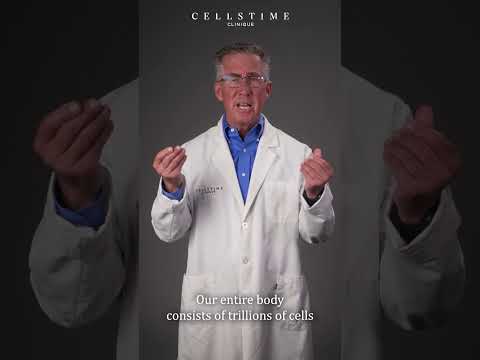
Human anatomy is an incredibly vast and complex ecosystem that requires constant upkeep to remain functional. Our entire body consists of trillions of individual cells functioning in perfect synchrony. [00:34] Every physical movement, organ function, and cognitive process relies entirely on the structural integrity and health of these microscopic units.
These localized populations are fundamentally responsible for maintaining optimal structural function against daily mechanical wear and tear. [00:38] When we run, lift objects, or simply support our own body weight, microscopic damage occurs within our tendons, ligaments, and joints. A robust cellular network instantly identifies these micro-tears and dispatches repair proteins to fortify the compromised tissue before it develops into a severe clinical injury.
The efficiency of this maintenance system dictates our physical resilience and our ability to recover from strenuous activities. A healthy cellular environment rapidly processes metabolic waste, mitigates free radical damage, and ensures that tissue elasticity remains intact. Preserving this intricate cellular balance is the primary goal of emerging proactive regenerative health protocols.
Cellular Turnover and Tissue Preservation
| Tissue Type | Estimated Cellular Turnover Rate | Structural Function Maintained |
|---|---|---|
| Skin Epidermis | 10 to 30 days | Environmental barrier and temperature regulation |
| Bone Tissue | Approx. 10 years | Skeletal support and mineral storage |
| Cartilage | Extremely slow / Limited | Joint shock absorption and friction reduction |
| Stomach Lining | 2 to 9 days | Digestion facilitation and acid protection |
The Impact of the Natural Degenerative Process on Cellular Health
Despite the incredible design of human anatomy, our inherent regenerative capabilities are not permanently sustainable without degradation. As we inevitably grow older, our resident reserve cells become notably less capable of performing their assigned functions. [00:42] The absolute number of viable stem cells circulating within our system plummets dramatically between adolescence and late adulthood.
This phenomenon, known clinically as cellular senescence, occurs when cells permanently stop dividing but refuse to undergo programmed biological death. These "zombie cells" linger within our joints and tissues, actively secreting toxic inflammatory proteins that degrade the surrounding healthy structures. The cumulative effect of this toxic microenvironment prevents newly dispatched stem cells from surviving long enough to execute meaningful repairs.
Additionally, chronological aging leads to the critical shortening of telomeres, which are the protective biological caps on the ends of our DNA strands. Once these telomeres erode past a specific threshold, the cellular replication cycle halts completely to prevent genetic mutations. This natural reduction in reproductive capability is the primary reason why injuries sustained in older age require significantly longer healing timelines.
Key Factors Accelerating Cellular Decline
- Chronic Systemic Inflammation: Persistent low-grade inflammation exhausts cellular repair mechanisms and accelerates biological aging.
- Oxidative Stress accumulation: High levels of free radicals permanently damage cellular membranes and critical mitochondrial DNA over time.
- Reduced Microcirculation: Poor blood flow restricts oxygen and vital nutrient delivery, effectively starving the local cellular environment.
- Hormonal Fluctuations: Age-related drops in essential growth hormones limit the metabolic signals required for optimal tissue regeneration.
Exploring the Connection Between Disease and Functional Illnesses
The direct correlation between microscopic cellular failure and macroscopic physical pain is heavily documented within modern orthopedic pathology. Chronic disease and the resulting functional illnesses are invariably the direct downstream result of this natural degenerative process. [00:48] Conditions previously viewed as inevitable consequences of aging are now understood as localized deficits in cellular regeneration capabilities.
Osteoarthritis serves as a primary example of functional illness caused by severe regenerative failure. When the cartilage matrix degrades faster than local stem cells can patch the defects, massive bone-on-bone friction occurs. This mechanical grinding creates massive debris within the joint capsule, triggering severe swelling, pain, and restricted mobility that severely limits a patient's independence.
Similarly, degenerative disc disease in the spine occurs when the gelatinous nucleus loses hydration and essential structural proteins. As the local cellular environment fails to retain moisture, the disc collapses, compressing adjacent neurological pathways. Applying advanced regenerative medicine directly targets these specific pathological pathways by reintroducing high concentrations of cellular repair factors.
Common Degenerative Conditions Addressed by Cellular Therapy
Specialists in regenerative orthopedics routinely utilize targeted cellular injections to address a multitude of degenerative joint conditions. Patients suffering from advanced meniscus tears, rotator cuff degeneration, and chronic plantar fasciitis frequently report significant clinical improvements. By bypassing standard conservative treatments that only mask discomfort, physicians attempt to physically restore the compromised anatomical structures.
Neuropathy and certain neurodegenerative symptoms are also being actively researched regarding cellular treatment efficacy. The powerful immunomodulatory properties of concentrated cellular therapies help decrease severe nerve inflammation and promote peripheral nerve regeneration. Treating functional illnesses at their fundamental biological root offers a highly compelling alternative to indefinite pharmaceutical symptom management.
Orthopedic Innovations Utilizing Cellular Regeneration Techniques
The field of orthopedics has experienced a massive technological evolution thanks to a deeper understanding of human biology. Surgeons are increasingly supplementing traditional surgical interventions with advanced regenerative medicine for natural healing. Combining mechanical surgical repairs with potent biological grafts dramatically accelerates post-operative recovery timelines and improves overall surgical outcomes.
In cases where severe mechanical deformity has not yet occurred, biological injections often serve as a standalone preventative treatment. High-density cellular concentrates are harvested, precisely refined, and directly injected into the deteriorated joint capsule under ultrasound guidance. This minimally invasive procedure ensures exact anatomical placement, maximizing the biological interaction between the injected therapeutic cells and the damaged host tissue.
Furthermore, regenerative science continues to refine how we extract and process these valuable cellular materials for maximum clinical efficacy. Innovations in centrifugation and laboratory isolation protocols yield exceptionally pure cellular concentrates devoid of inflammatory byproducts. These refined regenerative treatments for knee osteoarthritis and spinal degradation represent the absolute forefront of modern orthopedic care.
Traditional Orthopedic Treatments vs. Cellular Biological Therapies
| Treatment Method | Primary Mechanism of Action | Long-Term Tissue Impact |
|---|---|---|
| Corticosteroid Injections | Chemically suppresses localized immune and inflammatory responses. | Can accelerate cartilage degradation and weaken tendon strength over time. |
| Joint Replacement Surgery | Mechanically amputates and replaces damaged bone with metal and plastic. | Permanent mechanical alteration; synthetic parts wear out over 15-20 years. |
| Regenerative Stem Cell Therapy | Delivers potent blueprints to orchestrate physical tissue regeneration. | Promotes sustained biological healing and preserves natural joint anatomy. |
Achieving a Better Quality of Life Through Regenerative Medicine
Restoring personal mobility and eliminating chronic daily discomfort drastically alters the psychological and physical trajectory of aging adults. Medical advancements continually prove that a vastly improved, pain-free existence is fully attainable for individuals suffering from severe joint degeneration. Living a highly active, better life free from restrictive physical limitations is entirely possible. [00:55]
Patients who elect to pursue regenerative options frequently report substantial decreases in localized joint stiffness within mere weeks of treatment. As the newly deployed biological material begins to mitigate aggressive inflammation, the patient experiences rapidly restored ranges of motion. Over subsequent months, the newly regenerated structural tissues consolidate, granting remarkable long-term durability to the previously injured area.
Institutions globally are continuing to refine these therapies, pushing the boundaries of what cellular science can accomplish. By prioritizing biological healing strategies over mechanical excisions, medical professionals provide highly customized care tailored to the individual's specific cellular deficits. Embracing how regenerative medicine treats functional illnesses represents the future of proactive, health-span-focused clinical care.
Preparing for Advanced Cellular Treatments
Patients investigating cellular therapies for degenerative joint disease should focus heavily on optimizing their systemic health prior to procedures. Minimizing refined sugar intake and eliminating nicotine consumption drastically improves baseline blood flow and systemic cellular reactivity. A healthier systemic baseline ensures that the injected biological materials thrive and execute their regenerative blueprint instructions flawlessly.
Selecting a highly credentialed clinic operating under stringent procedural guidelines is also incredibly critical for achieving optimal clinical outcomes. Reputable facilities utilize sophisticated imaging technologies to ensure pinpoint accuracy during the injection phase. Proper guidance protocols guarantee that the valuable cellular materials are deposited directly into the precise epicenters of tissue damage.
Ready to Explore Cellular Healing Solutions?
Discover if advanced regenerative medicine and cellular therapies are the right choice for your specific orthopedic or degenerative condition. Connect with specialized medical professionals today.
Get Free QuoteView Full Video Transcript
00:00 Fortunately, we have come full circle in understanding the natural healing capacity of the human body.
00:09 Enter the world of stem cell technology.
00:13 While developing in our mother's womb, stem cells orchestrate the process of growing arms and legs, brain and spinal cord.
00:22 And all of our individual organs.
00:25 These stem cells or infant cells, when in close proximity to other cells...
00:31 Telegraph blueprint instructions.
00:34 Our entire body consists of trillions of cells that are responsible for maintaining structural function.
00:42 And as we grow older, our cells are less capable of performing their assigned function.
00:48 Disease and the resulting functional illnesses are the result of this natural degenerative process.
00:55 A better life. It's possible. Cellstime Clinique. Improving your well-being.


.png)

.png)
.png)

.png)


.png)


-(8).png)








Share this listing