


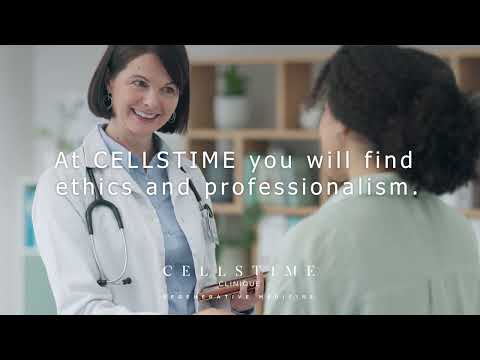
Patients seeking modern solutions for chronic joint pain and sports injuries are increasingly turning to advanced regenerative medicine and stem cell therapy in Mexico. Traditional orthopedic approaches often rely on invasive surgical procedures or long-term pharmaceutical management, which can lead to prolonged downtime and potential complications. By leveraging the body's intrinsic healing mechanisms, regenerative treatments offer a biological pathway to repair damaged tissues, reduce systemic inflammation, and restore mobility. Medical tourists from around the globe are discovering that specialized clinics provide world-class care, prioritizing strict medical ethics, patient safety, and clinical professionalism [00:00].
This comprehensive guide explores how targeted cellular therapies are transforming injury rehabilitation for elite athletes and everyday individuals alike. From localized injections for specific joint trauma to systemic intravenous applications, orthobiologic treatments are designed to address the root cause of musculoskeletal deterioration. We will examine the specific protocols used for tendon overuse, acute fractures, and severe ligament tears. Furthermore, we will highlight the critical importance of utilizing certified laboratory facilities and explore why premier medical destinations are becoming the standard for progressive orthopedic recovery.
Video Chapters & Quick Navigation
- Regenerative Medicine in Gymnastics
- Accelerating Muscle Repair
- Targeted Localized Joint Applications
- Treating Tendon Overuse and ACL Injuries
- Intravenous Application vs. Local Injections
- Importance of a Certified Laboratory
- Premier Destinations: Guadalajara & Puerto Vallarta
- Improving Overall Quality of Life
The Role of Regenerative Medicine in Gymnastics and Elite Sports
The physical demands placed on elite athletes require medical interventions that go beyond basic pain management. Regenerative medicine in gymnastics [00:04] has emerged as a critical tool for managing the extreme biomechanical stress experienced by these competitors. Gymnasts subject their joints, ligaments, and tendons to high-velocity impacts and repetitive hyperextension daily. Over time, this micro-trauma accumulates, leading to chronic instability and degenerative tissue changes that threaten career longevity.
By integrating stem cell therapy for athletes, sports medicine physicians can address these micro-tears at a cellular level. Instead of waiting for a catastrophic rupture to occur, regenerative protocols proactively strengthen the connective tissues. Mesenchymal stem cells and specialized growth factors are utilized to signal the body's repair mechanisms, directing them to areas of high inflammation and structural weakness.
This biological approach drastically improves recovery from injuries [00:07] by stimulating angiogenesis—the formation of new blood vessels. Better blood flow means enhanced oxygen and nutrient delivery to avascular zones, such as deep tendon insertions and cartilage layers. For athletes competing at the highest levels, minimizing downtime while ensuring a robust, structural heal is the primary objective of these advanced therapeutic protocols.
How Stem Cell Therapy Accelerates Muscle Repair?
Muscular injuries represent a significant percentage of athletic and occupational setbacks. When a muscle strain occurs, the traditional healing process involves a prolonged inflammatory phase followed by the deposition of fibrotic scar tissue. This scar tissue is inherently less flexible and more prone to future re-injury. Regenerative treatments actively alter this healing cascade, working to accelerate muscle repair [00:09] through cellular modulation.
When administered promptly after a muscle strain [00:32], orthobiologics help regulate the local immune response. The introduced cells secrete paracrine factors that instruct the body to minimize excessive scarring and instead promote the regeneration of healthy, functional muscle fibers. This targeted cellular communication ensures that the new tissue closely matches the elasticity and strength of the original muscle.
Furthermore, accelerating muscle repair reduces the compensatory strain placed on surrounding joints and ligaments. When a primary mover muscle is inhibited by pain or weakness, secondary muscles are forced to absorb unintended loads. Rapid biological healing via regenerative medicine restores proper biomechanics swiftly, protecting the patient from cascading secondary injuries during their rehabilitation phase.
Targeted Localized Application for the Shoulder, Knee, and Ankle
One of the most effective strategies in orthopedic regenerative medicine is the precise placement of therapeutic agents directly into the damaged anatomical site. Localized application on the shoulder [00:15] is frequently utilized to treat rotator cuff tendinopathy, labral tears, and glenohumeral osteoarthritis. By injecting biological concentrates directly into the joint capsule under ultrasound guidance, physicians ensure maximum cell concentration exactly where the tissue degradation is occurring.
The weight-bearing joints of the lower extremities are particularly susceptible to cartilage loss and meniscal damage. Localized application on the knee [00:18] offers a profound alternative to total joint replacement for patients suffering from moderate to severe osteoarthritis. The regenerative cells help to alter the toxic intra-articular environment, reducing the specific enzymes that degrade cartilage, while simultaneously providing a scaffolding for potential tissue stabilization.
Similarly, targeted treatments are highly effective for distal lower extremity trauma. Localized application on the ankle [00:21] addresses chronic ligamentous laxity following recurrent sprains, as well as osteochondral defects of the talus. Delivering stem cell therapy for joint repair directly into these tight, complex joint spaces stimulates a localized healing environment that conservative methods like bracing and icing simply cannot achieve.
Advanced Protocols for Tendon Overuse and Severe ACL Injuries
Chronic tendinopathy is notoriously difficult to treat due to the poor vascularity of tendon structures. Tendon overuse injuries [00:31], such as Achilles tendinosis or lateral epicondylitis (tennis elbow), cause the collagen fibers to become disorganized and degenerative. Corticosteroid injections, while temporarily relieving pain, have been shown to further weaken tendon tissue. Regenerative medicine provides a structural solution by introducing growth factors that organize collagen alignment and stimulate fibroblast proliferation.
Managing Acute Fractures and Ligament Tears
Beyond chronic overuse, acute trauma presents a different set of clinical challenges. For patients experiencing acute fractures [00:32], regenerative therapies can be used adjunctively to accelerate bone union. Osteogenic precursor cells support the rapid formation of a bone callus, reducing the time required for immobilization and lowering the risk of non-union complications.
Perhaps one of the most promising applications is the treatment of severe ligament tears. Stem cell therapy for ACL injuries [00:33] provides an alternative or robust compliment to traditional reconstruction surgery. For partial tears, orthobiologics can bridge the gap in the torn fibers, promoting natural ligamentous healing. In cases where surgery is unavoidable, applying regenerative medicine post-operatively heavily accelerates graft incorporation and dramatically reduces recovery timelines.
- Tendon Restoration: Reorganizes disrupted collagen fibers in avascular tissue zones.
- Fracture Healing: Stimulates osteoblast activity to ensure rapid and stable bone fusion.
- Ligament Repair: Accelerates the healing of partial ACL tears and improves surgical graft success rates.
Intravenous Application vs. Localized Injections for Holistic Healing
While targeted injections are paramount for specific structural damage, systemic health plays a crucial role in overall recovery. Intravenous application [00:12] of regenerative cells is utilized to combat systemic inflammation, regulate autoimmune responses, and promote whole-body homeostasis. This method introduces therapeutic cells directly into the bloodstream, allowing them to circulate and home in on signals of distress throughout various organ systems and widespread tissues.
The choice between IV therapy and localized injection depends heavily on the specific medical diagnosis. In many comprehensive treatment plans, both modalities are utilized simultaneously. The localized injection tackles the primary mechanical failure, such as a torn meniscus or damaged rotator cuff, while the intravenous application prepares the entire body's immune system to support the localized healing process.
Patients suffering from systemic conditions, such as rheumatoid arthritis or chronic fatigue associated with widespread joint pain, benefit immensely from this dual approach. The IV infusion acts as an immunomodulator, calming the aggressive immune response that drives chronic joint degradation, creating a more favorable environment for the localized therapies to take effect.
| Therapy Type | Method of Delivery | Primary Clinical Focus | Best Suited For |
|---|---|---|---|
| Intravenous (IV) Application | Direct infusion into the bloodstream | Systemic inflammation reduction, immune modulation | Autoimmune conditions, generalized fatigue, widespread inflammation |
| Localized Application | Ultrasound-guided intra-articular injection | Tissue regeneration, mechanical joint stabilization | Osteoarthritis, focal tendon overuse, muscle strains, ACL tears |
The Crucial Role of a Certified Stem Cell Laboratory
The efficacy of any orthobiologic treatment is entirely dependent on the quality, viability, and purity of the cellular product being administered. Receiving treatment backed by the safety and confidence of a certified laboratory [00:57] is non-negotiable in modern regenerative medicine. Certified facilities adhere to stringent international protocols regarding cellular expansion, sterile processing, and virology screening.
When cells are processed in a heavily regulated, ISO-certified clean room environment, the risk of contamination is virtually eliminated. Specialized biomedical technicians utilize advanced flow cytometry to quantify exact cell counts and guarantee high cellular viability. This exact science ensures that the patient receives a highly potent therapeutic dose capable of executing complex regenerative functions once introduced into the body.
Clinics that prioritize transparent laboratory operations demonstrate a commitment to both medical ethics and patient outcomes. Bypassing certified laboratory standards can result in the administration of dead cellular material or, worse, severe infections. Medical tourists must prioritize facilities that transparently showcase their laboratory credentials, guaranteeing that the regenerative medicine protocols adhere to the highest tiers of global medical safety.
Top Regenerative Medicine Destinations: Guadalajara and Puerto Vallarta
Mexico has established itself as a premier destination for high-quality medical tourism, particularly in the field of orthobiologics. A leading stem cell clinic in Guadalajara [00:38] offers patients access to a bustling metropolitan medical hub. Guadalajara is home to state-of-the-art hospitals, specialized research laboratories, and a deep roster of internationally trained medical specialists, ensuring patients receive comprehensive, multidisciplinary care during their clinical visits.
Alternatively, patients looking to combine advanced medical treatments with a serene recovery environment often choose coastal destinations. Regenerative treatments in Puerto Vallarta [00:48] provide the distinct advantage of a stress-free healing atmosphere. The psychological benefits of recovering in a tranquil, coastal setting directly lower cortisol levels, which in turn reduces systemic inflammation and optimizes the biological environment for cellular regeneration.
Both locations operate under strict medical frameworks, offering state-of-the-art diagnostic imaging, comprehensive pre-treatment blood panels, and post-injection rehabilitation therapies. Choosing between the clinical sophistication of Guadalajara and the restorative oasis of Puerto Vallarta allows patients to tailor their medical journey to their specific logistical preferences and recovery needs.
How Stem Cell Therapy Improves Overall Quality of Life?
The ultimate goal of all orthopedic intervention is not merely to alter tissue structure, but to profoundly impact the patient's daily human experience. Advanced regenerative treatments definitively improve quality of life [00:10] by drastically reducing dependency on non-steroidal anti-inflammatory drugs (NSAIDs) and opioid pain medications. Chronic pain alters brain chemistry, disrupts sleep architecture, and severely limits physical mobility.
By resolving the underlying mechanical failures and biological inflammation within the joints, patients regain the functional capacity to participate in activities they once loved. Whether it is an elite gymnast returning to international competition, a recreational runner getting back on the trail, or a grandparent picking up their grandchild without shoulder pain, the functional restoration is life-changing.
The long-term therapeutic potential of orthobiologics shifts the paradigm of aging and sports recovery. Instead of managing a slow decline in joint function, regenerative medicine offers a proactive strategy to rebuild, stabilize, and preserve the musculoskeletal system for decades to come.
Take the First Step Towards Regenerative Healing
If you are suffering from chronic joint pain, muscle strain, or a severe sports injury, advanced regenerative medicine in Mexico offers a targeted, biological solution. Discover how certified stem cell therapies can accelerate your recovery and restore your mobility.
Get Free QuoteView Full Video Transcript
00:00 At CELLSTIME you will find ethics and professionalism.
00:04 Regenerative medicine in gymnastics.
00:07 Improves recovery from injuries.
00:09 Accelerates muscle repair.
00:10 Improves quality of life.
00:12 Intravenous application.
00:15 localized application on shoulder.
00:18 knee.
00:21 and ankle.
00:31 - Tendon overuse injuries.
00:32 - Acute fractures.
00:32 - Muscle Strain.
00:33 - ACL injuries.
00:38 GUADALAJARA.
00:48 PUERTO VALLARTA.
00:57 safety and confidence of a CERTIFIED laboratory.

















Share this listing