


Finding an effective, non-surgical solution for chronic joint pain and athletic trauma has led many patients to explore stem cell therapy for sports injuries in Mexico. As traditional orthopedic treatments often rely on invasive surgeries or long-term pain management through pharmaceuticals, regenerative medicine offers a progressive alternative. By utilizing the body's own biological mechanisms, these advanced cellular treatments aim to address the root cause of tissue damage rather than merely masking the symptoms.
Athletes and active individuals are increasingly turning to specialized clinics south of the border to access world-class care, state-of-the-art laboratory facilities, and highly trained medical professionals. Whether dealing with a severe muscle strain, chronic tendon overuse, or debilitating joint degeneration, modern regenerative protocols are transforming the recovery landscape. This guide explores the science, applications, and premier destinations for those seeking high-quality cellular therapies to restore mobility and enhance their overall quality of life.
Video Chapters
- 1. Ethics and Professionalism in Regenerative Medicine
- 2. How Regenerative Medicine in Basketball Improves Recovery
- 3. Accelerated Muscle Repair and Quality of Life
- 4. Intravenous vs Localized Stem Cell Injections for Joint Pain
- 5. Effective Treatments for Tendon Overuse and Muscle Strains
- 6. Top Destinations: Clinics in Guadalajara and Puerto Vallarta
- 7. Ensuring Safety with a Certified Stem Cell Laboratory
Ethics and Professionalism in Regenerative Medicine
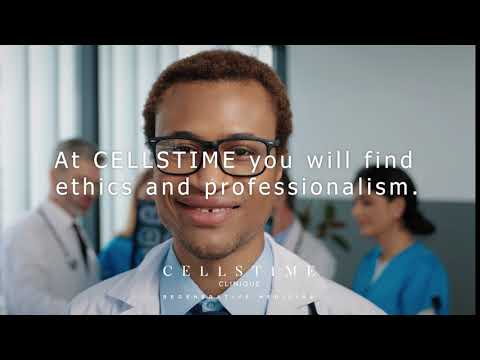
The foundation of any successful medical protocol lies in the integrity of the practitioners providing the care. As highlighted at [00:00], encountering ethics and professionalism in regenerative medicine is paramount for patient safety and successful outcomes. The rapid advancement of cellular therapies requires strict adherence to medical guidelines to ensure that patients receive viable, uncontaminated, and highly effective treatments.
Ethical stem cell clinics prioritize comprehensive patient evaluations before recommending any treatment plan. This means carefully reviewing medical histories, analyzing imaging such as MRIs or X-rays, and establishing realistic expectations regarding tissue regeneration. Professional medical teams understand that while stem cell therapy is highly effective, it is not a magical cure-all, and personalized treatment parameters must be established for each individual.
Furthermore, professionalism extends into the transparency of the cell sourcing and cultivation process. Reputable clinics clearly communicate where their biological materials originate, how they are processed, and the specific cell counts administered during the procedure. This level of transparency builds trust and ensures patients feel secure when traveling for advanced medical procedures.
How Regenerative Medicine in Basketball Improves Recovery?
Professional sports, particularly high-impact activities, put immense stress on the human musculoskeletal system. As seen at [00:03], regenerative medicine in basketball is becoming an essential tool for athletic longevity. The constant jumping, sudden directional changes, and hard landings on the court frequently lead to severe ligament tears, meniscus damage, and chronic cartilage degradation.
Traditionally, a torn ACL or severe patellar tendinopathy would require an athlete to undergo invasive reconstructive surgery followed by six to twelve months of grueling rehabilitation. Today, sports medicine physicians are incorporating mesenchymal stem cells to dramatically alter this timeline. By injecting regenerative properties directly into the site of the micro-tears, the body's natural healing cascade is amplified and accelerated.
This biological acceleration helps reduce the extensive downtime athletes dread. The introduction of growth factors and cytokines helps control localized inflammation quickly, allowing for earlier physical therapy interventions. Consequently, athletes can maintain better muscle mass during recovery and return to competitive play with stronger, more resilient joint structures.
The Shift from Surgical Repair to Cellular Healing
Surgical interventions, while sometimes unavoidable for complete structural ruptures, inherently cause additional trauma to the surrounding healthy tissues. Incisions, scar tissue formation, and prolonged immobilization can lead to secondary complications like joint stiffness and muscular atrophy. Regenerative approaches bypass these surgical downsides by utilizing targeted injection therapies.
Stem cells function as cellular directors within the injured joint, communicating with existing cells to stimulate tissue proliferation. They help construct new collagen fibers and stimulate angiogenesis, which is the formation of new blood vessels. This improved blood flow is critical for delivering oxygen and essential nutrients to avascular areas like the meniscus or the inner tendons, which notoriously struggle to heal on their own.
Accelerated Muscle Repair and Quality of Life
Beyond the professional sports arena, everyday individuals suffer from muscular wear and tear that significantly impacts their daily routines. Mentioned at [00:09], treatments that accelerate muscle repair directly correlate with a vastly improved quality of life. Chronic pain drains energy, limits mobility, and can lead to secondary health issues related to a sedentary lifestyle.
When muscle fibers are overstretched or torn, the body initiates an inflammatory response to clear out damaged cells. While acute inflammation is necessary, chronic inflammation prevents the final remodeling phase of healing. Stem cell treatments help modulate this immune response, preventing the excessive buildup of fibrotic scar tissue. Scar tissue is rigid and lacks the elasticity of healthy muscle, making the area prone to re-injury.
By promoting the regeneration of functional, elastic muscle fibers, cellular therapy restores optimal biomechanics. Patients often report significant reductions in morning stiffness, increased range of motion, and the ability to return to hobbies like gardening, hiking, or recreational sports. Restoring pain-free movement is the ultimate goal of regenerative medicine for muscle repair.
Intravenous vs Localized Stem Cell Injections for Joint Pain
Understanding the application methods of regenerative medicine is crucial for tailoring the treatment to specific medical conditions. The video highlights two primary delivery methods: intravenous application at [00:14] and localized application for specific joints beginning at [00:16]. Each method serves a distinct physiological purpose and offers unique benefits to the patient.
Intravenous (IV) Stem Cell Therapy Benefits
Intravenous stem cell therapy involves infusing millions of viable cells directly into the bloodstream. This systemic approach is highly effective for combating widespread inflammation, autoimmune conditions, and overall cellular aging. Once in the bloodstream, stem cells utilize a process called "homing" to identify chemical signals emitted by damaged tissues throughout the body, migrating to the areas that require the most urgent repair.
Patients receiving IV therapy often experience improvements in energy levels, cognitive function, and generalized joint ache reduction. It is an excellent complementary treatment for those suffering from systemic issues that affect multiple organ systems or widespread musculoskeletal pain.
Localized Stem Cell Injections for Joint Repair
Conversely, localized applications are meticulously targeted. As shown for the shoulder at [00:16], the knee at [00:18], and the elbow at [00:21], this method places a concentrated dose of regenerative cells directly into the site of trauma or degeneration. Physicians often use ultrasound guidance to ensure the precise placement of the cells within the joint capsule or alongside the torn ligament.
For conditions like osteoarthritis, where the protective cartilage has worn away, direct intra-articular injections are necessary to stimulate chondrocytes (cartilage cells) and thicken the synovial fluid. This targeted approach yields the highest concentration of growth factors exactly where the mechanical wear is occurring, providing significant pain relief and functional restoration.
| Application Method | Primary Focus | Best Suited For | Mechanism of Action |
|---|---|---|---|
| Intravenous (IV) | Systemic Healing | Widespread inflammation, fatigue, autoimmune support | Cellular homing through the bloodstream |
| Localized Injection | Targeted Joint Repair | Osteoarthritis, rotator cuff tears, meniscus damage | Direct intra-articular tissue regeneration |
Effective Treatments for Tendon Overuse and Muscle Strains
A significant portion of athletic setbacks are not caused by acute, sudden impacts, but rather by repetitive micro-traumas over long periods. Beginning at [00:30], a distinct list of common physical ailments is presented, which are highly responsive to advanced regenerative protocols. Addressing these issues early prevents minor discomforts from developing into major, career-ending ruptures.
Tendon Overuse Injuries
Conditions like Achilles tendinitis or tennis elbow are classic examples of tendon overuse. Tendons have notoriously poor blood supply, meaning that when they develop micro-tears from repetitive stress, the body struggles to deliver the necessary repair cells to the area. Cellular therapies bridge this gap by manually introducing a high concentration of mesenchymal stem cells directly into the damaged tendon sheath.
This local delivery overrides the poor vascularity, kickstarting the production of Type I collagen, which is essential for restoring the tensile strength of the tendon. Patients who previously suffered from chronic, nagging tendon pain often find that regenerative treatments resolve the underlying structural weakness.
Ankle Sprains and Muscle Strains
Ankle sprains involve the stretching or tearing of the ligaments that support the joint, often leading to chronic ankle instability if not healed correctly. Traditional RICE (Rest, Ice, Compression, Elevation) methods manage acute symptoms but do little to strengthen the torn ligament fibers. Stem cell therapy fortifies the ligament matrix, providing a more robust repair that significantly lowers the risk of future sprains.
Similarly, severe muscle strains benefit from the anti-fibrotic properties of stem cells. When a hamstring or calf muscle is pulled violently, the risk of rigid scar tissue formation is high. Regenerative injections ensure that the muscle fibers heal smoothly and uniformly, maintaining the critical flexibility required for athletic performance.
Addressing Stress Fractures Biologically
Stress fractures are tiny cracks in the bone caused by repetitive force, commonly seen in the feet and lower legs of runners. While bone generally heals well on its own given adequate rest, severe or non-union stress fractures can linger for months. Stem cells interact directly with osteoblasts (bone-forming cells), accelerating the mineralization process and helping to bridge the micro-fractures much faster than natural rest alone.
Top Destinations: Clinics in Guadalajara and Puerto Vallarta
The rise of medical tourism has made advanced healthcare more accessible, and Mexico has firmly established itself as a global leader in regenerative medicine. The video showcases state-of-the-art clinics located in Guadalajara at [00:38] and Puerto Vallarta at [00:48]. These cities offer a unique combination of elite medical infrastructure and conducive recovery environments.
Medical Excellence in Guadalajara
Guadalajara is widely recognized as a major technological and medical hub in Latin America. Choosing a stem cell clinic in Guadalajara means accessing some of the most advanced medical technology and highly specialized orthopedic physicians available. The city boasts modern hospitals, rigorous medical standards, and a deep pool of bilingual healthcare professionals.
Patients traveling to Guadalajara benefit from the urban medical infrastructure, which supports comprehensive pre-procedure diagnostic imaging and thorough specialist consultations. The cost-effectiveness of treatments here, compared to the United States or Canada, does not compromise the quality of care; rather, it allows patients to afford premium, high-dose cellular therapies.
Recovery in Puerto Vallarta
For those who prefer a tranquil environment to facilitate their physical healing, Puerto Vallarta provides an idyllic setting. Post-treatment stress reduction is scientifically proven to enhance the body's immune response and cellular repair mechanisms. The serene coastal atmosphere allows patients to relax fully while the regenerative injections begin their work.
Clinics in Puerto Vallarta cater specifically to international medical tourists, often assisting with travel logistics, comfortable accommodations, and localized transportation. This concierge-level service ensures that the patient's entirely focus remains on their health and recovery, removing the logistical anxieties often associated with traveling abroad for medical care.
- Cost-Effective Premium Care: Access high cell-count therapies at a fraction of North American prices.
- Bilingual Medical Teams: Clear communication regarding protocols, risks, and post-care rehabilitation.
- Advanced Facilities: Clinics equipped with modern sterile environments and comfortable recovery suites.
- Ideal Healing Environments: Choose between robust urban medical hubs or relaxing coastal recovery zones.
Ensuring Safety with a Certified Stem Cell Laboratory
The efficacy and safety of any cellular treatment are inextricably linked to the quality of the biological materials used. Emphasized at [00:57], relying on the safety and confidence of a certified laboratory is non-negotiable. A beautiful clinic is only as effective as the laboratory that cultivates and processes the stem cells administered to the patients.
Certified stem cell laboratories adhere to strict international protocols regarding sterility, cell expansion, and viability testing. When stem cells are harvested, whether autologous (from the patient) or allogeneic (from donated umbilical cord tissue), they must be processed in highly controlled cleanrooms to prevent any risk of bacterial or fungal contamination. Air filtration systems and sterile protective gear are mandatory to maintain these rigorous standards.
Furthermore, a certified lab utilizes advanced flow cytometry equipment to accurately count the number of live, viable mesenchymal stem cells present in a specific dose. This guarantees that patients receive therapeutic quantities of active cells, rather than dead cellular debris. By ensuring stringent quality control at the laboratory level, clinics can confidently deliver highly effective and exceptionally safe regenerative medicine treatments.
Ready to Accelerate Your Recovery?
Discover how customized regenerative medicine protocols in premier Mexican clinics can heal your sports injuries and eliminate chronic joint pain. Contact us today for a comprehensive evaluation.
Get Free QuoteView Full Video Transcript
[00:00] At CELLSTIME you will find ethics and professionalism.
[00:03] REGENERATIVE medicine in basketball.
[00:06] Improves recovery from injuries
[00:09] Accelerates muscle repair.
[00:10] Improves quality of life.
[00:12] Intravenous application
[00:16] localized application on shoulder
[00:18] localized application on the knee
[00:21] localized application on the elbow
[00:30] Tendon overuse injuries - Ankle sprain - Muscle Strain - Stress fracture
[00:38] GUADALAJARA
[00:48] PUERTO VALLARTA
[00:57] safety and confidence of a CERTIFIED laboratory.


















Share this listing