


Professional combat sports demand an extreme physical toll, making finding effective stem cell therapy for boxing injuries in Mexico a top priority for elite fighters. The relentless impact of training and competition frequently leads to debilitating musculoskeletal damage and complex neurological challenges. Traditional rehabilitation methods often fall short when addressing the deep tissue trauma and chronic inflammation experienced by high-level athletes over a prolonged career.
Advanced regenerative medicine provides a groundbreaking approach to repairing damaged tissues at a cellular level. By utilizing cutting-edge cellular protocols, medical professionals are helping active and retired fighters manage severe conditions ranging from chronic neuropathy to extensive cartilage deterioration. This specialized care is transforming the landscape of sports medicine, offering renewed hope for sustained mobility, cognitive preservation, and a significantly improved quality of life post-retirement.
Video Chapters
Understanding Chronic Trauma Neuropathy Treatment in Combat Sports
The rigorous nature of professional boxing exposes athletes to repetitive impact, leading to severe physiological consequences over time. One of the most common and devastating ailments in the ring is chronic trauma neuropathy, a condition highlighted at [00:02]. This specific type of nerve damage occurs from blunt force trauma, causing demyelination and axonal degeneration within the peripheral and central nervous systems.
Chronic trauma neuropathy treatment requires a sophisticated approach because nerve tissue heals notoriously slowly compared to muscle or skin. Fighters suffering from this condition often experience persistent pain, numbness, tingling, and a significant loss of reflexive speed. Standard pain management protocols typically mask these symptoms rather than addressing the underlying structural damage to the nerve fibers.
Regenerative medicine offers a promising alternative by focusing on neuroregeneration rather than mere symptom suppression. Cellular therapies work to reduce the localized neuroinflammation that exacerbates nerve damage after repeated strikes. By introducing potent biological agents into the damaged areas, medical professionals aim to stimulate the body's intrinsic repair mechanisms, encouraging the regrowth of healthy neural pathways.
Addressing Cognitive and Motor Deterioration in Boxers
The cumulative effect of sub-concussive and concussive blows leads to profound neurological changes in combat athletes. As noted at [00:09], these injuries directly cause significant cognitive and motor deterioration. This deterioration manifests as slowed reaction times, poor coordination, and difficulties with balance, which are critical faculties for any professional fighter.
Treatment for cognitive deterioration in boxers is a highly specialized field within sports neurology. The brain trauma triggers an inflammatory cascade that can lead to the accumulation of harmful proteins, disrupting normal neural communication. Patients often report memory deficits, difficulty concentrating, and extreme fatigue that persists long after they have left the training camp or the arena.
Furthermore, behavioral changes are a closely associated symptom, explicitly mentioned at [00:10]. Fighters may experience sudden mood swings, heightened aggression, or severe depression as a direct result of frontal lobe trauma. Stem cell interventions are currently being researched and utilized for their neuroprotective properties, aiming to halt the progression of these degenerative cognitive and behavioral shifts.
Overcoming Musculoskeletal Injuries in Boxing Recovery
Beyond neurological trauma, the physical biomechanics of boxing place extraordinary stress on the skeletal and muscular structures. Musculoskeletal injuries in boxing recovery are complex due to the interconnected nature of the kinetic chain used to generate punching power. From the feet pivoting on the canvas to the impact of the knuckles, every joint and tendon is subjected to immense shearing and compressive forces.
These repetitive stresses lead to micro-tears in the muscle fibers and profound strain on the connective tissues. When fighters do not have adequate time to heal between training camps, these micro-traumas compound into major, debilitating injuries. Conventional treatments like corticosteroid injections often weaken the tendons over time, making surgical intervention seem inevitable for many aging athletes.
This is where regenerative medicine for sports injuries changes the paradigm of athletic rehabilitation. Instead of cutting away damaged tissue or artificially reducing inflammation with steroids, regenerative therapies seek to rebuild the structural integrity of the joint. This approach is vital for boxers who need to maintain maximum flexibility and explosive power without risking the sudden structural failure of a weakened tendon.
Stem Cell Treatment for Tendinitis Recovery
Tendinitis is an unavoidable occupational hazard for combat athletes, clearly identified as a primary concern at [00:10]. Rotator cuff tendinitis, bicep tendinitis, and Achilles tendinopathy plague fighters, severely limiting their offensive output and defensive mobility. The constant snapping motion of jabs and hooks creates immense friction and micro-tearing in the tendon sheaths.
Stem cell treatment for tendinitis recovery provides a biological scaffold for healing that outpaces natural physiological responses. Tendons have poor blood supply, which is why they heal so slowly and are prone to chronic inflammation. By injecting concentrated cellular material directly into the inflamed tendon, doctors can flood the avascular tissue with the growth factors necessary for rapid repair.
This localized application helps to synthesize new collagen fibers, aligning them correctly to restore the tendon's tensile strength. For a professional boxer, regaining this elasticity is the difference between a career-ending injury and a successful return to championship contention. The regenerative approach ensures the healed tissue is resilient, rather than rigid and prone to re-injury.
Targeted Solutions for Cartilage Deterioration Repair
The constant bouncing, pivoting, and impact absorption leads to rapid cartilage deterioration, an issue emphasized at [00:11]. Cartilage provides the crucial cushioning between bones in the knees, shoulders, and hands. Once this smooth tissue wears away, athletes are left with painful bone-on-bone friction, severely limiting their athletic lifespan.
Cartilage deterioration repair with stem cells is one of the most sought-after treatments in modern sports medicine. Because adult cartilage lacks the intrinsic ability to regenerate itself, traditional orthopedics relies on joint replacement once the damage is severe. Regenerative therapies, however, introduce cells capable of differentiating into chondrocytes, the building blocks of new cartilage tissue.
This therapeutic process not only helps in rebuilding the protective meniscal and articular cartilage but also dramatically alters the toxic, inflammatory environment within the joint capsule. Furthermore, advanced therapies are utilized to accelerate the healing of severe acute trauma, such as a maxillary fracture seen at [00:12]. Promoting rapid osteogenesis (bone formation) ensures fighters can return to sparring with a structurally sound skeletal framework.
The Science Behind Mesenchymal Stem Cell Therapy for Athletes
The cornerstone of these advanced restorative protocols is mesenchymal stem cell therapy for athletes. As explained in the clinical overview at [00:27], regenerative medicine aims to restore, maintain, and improve damaged tissues specifically through the application of mesenchymal stem cells (MSCs). These multipotent cells act as the body's internal repair system.
MSCs possess a unique "homing" capability, allowing them to detect signals of distress and inflammation within the body. Once administered, they migrate directly to the sites of tissue injury, whether that is a frayed rotator cuff or neuroinflammation in the brain. Upon arrival, they do not merely replace dead cells; they orchestrate a massive healing response.
They achieve this through paracrine signaling, releasing an abundance of exosomes, cytokines, and growth factors. These biological signals instruct the surrounding host cells to reduce inflammation, prevent further cell death (apoptosis), and stimulate local blood vessel growth (angiogenesis). This comprehensive biological modulation is why MSCs are considered the gold standard in regenerative medicine for sports injuries.
Why Elite Fighters Seek Advanced Therapy in Specialized Clinics
Athletes from around the world are increasingly traveling to specialized international hubs to access these advanced treatments. The cost of stem cell therapy in Mexico for athletes is often more accessible, but more importantly, the regulatory environment allows for the use of highly expanded, culturally multiplied stem cell lines. This allows doctors to administer vastly higher cell counts than typically permitted in other jurisdictions.
Higher cell counts correlate directly with more potent anti-inflammatory and regenerative outcomes. Clinics equipped with state-of-the-art laboratories can harvest, isolate, and cultivate these cells to ensure maximum viability and efficacy. For a professional boxer whose livelihood depends entirely on physical optimization, accessing the most potent cellular therapies available is a necessary investment.
These international specialized clinics provide comprehensive care protocols that combine cellular injections with hyperbaric oxygen therapy, intravenous nutrition, and targeted physical rehabilitation. This multidisciplinary approach ensures that the stem cells are placed in the most optimal biological environment to thrive, multiply, and repair the devastating damage caused by years of professional fighting.
Clinical Support for Diagnosed Boxers and Athletes
The implementation of these advanced therapies requires specialized infrastructure and deep clinical expertise. Institutions like Cellstime Clinique, shown at [00:16], represent the forefront of this medical frontier. They focus exclusively on regenerative medicine protocols tailored to the unique physiological demands of high-performance athletes.
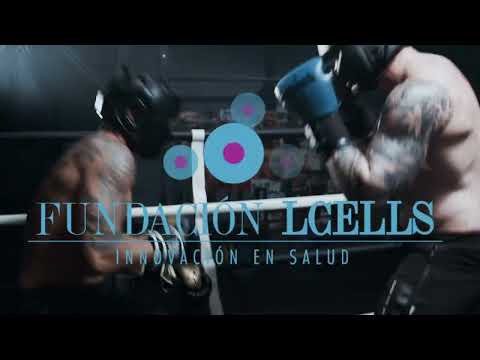
Furthermore, initiatives like Foundation Lcells, highlighted at [00:18], demonstrate a commitment to innovation in health. These organizations prioritize research and development to continually refine cellular delivery methods and improve patient outcomes. Their work is vital in establishing standardized, evidence-based protocols for treating complex sports-related traumas.
In collaboration, these medical entities provide crucial support to boxers diagnosed with debilitating injuries, as stated at [00:21]. Providing this level of specialized care requires comprehensive diagnostic imaging, precise targeted injections, and long-term monitoring. By offering accessible, advanced treatments, they are effectively extending athletic careers and ensuring better health outcomes long after the fighters leave the ring.
Boxing Legends Choosing Regenerative Medicine for Longevity
The efficacy and safety of these advanced cellular treatments are frequently validated by the high-profile athletes who choose to undergo them. Prominent figures in the boxing world are increasingly turning to regenerative medicine to heal the accumulated damage of legendary careers. The public adoption of these therapies by esteemed champions helps destigmatize the pursuit of advanced medical recovery.
For example, retired boxer Marco Barrera is shown receiving intravenous regenerative treatment at [00:32]. Similarly, boxing icon Julio Cesar Chavez is documented receiving the same cellular therapy at [00:35]. Their participation highlights the critical importance of these treatments not just for active competition, but for ensuring a high quality of life during retirement.
When athletes of this caliber endure decades of punishment, their bodies require profound systemic intervention to combat chronic pain and cognitive decline. Intravenous application of mesenchymal stem cells allows the therapeutic agents to circulate systemically, targeting widespread inflammation across various organ systems and joints simultaneously. This systemic repair is invaluable for retired athletes managing the complex, multi-site damage inherent to combat sports.
Comparing Conventional Treatments vs Regenerative Therapies
Understanding the fundamental differences between traditional sports orthopedics and regenerative cellular medicine is essential for athletes evaluating their recovery options. Traditional methods often focus on mechanical fixes and symptom management. Corticosteroids provide temporary relief but degrade tissue, while surgical interventions carry long recovery times and the risk of permanent scar tissue formation.
Regenerative therapies, conversely, focus on biological restoration. By utilizing the patient's own biological mechanisms, amplified by concentrated mesenchymal cells, the focus shifts to actual tissue regeneration. This significantly reduces downtime and mitigates the risks associated with invasive surgical procedures and general anesthesia.
| Treatment Feature | Traditional Treatments (Surgery/Steroids) | Mesenchymal Stem Cell Therapy |
|---|---|---|
| Mechanism of Action | Mechanical repair, artificial inflammation suppression | Biological regeneration, targeted cellular healing |
| Recovery Timeline | Prolonged (months to years), high downtime | Accelerated, minimal downtime required |
| Long-Term Tissue Health | Potential for scarring, weakened structural integrity | Restores native tissue strength and elasticity |
| Systemic Benefits | Highly localized, carries systemic side effects | Provides comprehensive anti-inflammatory benefits |
Navigating the Process of Cell Therapy for High-Impact Sports Trauma
The journey toward cellular recovery begins with a comprehensive medical evaluation to determine the specific nature and extent of the athletic trauma. Specialized physicians conduct detailed imaging studies, including MRIs and advanced neurological assessments, to map out the damaged areas. This precise diagnostic phase is critical for formulating an individualized treatment protocol tailored to the athlete's specific injuries.
Once a treatment plan is established, the application of stem cell therapy for boxing injuries is typically performed in an outpatient clinical setting. Depending on the targeted injury, the administration method may vary. For localized joint issues like severe tendinitis or cartilage wear, doctors utilize ultrasound-guided injections to deliver the cells directly into the damaged capsule with pinpoint accuracy.
For more systemic issues, such as chronic trauma neuropathy or the prevention of cognitive decline, intravenous (IV) infusions are frequently employed. The IV method ensures the therapeutic cells circulate throughout the bloodstream, crossing the blood-brain barrier where possible, and homing in on areas of widespread neuroinflammation. Post-treatment, patients undergo monitored rehabilitation to maximize the cellular integration and ensure optimal physical restoration.
Ready to Accelerate Your Athletic Recovery?
Don't let chronic pain or recurring injuries dictate your career or your retirement. Discover how advanced regenerative medicine protocols can help repair tissue damage and restore your mobility.
Get Free QuoteView Full Video Transcript
[00:00] [Visual: Boxer throwing punches in slow motion surrounded by smoke.]
[00:01] UNO DE LOS PADECIMIENTOS MÁS COMUNES EN EL BOX ES LA NEUROPATÍA CRÓNICA POR TRAUMA Y LAS LESIONES MUSCULOESQUELÉTICAS. (One of the most common conditions in boxing is chronic trauma neuropathy and musculoskeletal injuries.)
[00:07] [Visual: Professional boxing match footage showing heavy body and head shots.]
[00:09] CAUSANDO DETERIORO COGNITIVO Y MOTOR (Causing cognitive and motor deterioration)
[00:10] TENDINITIS (Tendinitis) / CAMBIOS CONDUCTUALES (Behavioral changes)
[00:11] DETERIORO DE CARTÍLAGO (Cartilage deterioration)
[00:12] FRACTURA MAXILAR (Maxillary fracture)
[00:16] [Visual: Cellstime Clinique Medicina Regenerativa Logo over boxer training.]
[00:18] [Visual: Fundación Lcells Innovación en Salud Logo.]
[00:21] EN COLABORACIÓN BRINDAMOS APOYO A BOXEADORES DIAGNOSTICADOS CON LESIONES (In collaboration we provide support to boxers diagnosed with injuries)
[00:25] [Visual: Athlete jumping rope outdoors.]
[00:26] LA MEDICINA REGENERATIVA RESTAURA, MANTIENE Y MEJORA LOS TEJIDOS DAÑADOS A TRAVÉS DE LA APLICACIÓN DE CELULAS MADRE MESENQUIMALES (Regenerative medicine restores, maintains and improves damaged tissues through the application of mesenchymal stem cells)
[00:31] [Visual: Marco Barrera sitting in a clinical chair receiving an IV drip.]
[00:32] MARCO BARRERA BOXEADOR RETIRADO (Marco Barrera Retired Boxer)
[00:34] [Visual: Julio Cesar Chavez sitting in a clinical chair, smiling, receiving an IV drip.]
[00:35] JULIO CESAR CHAVEZ BOXEADOR RETIRADO (Julio Cesar Chavez Retired Boxer)
.png)


-(7).png)


-(5).png)





-(3).png)









Share this listing