


Severe thermal injuries leave lasting physical and emotional marks that traditional medicine struggles to erase completely. Historically, complex burn recovery has relied heavily on standard skin grafts and basic surface-level scar management protocols. However, patients facing extensive dermal damage require significantly more advanced biological solutions to achieve functional tissue healing.
Stem cell therapy for burn scars in Mexico has rapidly emerged as a groundbreaking medical intervention for severe trauma cases. This innovative procedure utilizes targeted cellular regeneration to restore damaged tissue, offering a vital alternative when conventional methods fall short. By leveraging multipotent mesenchymal cells, medical professionals can significantly improve skin elasticity and diminish severe scar thickness.
Video Chapters
Understanding Third-Degree Burns and The Need for Skin Grafts
The Immediate Impact of Severe Thermal Injuries
Third-degree burns represent a catastrophic destruction of the human skin barrier. These severe thermal injuries penetrate entirely through the epidermis and dermis layers. They completely eradicate the body's natural reservoir of regenerative cells and essential adnexal structures like hair follicles.
Because the deep dermal nerve endings are incinerated, the initial injury may paradoxically lack acute sharp pain. However, the comprehensive tissue loss leaves the patient extremely vulnerable to life-threatening bacterial infections. Medical professionals in specialized burn units must act immediately to stabilize the patient's systemic shock response.
Patients typically endure prolonged hospitalizations requiring intensive daily medical management. Extensive wound care and surgical debridement are necessary to prevent sepsis and prepare the tissue beds. Surviving the acute phase of a third-degree burn requires immense physical resilience and specialized intensive care.
The Necessity of Autologous Skin Grafting
When the body cannot regenerate its own skin, surgeons must intervene with specialized skin grafting procedures. An autologous skin graft involves harvesting healthy skin from an undamaged area of the patient's body. This harvested tissue is then meticulously transplanted over the surgically excised burn wound.
As noted by burn survivors, these intensive procedures require extensive hospital stays. [00:10] Patients often spend upwards of three months undergoing multiple reconstructive surgeries to cover the damaged areas. Skin grafts are absolutely non-negotiable for closing massive open wounds and preventing fatal physiological complications.
Surgeons typically utilize split-thickness skin grafts for extensive burns to minimize donor site trauma. These specific grafts include the entire epidermis but only a small fraction of the dermis. While easier to harvest rapidly, they contract significantly during the healing phase, which drastically worsens the final aesthetic outcome.
Long-Term Complications of Transplanted Skin
Unfortunately, grafted skin rarely behaves or appears exactly like native human skin. The transplanted tissue lacks functional sebaceous glands, leading to chronic surface dryness and severe localized itching. Furthermore, the total absence of normal elastic fibers makes the new skin highly prone to tearing.
The surgical seams where grafts interface with normal skin are highly problematic for long-term recovery. [00:14] These border areas frequently develop thick, raised formations medically known as hypertrophic scars. These rigid scars often restrict critical joint mobility and present significant daily functional challenges.
Common Scar Complications Following Burn Injuries
- Hypertrophic Scarring: Raised, thick, and rigid tissue formations along the surgical graft lines.
- Joint Contractures: Severely tightened skin that restricts natural musculoskeletal movement.
- Chronic Pruritus: Persistent, agonizing itching due to the complete absence of natural oil glands.
- Hypersensitivity: Abnormal nerve regeneration leading to exaggerated and painful sensory responses.
The Limitations of Laser Treatments for Severe Burn Scars
Analyzing Traditional Laser Therapy Mechanisms
Dermatologists often rely on clinical laser therapy to manage superficial scarring from minor injuries. Fractional lasers work by delivering intense microscopic columns of heat directly into the dermal layers. This highly controlled thermal damage is intended to stimulate new collagen production in otherwise healthy individuals.
However, the tissue architecture of a severe burn scar is fundamentally altered at a molecular level. The rigid, disorganized collagen bundles do not respond predictably to thermal ablation. Applying intense heat to an area that originally sustained a thermal injury can rapidly trigger excessive inflammatory cascades.
Fractional CO2 lasers ablate targeted tissue by aggressively vaporizing water inside the skin cells. In a burn scar, the natural water content and cellular structure are already highly abnormal. This unique thermal collateral damage can easily cause localized tissue necrosis in sensitive skin grafts.
Why Fragile Skin Grafts Reject Thermal Treatments
The specialized skin covering a deep burn wound is exceptionally thin and highly fragile. It entirely lacks the protective, shock-absorbing dermal cushion found in healthy, uninjured tissue. Because of this inherent structural weakness, doctors strongly caution against aggressive cosmetic laser procedures.
Medical specialists must thoroughly evaluate the scar tissue to prevent further iatrogenic damage. [00:27] Patients are frequently warned by honest practitioners that laser applications could significantly worsen the aesthetic appearance. Burning already compromised tissue repeatedly can lead to delayed ulceration and increased structural rigidity.
The professional rejection of conventional laser therapies forces patients to seek much safer alternatives. This medical roadblock often directly initiates the desperate search for advanced treatments that rebuild rather than ablate. Regenerative biological interventions quickly become the logical next step for optimal severe trauma recovery.
Comparing Modalities: Traditional vs. Regenerative Options
| Treatment Type | Core Mechanism | Impact on Fragile Skin | Expected Outcome |
|---|---|---|---|
| Fractional Lasers | Thermal tissue ablation | High risk of necrosis | Superficial cosmetic changes |
| Stem Cell Therapy | Cellular immunomodulation | Biologically compatible | Deep dermal restructuring |
| Surgical Excision | Physical tissue removal | Creates new surgical wounds | Variable scar recurrence |
How Regenerative Medicine Enhances Burn Recovery?
The Biological Power of Mesenchymal Stem Cells
Regenerative medicine focuses heavily on restoring native tissue architecture rather than just managing topical symptoms. Mesenchymal stem cells represent the absolute cornerstone of these advanced dermal therapies. These powerful multipotent cells have the unique biological capacity to modulate an overactive immune system.
Upon precise injection, these cells release a highly concentrated array of vital exosomes and growth factors. These biochemical signals actively instruct the local fibrotic cells to stop overproducing dense, rigid collagen. Simultaneously, they stimulate the rapid formation of a healthy, pliable extracellular matrix beneath the skin.
Mesenchymal stem cells specifically possess unique immunomodulatory properties that effectively calm aggressive localized immune responses. When seamlessly deployed into a scar, they halt the continuous cycle of chronic tissue inflammation. This biological pacification is entirely essential for permanently remodeling stubborn, fibrotic tissue.
Rebuilding the Extracellular Matrix
Introducing young, healthy fibroblasts helps drastically restructure the damaged dermal matrix. These specialized cells synthesize critical new elastin fibers, providing the natural stretch and flexibility missing in scarred skin. This comprehensive dual-action approach targets both the dense architectural and inflammatory components of the injury.
This targeted cellular intervention directly addresses the deep underlying cause of hypertrophic scarring. Instead of merely burning the surface layer, the therapy intelligently remodels the tissue at a deep molecular level. The ultimate clinical result is a massive structural transformation that permanently enhances both function and appearance.
The Crucial Role of Medical Foundations
Accessing these highly advanced biological treatments requires specialized infrastructure and dedicated expert personnel. Dedicated biomedical foundations consistently bridge the gap between experimental laboratory research and practical patient care. [00:37] They meticulously evaluate complex burn cases to determine the most effective regenerative protocols available.
These dedicated organizations provide a structured, supportive pathway for patients who have exhausted traditional medical options. By offering highly comprehensive case management, they ensure that sensitive cellular therapies are administered perfectly. The thorough initial evaluation process guarantees that the patient's specific physiological needs are met with precision.
Designing a Comprehensive Treatment Plan for Severe Scars
Rigorous Initial Patient Evaluation
Before ever initiating advanced cellular therapy, medical teams must conduct exhaustive clinical assessments. Physicians closely analyze the specific vascularity, deep thickness, and overall age of the burn scars. [00:50] This detailed physical mapping identifies the precise tissue areas that will benefit most from targeted cellular injections.
Accurately determining clinical candidacy is an absolutely essential step to ensure optimal therapeutic outcomes. Not all scarred tissue presents the exact same biological markers necessary for cellular regeneration. Establishing highly realistic medical expectations during this phase effectively prevents future patient disappointment.
Committing to an Eight-Month Cellular Journey
Deep tissue remodeling driven by advanced regenerative medicine is a very gradual biological process. A standard comprehensive protocol often spans a full eight-month treatment timeline to achieve maximal results. [00:56] This extended duration allows the freshly implanted cells to establish themselves and begin sustained tissue repair.
Patients undergo sequential, customized treatment sessions spaced strategically over these passing months. The necessary intervals permit the body to process the new cellular signals without becoming overwhelmed by systemic inflammation. Consistent, scheduled follow-up care is entirely mandatory to closely track the progression of the regenerating tissue.
This lengthy clinical commitment highlights the profound difference between superficial cosmetics and true medical healing. Immense patience is heavily required as the microscopic cellular changes slowly translate into macroscopic improvements. The inherently gradual nature of the therapy perfectly ensures long-lasting, highly stable tissue integration.
Navigating Pain Management and Skin Sensitivity During Therapy
Understanding Hyperalgesia in Burn Scars
Trauma survivors live with fundamentally altered peripheral nervous systems in their heavily scarred areas. The grafted skin frequently suffers from severe hyperalgesia, which is an amplified sensitivity to normal tactile stimuli. Even minor necessary medical procedures can trigger vastly disproportionate and painful sensory responses.
During specialized regenerative treatments, micro-injections directly into the dense scar tissue can cause notable physical discomfort. [01:00] The sheer mechanical pressure of inserting therapeutic fluids into rigid collagen bundles creates localized tension. Clinicians must actively employ sophisticated pain management protocols to heavily mitigate this acute physiological stress.
Carefully introducing stem cells can also actively promote neurogenesis within the damaged tissue beds. This biological process might temporarily alter neurological sensations before fully normalizing them. Understanding this temporary sensory flux helps patients mentally prepare for the healing journey.
Delivering Empathetic and Humane Care
High technical medical proficiency is woefully incomplete without deep, genuine human empathy. When doctors actively acknowledge and immediately manage a patient's pain, they build truly indispensable trust. Adjusting procedural injection techniques based on real-time pain feedback is a distinct hallmark of excellent clinical care.
Dedicated medical staff often utilize specialized topical anesthetics and modified, slower injection speeds. They carefully monitor the patient's individual tolerance levels continuously to ensure the experience remains fully manageable. This compassionate approach is absolutely critical for individuals whose reconstructed skin remains agonizingly sensitive.
Prioritizing patient comfort heavily reduces the immense psychological friction associated with continuous medical visits. A supportive clinical environment actively encourages patients to complete their long-term treatment protocols without fear. The seamless integration of advanced science and human kindness forms the unshakable foundation of true medical healing.
Physical and Emotional Healing Through Stem Cells
The Hidden Psychological Burden of Burn Injuries
Severe thermal trauma inevitably leaves deep, lasting scars on the human psyche as well as the body. Burn survivors frequently navigate intense, daily social anxiety and a profoundly altered personal self-image. The highly visible nature of massive skin grafts forces individuals to confront their traumatic memories daily.
Many patients fundamentally alter their daily lifestyles and wardrobes specifically to conceal their physical injuries. This chronic, exhausting self-consciousness can rapidly isolate individuals from their essential support networks. True comprehensive rehabilitation must aggressively address these profound psychological wounds directly alongside the physical dermal damage.
Restoring Self-Worth Through Tangible Results
Observing positive, undeniable physical changes acts as a remarkably powerful catalyst for mental recovery. As the rigid, uncomfortable scars begin to soften visibly, patients experience a profound emotional shift. [01:14] The realization that their physical condition is actively improving quickly alleviates years of stagnant, heavy anxiety.
Gaining core confidence back finally allows trauma survivors to reintegrate fully into their personal and professional lives. They happily shed the heavy psychological armor they previously wore to protect their altered physical appearance. This newfound, deep self-assurance is perhaps the absolute most significant clinical outcome of successful regenerative therapy.
Healing the damaged skin inherently rebuilds the individual's foundational self-esteem from the ground up. The beautiful synergy between precise cellular repair and mental well-being creates a comprehensive path to full holistic recovery. Modern, progressive medicine fully recognizes that treating the visible scar simultaneously heals the painful invisible trauma.
Measuring Visible Improvements in Burn Scars
Clinical Metrics for Scar Evaluation
Tracking the true biological efficacy of cellular therapies heavily relies on specific, measurable clinical metrics. Professional dermatologists closely monitor positive changes in the scar's absolute height, overall pliability, and vascular congestion. Over the course of the regenerative treatment, the constant localized inflammation that fuels hypertrophic growth finally begins to subside.
This notable reduction in underlying dermal swelling directly contributes to a much flatter tissue profile. [01:32] The treated scars transition beautifully from angry, raised welts to smoother surfaces that seamlessly match adjacent skin. Furthermore, the intense red and purple discoloration gradually normalizes closely toward natural skin pigmentation.
Medical practitioners frequently employ the standardized Vancouver Scar Scale to quantify therapeutic progress highly objectively. This reliable clinical tool thoroughly evaluates pigmentation, vascularity, pliability, and total tissue height. Consistent score reductions mathematically confirm the biological efficacy of the applied cellular interventions.
Celebrating Significant Clinical Milestones
Reaching a clearly documented 45 percent overall improvement marks a massive clinical triumph for the medical team. [01:42] In the specific context of severe third-degree burns, achieving nearly half a reduction in scar severity is monumental. It represents a truly drastic upgrade in crucial joint flexibility and daily physical comfort for the survivor.
Improved pliability specifically translates directly to vastly better functional movement for the recovering patient. When heavy scars spanning across major joints become softer, the dangerous risk of debilitating contractures plummets. This functional musculoskeletal restoration is absolutely just as critical as the visible aesthetic improvements.
While completely erasing a deep third-degree burn scar remains scientifically impossible, these significant reductions alter a patient's life trajectory. Setting highly realistic goals based precisely on these clinical milestones helps manage patient expectations globally. The quantifiable data extracted from these successes continues to actively validate stem cell applications in trauma care.
Why International Patients Seek Stem Cell Treatment in Mexico?
Leading the Way in Advanced Biotechnology
The current global landscape of advanced medical treatments is geographically highly uneven and restricted. Many global patients sadly discover that comprehensive stem cell therapies are heavily restricted in their native healthcare systems. Consequently, specialized, high-tech clinics in Mexico have powerfully emerged as premier global destinations for targeted regenerative medicine.
These elite international facilities operate strictly under rigorous biosecurity protocols and employ world-class biomedical researchers. They proudly house advanced tissue engineering laboratories fully capable of producing high-viability customized cellular treatments. Patients willingly travel internationally specifically to actively access these unrestricted, cutting-edge medical technologies.
Major cities across Mexico have intelligently invested heavily in building world-class medical tourism infrastructure. These modern urban centers host internationally accredited hospitals fully equipped with the latest biotechnological surgical tools. Patients arriving from abroad find dedicated clinical concierge services that flawlessly manage everything from medical appointments to local accommodations.
Delivering Life-Altering Medical Interventions
The perfect intersection of high-tier medical expertise and ultimate cost accessibility heavily drives the medical tourism industry. Affordable stem cell treatments abroad actively allow trauma survivors to precisely access therapies that would otherwise be financially impossible. The profound, lasting impact of these advanced treatments extends far beyond simple cosmetic enhancement.
Providing an advanced intervention that fundamentally changes a person's entire world is the absolute pinnacle of medical achievement. [01:49] The deep, heartfelt gratitude expressed by recovered patients highlights the vital, life-saving importance of borderless healthcare. Affordable stem cell treatments abroad allow struggling trauma survivors to beautifully rewrite their future medical outcomes.
As sophisticated regenerative science continues to advance rapidly, these dedicated international clinics will firmly remain at the forefront of severe burn care. The highly successful clinical application of mesenchymal stem cells sets a brilliant new global standard for non-surgical tissue restoration. Empowering traumatized patients with tangible biological healing ultimately restores their absolute quality of life.
Explore Advanced Scar Treatments Today
Discover how customized regenerative medicine and stem cell therapy for burn scars in Mexico can dramatically transform your ongoing recovery journey. Connect directly with top international medical experts to receive a highly personalized evaluation.
Get Free QuoteView Full Video Transcript
00:00
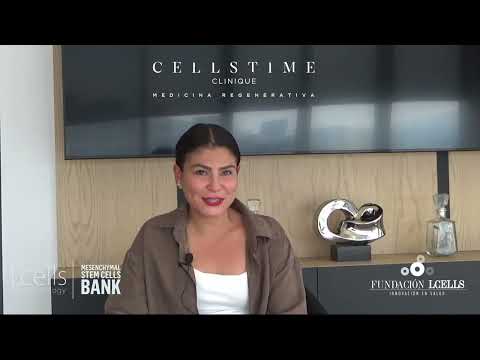
Me llamo Perla Nayeli. Tengo 24 años.
00:06
Mi recuperación fue muy lenta. De tercer grado fueron mis quemaduras.
00:10
En el hospital me aventé tres meses, cuando me operaron los brazos.
00:14
Necesité injertos y esto provocó que mis cicatrices pues crecieran un poco, que no fueran del todo bonitas.
00:23
Mi primer acercamiento a la fundación fue el año pasado.
00:27
Por un doctor que hacía láser, me dijo de que, ¿sabes qué? Si yo te hago el láser, te voy a lastimar un poco más, te voy a hacer más feas tus cicatrices.
00:37
Me marcaron y me dijeron que la fundación me había aceptado. Que había aceptado mi caso.
00:43
Y pues, comencé mi tratamiento. Me hicieron primero una revisión. Y fue como comencé con la fundación.
00:50
En la revisión lo primero que me dijeron era que era candidata.
00:56
Que iba a necesitar para empezar 8 meses de tratamiento.
01:00
De dolor, este, sí fue un poco. Pero son siempre muy humanos.
01:06
O sea, si ven que te están doliendo, tratan de mejorar, que sea menos el dolor que tú sientas.
01:12
Porque pues mi piel es demasiado sensible.
01:14
Me siento mucho mejor. Porque sé que están mejorando las cosas.
01:18
Sé que están mejorando mis cicatrices. Hay resultados y eso es lo que me hace feliz.
01:24
Físicamente veo muchos resultados y emocionalmente también yo me siento más feliz y muchísimo más confiada de mí misma.
01:32
Lo he visto rápido. Me decían, tus cicatrices están menos hinchadas.
01:38
Están más bajas, la coloración ha mejorado.
01:42
Va yo creo de un 100% de mejoría sin exagerar, yo podría decir que va un 45% de mejoría.
01:49
Gracias de todo corazón. Está muy padre que a una persona le cambies el mundo.
01:56
Y conmigo lo están haciendo. Y muchísimas gracias.

.png)



-(5).png)


-(3).png)
-(9).png)
-(10).png)








Share this listing