


Living with debilitating lower back pain can severely diminish your quality of life, making even the simplest daily tasks feel insurmountable. For those suffering from persistent discomfort, exploring advanced stem cell therapy for herniated disc in Mexico offers a groundbreaking, non-surgical pathway to profound relief. This innovative regenerative treatment bypasses the immense risks of traditional spinal surgery by utilizing the body's natural healing mechanisms. Patients worldwide are now turning to specialized orthopedic clinics across the border to restore their spinal health. By addressing the root cause of disc degeneration, regenerative medicine for lower back pain treatment is revolutionizing modern orthopedics.
Lower back pain, clinically referred to as lumbalgia, is one of the most common reasons individuals seek orthopedic consultation globally. The condition often stems from structural compromises within the spinal column, particularly involving the intervertebral discs that act as crucial shock absorbers. When these discs deteriorate or bulge out of their designated spaces, the resulting nerve compression triggers intense, radiating agony. Historically, patients were restricted to prolonged physical therapy, heavy dependence on pharmaceutical analgesics, or invasive surgical procedures with lengthy recovery periods.
Today, the landscape of spinal care has shifted dramatically toward minimally invasive biological interventions. Utilizing mesenchymal stem cell infiltration for spinal discs allows specialists to target damaged tissues precisely at the cellular level. This approach not only mitigates localized inflammation but also promotes the structural regeneration of the affected disc components. As a result, individuals suffering from chronic lumbar issues can achieve sustainable pain relief and enhanced mobility without the severe downtime associated with conventional operations.
Video Chapters
Advanced Stem Cell Therapy for Herniated Disc in Mexico
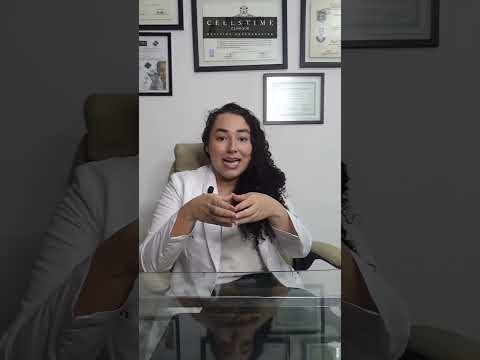
The emergence of advanced stem cell therapy for herniated disc in Mexico has positioned the country as a leading destination for cutting-edge medical tourism. Highly trained orthopedic specialists, such as those at specialized regenerative centers [00:00], utilize state-of-the-art biological therapies to treat complex musculoskeletal conditions. By leveraging concentrated cellular treatments, these clinics provide viable non-surgical herniated disc treatment options that rival global medical standards. The integration of advanced biotechnology with expert orthopedic care ensures optimal patient outcomes.
Choosing this specialized treatment across the border allows patients to access top-tier medical innovations at a fraction of the cost found in other healthcare systems. Mexican orthopedic centers operate under rigorous health regulations, ensuring that all regenerative protocols are both safe and highly effective. Medical tourists receive comprehensive care packages that encompass everything from initial radiological assessments to post-procedure rehabilitative guidance. This holistic approach guarantees that every aspect of the patient's spinal health is meticulously managed.
Moreover, the customized nature of cellular therapy means that each treatment protocol is tailored to the individual's specific spinal pathology. Physicians conduct thorough structural evaluations to determine the precise volume and delivery method of the cellular agents. By focusing on individualized care, these specialized facilities maximize the regenerative potential of the therapy. Patients benefit from a deeply personalized medical journey that prioritizes long-term functional recovery.
Why Patients Seek Regenerative Medicine for Lower Back Pain Treatment?
Chronic lower back pain frequently resists conventional conservative therapies, leaving patients frustrated and dependent on temporary symptom management. Regenerative medicine for lower back pain treatment addresses the fundamental biological deficits that cause spinal instability. Rather than merely masking the discomfort with potent medications, biological therapies actively repair the degraded structural matrix of the spine. This proactive healing mechanism is the primary reason individuals transition away from traditional pain management strategies.
Furthermore, the risk profile associated with regenerative treatments is exceptionally low compared to orthopedic surgeries. Because the procedure utilizes advanced multipotent cells, the likelihood of severe systemic complications is minimal. Patients appreciate the non-invasive nature of the injections, which are performed under advanced imaging guidance to ensure absolute precision. This exactness prevents collateral tissue damage and accelerates the overall healing timeline.
Understanding Lumbalgia and Chronic Lower Back Pain Triggers
Lumbalgia, or lower back pain, is characterized by localized discomfort that can radiate into the gluteal regions and lower extremities [00:09]. This condition is universally recognized as a leading cause of functional disability and missed work days across adult populations. In specialized orthopedic practices, it remains the most frequent complaint requiring comprehensive diagnostic intervention. The underlying triggers of this pain are typically multifaceted, involving a combination of mechanical stress, age-related degeneration, and traumatic injury.
The human lumbar spine bears the majority of the body's weight, making it highly susceptible to wear and tear over decades of activity. Daily habits, poor ergonomics, and repetitive heavy lifting place immense pressure on the intricate network of spinal joints and ligaments. Over time, these continuous micro-traumas compromise the structural integrity of the lower back. As the supportive tissues weaken, the spinal column becomes less equipped to handle physical stressors, leading to chronic inflammatory responses.
Additionally, genetic predispositions can accelerate the breakdown of spinal tissues, making some individuals more prone to lumbalgia at an earlier age. Biochemical changes within the cellular matrix of the spine reduce its elasticity and hydration, further compounding mechanical vulnerabilities. When these degenerative cascades reach a critical point, the localized pain signals become constant. Addressing these complex triggers requires a sophisticated medical approach that goes beyond superficial symptom relief.
The Impact of Lumbar Pain on Daily Mobility
The functional limitations imposed by severe lumbar pain cannot be overstated, as the lower back is the pivotal axis for nearly all bodily movements. Simple activities such as bending, twisting, or even sitting for prolonged periods become excruciating ordeals. This chronic physical limitation often leads to secondary health issues, including muscle atrophy, weight gain, and cardiovascular decline due to a sedentary lifestyle. The compounding physical toll creates a vicious cycle that is incredibly difficult to break without targeted intervention.
Beyond the physical constraints, chronic back pain exerts a profound psychological toll on affected individuals. The constant battle against pain frequently leads to clinical depression, anxiety, and severe sleep disturbances. Restoring mobility through advanced therapies is therefore not just a matter of physical rehabilitation, but also a crucial step toward reclaiming mental well-being. Effective treatment strategies must aim to completely restore the patient's independent functional capacity.
The Anatomy of a Herniated Disc: Causes and Symptoms Explained
A primary culprit behind severe lumbalgia is the herniated disc, a structural failure within the spine's shock-absorbing system [00:19]. The intervertebral disc functions as a vital cushion nestled between adjacent bony vertebrae, preventing them from grinding against one another. It facilitates smooth, multidirectional spinal flexibility while distributing compressive loads evenly across the vertebral column. When this delicate cushioning system is compromised, the entire biomechanics of the back are disrupted.
Two main components maintain the disc's structural integrity: the articular cartilage endplates and the tough outer annulus fibrosus [00:26]. The articular cartilage anchors the disc to the surrounding vertebrae, ensuring it remains securely in place during vigorous movement. Meanwhile, the dense fibrous ring encapsulates the gel-like nucleus pulposus at the center of the disc, preventing it from leaking outward. These structures work in perfect harmony to endure the immense forces generated by everyday human activities.
However, age-related degeneration and cumulative mechanical stress cause the fibrous ring to become excessively lax and the cartilage to wear away [00:40]. This deterioration compromises the disc's protective boundary, allowing the inner core material to protrude outward into the spinal canal. This protrusion directly encroaches upon the sensitive neural pathways that exit the spine and travel down into the extremities. The resulting constant nerve friction produces radiating, sharp pain that is the hallmark symptom of a herniated disc [00:50].
Exploring the Intervertebral Disc Structure
The inner nucleus pulposus is heavily reliant on a high water content to maintain its buoyancy and shock-absorbing capabilities. As individuals age, a natural process of desiccation occurs, causing the disc to lose hydration and gradually shrink in height. This loss of vertical space alters the alignment of the facet joints at the back of the spine, accelerating joint arthritis. The combination of disc dehydration and joint misalignment creates a highly unstable spinal segment.
When the compromised annulus fibrosus finally tears, the extruded nuclear material releases highly inflammatory biochemicals directly onto the adjacent spinal nerve roots. This chemical irritation often causes more agonizing radiculopathy than the actual physical compression itself. Patients typically experience this as sciatica, characterized by burning pain, numbness, and tingling extending down the legs. Stopping this inflammatory chemical cascade is a primary objective of advanced regenerative therapies.
How Traditional Non-Surgical Herniated Disc Treatment Options Compare?
For many years, patients were strictly limited to a narrow protocol of traditional conservative treatments to manage their spinal pain [01:00]. The standard medical approach historically relied on extensive physical rehabilitation focused on strengthening the core and stabilizing muscles. These regimens were typically paired with strict postural corrections and behavioral modifications to reduce daily mechanical strain. While beneficial for mild muscular strains, these methods often fell short when addressing severe structural disc protrusions.
Alongside physical therapy, the widespread administration of heavy pharmaceutical analgesics became the cornerstone of pain management. Non-steroidal anti-inflammatory drugs (NSAIDs), muscle relaxants, and powerful opioids were frequently prescribed to numb the persistent discomfort. Unfortunately, long-term reliance on these medications presents significant systemic risks, including gastrointestinal bleeding, organ toxicity, and severe chemical dependency. Furthermore, these drugs do absolutely nothing to repair the underlying anatomical defect causing the pain.
Corticosteroid epidural injections represent another common intervention utilized before considering invasive surgery. While these powerful steroid shots can provide temporary relief by aggressively reducing nerve root inflammation, their effects are notoriously short-lived. Repeated steroid administrations can actually accelerate the degradation of spinal cartilage and further weaken the surrounding soft tissues. Consequently, the medical community has increasingly recognized the critical need for therapies that promote true biological healing rather than transient masking.
Limitations of Conventional Pain Management
The primary failing of conventional pain management is its inherently reactive nature, waiting for symptoms to flare before intervening. By the time a patient receives potent corticosteroid therapies, the targeted spinal disc has usually sustained irreversible mechanical damage. This reactionary cycle forces patients into a perpetual loop of declining physical function and increasing pharmacological reliance. True medical progress in orthopedics demands a shift toward proactive, disease-modifying treatments.
| Treatment Method | Primary Mechanism | Expected Downtime | Tissue Regeneration |
|---|---|---|---|
| Conservative Care (NSAIDs) | Symptom masking and temporary inflammation reduction | None (Ongoing daily management) | No |
| Spinal Surgery (Fusion) | Mechanical stabilization and physical tissue removal | 3 to 6 months | No |
| Stem Cell Infiltration | Biological structural repair and immunomodulation | 1 to 3 days (Outpatient) | Yes |
Additionally, traditional therapies fail to address the micro-cellular environment of the degenerated intervertebral disc. The avascular nature of the spinal disc means it receives very little natural blood flow, making spontaneous healing nearly impossible. Without a direct influx of regenerative cells and growth factors, the torn annulus fibrosus simply cannot knit itself back together. This biological roadblock is exactly what cellular therapies are specifically engineered to overcome.
The Science Behind Mesenchymal Stem Cell Infiltration for Spinal Discs
A monumental breakthrough in modern orthopedics is the targeted utilization of mesenchymal stem cell infiltration for spinal discs. This sophisticated cellular therapy involves injecting highly concentrated stem cells directly into the damaged articulating joints and disc spaces [01:14]. Once introduced to the injured environment, these multipotent cells initiate a powerful cascade of localized tissue regeneration. They are uniquely capable of transforming into the specific chondrocytes and fibroblasts required to rebuild spinal structures.
The primary biological action of these cells is directed toward regenerating the degraded articular cartilage and reinforcing the weakened fibrous ring. By synthesizing new collagen and extracellular matrix proteins, the therapy helps to physically patch the tears within the annulus fibrosus. This structural reinforcement prevents the herniation or disc protrusion from expanding further into the spinal canal. Ultimately, this biological repair drastically alleviates the chronic mechanical pressure exerted on the spinal nerve roots.
Beyond structural repair, mesenchymal stem cells exert profound immunomodulatory and anti-inflammatory effects within the distressed spinal environment. They release highly active exosomes and specialized cytokines that immediately halt the destructive inflammatory processes surrounding the nerve roots. This localized biochemical suppression provides rapid and substantial pain relief, often long before the physical tissue regeneration is completely finalized. The dual-action nature of this therapy makes it uniquely effective for chronic back pain sufferers.
Biochemical Healing and Tissue Regeneration
The paracrine signaling effect of mesenchymal stem cells is crucial for stimulating the body's latent resident cells to participate in the healing process. When injected, the MSCs effectively act as biological conductors, instructing local spinal tissues to increase blood vessel formation and nutrient transport. This process, known as angiogenesis, fundamentally changes the harsh, avascular environment of the injured disc. Improved nutrient delivery is vital for sustaining the newly formed structural matrix.
Furthermore, the anti-fibrotic properties of these specific stem cells prevent the formation of rigid scar tissue within the spinal canal. Excessive scar tissue often plagues patients following traditional open back surgeries, leading to a condition known as failed back surgery syndrome. By promoting the growth of healthy, highly organized tissue fibers, cellular therapy maintains the natural elasticity and biomechanics of the spine. This ensures a superior functional outcome compared to conventional operative techniques.
Key Benefits of Orthopedic Stem Cell Clinics in Mexico
Opting for treatment at specialized orthopedic stem cell clinics in Mexico presents an array of compelling advantages for international patients. These advanced medical facilities are equipped with state-of-the-art laboratory infrastructure necessary for isolating and preparing high-viability cellular treatments. The medical teams frequently boast international training and maintain active memberships in prestigious global regenerative medicine societies. This commitment to continuous education ensures that the clinical protocols align perfectly with the latest scientific advancements.
The substantial financial accessibility of cross-border medical care is another defining factor driving this rapidly growing medical tourism sector. High-quality regenerative treatments in North America are often prohibitively expensive and frequently excluded from standard health insurance coverage. By traveling to leading Mexican clinics, patients can receive exact comparable—or often superior—biological therapies at highly competitive price points. This cost-efficiency democratizes access to life-changing medical technologies that were previously reserved for elite athletes.
Moreover, the comprehensive patient-centric approach found in these international centers stands in stark contrast to high-volume domestic hospital systems. Patients are assigned dedicated medical concierges who seamlessly coordinate every aspect of their clinical journey, from initial virtual consultations to final follow-ups. The clinics prioritize extended one-on-one time with the orthopedic specialists to ensure all patient questions and concerns are fully addressed. This deeply supportive environment significantly reduces the anxiety typically associated with seeking advanced medical procedures abroad.
Accessing World-Class Medical Care
The geographic proximity of Mexico to the United States and Canada makes it an incredibly convenient destination for specialized orthopedic procedures. Direct, short-haul flights allow patients suffering from severe back pain to travel with minimal physical discomfort. Upon arrival, premium clinical facilities often provide luxury recovery accommodations that integrate high-end hospitality with rigorous medical oversight. This seamless logistical experience ensures that the patient's primary focus remains entirely on their healing and recovery.
Additionally, the stringent ethical and regulatory frameworks governing cellular medicine in elite Mexican clinics provide immense peace of mind. Facilities utilize rigorous screening processes for all cellular products, adhering to strict laboratory standards to guarantee absolute sterility and cell viability. Detailed independent testing ensures that the mesenchymal stem cells administered possess the robust regenerative properties required for spinal repair. This unwavering commitment to clinical excellence is what cements these clinics as global leaders in the field.
Exploring Alternatives to Spinal Fusion Surgery with Cellular Therapy
For decades, the final recourse for severe disc degeneration was a highly invasive spinal fusion or aggressive microdiscectomy. Exploring alternatives to spinal fusion surgery with cellular therapy has fundamentally altered the long-term prognosis for chronic back pain patients. Spinal fusion involves permanently bolting adjacent vertebrae together, which completely eradicates the natural movement of that specific spinal segment. This loss of localized mobility drastically alters the biomechanics of the entire back.
The major flaw of spinal fusion is the subsequent development of adjacent segment disease, a common surgical complication. Because the fused joint can no longer absorb its share of daily mechanical stress, the burden is immediately transferred to the discs directly above and below the fusion. This accelerated wear and tear frequently causes these neighboring discs to herniate rapidly, often necessitating additional, complex surgeries down the line. Regenerative therapy actively preserves the spine's natural anatomy and mobility, entirely avoiding this devastating cascading failure.
Conversely, cellular therapy focuses entirely on biological restoration rather than mechanical immobilization. By directly healing the torn disc, the treatment restores the natural shock-absorbing capacity of the spine without the need for permanent titanium hardware. Patients avoid the immense risks associated with general anesthesia, massive tissue dissection, and prolonged hospitalizations. The ability to achieve structural stability through biological means represents the gold standard of modern orthopedic care.
Reducing Surgical Risks and Downtime
Open spinal surgeries carry significant inherent risks, including devastating nerve damage, deep post-operative infections, and life-threatening blood clots. The extensive muscular dissection required to access the spine often leaves patients with permanent localized weakness and severe surgical site pain. Furthermore, the recovery period from a spinal fusion typically demands several months of intense bracing and severe physical restrictions. For many active individuals, this massive interruption to their personal and professional lives is simply unacceptable.
Moreover, spinal hardware utilized during fusion procedures carries the long-term risk of mechanical failure. Screws can loosen or break over time, leading to pseudoarthrosis, a painful condition where the bones fail to properly fuse together. In these complicated scenarios, patients are subjected to highly traumatic revision surgeries to extract and replace the metallic implants. By relying on regenerative cellular elements, patients entirely circumvent the hazards associated with permanent spinal instrumentation.
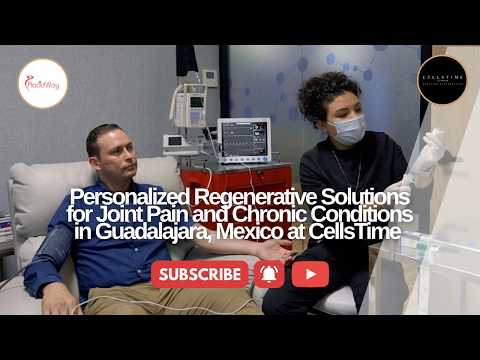
In stark contrast, the infiltration of cellular biologics is performed via a minimally invasive injection under precision fluoroscopic imaging. The procedure itself typically takes less than an hour and is safely conducted in a sterile outpatient setting. Patients can essentially walk out of the clinic on the very same day, experiencing only mild soreness at the localized injection site. This dramatic reduction in physical downtime allows individuals to swiftly transition into their active rehabilitative phases.
Comprehensive Recovery Protocol Following Stem Cells for Lumbar Disc Degeneration
Achieving the best possible outcomes utilizing stem cells for lumbar disc degeneration requires strict adherence to a comprehensive post-procedure protocol. While the cellular injection initiates the profound biological healing cascade, the patient's subsequent physical behavior ultimately dictates the structural success. Immediately following the procedure, physicians strongly mandate a brief period of structured rest to allow the newly introduced cells to properly anchor within the disc matrix. Avoiding strenuous activities, heavy lifting, and extreme spinal flexion is absolutely critical during these initial crucial weeks.
- Weeks 1-2 (Cellular Anchoring): Strict rest and avoidance of all bending, lifting, or twisting to allow proper mesenchymal stem cell integration.
- Weeks 3-6 (Core Activation): Initiation of specialized low-impact physical therapy aimed at engaging deep stabilizing lumbar musculature.
- Weeks 7-12 (Functional Restoration): Gradual reintroduction of standard daily activities alongside progressive postural correction exercises.
- Long-Term Maintenance: Sustained implementation of an anti-inflammatory diet and weight management to perpetually reduce spinal stress.
As the biological repair progresses, patients are gradually transitioned into a highly specialized, low-impact physical therapy regimen. This specialized rehabilitation focuses intensely on gently activating the deep core musculature that intrinsically supports the lumbar spine. Strengthening these critical stabilizing muscles significantly reduces the daily mechanical burden placed on the healing intervertebral discs. Therapists also focus heavily on correcting underlying postural deficits and improper movement patterns that originally contributed to the disc herniation.
Long-term success with regenerative therapies is further optimized through deliberate nutritional and lifestyle modifications. Patients are strongly encouraged to adopt powerful anti-inflammatory diets rich in specific antioxidants, omega-3 fatty acids, and essential vitamins to support cellular regeneration. Maintaining a healthy body weight is aggressively prioritized to permanently reduce the vertical compressive forces acting upon the lower back. By combining advanced biological treatments with holistic lifestyle improvements, patients secure a sustainable, pain-free future.
Post-Infiltration Care and Rehabilitation
The ongoing monitoring of the healing process is a vital component of the comprehensive care provided by top-tier regenerative clinics. Regular scheduled follow-up consultations, often facilitated through convenient telehealth platforms, allow physicians to meticulously track symptomatic improvements. Periodic advanced MRI imaging may be utilized to objectively visualize the biological rehydration and structural repair of the treated disc. This continuous medical oversight ensures that any rehabilitative adjustments can be made swiftly and effectively.
Ultimately, the goal of the post-procedure protocol is to safely return the patient to their absolute peak physical performance. Whether that involves returning to competitive high-impact sports, demanding physical labor, or simply enjoying active family time, the rehabilitative timeline is customized to those specific goals. Patient dedication to the prescribed physical therapy exercises profoundly amplifies the regenerative effects of the cellular infiltration. It is this dedicated partnership between cutting-edge medical science and proactive patient effort that delivers truly transformative clinical results.
Ready to Reclaim Your Spinal Health?
If you are suffering from chronic lumbalgia and want to explore advanced non-surgical regenerative therapies, contact specialized orthopedic experts today. Discover if mesenchymal stem cell therapy is the right choice for your herniated disc.
Get Free QuoteView Full Video Transcript
[00:00] Hola, yo soy la doctora Eridia, con especialidad en traumatología y ortopedia en Cellstime Clinic.
[00:06] El día de hoy quiero hablarles un poco sobre el dolor en la región lumbar o lumbalgia.
[00:11] Esta es la principal causa de consultas en la consulta ortopédica.
[00:16] Y una de las principales causas de esto es la hernia de disco.
[00:20] El disco es ese amortiguador o colchón que se encuentra entre una vértebra y otra.
[00:26] Existen dos estructuras principales que lo mantienen en su lugar.
[00:30] La plataforma articular que es el cartílago que se encuentra al iniciar una vértebra y al terminar otra, y un anillo fibroso que recubre este colchón para evitar que se protruya.
[00:40] Con el paso del tiempo y la degeneración, el anillo fibroso se vuelve más laxo y el cartílago articular se va desgastando, lo que provoca que el disco se protruya hacia el canal en donde salen los nervios hacia nuestras extremidades, generando una fricción constante en estos nervios, lo que se traduce en dolor.
[01:00] Hasta hace algún tiempo, la rehabilitación para el fortalecimiento muscular, las medidas de postura y los analgésicos eran el único tratamiento para este padecimiento.
[01:11] Afortunadamente, actualmente contamos con la terapia celular, que es la infiltración de células madre mesenquimales directamente en la zona de la articulación entre una vértebra y otra, lo que ayuda a regenerar el cartílago articular y también a regenerar este anillo fibroso, evitando que estas hernias o esta protrusión del disco se haga más grande y aliviar los dolores que estos causan.
[01:35] Si buscas más información al respecto, puedes contactarnos por medio de nuestras redes sociales o agendar una cita de valoración con nosotros.






.png)



.png)
.png)
.png)
.png)








Share this listing