


Effective Stem Cell Therapy for Juvenile Idiopathic Arthritis in Mexico
Finding a reliable and effective stem cell therapy for juvenile idiopathic arthritis in Mexico provides a life-changing alternative for families facing severe pediatric autoimmune diseases. When standard pharmacological protocols fail to manage chronic joint inflammation, advanced regenerative medicine steps in to offer profound clinical benefits. Mesenchymal stem cell treatments provide a targeted approach to calming an overactive immune system.
This comprehensive guide examines the transformative effects of cellular therapy for pediatric patients suffering from joint deformities and chronic pain. By exploring detailed medical protocols, immunomodulatory properties, and the advantages of seeking specialized treatment in Guadalajara, parents can make informed healthcare decisions. We will explore exactly how these cellular therapies work to restore mobility and improve a child's overall quality of life.
Video Chapters & Quick Navigation
- Understanding Juvenile Idiopathic Arthritis
- Limitations of Conventional Arthritis Treatments
- Mesenchymal Stem Cell Treatment Protocols
- The Science of Immunomodulatory Properties
- Clinical Improvements and Quality of Life
- Comparing Arthritis Treatment Options
- Medical Tourism for Cell Therapy in Mexico
- Navigating the Pediatric Treatment Journey
Understanding Juvenile Idiopathic Arthritis and Its Devastating Symptoms
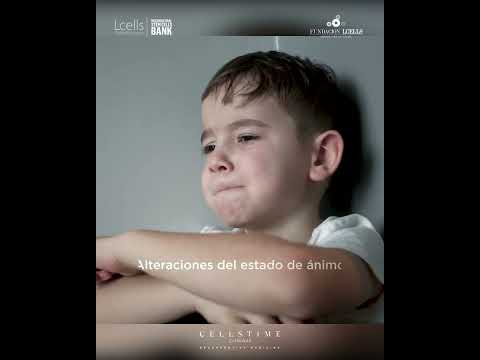
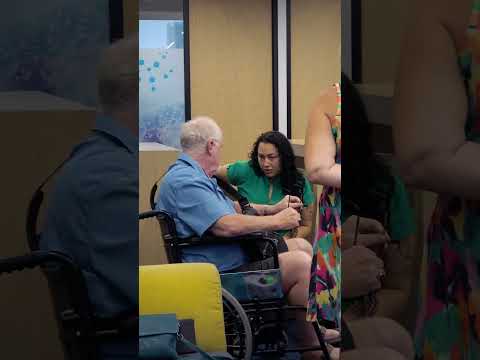
Juvenile Idiopathic Arthritis (JIA) is a complex autoimmune disorder that causes persistent joint inflammation in children under the age of sixteen. As seen in the clinical case at [00:00], patients like eight-year-old José de Jesús face severe daily challenges due to this aggressive condition. The disease occurs when the child's immune system mistakenly identifies its own healthy joint tissues as foreign invaders.
This relentless autoimmune attack leads to agonizing symptoms, including chronic pain, significant joint swelling, and dangerous stiffness. In severe cases documented at [00:22], the condition progresses to cause visible physical deformities in the affected joints. Furthermore, systemic forms of JIA can attack internal organs, compounding the physical deterioration and threatening the child's overall physiological development.
The Impact on Pediatric Growth and Development
One of the most alarming aspects of severe pediatric arthritis is its direct interference with normal childhood growth. Chronic inflammation constantly drains the body's metabolic resources, often leading to stunted growth and delayed physical milestones. Additionally, the medications traditionally used to suppress this inflammation carry side effects that further restrict natural bone development.
Beyond the physical limitations, the psychological burden on a developing child is immense. Living with constant pain causes severe alterations in the child's state of mind, leading to irritability, chronic fatigue, and depression. Restoring a child's emotional well-being requires addressing the root cause of the pain rather than merely masking the symptoms with temporary analgesics.
Why Conventional Treatments for Pediatric Autoimmune Diseases Often Fail
The standard medical approach for managing JIA typically involves nonsteroidal anti-inflammatory drugs (NSAIDs), disease-modifying antirheumatic drugs (DMARDs), and potent biologic agents. While these therapies can be effective initially, many patients develop resistance over time. As highlighted at [00:11], children often reach a point where conventional treatments completely stop providing a therapeutic response.
This phenomenon, known as secondary loss of response, leaves patients vulnerable to sudden and violent disease flare-ups. Prolonged use of high-dose corticosteroids also introduces hazardous side effects, including severe weight gain, osteoporosis, and increased susceptibility to opportunistic infections. Parents are frequently forced to search for alternative treatments for juvenile idiopathic arthritis when these traditional avenues are exhausted.
The Necessity for Adjuvant Therapeutic Interventions
When primary medications lose their efficacy, specialists must introduce an adjuvant treatment to regain control over the autoimmune response. An adjuvant treatment works alongside or immediately following primary therapies to enhance the overall clinical outcome. For pediatric patients with refractory arthritis, finding an intervention that resets the immune system without causing additional toxicity is crucial.
This critical medical necessity drives the exploration of advanced cellular therapies. Regenerative medicine steps into this void by offering a biological mechanism that standard pharmaceuticals cannot replicate. Instead of applying chemical suppression to the immune system, biological therapies attempt to restore natural cellular communication and immune tolerance.
Mesenchymal Stem Cell Treatment for JIA in Guadalajara
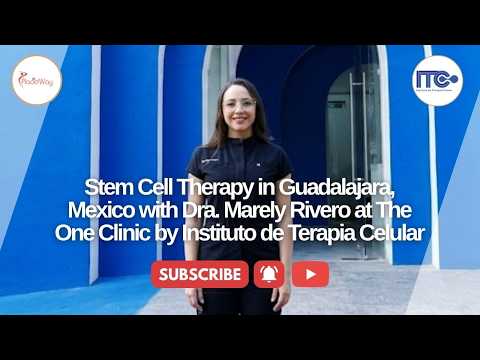
Mesenchymal stem cells (MSCs) have emerged as the gold standard in regenerative medicine for treating severe autoimmune conditions. These multipotent cells possess the unique ability to modulate the immune system and promote tissue repair simultaneously. The specific protocol applied in specialized clinics, such as the one detailed at [00:40], involves precise, high-dose administration tailored to the pediatric patient's specific needs.
The featured treatment protocol requires the intravenous application of 70 million mesenchymal stem cells every month. This high-volume dosage is meticulously calculated to ensure enough viable cells circulate throughout the patient's body to reach the highly inflamed joint capsules. Intravenous delivery guarantees that the immunomodulatory cells can interact systematically with the entire immune network.
The Source and Safety of Cellular Biologicals
Quality control is the most critical factor when administering stem cell therapy for juvenile idiopathic arthritis in Mexico. Premium clinics source their mesenchymal cells from ethical, highly regulated laboratories that harvest cells from Wharton's jelly in donated umbilical cords. These ethically sourced cells undergo rigorous screening for infectious diseases, genetic abnormalities, and cellular viability.
Umbilical cord-derived MSCs are considered immune-privileged, meaning they do not express the surface markers that typically trigger immune rejection. This makes them exceptionally safe for allogeneic (donor-to-recipient) administration without the need for matching blood types or administering dangerous immunosuppressive drugs. The safety profile of these cells is paramount when treating young children with already compromised immune systems.
The Science Behind Immunomodulatory Properties of Stem Cells
The primary reason mesenchymal stem cells are highly effective against autoimmune diseases lies in their profound immunomodulatory properties. As explained at [00:54], these cells actively improve and regulate the patient's malfunctioning immune system. They achieve this through complex paracrine signaling, releasing biochemical messengers that communicate directly with aggressive immune cells.
Once introduced into the bloodstream, MSCs execute a "homing mechanism," naturally migrating toward areas of severe tissue inflammation. Upon arrival, they halt the destructive behavior of macrophages and heavily suppress the proliferation of aggressive T-cells. This targeted biological intervention successfully prevents the child's body from continuing to attack its own healthy joint tissues.
Regulating T-Cells and Decreasing Inflammatory Markers
A crucial aspect of this cellular mechanism is the up-regulation of T-regulatory (Treg) cells within the patient's body. Mentioned specifically at [01:03], increasing T-regulatory cells is essential for restoring immune tolerance. These specific cells act as the peacekeepers of the immune system, enforcing a biological ceasefire and preventing further autoimmune attacks.
Simultaneously, the therapy causes a rapid and measurable decrease in systemic inflammatory markers, such as C-reactive protein (CRP) and erythrocyte sedimentation rate (ESR). Lowering these markers is the clinical proof that the systemic inflammation is subsiding. This dual action of suppressing aggression and promoting regulation makes stem cell therapy a powerhouse for managing refractory juvenile arthritis.
- T-Cell Suppression: Stops the aggressive immune cells from attacking healthy cartilage and synovial fluid.
- Paracrine Signaling: Releases anti-inflammatory cytokines to rapidly reduce joint swelling and heat.
- T-Regulatory Upregulation: Increases the specific immune cells responsible for maintaining long-term biological tolerance.
- Tissue Regeneration: Promotes localized healing in damaged joints to prevent permanent physical deformities.
Remarkable Improvements After Stem Cell Therapy for Juvenile Idiopathic Arthritis
The clinical outcomes observed in pediatric patients following consecutive mesenchymal stem cell treatments are often life-altering. The most immediate and profound benefit reported is the significant decrease in chronic joint pain. As highlighted at [00:45], reducing this pain directly correlates with a rapid increase in the child's physical mobility.
Children who previously struggled to walk or perform basic daily functions slowly regain their independence as the severe joint stiffness subsides. This regained mobility is critical for preventing muscle atrophy and ensuring proper bone development during their formative years. Physical therapy becomes vastly more effective when the underlying cellular inflammation has been neutralized by the stem cell infusions.
Restoring Emotional Well-being and Mood
Beyond physical healing, the psychological transformation in these young patients is incredibly impactful. Chronic pain severely disrupts pediatric sleep cycles, leading to heightened anxiety, constant crying, and extreme irritability. By successfully suppressing the inflammatory pain signals, children can finally achieve deep, restorative sleep essential for neurological recovery.
This dramatic reduction in daily suffering results in vast improvements in the child's overall mood and cognitive focus. Parents frequently report that their child's personality re-emerges, allowing them to engage in social activities, attend school regularly, and enjoy their childhood. The holistic recovery provided by cellular regenerative therapy addresses the entire spectrum of the disease's devastating impact.
Comparing Conventional Arthritis Treatments vs Advanced Stem Cell Therapy
Understanding the fundamental differences between traditional pharmacological approaches and regenerative medicine is crucial for parents evaluating their options. Conventional treatments focus exclusively on chemical suppression of symptoms and immune pathways. In contrast, advanced stem cell therapy for juvenile idiopathic arthritis provides a biological reset intended to restore healthy cellular function.
The long-term safety profile is another significant differentiating factor between the two approaches. While long-term biologic use can lead to severe organ toxicity and opportunistic infections, mesenchymal stem cells are generally well-tolerated with minimal adverse reactions. Evaluating these distinct medical methodologies helps families understand why regenerative medicine is rapidly becoming a preferred adjuvant therapy.
| Treatment Characteristic | Conventional Biologics & DMARDs | Mesenchymal Stem Cell Therapy |
|---|---|---|
| Primary Mechanism | Chemical suppression of specific immune proteins | Biological immunomodulation and tissue repair |
| Long-term Efficacy | High risk of secondary loss of response over time | Promotes sustained immune tolerance and T-cell regulation |
| Side Effect Profile | Organ toxicity, increased infection risk, stunted growth | Highly safe, ethical, non-toxic biological application |
| Impact on Cartilage | Does not regenerate damaged joint tissues | Releases growth factors supporting cartilage regeneration |
Choosing Mexico for Advanced Regenerative Medicine and Cell Therapy
Medical tourism for stem cell treatments has seen exponential growth as patients seek higher-quality, cost-effective regenerative therapies outside their home countries. Mexico, particularly the medical hub of Guadalajara, has established itself as a premier destination for specialized pediatric cellular medicine. The country boasts state-of-the-art facilities that adhere to rigorous international medical standards.
The regulatory environment in Mexico allows specialized clinics to cultivate and administer highly potent doses of expanded mesenchymal stem cells. In regions like the United States or Canada, strict regulatory limitations often restrict the expansion process, limiting the total number of live cells a patient can legally receive. By traveling to certified clinics in Guadalajara, patients can access the massive 70-million-cell dosages required to battle severe autoimmune conditions.
Cost of Stem Cell Therapy for Juvenile Arthritis in Mexico
The financial aspect of treating chronic pediatric autoimmune diseases is a massive burden for families relying on standard healthcare systems. The cost of lifelong biologic medications and continual hospitalizations can easily devastate a family's finances. Seeking alternative treatment for juvenile idiopathic arthritis in Mexico offers a highly cost-effective solution without compromising the quality of medical care.
Top-tier regenerative medicine clinics in Guadalajara provide comprehensive treatment packages that are significantly more affordable than experimental therapies in the US. These inclusive packages typically cover the extensive laboratory work, the ethical sourcing of the Wharton's jelly cells, the medical administration, and specialized pediatric consultations. This financial accessibility allows families to commit to the multi-month treatment protocols necessary for maximum cellular efficacy.
Navigating the Pediatric Treatment Journey in Guadalajara
Embarking on a medical journey for pediatric stem cell therapy requires careful planning and coordination with specialized medical facilitators. Reputable clinics mandate a thorough review of the child's medical history, including recent bloodwork, imaging of the affected joints, and a complete list of current medications. This meticulous evaluation ensures the child is an ideal candidate for intravenous cellular therapy.
Once approved, the medical team develops a customized protocol detailing the exact dosage and frequency of the stem cell infusions. As demonstrated in the case of young José, a monthly cadence is often utilized to maintain a constant level of immunomodulation during the initial recovery phase. Families are provided with comprehensive logistical support, making the journey to Guadalajara seamless, safe, and entirely focused on the child's healing process.
Monitoring Progress and Post-Therapy Care
Following the administration of the mesenchymal stem cells, continual medical monitoring is established to track the biological improvements. Doctors closely observe the reduction in clinical symptoms, such as joint swelling, while also tracking internal inflammatory markers through periodic blood tests. This data-driven approach allows the medical team to adjust future dosages if necessary.
Parents are guided on post-therapy best practices, including gentle physical rehabilitation to capitalize on the newly regained joint mobility. The combination of targeted cellular repair and structured physical therapy yields the highest possible recovery outcomes. Through this highly managed, technologically advanced medical pathway, children suffering from debilitating arthritis are given a second chance at an active, pain-free life.
Ready to Explore Advanced Stem Cell Therapy?
Discover if your child is a candidate for life-changing regenerative medicine. Connect with top-tier specialists in Mexico to discuss customized treatment protocols and secure comprehensive pricing details.
Get Free QuoteView Full Video Transcript
[00:00] José de Jesús, un paciente de 8 años de edad con diagnóstico de Artritis Idiopática Juvenil.
[00:06] Diagnosticado a la edad de 2 años en el Hospital Civil de Guadalajara.
[00:11] Acude ante la necesidad de un tratamiento coadyuvante, debido a que el tratamiento convencional deja de darnos una respuesta después de un periodo de tiempo.
[00:20] José de Jesús presenta inflamación de varias articulaciones y afectación de órganos.
[00:26] Su sintomatología es caracterizada por dolor en articulaciones, deformidad de las mismas, alteración del estado de ánimo, limitada movilidad y falta de crecimiento, entre otros, ha afectado su calidad de vida.
[00:40] Se le indica una aplicación cada mes de 70 millones de células madre mesenquimales.
[00:45] Que hasta el momento nos ha traído mejoras como disminución del dolor, aumento de movilidad y mejoras en el estado de ánimo.
[00:52] Las células madre mesenquimales nos dan propiedades inmunomoduladoras.
[00:56] Es decir, mejora el sistema inmune del paciente, evitando que el mismo cuerpo ataque a células sanas.
[01:03] También hace que decaigan los marcadores inflamatorios y aumentamos las células T reguladoras.




-(7).png)
-(5).png)
.png)




-(3).png)
-(10).png)








Share this listing