


Systemic Lupus Erythematosus (SLE) is a debilitating, chronic autoimmune disease that forces patients into a continuous cycle of symptom management and immune suppression. For many individuals, standard pharmaceutical approaches fail to provide lasting relief, leading to a growing interest in regenerative medicine. Today, stem cell therapy for systemic lupus erythematosus in Mexico is emerging as a profound medical advancement, offering a restorative approach rather than just symptom suppression. By utilizing the unique immunomodulatory properties of mesenchymal stem cells, medical professionals are targeting the root cause of autoimmune dysfunction.
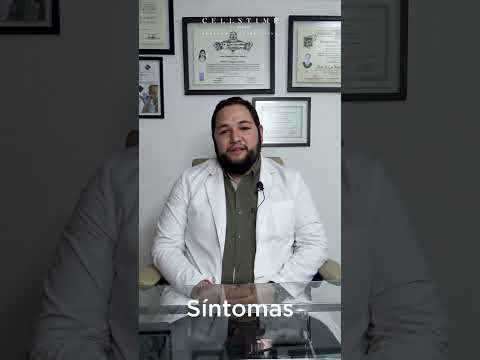
As introduced by [00:00] Dr. Carlos Winder from Cellstime Clinique, this innovative approach has revolutionized how we view autoimmune disease management. Mexico has rapidly become a premier global destination for regenerative medicine, providing patients with access to state-of-the-art laboratory facilities, highly specialized medical professionals, and highly regulated cellular therapies. This comprehensive guide explores the profound impact of mesenchymal stem cell treatment for lupus, analyzing the biological mechanisms, clinical evidence, and the exceptional benefits of pursuing this medical journey in Mexico.
Video Chapters & Quick Navigation
Understanding Systemic Lupus Erythematosus: A Complex Autoimmune Condition
Systemic Lupus Erythematosus is a highly complex and unpredictable autoimmune disease characterized by a hyperactive immune response. In a healthy human body, the immune system produces antibodies that specifically target foreign invaders such as viruses, bacteria, and infections. However, as noted at [00:10] in the clinical discussion, SLE causes the immune system to lose its ability to differentiate between foreign pathogens and healthy native tissue. This catastrophic systemic failure leads to the production of autoantibodies that relentlessly attack the patient's own organs and biological systems.
Because lupus is a systemic condition, the resulting inflammation is not localized to a single area of the body. The autoantibodies travel through the bloodstream, creating widespread inflammatory cascades that can compromise virtually any organ system. This unpredictable nature makes systemic lupus erythematosus incredibly difficult to manage using standardized medical protocols, as the disease presentation varies dramatically from one patient to another. Some individuals may experience mild joint pain and skin rashes, while others face life-threatening complications involving major vital organs.
The fundamental issue driving SLE is an imbalance in immune regulation, specifically involving T-cells and B-cells. T-cells, which normally help orchestrate the immune response, become dysregulated, signaling B-cells to continuously produce destructive autoantibodies. Addressing this profound cellular miscommunication is the primary objective of advanced regenerative medicine. Stem cell therapy for autoimmune diseases focuses directly on resetting this cellular communication rather than merely masking the resulting systemic inflammation.
The Pathophysiology of Lupus
At the microscopic level, SLE involves the defective clearance of apoptotic cells (dying cells) from the body. When these cells are not cleared properly, their intracellular contents, including DNA and RNA, are exposed to the immune system. The body mistakenly identifies these nuclear materials as foreign antigens. This triggers a massive immune cascade, leading to the formation of immune complexes that deposit in various tissues, causing severe inflammation and tissue degradation over time.
Recognizing the Wide-Ranging Symptoms of Lupus
Because systemic lupus erythematosus can impact any organ system, the clinical presentation is incredibly diverse. Medical professionals often refer to lupus as "the great imitator" because its symptoms frequently mimic those of other chronic illnesses. At [00:24], Dr. Winder outlines a comprehensive spectrum of clinical signs that patients may experience during active disease flares. These symptoms can emerge suddenly or develop gradually over several years, often fluctuating in severity.
The most universally recognized symptom is the classic malar rash, commonly known as a butterfly rash, which appears across the bridge of the nose and the cheeks. However, dermatological manifestations are only the surface of the condition. Patients frequently suffer from severe photosensitivity, oral ulcers, and unexplained hair loss (alopecia). Beyond the skin, the musculoskeletal system is heavily impacted. Chronic joint pain, intense inflammation, and profound, debilitating fatigue are hallmark signs that severely diminish a patient's overall quality of life.
More severe presentations of lupus involve internal organ damage. The disease can cause lupus nephritis (kidney inflammation), which is a leading cause of morbidity among SLE patients. Furthermore, the cardiovascular and pulmonary systems are at risk, with patients developing conditions such as pericarditis, pleurisy, and an increased risk of accelerated atherosclerosis. Neurological symptoms, including cognitive dysfunction, chronic headaches, and severe depression, further complicate the clinical picture.
Categorizing Lupus Symptoms
- Dermatological: Butterfly rash, photosensitivity, mucosal ulcers, and distinct discoid lesions.
- Musculoskeletal: Polyarthritis, profound muscle weakness, and joint swelling without joint destruction.
- Systemic & Neurological: Chronic low-grade fevers, extreme fatigue, brain fog, and clinical depression.
- Internal Organs: Renal failure (lupus nephritis), chest pain upon deep breathing (pleuritis), and cardiac inflammation.
Why Traditional Lupus Treatments Often Fall Short?
The conventional medical approach to systemic lupus erythematosus is entirely palliative, meaning there is no pharmacological cure. Standard treatments focus heavily on suppressing the overactive immune system to prevent further organ damage and managing acute symptom flare-ups. While these medications are necessary for survival during severe disease activity, they come with substantial, long-term physiological costs. Corticosteroids, such as prednisone, are frequently prescribed to rapidly reduce systemic inflammation.
Unfortunately, prolonged use of high-dose corticosteroids leads to severe adverse effects. Patients often develop iatrogenic conditions including osteoporosis, hypertension, type 2 diabetes, severe weight gain, and an increased susceptibility to severe infections. To reduce reliance on steroids, rheumatologists frequently utilize heavy immunosuppressive drugs and antimalarial medications. While these drugs can effectively quiet the immune response, they indiscriminately suppress the entire immune system, leaving the patient dangerously vulnerable to common bacterial and viral pathogens.
Furthermore, these conventional therapies do absolutely nothing to repair the tissue damage already inflicted by the disease. Once the kidneys, lungs, or joints are scarred by lupus-induced inflammation, standard pharmaceuticals cannot regenerate those tissues. This distinct lack of regenerative capability is precisely why medical tourists are actively seeking out stem cell therapy for lupus in Mexico, searching for a treatment that offers tissue repair alongside immune modulation.
| Feature | Conventional Treatments (Pharmaceuticals) | Mesenchymal Stem Cell Therapy |
|---|---|---|
| Mechanism of Action | Indiscriminate immune suppression. | Targeted immunomodulation and regulation. |
| Tissue Repair | No regenerative properties; cannot heal organ damage. | Actively promotes regeneration of damaged tissues. |
| Side Effect Profile | High risk of infection, osteoporosis, organ toxicity. | Excellent safety profile, minimal adverse effects. |
| Long-Term Goal | Symptom management and flare prevention. | Disease remission and improved quality of life. |
The Science Behind Stem Cell Therapy for Systemic Lupus Erythematosus
The application of regenerative medicine for autoimmune conditions represents a paradigm shift in modern therapeutic protocols. At [00:48], the foundational mechanism of stem cell therapy for lupus is explained: it focuses primarily on the profound regulation of the immune system. Mesenchymal stem cells (MSCs), typically sourced from Wharton’s Jelly in human umbilical cords or from the patient’s own bone marrow or adipose tissue, possess extraordinary biological properties that make them ideal for treating SLE.
Unlike traditional immunosuppressants that shut down the immune system entirely, mesenchymal stem cells act as intelligent immunomodulators. When MSCs are introduced into the body via intravenous infusion, they migrate directly to areas of high inflammation. Once there, they secrete a complex array of cytokines, growth factors, and exosomes. These potent biochemical signals actively instruct the dysregulated T-cells and B-cells to halt their aggressive attacks on healthy tissue, effectively retraining the immune system to behave normally.
Simultaneously, MSCs initiate a robust paracrine effect that stimulates the body's intrinsic healing mechanisms. They decrease systemic inflammation, halt the progression of fibrotic scarring, and facilitate the regeneration of damaged tissues in organs like the kidneys and lungs. This dual-action capability—calming the immunological storm while repairing the structural damage—is why mesenchymal stem cell treatment for lupus is yielding such unprecedented clinical outcomes.
The Paracrine Effect and Exosomes
Stem cells do not necessarily need to transform into new kidney or skin cells to be effective. Instead, they operate largely through the paracrine effect, acting as microscopic pharmacies. They release exosomes—tiny extracellular vesicles packed with therapeutic proteins and anti-inflammatory RNA. These exosomes travel through the bloodstream, signaling damaged cells to repair themselves and instructing inflammatory macrophages to switch to an anti-inflammatory, tissue-healing state.
Clinical Evidence: Do Stem Cells Work for Lupus?
The medical community requires rigorous data to support new therapeutic interventions, and regenerative medicine has delivered substantial proof. As highlighted at [01:00], there is currently a vast and growing body of scientific evidence establishing the high response rate of mesenchymal stem cells in treating lupus. Global clinical trials have consistently demonstrated that MSC infusions safely and effectively reduce disease activity in patients who were previously resistant to standard pharmacological treatments.
In multiple clinical studies measuring the Systemic Lupus Erythematosus Disease Activity Index (SLEDAI), patients receiving stem cell therapy showed dramatic reductions in their scores. Clinical outcomes reveal significant improvements in renal function for those suffering from lupus nephritis, evidenced by decreased proteinuria and stabilized serum creatinine levels. Furthermore, patients report a drastic reduction in the frequency and severity of disease flare-ups, allowing them to lower their daily dosage of toxic corticosteroids under medical supervision.
The ultimate measure of success in any lupus treatment protocol is the enhancement of the patient's daily life. Clinical evidence proves that stem cell therapy profoundly improves the quality of life for lupus patients. By mitigating crippling fatigue, reducing joint inflammation, and restoring vital energy levels, regenerative medicine empowers patients to return to their normal daily activities, careers, and family lives, free from the constant burden of severe autoimmune flare-ups.
Benefits of Choosing Stem Cell Therapy for Lupus in Mexico
In recent years, Mexico has emerged as a global epicenter for advanced regenerative medicine. Patients from the United States, Canada, and Europe are increasingly seeking stem cell therapy for systemic lupus erythematosus in Mexico due to a combination of progressive medical regulations, exceptional clinical standards, and remarkable cost-effectiveness. The regulatory environment in Mexico allows licensed, specialized clinics to cultivate and expand stem cells to highly therapeutic volumes, a process that is often heavily restricted by the FDA in the United States.
The affordability of stem cell treatment in Mexico does not equate to a compromise in medical quality. On the contrary, premier facilities like Cellstime Clinique boast state-of-the-art laboratories and employ internationally trained specialists. Medical tourists can access millions of viable, robust mesenchymal stem cells at a fraction of the cost they would face in other countries. This financial accessibility allows patients to receive the multiple infusions often required for optimal immunomodulation without facing medical bankruptcy.
Furthermore, the medical approach in top Mexican regenerative clinics is highly personalized and comprehensive. Rather than assembly-line medicine, doctors focus heavily on the individual patient's unique autoimmune profile. This holistic approach ensures that the cellular therapy is integrated safely with the patient's existing rheumatological care, providing a seamless transition and maximizing the potential for long-term disease remission.
Key Advantages of Medical Tourism in Mexico
- Advanced Cultivation Techniques: Access to expanded, high-yield mesenchymal stem cells for maximum therapeutic impact.
- Significant Cost Savings: Premium regenerative treatments available at up to 60% less than equivalent therapies in North America or Europe.
- Expert Medical Professionals: Care delivered by board-certified specialists with extensive experience in clinical stem cell applications.
- State-of-the-Art Facilities: Modern clinics that meet or exceed international health and safety protocols.
Are You a Candidate for Mesenchymal Stem Cell Treatment for Lupus?
While regenerative medicine offers incredible promise, it is not a one-size-fits-all solution. As emphasized at [01:16], prior to the application of cellular therapy, every patient must undergo a rigorous medical evaluation. This meticulous assessment is crucial for individualizing the treatment protocol based on the specific organs affected, the current severity of the disease, and the patient's overall medical history.
Ideal candidates for stem cell therapy for lupus in Mexico are typically those who have failed to achieve adequate disease control with standard immunosuppressants, or those who are suffering from severe side effects due to long-term corticosteroid use. Additionally, patients experiencing early-stage lupus nephritis or severe joint involvement often see remarkable benefits from the tissue-regenerating properties of the mesenchymal cells.
During the initial consultation, medical teams will review comprehensive blood work, imaging studies, and current medication regimens. This ensures that the patient is stable enough to travel and receive the infusions safely. Patients with active, severe infections or advanced, irreversible organ failure may require stabilization before being considered viable candidates for regenerative interventions.
What to Expect During Your Regenerative Medicine Journey?
The process of receiving stem cell therapy for systemic lupus erythematosus is designed to be as comfortable and minimally invasive as possible. Once medical clearance is granted, patients typically travel to the clinic where they undergo a final in-person consultation. The actual administration of the mesenchymal stem cells is usually performed via a simple intravenous (IV) drip. This method allows the cells to circulate systemically throughout the entire body, locating and targeting the zones of highest inflammation.
The infusion itself takes only a few hours and is performed in an outpatient setting, meaning there is no need for a prolonged hospital stay. Patients can generally relax, read, or watch television during the procedure. Post-treatment, the medical team provides detailed aftercare instructions. While some patients report an immediate surge in energy, the true immunomodulatory and regenerative effects occur gradually over the weeks and months following the treatment, as the cells work to reset the immune system.
Follow-up care is a critical component of the regenerative journey. Specialists will monitor the patient's progress through virtual consultations and coordinate with the patient's primary rheumatologist back home. Over time, as disease activity decreases, the medical team may slowly and safely titrate down the dosages of traditional lupus medications, moving the patient closer to a state of sustained clinical remission and a vastly improved quality of life.
Ready to Take Control of Your Lupus Journey?
If you are tired of merely managing symptoms and want to explore the regenerative potential of mesenchymal stem cell therapy in Mexico, our medical specialists are ready to review your case. Secure your personalized medical evaluation today.
Get Free QuoteView Full Video Transcript
[00:00] Hola, soy el Dr. Carlos Winder y vamos a hablar acerca del lupus eritematoso sistémico.
[00:10] El lupus eritematoso sistémico es una enfermedad autoinmune que afecta cualquier órgano o sistema, pero principalmente puede afectar la piel, los pulmones, los riñones, las articulaciones, las células sanguíneas, pero cualquier otro órgano también puede verse afectado.
[00:24] Hay una gran variedad de síntomas y signos que se pueden presentar en el lupus eritematoso, siendo dentro de los más frecuentes las lesiones en forma de mariposa en la piel del rostro. Puede haber aftas orales, también se pueden ver afectadas las articulaciones, cansancio, dolor en general, fiebre, debilidad, pérdida de cabello, depresión, problemas renales, cardíacos, pulmonares o cualquier otro síntoma.
[00:48] El tratamiento con células madre para el lupus consiste principalmente en la regulación del sistema inmune, también disminuye y regenera los tejidos, alivia y reduce los síntomas que se pueden tener dependiendo cada caso.
[01:00] En la actualidad ya se cuenta con mucha evidencia científica en la cual se establece que las células madre mesenquimales tienen una alta respuesta en el lupus, mejorando la calidad de vida de los pacientes y disminuyendo los signos y síntomas y reduciendo los brotes de la enfermedad.
[01:16] Previo a la aplicación de la terapia celular, se debe tener una valoración por un médico para individualizar el tratamiento. Si tienes cualquier duda acerca de tu patología o de la terapia celular, con gusto puedes agendar una cita y te atenderemos.

.png)

.png)



.png)
-(5).png)
.png)





-(9).png)
-(1).png)
-(10).png)









Share this listing