


Expert Stem Cell Therapy for Diabetic Foot Disease in Mexico: A Complete Medical Guide
Navigating the complexities of chronic wound care requires innovative medical interventions, and exploring stem cell therapy for diabetic foot disease in Mexico has become a leading strategy for patients worldwide. Chronic high blood sugar initiates a devastating cascade of physiological failures within the lower extremities. Patients often face a grim prognosis when conventional wound care methods fail to address the underlying cellular degradation.
Advanced regenerative medicine offers a profound alternative to standard treatments, focusing on repairing damaged tissue at the molecular level. By utilizing ethical and rigorously tested cellular products from a certified mesenchymal stem cells bank, physicians can now target the root causes of neurovascular deterioration. This comprehensive guide details the physiological mechanisms of diabetic foot complications, the biological advantages of targeted cellular therapies, and the clinical protocols utilized by leading biotechnology foundations in Mexico.
Video Chapters & Quick Navigation
- 1. Understanding Diabetic Foot Disease and Neuropathy
- 2. How High Blood Sugar Causes Severe Nerve Damage
- 3. Conventional Medical Treatments vs. Regenerative Solutions
- 4. The Role of the Mesenchymal Stem Cells Bank
- 5. Why Choose Stem Cell Therapy for Diabetic Foot in Mexico?
- 6. Step-by-Step Treatment Procedure for Diabetic Neuropathy
- 7. Preventing Medium to Long-Term Complications
- 8. Patient Qualification and Cellular Healing Timelines
1. Understanding Diabetic Foot Disease and Neuropathy
The pathology of diabetic foot ulcers is deeply rooted in systemic metabolic dysfunction. As clearly highlighted in the clinical video at [00:02], diabetic foot disease occurs when there are inadequate blood glucose levels and other compounding factors. This persistent hyperglycemic environment acts as a direct toxin to the intricate network of blood vessels and nerves in the lower extremities.
When blood glucose levels remain unmanaged, patients develop a condition known as endothelial dysfunction. This prevents the blood vessels from dilating properly, drastically reducing the supply of oxygenated blood to the tissues of the foot. Without adequate oxygen and vital nutrients, even microscopic cuts or abrasions fail to progress through the normal stages of wound healing.
Furthermore, the metabolic irregularities found frequently in diabetic people disrupt normal cellular metabolism. Advanced glycation end-products (AGEs) accumulate within the tissue, causing structural stiffness and heightened oxidative stress. This biochemical hostile environment is precisely why standard wound care dressings often yield limited success, necessitating a shift toward advanced cellular regeneration.
The Impact of Ischemia on Cellular Health
Peripheral ischemia is a direct consequence of the vascular damage caused by chronic diabetes. The microvascular and macrovascular disease severely limits the body's natural immune response, preventing white blood cells from reaching infection sites. This ischemic environment accelerates tissue death and dramatically increases the risk of severe localized infections.
Regenerative medicine seeks to reverse this ischemic reality by promoting angiogenesis—the creation of new blood vessels. By introducing potent biological agents into the affected area, the local microenvironment can be reprogrammed to support tissue survival. Enhancing localized blood flow is the most critical step in preventing tissue necrosis and subsequent surgical interventions.
2. How High Blood Sugar Causes Severe Nerve Damage
Diabetic peripheral neuropathy is widely recognized as the primary catalyst for chronic foot ulcerations. The clinical footage references this specific deterioration, noting that inadequate blood glucose levels directly cause damage to vessels and nerves. This neurovascular degradation strips the patient of their protective pain sensations, leaving the foot highly vulnerable to unrecognized trauma.
Neuropathy manifests in three distinct forms: sensory, motor, and autonomic. Sensory neuropathy eliminates the ability to feel pain, heat, or cold, meaning a patient can walk on a wound without ever realizing it exists. This loss of protective sensation (LOPS) is the most frequent precursor to severe foot ulceration in diabetic patients.
Motor neuropathy alters the structural anatomy of the foot by causing muscle atrophy and weakness. This leads to foot deformities like hammertoes or Charcot arthropathy, which create abnormal pressure points during regular walking. Autonomic neuropathy further complicates the condition by reducing sweat production, leading to severely dry, cracked skin that serves as an entry point for aggressive bacterial infections.
The Biological Mechanisms of Nerve Degradation
Elevated blood sugar levels trigger the polyol pathway, leading to an accumulation of sorbitol within nerve cells. This intracellular buildup causes osmotic stress, drawing excess water into the nerves and disrupting their structural integrity. Over time, this biochemical imbalance destroys the myelin sheath, severely impairing the conduction of electrical signals.
To effectively treat this neurological decline, medical professionals must look beyond simple glucose management. Neurogenesis and myelin repair are complex biological processes that require a highly specific symphony of growth factors. This is where the therapeutic application of cellular medicine provides a distinct physiological advantage over traditional pharmaceutical management.
3. Conventional Medical Treatments vs. Regenerative Solutions
Historically, managing complications of diabetic foot ulcers has relied on a rigid standard of care centered around symptom management rather than cellular repair. Traditional protocols include aggressive surgical debridement, specialized offloading footwear, and prolonged courses of broad-spectrum antibiotics. While these methods are essential for managing acute infections, they do not inherently restore the damaged vascular or neurological tissue.
When macrovascular disease is present, vascular surgeons often attempt bypass grafting or endovascular angioplasty to restore blood flow. However, these invasive procedures carry significant surgical risks and are frequently unviable for patients with severe microvascular disease. The limitations of these conventional approaches emphasize the urgent need for treatments that address tissue regeneration at a cellular level.
Conversely, advanced regenerative therapies actively modulate the wound environment to stimulate biological repair. By deploying specialized cells directly into the systemic circulation or local tissue, physicians can influence the inflammatory response and promote cellular proliferation. This paradigm shift moves the treatment focus from simple wound maintenance to active, sustained tissue regeneration.
Clinical Comparison of Treatment Modalities
| Treatment Feature | Conventional Standard of Care | Mesenchymal Stem Cell Therapy |
|---|---|---|
| Primary Mechanism | Infection control and pressure reduction | Cellular regeneration and angiogenesis |
| Nerve Repair | Minimal to none (symptom management via drugs) | Actively promotes neurogenesis and myelin repair |
| Vascular Impact | Requires invasive surgical bypass if applicable | Stimulates microvascular growth naturally (VEGF secretion) |
| Immune Modulation | Relies entirely on systemic antibiotics | Reduces chronic inflammation via paracrine signaling |
4. The Role of the Mesenchymal Stem Cells Bank
The efficacy of regenerative medicine heavily relies on the quality and viability of the cellular products utilized during treatment. A dedicated Mesenchymal Stem Cells Bank ensures that the biological materials are ethically sourced, rigorously expanded, and thoroughly tested for purity. Mesenchymal stem cells (MSCs) are highly sought after due to their multipotent nature and powerful immunomodulatory properties.
These specific cells can be sourced from various tissues, including bone marrow, adipose tissue, and Wharton's Jelly from umbilical cords. Umbilical cord-derived MSCs are particularly potent, as they are young, immunologically privileged, and possess a massive capacity for rapid cellular division. When these robust cells are introduced into a diabetic patient, they do not trigger a rejection response, making them incredibly safe for therapeutic use.
Once in the body, MSCs function largely through paracrine signaling, acting as cellular "managers" that direct the body's own repair mechanisms. They secrete a potent cocktail of cytokines, chemokines, and growth factors—such as Vascular Endothelial Growth Factor (VEGF)—that directly stimulate tissue healing. This biological orchestration is vital for breaking the cycle of chronic inflammation found in diabetic foot wounds.
Key Mechanisms of Action for MSCs in Wound Healing
- Potent Immunomodulation: MSCs actively reprogram pro-inflammatory M1 macrophages into anti-inflammatory M2 macrophages, accelerating the transition from the inflammatory phase to the proliferative phase of wound healing.
- Enhanced Angiogenesis: By secreting specific growth factors, stem cells stimulate the formation of new capillary networks, drastically improving oxygen delivery to hypoxic ulcerated tissues.
- Direct Cellular Differentiation: While predominantly acting via paracrine effects, MSCs possess the biological capability to differentiate into essential skin and connective tissue cells like fibroblasts and keratinocytes.
- Extracellular Matrix Deposition: Stem cell therapy encourages the structured deposition of collagen, ensuring that the newly healed skin is highly resilient and less prone to future breakdown.
5. Why Choose Stem Cell Therapy for Diabetic Foot in Mexico?
The landscape of regenerative medicine has expanded globally, with Mexico emerging as a premier destination for advanced medical biotechnology. The regulatory framework in Mexico, overseen by agencies such as COFEPRIS, allows for the safe and legal cultivation and administration of expanded mesenchymal stem cells. This progressive regulatory environment provides patients access to highly concentrated cellular therapies that are often restricted or cost-prohibitive in North America.
Facilities like the Lcells Biotechnology center represent the pinnacle of modern regenerative clinics available to international medical tourists. By integrating an on-site Mesenchymal Stem Cells Bank with state-of-the-art clinical application rooms, these foundations guarantee maximum cell viability from cultivation to infusion. Patients traveling to Mexico benefit from comprehensive, multi-disciplinary care models specifically designed to address complex diabetic pathologies.
Furthermore, the economic advantages of pursuing stem cell therapy for diabetic foot disease in Mexico are substantial. Patients receive cutting-edge biotechnology treatments, complete with detailed pre-treatment diagnostics and specialized medical supervision, at a fraction of the out-of-pocket costs associated with similar experimental trials in the United States. This exceptional value proposition makes life-saving limb preservation accessible to a much broader demographic of diabetic individuals.
The Advantages of Specialized Biotechnology Foundations
Opting for treatment at a specialized foundation ensures that patients are treated by physicians deeply experienced in the nuances of regenerative medicine. These specialized teams understand how to prepare the patient biologically prior to the cellular infusion to maximize therapeutic outcomes. Strict clinical protocols are followed to ensure that the internal terrain of the patient is optimized for cellular engraftment.
By focusing exclusively on cellular biotechnology, these Mexican clinics maintain incredibly strict quality control over their stem cell banking processes. The stem cells undergo rigorous screening for infectious diseases, genetic stability, and cellular potency markers before they are ever approved for clinical use. This unwavering commitment to laboratory excellence ensures a remarkably high safety profile for all diabetic patients undergoing treatment.
6. Step-by-Step Treatment Procedure for Diabetic Neuropathy
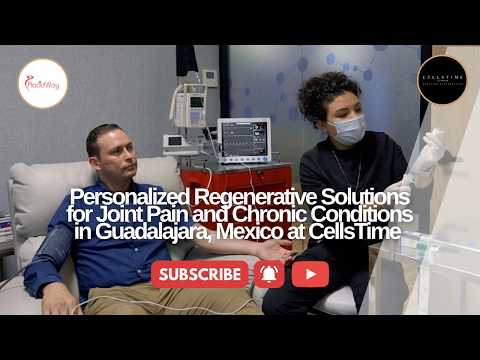
The clinical application of mesenchymal stem cells is a meticulously designed process that prioritizes patient safety and therapeutic efficacy. As depicted in the video at [00:11], the administration phase is a comfortable, outpatient procedure. The patient is seen resting securely in a clinical recliner while the medical team prepares the specific cellular dosage derived from the biotechnology bank.
The primary method of administration for systemic diabetic complications is via a controlled intravenous (IV) infusion. This systemic delivery allows the multipotent stem cells to circulate throughout the entire bloodstream, naturally homing in on areas of high inflammation and tissue damage. As the cells navigate the vascular system, they attach to damaged endothelial linings and begin the complex process of microvascular repair.
During the entire infusion process, specialized medical staff continually monitor the patient's vital statistics. The clinical footage at [00:15] shows the use of a pulse oximeter and advanced vital sign monitors, ensuring oxygen saturation and heart rate remain perfectly stable. This rigorous clinical oversight guarantees a completely safe environment throughout the duration of the regenerative procedure.
Local Applications for Severe Foot Ulcerations
In cases where the patient presents with advanced, localized diabetic foot ulcers, the medical team may combine the IV infusion with targeted localized injections. By injecting mesenchymal stem cells directly into the periphery of the wound bed, physicians establish a concentrated hub of regenerative factors. This highly targeted approach aggressively combats local tissue ischemia and rapidly accelerates the closure of persistent, non-healing wounds.
The combination of systemic and localized cellular delivery provides a dual-action therapeutic response. The IV infusion addresses the broad systemic inflammation and systemic neuropathy, while the localized injections prioritize immediate limb salvage. This comprehensive methodology is the cornerstone of successful stem cell therapy protocols for advanced diabetic complications.
7. Preventing Medium to Long-Term Complications
The primary clinical objective of any diabetic foot intervention is the absolute prevention of severe, life-altering amputations. The initial video statement issues a clear warning that vascular and nerve damage leads directly to medium to long-term complications. If left untreated, chronic foot ulcers frequently progress deep into the bone, causing osteomyelitis, which dramatically increases the likelihood of surgical limb removal.
By proactively utilizing mesenchymal stem cells, patients can effectively disrupt this pathological progression. The regenerative capability of these cells repairs the compromised nerve endings, slowly restoring the patient's protective sensory feedback over time. Re-establishing this sensory function is paramount for preventing recurrent injuries and ensuring the long-term structural integrity of the diabetic foot.
Furthermore, the restoration of robust microvascular networks ensures that the lower extremities remain properly oxygenated and highly resilient against minor bacterial invasions. Stem cell therapy fundamentally alters the trajectory of diabetic disease progression, providing a biological defense mechanism against the chronic degradation associated with long-term hyperglycemia.
The Realities of Diabetic Amputation Risks
- Rapid Infection Spread: Due to a compromised immune response in ischemic tissue, minor infections can rapidly escalate to sepsis, making emergency amputation the only life-saving option.
- Charcot Foot Deformity: Long-term neurological complications lead to the collapse of the foot's skeletal structure, creating massive internal pressure points that invariably result in deep, penetrating ulcers.
- Ischemic Gangrene: Total loss of microvascular blood flow inevitably leads to tissue death (gangrene), which requires immediate surgical debridement and potential removal of digits or limbs to stop the spread.
8. Patient Qualification and Cellular Healing Timelines
Not every individual suffering from diabetic complications is an immediate candidate for advanced regenerative medicine. Prior to traveling for stem cell therapy for diabetic foot disease in Mexico, patients must undergo a rigorous medical evaluation to assess their specific pathological grade. Medical professionals commonly utilize the Wagner Ulcer Classification System to accurately determine the severity of the wound and design an appropriate cellular dosage.
Ideal candidates for mesenchymal stem cell therapy typically present with Wagner Grade 1 to Grade 3 ulcers, where severe osteomyelitis or systemic sepsis has not yet fully compromised the patient's overall health. Furthermore, clinical success requires the patient to exhibit a baseline commitment to managing their HbA1c levels. While stem cells provide immense regenerative power, a continuously toxic hyperglycemic environment can hinder the longevity of the cellular engraftment.
The timeline for visible cellular healing varies significantly based on the patient's initial vascular health and the severity of their neuropathy. However, most clinical protocols report notable reductions in wound size and profound decreases in localized neuropathic pain within the first four to six weeks post-infusion. This accelerated healing trajectory represents a massive clinical improvement over conventional standard care methodologies.
Post-Treatment Care and Long-Term Success
The administration of stem cells marks the beginning of the biological remodeling phase, but long-term success demands strict adherence to comprehensive post-treatment protocols. Patients are required to utilize prescribed medical offloading devices to eliminate mechanical stress on the newly forming tissue. Protecting the fragile regenerative matrix is absolutely critical during the first month following the stem cell procedure.
Additionally, maintaining strict glycemic control ensures that the newly synthesized blood vessels and repaired nerve fibers remain healthy and fully functional. Regular podiatric assessments and nutritional counseling are strongly recommended to support the body's ongoing cellular metabolism. By combining the profound power of mesenchymal stem cells with diligent metabolic management, patients can achieve durable, long-lasting relief from diabetic foot complications.
Ready to Explore Stem Cell Therapy Options?
Don't let diabetic foot complications limit your future. Discover how advanced regenerative medicine and expert stem cell therapy in Mexico can help accelerate healing, repair nerve damage, and prevent severe long-term consequences. Connect with top medical biotechnology experts today.
Get Free QuoteView Full Video Transcript
[00:00]
[Visual: Medical professional preparing treatment vial. Logos for Lcells Biotechnology International Stem Cells Bank and Fundación Lcells displayed.]
[00:02]
Diabetic foot disease occurs when there are inadequate blood glucose levels and other factors that happen with frequently in diabetic people causing damage to vessels and nerves, leading to medium to long-term complications.
[00:11]
[Visual: Patient resting comfortably in a clinical recliner, receiving an intravenous (IV) infusion with medical monitoring equipment tracking vital signs in the background.]
[00:20]
[Visual: Closing logo for Lcells Biotechnology - Mesenchymal Stem Cells Bank.]









.png)
.png)




.png)
.png)

.png)








Share this listing