


Advanced Regenerative Medicine for Rotator Cuff Tears in Mexico
Dealing with persistent shoulder immobility can severely limit your daily activities and diminish your overall quality of life. For individuals suffering from structural tendon damage, exploring advanced regenerative medicine for rotator cuff tears in Mexico offers a highly effective, non-surgical alternative to traditional orthopedic interventions. This innovative approach focuses on stimulating the body's intrinsic healing mechanisms, avoiding the prolonged downtime associated with invasive shoulder surgeries, and providing long-lasting functional relief.
Discover how specialized international clinics utilize cutting-edge orthobiologic therapies to repair damaged fibrous tissues at the cellular level. By leveraging modern biological treatments, patients can experience significant inflammation reduction, restored joint mechanics, and enhanced shoulder strength. Whether you are a dedicated athlete attempting to return to peak performance or simply looking to regain an active, pain-free lifestyle, understanding these advanced cellular treatments serves as the vital first step in your journey toward comprehensive musculoskeletal recovery.
Video Chapters & Quick Navigation
Understanding Rotator Cuff Injuries and Tendon Damage
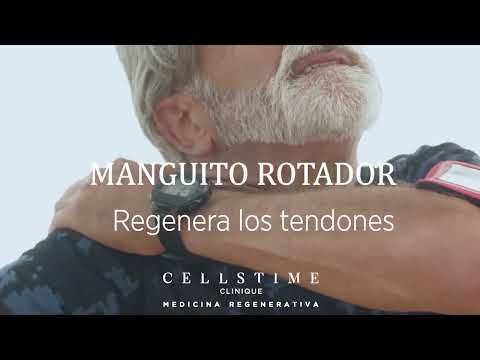
The shoulder joint is an incredibly complex biomechanical structure relying heavily on the rotator cuff for both stability and dynamic movement. This crucial cuff comprises four primary muscles—the supraspinatus, infraspinatus, teres minor, and subscapularis—along with their attaching tendons. As highlighted early in the presentation at [00:00], pinpointing the exact location of the structural weakness is essential for formulating an accurate diagnostic profile.
Injuries to these vital tendons generally fall into two categories: acute tears resulting from sudden trauma, and degenerative tears caused by repetitive stress and natural aging. Over time, the blood supply to the rotator cuff tendons naturally diminishes, severely impairing the body's ability to repair micro-tears autonomously. This lack of inherent vascularity is precisely why traditional rest and physical therapy often fall short, prompting patients to seek highly specialized, non-surgical rotator cuff repair options.
When the tendon fibers begin to fray or completely detach from the humeral head, patients typically experience a deep, persistent ache within the joint capsule. This pain is often exacerbated by overhead reaching motions or simply attempting to sleep on the affected side. As structural integrity degrades, arm weakness becomes highly pronounced, severely restricting daily functional independence.
Recognizing these early warning signs is paramount for preventing a partial tear from progressing into a massive, fully retracted rupture. The longer a compromised tendon is left untreated, the more surrounding muscle atrophy occurs, complicating future recovery efforts. Early intervention through advanced diagnostic imaging allows specialists to map the exact severity of the tear, paving the way for targeted cellular interventions.
The Science Behind Biological Treatments for Tendon Regeneration
The fundamental goal of orthobiologics is to transition a stagnant, chronic injury into an active healing phase. As noted at [00:04], the focus on actively regenerating tendons represents a massive paradigm shift away from mere symptom management. Biological treatments for tendon regeneration utilize the body's own biological building blocks to physically reconstruct damaged tissues.
Mesenchymal stem cells (MSCs) lie at the very heart of this revolutionary approach. These highly potent cells possess the unique ability to differentiate into specialized musculoskeletal cells, including tenocytes, which are responsible for generating new tendon fibers. When precisely introduced into the site of a supraspinatus or infraspinatus tear, these cells immediately begin orchestrating a complex cellular repair sequence.
Furthermore, these cellular therapies release a concentrated surge of localized growth factors and vital cytokines. These signaling proteins are critical for initiating angiogenesis—the formation of brand new blood vessels within the previously avascular tendon tissue. By restoring robust blood flow to the damaged zone, the targeted area receives the continuous oxygen and nutritional support strictly required for sustainable tissue reconstruction.
Modern clinical protocols often combine these stem cells with Platelet-Rich Plasma (PRP) to create a powerful synergistic effect. The platelets act as an immediate biological scaffold, anchoring the stem cells exactly where the structural defect exists. This prevents the therapeutic agents from washing away into the broader joint space, maximizing the local concentration of healing properties.
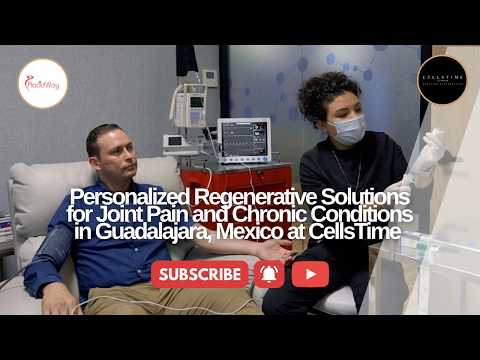
The precise administration of these compounds is facilitated by advanced, real-time ultrasound guidance. This ensures that the regenerative fluid is deposited directly into the microscopic fissures of the torn tendon with pinpoint millimeter accuracy. This exactness guarantees that the biological treatments for tendon regeneration achieve optimal integration, yielding superior clinical outcomes compared to blind injections.
Effective Strategies to Decrease Shoulder Pain Without Surgery
Chronic shoulder pain operates in a vicious cycle where localized inflammation leads to restricted movement, which in turn causes secondary muscle stiffness and further discomfort. At [00:10], the critical objective of drastically decreasing pain is highlighted as a primary benefit of cellular medicine. Unlike conventional pharmaceutical methods, regenerative therapies address the true mechanical root cause of the discomfort.
Standard pain management protocols typically rely heavily on non-steroidal anti-inflammatory drugs (NSAIDs) or potent corticosteroid injections. While these methods may offer temporary relief, multiple studies demonstrate that repeated steroid use actually degrades healthy collagen fibers over time. This detrimental side effect dramatically increases the long-term risk of a massive tendon rupture, ultimately making invasive surgery unavoidable.
In stark contrast, stem cell therapy for shoulder pain provides a naturally restorative solution that intelligently modulates the local inflammatory response. Instead of artificially suppressing all inflammation, cellular therapies convert destructive, chronic inflammation into constructive, acute healing inflammation. This vital biological switch is what permanently resolves the pain signals originating from the damaged nerve endings.
Patients undergoing these advanced protocols report a gradual, highly sustainable reduction in their daily pain levels as the new collagen matrix integrates and solidifies. By rebuilding the compromised structural integrity of the joint capsule, the mechanical friction that originally generated the pain is entirely eliminated. This results in profound, lasting relief that pharmaceutical pain masking simply cannot provide.
Utilizing Medical Insurance for Regenerative Treatments Abroad
One of the most significant barriers to accessing cutting-edge orthobiologics in domestic healthcare systems is the frequently prohibitive out-of-pocket expense. However, as explicitly stated at [00:15], exploring the cost of regenerative medicine in Mexico reveals massive financial advantages, particularly when specialized clinics actively accept cross-border medical insurance.
Many prospective patients are entirely unaware that numerous international premium healthcare facilities have established direct billing relationships with major North American insurance carriers. Navigating these international insurance policies can dramatically offset the expenses associated with advanced stem cell harvesting and laboratory processing. This financial flexibility makes top-tier biological therapies highly accessible to a much broader demographic.
Specialized international patient coordinators play a vital role in this process, assisting travelers in verifying their specific policy coverage before committing to any procedure. These dedicated professionals handle the complex bureaucratic translation of international billing codes, ensuring that all necessary diagnostic documentation is correctly submitted for rapid reimbursement processing.
For those whose policies may not offer direct cross-border coverage, the out-of-pocket cost of regenerative medicine in Mexico still remains a fraction of the price found in the United States or Canada. The combination of highly favorable exchange rates and lower administrative overhead allows elite Mexican clinics to offer unparalleled medical value without ever compromising on clinical safety or procedural efficacy.
Why Choose Specialized Clinics for Regenerative Medicine in Mexico
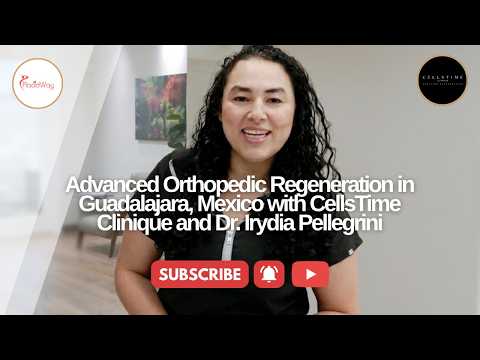
The global landscape of medical tourism for shoulder joint repair has evolved dramatically over the last decade, positioning Mexico as a premier destination for advanced orthobiologics. At [00:18], specialized institutions like Cellstime Clinique are showcased for their dedication to purely regenerative protocols. These clinics maintain rigorous, internationally accredited quality standards that rival the best hospitals worldwide.
A primary advantage of choosing a specialized Mexican clinic is the highly favorable regulatory environment regarding cellular expansion. Unlike strict domestic regulations that often limit cell counts, progressive medical frameworks in Mexico permit the sophisticated laboratory cultivation and massive expansion of mesenchymal stem cells. This allows physicians to deliver exceptionally high-yield, highly viable therapeutic dosages that generate vastly superior tissue regeneration.
Furthermore, these leading facilities utilize advanced allogeneic cell sources, such as ethically harvested Wharton’s Jelly from umbilical cords. These ultra-potent, day-zero stem cells possess immense proliferative capacity and zero immunogenicity. By utilizing these robust cellular sources, patients avoid the painful and invasive bone marrow aspiration procedures traditionally required in domestic orthobiologic treatments.
The medical staff operating within these premier international clinics are frequently globally educated, holding prestigious board certifications from both North American and European orthopedic societies. Their multidisciplinary approach seamlessly integrates sports medicine diagnostics, cellular biology, and highly specialized biomechanical rehabilitation to ensure comprehensive patient recovery.
Beyond the clinical excellence, the entire patient experience is meticulously curated for optimal comfort and minimal stress. From private, medically-equipped transportation from the airport to comprehensive, multi-lingual concierge support, every logistical detail is flawlessly managed. This allows the patient to dedicate entirely 100% of their physical and mental energy toward their healing journey.
Comparing Traditional Surgery vs. Non-Surgical Rotator Cuff Repair Options
When evaluating treatment paths, understanding the stark differences between invasive orthopedic surgery and advanced cellular therapy is critical. While surgery physically sews the torn tissue back together, it does not improve the underlying biological health of the severely degraded tendon. Advanced regenerative medicine for rotator cuff tears in Mexico takes an entirely different, biologically harmonious approach.
| Clinical Feature | Traditional Arthroscopic Surgery | Advanced Regenerative Medicine |
|---|---|---|
| Procedural Invasiveness | High (Requires surgical incisions, bone anchors, and heavy suturing) | Extremely Minimal (Relies solely on precision image-guided micro-injections) |
| Anesthesia Requirements | General anesthesia, carrying inherent systemic cardiovascular risks | Mild local anesthesia, entirely eliminating severe systemic complications |
| Overall Recovery Timeline | 6 to 9 months of intensive, frequently painful rehabilitation | 4 to 8 weeks of progressive, highly tolerable functional loading |
| Joint Immobilization | Strict sling immobilization required for 4 to 6 weeks, causing muscle atrophy | Brief rest period, with early pain-free range of motion strongly encouraged |
| Collateral Tissue Damage | Visible external scarring and potential trauma to healthy surrounding tissues | Zero scarring; strictly preserves and enhances existing shoulder anatomy |
Surgical rotator cuff repair inevitably involves placing synthetic anchors directly into the humeral bone and utilizing high-tension sutures to pull the retracted tendon back into place. This immense mechanical tension frequently results in high re-tear rates, especially in older patients with poor bone density. Additionally, the mandatory post-operative immobilization period leads to severe muscular atrophy and highly restrictive joint stiffness.
Conversely, non-surgical rotator cuff repair options entirely bypass this highly detrimental immobilization phase. Because there are no physical sutures that can rupture under load, patients receiving cellular injections can commence gentle, guided range-of-motion therapies almost immediately. This active early mobilization perfectly aligns the newly regenerating collagen fibers, maximizing the ultimate tensile strength of the repaired tendon and drastically accelerating functional return.
Step-by-Step Recovery Process After Regenerative Therapy
Understanding the specific biological milestones of the recovery process is crucial for maintaining proper expectations. Immediately following the targeted cellular injections, patients enter the acute inflammatory phase lasting approximately three to seven days. During this brief window, localized shoulder soreness is entirely normal and expected, as the highly concentrated orthobiologics powerfully initiate the body's latent healing cascade.
It is absolutely critical during this initial phase that patients strictly avoid any non-steroidal anti-inflammatory medications (NSAIDs) such as ibuprofen. These common medications will directly inhibit the exact cellular proliferation pathways the treatment aims to stimulate. Instead, mild analgesics and specific movement restrictions are utilized to ensure the newly introduced stem cells comfortably attach to the damaged tendon matrix.
Transitioning into the sub-acute proliferative phase (weeks two through six), rapid cellular division and active collagen synthesis occur. This is when specialized physical therapy becomes arguably the most vital component of the entire recovery protocol. Experienced biomechanical therapists employ highly specific proprioceptive neuromuscular facilitation (PNF) techniques to safely retrain the muscular firing patterns of the shoulder complex.
Therapeutic exercises during this window are meticulously designed for progressive loading, which safely stresses the developing tissue to encourage optimal alignment of the new tendon fibers. It is not merely about healing the localized tear; it is about permanently correcting the underlying scapular dyskinesis and structural imbalances that originally caused the tendon to fail under stress.
As the patient enters the final remodeling phase between months three and six, the newly regenerated tissue fully matures, rapidly gaining dense mechanical strength. Patients typically report highly significant improvements in their load-bearing capacity and a complete restoration of their overhead reaching mechanics. Consistent compliance with the prescribed rehabilitation program directly dictates the ultimate, long-term success of the cellular procedure.
Identifying the Ideal Candidate for Shoulder Regenerative Therapy
While orthobiologics represent a monumental leap forward, not every severe shoulder injury is automatically suited for exclusive cellular therapy. Determining accurate clinical candidacy is the most critical factor in guaranteeing successful outcomes. The ideal candidates for regenerative medicine for rotator cuff tears in Mexico typically suffer from persistent partial-thickness tears, severe chronic tendinosis, or mild to moderate osteoarthritis localized within the glenohumeral joint.
Patients whose tendon tears are classified as "massive" or show significant physiological retraction—where the tendon has pulled several centimeters away from the bone—may not achieve full mechanical restoration through injections alone. In these highly severe cases, cellular therapies are frequently utilized as a powerful adjunct during or immediately following arthroscopic surgery to biologically supercharge the healing of the surgical repair.
A comprehensive, multi-layered diagnostic evaluation is absolutely mandatory before clearing a patient for these procedures. Top-tier specialists rely on high-resolution MRI imaging cross-referenced with real-time dynamic ultrasound testing. This allows the medical team to accurately visualize how the damaged tendon behaves under live muscular tension, rather than just viewing a static image.
Factors such as the patient's age, baseline metabolic health, and specific functional goals are heavily weighed during the initial consultation. Individuals committed to fully engaging in the mandatory post-procedural physical rehabilitation invariably experience the highest success rates. This rigorous, highly selective patient screening process ensures that treatment expectations are entirely realistic and clinical outcomes remain exceptionally high.
The Future Landscape of Orthobiologics and Joint Healing
The dynamic field of cellular medicine is evolving at an unprecedented pace, continuously expanding the boundaries of what is possible in non-invasive orthopedic care. The future of stem cell therapy for shoulder pain is rapidly accelerating toward highly personalized, patient-specific biological formulations. Researchers are constantly discovering innovative ways to optimize cellular communication and dramatically accelerate tissue regeneration.
One major advancement is the utilization of highly concentrated exosomes—the microscopic communication vesicles secreted by robust stem cells. By directly isolating and injecting these powerful extracellular messengers alongside traditional orthobiologics for partial rotator cuff tears, clinics can deliver an overwhelming signal to the local native cells, forcing them to rapidly regenerate dormant, damaged tissue.
Furthermore, scientists are aggressively exploring the potent synergistic effects of combining structural scaffolding materials, such as cross-linked hyaluronic acid matrices, with traditional PRP and stem cell suspensions. These advanced biological scaffolds act as a fertile temporary home for the injected cells, massively increasing their survival and localized proliferation rates within the hostile environment of a torn tendon.
As these remarkable laboratory techniques continue to refine and scale, the overall efficacy of these treatments will skyrocket while the cost of regenerative medicine in Mexico will remain highly competitive. This continuous evolution firmly establishes biological treatments for tendon regeneration not just as a niche alternative, but as the inevitable primary standard of care for global musculoskeletal injury management.
Preparing for Your Medical Tourism for Shoulder Joint Repair
Embarking on international medical travel requires meticulous logistical preparation to ensure the entire process is both entirely stress-free and clinically successful. The first essential step for anyone considering medical tourism for shoulder joint repair is compiling a comprehensive, fully digitized medical dossier. This strictly includes securing high-quality digital copies of all recent MRI scans, detailed radiology reports, and any prior operative notes.
Submitting these critical documents allows the international orthopedic specialists to perform highly accurate remote evaluations. Through comprehensive virtual telehealth consultations, the medical team can definitively confirm procedural candidacy, formulate a highly individualized cellular treatment blueprint, and outline precise cost structures before the patient even books a flight.
Logistically, highly reputable clinics and dedicated medical tourism facilitators will manage all ground-level details. This typically includes coordinating premium accommodation in close proximity to the medical facility, arranging all necessary local transportation, and providing seamless bilingual assistance. Ensuring your passport is fully valid and reviewing any specific cross-border travel requirements well in advance prevents any last-minute administrative delays.
Finally, patients must proactively plan for their immediate post-procedure journey home. While the advanced regenerative treatments are functionally minimally invasive, patients are strongly advised to travel with a dedicated companion to assist with heavy luggage and navigate crowded airport terminals. Securing an appointment with a local, trusted physical therapist in your hometown prior to departure ensures that your critical, progressive rehabilitation begins immediately upon your return.
- Secure Digital Records: Obtain all recent MRI DICOM files and corresponding radiologist reports for accurate remote evaluation.
- Coordinate Insurance: Verify cross-border coverage limits and necessary billing documentation with specialized clinic coordinators.
- Arrange Local Therapy: Pre-book initial physical therapy consultations in your home city to guarantee a seamless transition into the vital rehabilitation phase.
- Plan Safe Travel: Arrange for a travel companion to handle logistics and heavy lifting immediately following the cellular injection procedure.
Ready to Heal Your Shoulder Without Surgery?
Take the definitive first step towards reclaiming your active, pain-free life with advanced orthobiologics. Connect directly with highly credentialed international specialists to thoroughly evaluate your MRI, discuss customized cellular protocols, and explore your specific non-surgical treatment options today.
Get Free QuoteView Full Video Transcript / On-Screen Text Details
[00:00] MANGUITO ROTADOR (Rotator Cuff Treatment Focus)
[00:04] Regenera los tendones (Advanced protocols to regenerate tendons without surgery)
[00:10] Disminuye el dolor (Effectively decreases chronic joint pain and inflammation)
[00:15] ACEPTAMOS Tu seguro de gastos médicos (We accept your medical insurance for regenerative treatments)
[00:18] CELLSTIME CLINIQUE MEDICINA REGENERATIVA (Cellstime Clinique - Leaders in Regenerative Medicine)

.png)

.png)



-(10).png)
.png)
-(1).png)








Share this listing