


Advanced Stem Cell Therapy for Psoriasis in Mexico
Living with chronic autoimmune skin conditions means constantly searching for solutions that provide more than temporary relief. Patients are increasingly turning to regenerative medicine, specifically stem cell therapy for psoriasis in Mexico, to address the root cause of their symptoms. This innovative approach targets the underlying immune dysfunction rather than merely masking the visible signs on the skin.
Cellular therapy offers a potent anti-inflammatory effect that helps clear stubborn erythematous plaques. Those who have struggled for years with thick scales on their elbows, knees, and scalp are finding meaningful, long-term improvement. Understanding how this medical advancement works can help you make informed decisions about managing your autoimmune health.
Video Chapters & Quick Navigation
Understanding Autoimmune Psoriasis and Its Symptoms
Psoriasis is fundamentally a chronic autoimmune condition that drastically accelerates the life cycle of skin cells. As highlighted at [00:00], it is defined by the appearance of erythematous plaques across the body. These raised, red patches are usually covered with a silvery-white buildup of dead skin cells.
This rapid cell turnover happens because the immune system mistakenly attacks healthy tissue. Normally, skin cells grow and shed over a period of nearly a month. In patients with this condition, the entire process happens in just a few days, leaving the cells no time to slough off naturally.
The resulting buildup leads to intense itching, burning sensations, and skin that can easily crack and bleed. These lesions most commonly develop on the elbows, knees, lower back, and scalp. However, severe cases can see these plaques spreading to cover large, continuous sections of the body.
Different Types of Psoriatic Conditions
While plaque psoriasis is the most common manifestation, the disease presents in several distinct forms. Guttate psoriasis often appears in childhood or young adulthood and is characterized by small, drop-shaped lesions. This form is frequently triggered by a bacterial infection, such as strep throat.
Inverse psoriasis specifically targets the skin folds, causing smooth red patches that worsen with friction and sweating. Pustular psoriasis is a more severe variant where white blisters of non-infectious pus surround red skin. Identifying the specific type is necessary for developing an effective strategy using alternative treatments for autoimmune skin conditions.
Erythrodermic psoriasis is the rarest and most aggressive form, capable of covering the entire body with a red, peeling rash. This variant can disrupt the body's ability to regulate temperature and requires immediate medical intervention. Regenerative protocols are increasingly being studied to help manage even these extreme variations.
Common Triggers for Psoriasis Flare-Ups
Managing this condition requires strict attention to the internal and external factors that provoke symptoms. Psychological stress is widely recognized as one of the primary catalysts for sudden, severe outbreaks. The body releases inflammatory hormones during stressful periods, which directly agitates the immune system.
Physical trauma to the skin, known in dermatology as the Koebner phenomenon, can also force new plaques to form. Scrapes, bug bites, vaccinations, or severe sunburns can turn healthy skin into active psoriatic lesions. Protecting the skin from unnecessary injury is a daily requirement for patients.
Certain medications are also known to interact poorly with this autoimmune disorder. Lithium, antimalarial drugs, and specific high blood pressure medications can induce flare-ups. Patients must always cross-reference new prescriptions with their dermatologists to avoid accidental symptom exacerbation.
- Weather Fluctuations: Cold, dry air aggressively strips moisture from the skin, leading to thicker plaque formation.
- Lifestyle Habits: Heavy alcohol consumption and smoking heavily contribute to systemic inflammation and disease severity.
- Hormonal Changes: Puberty, pregnancy, and menopause can alter symptom intensity due to shifting hormone levels.
Traditional Psoriasis Treatments vs. Regenerative Medicine
The standard medical approach for managing early-stage psoriasis heavily relies on topical interventions. Corticosteroid creams are frequently prescribed to locally suppress the immune response and reduce inflammation. While these creams provide temporary relief, they do not correct the underlying immune dysfunction causing the plaques.
Another common topical treatment involves vitamin D analogues, which help slow the excessive growth of skin cells. Salicylic acid is also used to promote the shedding of dead skin and reduce scaling. However, keeping up with a daily routine of applying various ointments is often tedious and frustrating for patients.
Phototherapy involves exposing the skin to controlled amounts of natural or artificial ultraviolet light. UVB rays penetrate the skin to slow the growth of affected cells and reduce scaling and inflammation. While effective for some, frequent sessions are required, and long-term exposure carries distinct skin aging and damage risks.
The Limits of Conventional Systemic Medications
When topical treatments and light therapy fail, doctors often escalate to systemic medications. Drugs like methotrexate and cyclosporine suppress the entire immune system to bring severe flare-ups under control. Because they suppress immune function broadly, they leave patients highly vulnerable to common infections.
Biologic drugs are newer systemic treatments that target very specific parts of the immune system. They block the action of specific inflammatory proteins like TNF-alpha or specific interleukins. Biologics require continuous use, often via painful injections, and are notoriously expensive without premium health insurance.
Prolonged use of these conventional medications requires constant blood monitoring to check for liver damage or kidney strain. The heavy burden of side effects causes many patients to discontinue treatment entirely. This gap in care highlights the urgent need for safer, more sustainable therapeutic options.
The Shift Toward Alternative Autoimmune Treatments
Because of the limitations and risks of standard pharmaceuticals, attention is shifting rapidly toward regenerative medicine for severe psoriasis. Cellular therapies focus on repairing the flawed immune response rather than applying a chemical bandage. This shift represents a major change in how autoimmune disorders are approached globally.
Regenerative medicine seeks to restore harmony within the body by using natural, biological elements. Instead of suppressing the immune system to dangerous levels, it attempts to modulate and re-educate the cells. This provides a pathway to healing that works with the body's natural systems rather than fighting against them.
| Treatment Protocol | Primary Mechanism | Common Drawbacks |
|---|---|---|
| Topical Steroids | Local immune suppression | Skin thinning, loss of long-term efficacy |
| Biologic Injections | Blocks specific inflammatory proteins | High infection risk, extremely high recurring costs |
| Cellular Therapy | Systemic immune modulation and tissue repair | Requires travel to specialized international clinics |
How Stem Cell Therapy Regenerates Skin Cells
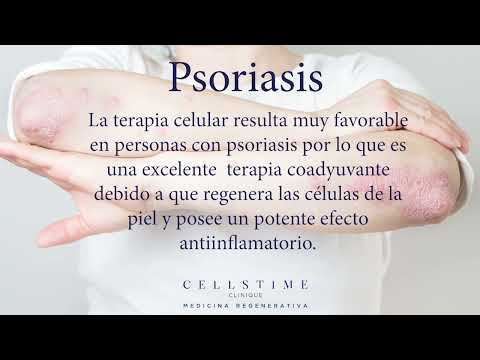
The core advantage of regenerative medicine lies in its ability to actively repair damaged tissue. As noted at [00:09], cellular therapy proves highly favorable because it explicitly regenerates skin cells. This provides a level of healing that chemical medications simply cannot achieve.
The therapy utilizes specialized cells that possess the unique ability to differentiate and promote healing. When these cells enter the body, they detect chemical signals emitted by damaged and inflamed tissues. They travel directly to these problem areas, initiating a complex biological repair sequence.
Once at the site of the psoriatic plaques, they release growth factors that stimulate the surrounding tissue. This prompts the dermal layers to heal and normalize their growth cycles. The result is a gradual smoothing of the skin and a significant reduction in scaling.
Understanding Mesenchymal Stem Cells
The most common biological tools used in these treatments are Mesenchymal Stem Cells (MSCs). These are multipotent stromal cells, meaning they can influence a wide variety of tissues in the body. They are typically sourced ethically from umbilical cord tissue, specifically Wharton's Jelly, which yields highly robust cells.
MSCs are known for their exceptional safety profile and their inability to trigger rejection. Because they lack certain markers on their surface, the patient's immune system does not recognize them as foreign invaders. This makes allogeneic treatments—using cells from a healthy donor—perfectly viable and highly effective.
Alongside the cells themselves, many clinics now incorporate exosome therapy into the protocol. Exosomes are tiny vesicles released by stem cells that carry the healing RNA and proteins directly into damaged cells. Combining MSCs with exosomes drastically amplifies the regenerative effects on the skin.
Acting as an Excellent Adjuvant Therapy
A major benefit of this approach is its flexibility within a broader treatment plan. The video specifically mentions at [00:09] that it serves as an excellent adjuvant therapy. This means patients do not always have to immediately stop their current treatments to benefit from cellular medicine.
By introducing stem cells, the overall baseline health of the immune system improves. This often allows patients to slowly reduce their dependency on harsh systemic medications under medical supervision. The synergistic effect of combining cellular therapy with gentle topical care yields exceptional results.
Utilizing cellular therapy for plaque psoriasis on the scalp and elbows tackles the most notoriously difficult areas to treat. Restoring the skin barrier in these regions prevents painful cracking and bleeding. Patients experience a physical relief that allows them to return to regular daily activities comfortably.
The Anti-Inflammatory Benefits of Cellular Therapy
Chronic inflammation is the driving engine behind every autoimmune disease, keeping the body in a constant state of alert. As stated at [00:09], cellular treatments possess a remarkably potent anti-inflammatory effect. Halting this systemic inflammation is the key to achieving long-term disease remission.
Standard anti-inflammatory drugs only block a few specific pathways in the body. Stem cells, however, interact dynamically with the immune system in real time. They assess the level of inflammation and release an array of cytokines tailored specifically to suppress that specific immune response.
These anti-inflammatory effects of stem cells on skin conditions are profound and measurable. Patients often see their blood markers for inflammation drop significantly in the weeks following treatment. This internal calming effect directly translates to fading redness and flattening of plaques externally.
Balancing the Immune Response
MSCs perform a unique function known as immunomodulation, which balances rather than suppresses the immune system. They alter the behavior of aggressive T-cells, stopping them from attacking healthy skin. At the same time, they promote the production of regulatory T-cells, which maintain immune peace.
The cells also influence macrophages, which are immune cells that clear out debris and handle tissue repair. MSCs force these macrophages to switch from a pro-inflammatory state to an anti-inflammatory state. This switch fundamentally changes the local environment of the skin from destructive to healing.
This intelligent modulation ensures that the patient's immune system remains capable of fighting off actual viruses and bacteria. Unlike biologic medications, patients undergoing regenerative treatments do not face a severely heightened risk of opportunistic infections. The immune system is simply retrained to stop attacking the body itself.
Systemic Relief Beyond the Skin
Because stem cells are typically administered intravenously, their benefits extend far beyond cutaneous symptoms. Up to thirty percent of people with this skin condition will eventually develop psoriatic arthritis. This related condition causes severe joint pain, stiffness, and permanent joint damage if left unchecked.
Stem cell treatment for autoimmune diseases targets the joints just as aggressively as the skin. The cells home in on inflamed synovial fluid within the joints, providing massive pain relief and improving mobility. Treating both the skin and the joints simultaneously provides a comprehensive health solution.
Reducing systemic inflammation also lowers the risk of developing metabolic syndrome and cardiovascular diseases. Chronic psoriasis places heavy stress on the heart and blood vessels over time. Cellular therapy mitigates this invisible danger, protecting the patient's long-term cardiovascular health.
- Cytokine Regulation: Releases IL-10 and TGF-beta to actively suppress active inflammatory cascades.
- Joint Protection: Reduces swelling in the fingers, toes, and lower back associated with psoriatic arthritis.
- Cardiovascular Health: Lowers the systemic stress that contributes to heart disease in autoimmune patients.
Why Choose Mexico for Autoimmune Disease Treatments?
The landscape of global healthcare is changing, and medical travel is at the forefront of this shift. Opting for stem cell therapy for psoriasis in Mexico allows patients to access advanced treatments that may be restricted or prohibitively expensive at home. The country has established itself as a premier destination for regenerative medicine.
Cities like Tijuana, Cancun, and Mexico City host world-class facilities specifically designed for international patients. These clinics utilize cutting-edge medical technology and adhere strictly to international health protocols. Patients receive care from highly specialized doctors who have often trained extensively in the US or Europe.
The cost disparity is a major driving factor for patients seeking affordable psoriasis treatment options abroad. Because administrative and overhead costs are significantly lower in Mexico, clinics can offer premium stem cell treatments at reasonable rates. This democratization of advanced healthcare is changing countless lives.
High Standards and Medical Regulation
Safety is the primary concern for anyone traveling across borders for medical care. Psoriasis stem cell clinics in Mexico are tightly regulated by COFEPRIS, the national health regulatory agency. This organization enforces strict guidelines on how biological materials are harvested, processed, and administered.
Top-tier clinics utilize highly advanced laboratories to expand and prepare the stem cells. They provide full transparency regarding cell counts, viability percentages, and sterility testing. Patients can review these lab reports before their procedure, ensuring they receive the highest quality treatment possible.
The staff at these clinics are entirely bilingual, eliminating any language barriers during medical consultations. From airport pickups to luxury recovery accommodations, the logistics of medical travel are handled seamlessly. This allows patients to focus entirely on their healing process without logistical stress.
Accessible Care and Medical Insurance
Navigating the financial aspects of advanced medical care can be daunting. As mentioned at [00:19], many modern clinics in Mexico accept medical insurance or Gastos médicos, subject to specific restrictions. Exploring these options can dramatically reduce out-of-pocket expenses.
Even when insurance coverage is limited, clinics frequently offer structured financing plans. Dedicated patient coordinators assist in verifying insurance benefits and managing international billing paperwork. This level of administrative support makes cellular therapy for autoimmune skin disorders highly accessible.
The overall value proposition of traveling to Mexico is undeniable. Patients receive superior cellular products, comprehensive medical evaluations, and personalized care. Combining a medical procedure with a relaxing environment aids the psychological recovery necessary for autoimmune healing.
What to Expect During Your Psoriasis Treatment Journey
Fear of the unknown often prevents patients from pursuing alternative medical treatments. Knowing exactly what the protocol entails helps set realistic expectations and reduces pre-travel anxiety. The process is remarkably straightforward and entirely focused on patient comfort and safety.
Your journey begins weeks before you travel, starting with a comprehensive telehealth consultation. Doctors review your full medical history, current prescriptions, and high-resolution photos of your psoriatic plaques. This information allows the medical team to customize the exact cell dosage required for your specific condition.
Once you arrive at the facility, you are greeted by your dedicated medical team. The environment is designed to be calming, resembling a luxury wellness center more than a traditional hospital. This stress-free environment is vital, as keeping cortisol levels low is essential for autoimmune patients.
Pre-Treatment Evaluation and Testing
Before any stem cells are administered, the clinic conducts an extensive in-person medical evaluation. This includes detailed blood work to check current inflammatory markers and ensure your organs are functioning perfectly. Doctors also physically examine your skin to establish a baseline for measuring future progress.
The medical team takes the time to explain the entire procedure, answering any remaining questions you might have. You are fully briefed on how the IV infusion works and what you might feel during the process. This transparency builds trust and ensures you are entirely comfortable moving forward.
Depending on the severity of your case, doctors might recommend adjunct therapies on the same day. This could include vitamin C infusions or ozone therapy to prepare your body to receive the stem cells. These preparatory steps maximize the survival rate and efficacy of the MSCs.
Recovery and Follow-Up Care
The actual administration of the cells is minimally invasive and typically takes less than two hours. Patients relax in a comfortable chair while the cells are delivered via a slow intravenous drip. Localized injections might also be administered directly under severe plaques or into painful joints.
There is virtually no downtime associated with this outpatient procedure. Some patients report feeling slightly fatigued or flushed immediately following the infusion, which indicates the immune system is responding. Most people are cleared to travel back home the very next day.
The clinic maintains close contact with you through a structured follow-up program. Monthly check-ins allow doctors to monitor your skin clearance and adjust any ongoing topical treatments. Healing from an autoimmune disease is a marathon, and continuous medical support ensures you stay on the right track.
| Timeline Phase | Biological Action | Visible Patient Results |
|---|---|---|
| Days 1-14 | Cells migrate to inflamed tissues | Halt of new plaque formation, mild fatigue |
| Weeks 3-8 | Modulation of T-cells and macrophage switching | Significant reduction in itching, initial softening of scales |
| Months 3-6 | Continuous tissue regeneration and barrier repair | Fading of erythematous plaques, restoration of normal skin color |
| Months 6-12 | Long-term systemic immune regulation | Sustained remission, massive improvement in joint mobility |
Long-Term Management and Improving Your Quality of Life
The ultimate goal of regenerative therapy is to restore a sense of normalcy to your daily routine. As emphasized at [00:19], improving the patient's quality of life is the central focus of these specialized clinics. However, the patient must also actively participate in maintaining their new baseline of health.
Stem cell therapy provides a powerful reset for the immune system, but bad habits can eventually trigger the disease again. Maintaining a lifestyle that supports cellular health is absolutely required for sustained remission. Small daily choices compound over time to protect the investment you made in your health.
Stress management is arguably the most vital lifestyle adjustment for psoriasis patients. Incorporating daily mindfulness practices, yoga, or deep breathing exercises keeps inflammatory stress hormones at bay. Protecting your mental health directly protects your skin.
Nutritional Support for Skin Health
Dietary choices heavily influence the internal inflammatory environment of the body. Following an anti-inflammatory or Mediterranean diet provides the nutrients your skin needs to remain clear. Heavy consumption of leafy greens, berries, and healthy fats supports ongoing cellular repair.
Patients are strongly advised to eliminate refined sugars, highly processed foods, and excessive dairy. These items are known to agitate the gut microbiome, which is closely linked to systemic autoimmune reactions. A healthy gut directly translates to a calmer, more balanced immune system.
Supplementing with high-quality Vitamin D and Omega-3 fish oils provides further support for skin health. Proper hydration is also essential; drinking ample water keeps the newly repaired skin barrier plump and resilient. These nutritional strategies work hand-in-hand with cellular therapy for autoimmune skin disorders.
Embracing a Future Free from Constant Flare-Ups
Living with a highly visible skin condition takes a massive psychological toll over the years. Patients frequently suffer from anxiety and depression due to the constant physical discomfort and social stigma. Achieving skin clearance through regenerative medicine lifts this heavy emotional burden entirely.
The simple joy of wearing short sleeves in summer or wearing dark clothing without fear of flaking is life-changing. Improved joint mobility allows patients to return to hobbies, sports, and exercise routines they had abandoned. The physical relief sparks a renewed sense of confidence and vitality.
By opting for alternative treatments for autoimmune skin conditions, you are choosing a proactive path to healing. Taking control of your medical journey allows you to break free from the cycle of symptom suppression. Patients can finally look forward to a vibrant, active life unhindered by severe autoimmune flare-ups.
Ready to Explore Stem Cell Therapy for Psoriasis?
Discover affordable, advanced regenerative medicine options. Connect with top-tier clinics in Mexico and find out exactly how cellular therapy can help clear your skin, modulate your immune system, and dramatically improve your quality of life.
Get Free QuoteView Full Video Transcript
[00:00] Psoriasis.
[00:00] La psoriasis se considera una enfermedad autoinmune que se caracteriza por placas eritematosas en la piel sobre todo en codos, rodillas y cuero cabelludo.
[00:09] La terapia celular resulta muy favorable en personas con psoriasis por lo que es una excelente terapia coadyuvante debido a que regenera las células de la piel y posee un potente efecto antiinflamatorio.
[00:19] Mejoramos tu calidad de vida. Aceptamos tu seguro de Gastos médicos *Aplican restricciones.
.png)



.png)
.png)
-(8).png)
.png)




-(3).png)








Share this listing