


Comprehensive Guide to Alternative Stage 4 Bladder Cancer Treatment in Mexico
Finding an effective alternative stage 4 bladder cancer treatment in Mexico represents a critical turning point for patients navigating severe oncological challenges. When conventional medical systems present limited pathways, individuals often look beyond their local borders for innovative care. The journey requires immense courage, extensive research, and a willingness to explore the non-conventional cancer therapies Mexico has to offer. Advanced cancer diagnoses disrupt every facet of daily life, forcing patients to reevaluate their health strategies entirely and seek out facilities that prioritize holistic healing.
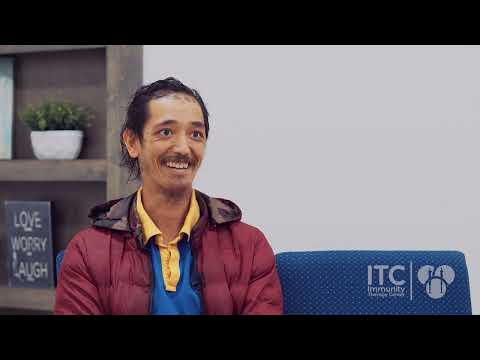
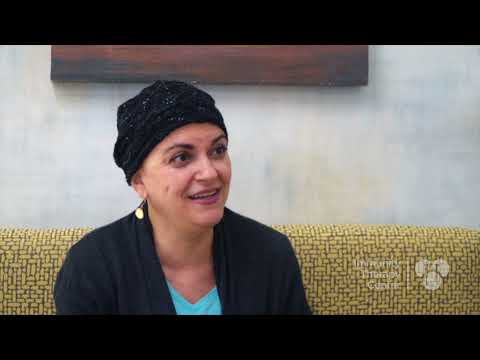
For many, the search begins after receiving a devastating prognosis from local healthcare providers. As seen in recent stage 4 bladder cancer survival stories, exploring alternative options can provide renewed hope and tangible physical recovery. Patients like Champion McConnell, who introduces his challenging diagnosis at [00:06], face a stark reality requiring immediate action. The decision to travel internationally involves analyzing various holistic bladder cancer treatment Tijuana options and understanding the underlying philosophies of these premium clinics.
Video Chapters
- 1. The Reality of Advanced Bladder Carcinoma
- 2. Researching Non-Conventional Therapies
- 3. Arriving at the Immunity Therapy Center
- 4. The Compassionate Care of Dr. Bautista
- 5. Analyzing Non-Invasive Therapy Protocols
- 6. Evaluating Patient Recovery Results
- 7. The Exceptional Nursing Staff Culture
- 8. Embracing Medical Tourism in Tijuana
- 9. The Financial Accessibility of Medical Tourism
- 10. Overcoming Fear to Pursue Healing
The Daily Reality of Living With Advanced Bladder Cancer
The physical and emotional toll of living with a severe malignancy dictates every aspect of a patient's existence. Advanced bladder tumors consistently cause excruciating symptoms, including severe pain and significant difficulty during urination. These relentless symptoms drastically reduce a patient's quality of life, making basic daily functions nearly impossible to complete. Champion discusses how the condition completely disabled his ability to work at [00:24], forcing a massive shift in his family dynamics.
Identifying Aggressive Symptoms and Lifestyle Factors
Chronic illness frequently forces individuals to confront their personal habits and past lifestyle choices. Factors such as heavy smoking and chronic alcohol consumption are definitively known to exacerbate the development of urothelial carcinomas. Acknowledging these environmental factors is a crucial first step in the comprehensive healing process. Champion openly reflects on his past struggles with alcohol and heavy smoking, noting how these behaviors intersected with the stressful onset of the global pandemic.
As the underlying disease progresses unchecked, the physical manifestations become increasingly difficult to manage without intervention. Patients typically experience a constant, urgent need to use the restroom, accompanied by severe discomfort and bleeding. This relentless, painful cycle breeds severe psychological anxiety and social isolation. At [00:45], Champion explains the growing difficulty he faced with basic bodily functions before finding alternative medicine for bladder cancer.
Researching Non-Conventional Cancer Therapies in Tijuana
When standard oncology protocols fail to provide viable solutions, families often take the medical research process into their own hands. The internet serves as a primary, unfiltered tool for discovering innovative alternative medicine for bladder cancer globally. Loved ones play an indispensable role in this investigative phase, tirelessly seeking out facilities that utilize different, holistic methodologies. Champion notes at [01:09] that his wife actively spearheaded the search for non-traditional therapeutic options.
The Importance of Online Immunity Therapy Center Tijuana Reviews
The primary objective during research is often finding treatments that do not rely solely on aggressive, systemic chemicals. Many oncology patients specifically look for international clinics offering specialized therapies currently unavailable in their domestic healthcare systems. This intensive search inevitably leads a significant number of North American patients to the medical border region of Baja California. The close geographical proximity of these world-class facilities to the United States makes them highly practical for recurring medical tourists.
Thorough vetting remains an absolute requirement when selecting any medical facility abroad. Prospective patients and their families heavily scrutinize Immunity Therapy Center Tijuana reviews to accurately gauge the legitimacy and success rates of the clinic. Finding the closest, most reputable place that firmly aligns with their personal health philosophies becomes the driving objective. This diligent, patient-led research phase successfully shifts individuals from passive recipients of medical news to active participants in their healing.
First Impressions of the Immunity Therapy Center Environment
Arriving at a foreign medical facility initially evokes strong feelings of apprehension, stress, and logistical uncertainty. Common concerns regarding potential language barriers, cultural differences, and the overall quality of care dominate the minds of medical tourists. However, premium international clinics are specifically designed from the ground up to alleviate these precise anxieties immediately upon arrival. Champion shares his initial relief at [01:34] when he realized the entire administrative and medical staff was entirely bilingual.
Overcoming Language Barriers in International Clinics
The internal atmosphere within these healing centers is meticulously crafted to foster deep comfort and lasting peace. Instead of the sterile, intimidating, and cold environments typical of massive corporate hospitals, these clinics prioritize a warm, home-like setting. Patients are immediately greeted by a diverse international community, quickly connecting with individuals from around the world fighting similar conditions. This shared global experience cultivates a profound, immediate sense of belonging and mutual emotional support among the patients.
Feeling comfortable and at home is particularly critical for patients who have traveled thousands of miles from their immediate families. The sudden absence of a local personal support system during intensive daily treatments can easily become emotionally draining. Champion openly expresses the deep emotional longing for his wife and two young children left back home in California. The constant presence of a truly caring, attentive medical staff effectively bridges this emotional gap for isolated patients.
The Role of Dr. Bautista in Holistic Oncology Care
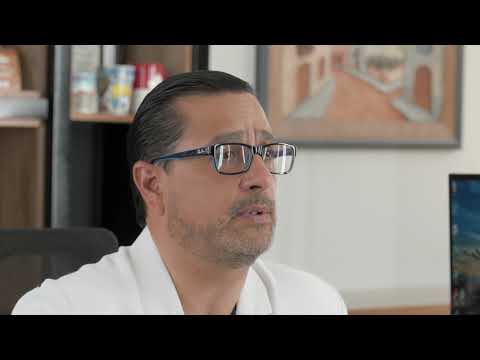
The foundational relationship between an oncologist and their patient remains the true cornerstone of any successful recovery process. Within the specialized realm of alternative medicine, this dynamic is intentionally more personalized and empathetic than in traditional clinical settings. Alternative doctors take the necessary time to deeply understand the patient's specific fears, life goals, and physical boundaries. At [02:15], Champion describes his highly emotional, perspective-shifting first phone consultation with Dr. Bautista ITC Tijuana.
Customizing Non-Invasive Cancer Treatment in Mexico
Tears of pure relief are a remarkably common physical reaction when patients finally feel heard by a top-tier medical professional. Countless individuals specifically seek out non-invasive cancer treatment in Mexico to actively avoid severe, life-altering surgical interventions. Champion firmly communicated his strict desire to avoid having any bodily organs surgically removed during his initial consultations. The medical team's immediate, unquestioning respect and accommodation of these personal wishes established a rock-solid foundation of trust.
Unwavering consistency in compassionate daily care is absolutely required for maintaining long-term patient morale. From the very first international phone call to the daily in-person clinical interactions, the level of medical dedication remains constant. The entire medical staff at the center continuously demonstrates their genuine commitment to the patient's complete holistic well-being. This ongoing support strongly validates the patient's difficult decision to pursue alternative therapies across international borders.
Analyzing Innovative Therapies at Immunity Therapy Center
Alternative cancer treatments actively encompass a wide array of innovative, scientifically backed, and carefully administered holistic protocols. Patients must mentally approach these unique therapies with patience, as the cellular healing process is progressive and requires daily dedication. The overarching medical goal is to aggressively target the malignancy while strictly preserving the body's natural immune function. At [02:53], the detailed discussion highlights the specific physical therapies utilized daily at the facility.
Integrating Palliative Care and Targeted Interventions
Pain management is consistently handled with incredible precision, empathy, and strategic care in these specialized clinical environments. Unlike standard hospital protocols that rely heavily on debilitating, mind-altering narcotics, alternative centers strictly utilize targeted, localized approaches. Champion notes that the most significant physical discomfort he regularly experiences is merely the tiny pinch of an IV needle. This minimal level of daily pain stands in stark contrast to the notoriously grueling side effects associated with conventional treatments.
- Targeted IV Nutrient Therapy: Delivers high-dose vitamins and immune-boosting compounds directly into the bloodstream with minimal discomfort.
- Palliative Drainage Procedures: Interventions like nephrostomies are utilized to relieve internal pressure, drain accumulated fluids, and restore organ function immediately.
- Holistic Pain Management: Approaches that minimize the reliance on heavy narcotics, focusing instead on treating the root cause of the inflammation.
Immediate physical interventions are frequently necessary to stabilize a patient's declining condition upon their initial clinical arrival. In severe cases involving internal bleeding or organ blockage, specialized localized procedures are swiftly and safely implemented. Champion describes receiving a surgical nephrostomy on his back during his very first week at the center. This critical, targeted procedure successfully drained accumulated blood, restored normal urinary function, and provided immense physical relief.
Evaluating Tumor Shrinkage and Patient Recovery Results
The ultimate, undeniable measure of any oncological treatment protocol is its direct impact on the physical progression of the disease. Regular, meticulous medical monitoring remains essential to accurately track the ongoing efficacy of the carefully chosen alternative therapies. State-of-the-art imaging technology, specifically high-resolution CT scans, is utilized to provide clear evidence of positive internal changes. Patients eagerly anticipate these objective medical results, as they directly dictate the future course of their personalized treatment plan.
Utilizing CT Scans to Monitor Ongoing Progress
The remarkable speed at which alternative, holistic treatments can yield physical results frequently surprises those accustomed to traditional, slower timelines. Depending heavily on the individual patient's specific condition and physiological responsiveness, tangible physical improvements can occur almost immediately. Champion shares his astonishing initial progress at [03:29], explaining how he originally arrived in agonizing pain, barely able to walk. Within a single day of receiving targeted holistic treatment, he began to feel significant relief and documented measurable progress.
Continuous, visually positive imaging results inherently provide immense psychological momentum for patients battling severe diseases. Every single medical scan that officially documents a reduction in tumor size heavily reinforces the patient's belief in their recovery. Champion proudly states that every sequential CT scan he has received at the center has shown his cancer continuously shrinking. This undeniable, concrete medical evidence actively fuels his ultimate goal of becoming entirely cancer-free and returning home fully restored.
The Exceptional Nursing Staff and Supportive Culture
A medical facility is truly only as effective as the dedicated individuals who flawlessly execute the daily care protocols. The clinical nursing staff plays an arguably more critical role in the daily life of a cancer patient than the physicians. They represent the frontline medical caregivers, directly responsible for administering treatments, constantly monitoring vital signs, and providing emotional comfort. The overarching culture of customer service and patient-first care at the center is repeatedly praised in patient testimonials.
Building Emotional Resilience During Intensive Care
The clinic's nurses are frequently described by patients as having hearts like angels, demonstrating an unparalleled level of empathy. They remain acutely attuned to the subtle, daily shifts in a patient's physical discomfort and emotional state. Whether a patient is suddenly experiencing a tension headache, a mild stomach ache, or generalized anxiety, the staff reacts immediately. Champion emphasizes the profound, daily impact of the nursing staff at [05:54], genuinely calling them a true blessing to his recovery.
This elevated level of highly attentive, personalized care is rarely discovered in overburdened, traditional corporate hospital systems. The unique ability to freely express emotional vulnerability without fear of judgment allows patients to release toxic, pent-up stress. When a patient inevitably breaks down in tears, as Champion did with Dr. Orozco at [05:24], they receive fierce encouragement. Being told with absolute, unwavering medical certainty that they will grow physically strong again provides a crucial psychological lifeline.
Embracing Medical Tourism for Cancer Care in Tijuana
The public perception of actively traveling to Mexico for complex medical care has drastically and positively evolved in recent years. Tijuana has officially transformed into a globally recognized, premier destination for advanced, specialized medical treatments and oncology care. Patients from all corners of the globe currently converge on this bustling city, drawn by the promise of high-quality alternative care. The vibrant, welcoming local culture and consistently warm climate further enhance the holistic healing environment for visiting patients.
| Aspect of Care | Traditional Oncology | Alternative Care in Tijuana |
|---|---|---|
| Treatment Focus | Aggressive tumor eradication | Whole-body immune restoration |
| Environment | Clinical and sterile hospitals | Warm, home-like healing centers |
| Patient Autonomy | Strict adherence to standard protocols | Highly customized, collaborative planning |
Comparing Global Oncology Standards and Experiences
Many international patients rapidly develop a deep, lasting affection for the Baja region during their extended medical stays. The strong desire to eventually return not as a sick patient, but as a healthy tourist, is a remarkably common sentiment. Champion openly expresses his profound love for the city of Tijuana at [04:31], confidently stating his firm intention to visit again. This massive shift in personal perspective highlights the overwhelmingly positive associations formed during an otherwise highly traumatic period.
Embracing the rich local culture, including actively attempting to learn the Spanish language, signifies a deep integration into the healing process. While remaining lighthearted about his current linguistic skills, the genuine desire to connect with the heritage demonstrates immense appreciation. Medical tourism in this specific border area offers not just a clinical oncology solution, but a profound life experience. Patients frequently leave the region with entirely reshaped worldviews and a renewed, profound appreciation for global medical diversity.
The Financial Accessibility of Medical Tourism
The financial devastation commonly associated with a severe cancer diagnosis is a harsh reality for countless families worldwide. Traditional oncology protocols in the United States routinely result in astronomical medical bills that quickly deplete lifelong savings. In stark contrast, exploring alternative medical tourism in Mexico offers a highly transparent, significantly more affordable financial structure. Patients are routinely provided with comprehensive, all-inclusive treatment plans that strictly eliminate hidden hospital fees and unexpected surcharges.
Evaluating the True Cost of Long-Term Oncology Care
By actively choosing specialized clinics south of the border, individuals gain immediate access to world-class therapies without facing imminent bankruptcy. The total cost of an intensive, multi-week holistic treatment protocol is often a mere fraction of a standard domestic hospital stay. This immense financial accessibility empowers patients to completely redirect their mental focus entirely toward healing their physical bodies. Removing the crushing burden of insurmountable medical debt heavily contributes to a positive, stress-free recovery environment.
Overcoming Fear When Choosing Alternative Medical Paths
Crippling fear remains the most pervasive, paralyzing, and destructive emotion directly associated with any advanced cancer diagnosis. It rapidly clouds logical judgment, actively prevents timely medical action, and frequently dictates the course of treatment based on societal norms. Acknowledging this intense fear as a natural human instinct is the absolute first step toward successfully overcoming it. At [06:25], Champion directly and passionately addresses individuals who may be hesitant to seek alternative treatments.
Prioritizing Health Over Societal Medical Norms
Making critical, life-altering health decisions from a psychological place of sheer fear rarely leads to the best possible medical outcomes. Patients must actively fight to find the required mental clarity to step back and evaluate their treatment options completely objectively. The profound realization that personal life and physical health are the absolute highest priorities quickly strips away all secondary concerns. Everything else, from temporary career worries to the uneducated opinions of others, is ultimately extraneous drama compared to survival.
Taking the literal leap to actively pursue non-conventional medical treatments in another country requires immense, undeniable personal fortitude. However, the ultimate reward for this extreme bravery can be a complete, lasting restoration of physical health and vitality. By sharing their authentic recovery journeys, successful patients brightly illuminate the difficult path for others trapped in darkness. The overarching message remains incredibly clear: never let fear prevent you from exploring the exact medical facility that can heal you.
Take the First Step Toward Alternative Healing
If you or a loved one are facing an advanced cancer diagnosis, explore your options with a customized treatment plan. Connect with specialized alternative oncologists today to start your recovery journey.
Get Free QuoteRead Full Video Transcript
[00:06] My name is Champion McConnell. I am from Santa Maria, California, and my initial diagnosis is stage 4 bladder cancer.
[00:24] I wasn't able to work. I had bad habits I had to change. I was an alcoholic and I smoked a lot of cigarettes.
[00:35] It picked up around COVID, and at the same time I became a father of two. So it was really bad timing on my part, but increasingly got more difficult to urinate.
[00:44] I kept on having to run to the bathroom, and at the moment I didn't want to go to the doctors. I had my own insecurities and fears about it.
[00:54] It just kept on growing until the point that I found ITC.
[01:09] It was the internet. Yeah, my wife looked it up on the internet. I wanted to have therapies that included non-conventional therapies that I didn't have as an option where I'm from.
[01:23] So we looked it up and this was the closest place.
[01:34] I think I was first impressed how bilingual everybody was. You know, I didn't know if I would be able to communicate.
[01:42] But when I got here, I saw a lot of different people around the world. I just felt at home.
[01:48] Yeah, the entire time I felt at home. I mean it's very important for me because I didn't have anybody to be with me during my entire process here.
[01:57] Well, my family was busy and I got two little kids at home. And so I really miss my family.
[02:04] And so to have, you know, a really caring facility like this place, it really means a lot.
[02:15] My first impression was over the phone when I talked to Dr. Bautista and that was, I cried.
[02:23] Yeah, I cried when I first talked to him because it really felt like, okay, somebody understands how I want to take care of my body.
[02:32] I didn't want to cut anything out. And that was respected.
[02:38] Yeah, from the first impression to every time I see Dr. Bautista, it's the same. I'm very impressed and I'm very grateful.
[02:53] Well, you do need some patience for the experience because there's a lot of different methods.
[03:00] As far as pain goes, a pinch of a needle to get the IV, that's about it.
[03:08] Depending on your condition, I felt results right away. I wasn't in a lot of severe pain.
[03:15] So, you know, I would just from one day of treatment, I can automatically feel the progress.
[03:29] Yeah, when I first arrived, I was in severe pain. To paint a visual, I drove here myself and I was going to the bathroom like every 15 minutes.
[03:45] And it was barely a quarter of a shot glass. And it was severe pain.
[03:51] The first thing that they did was they put the nephrostomies in my back. For the first week, that drained all the blood until it just started draining urine.
[04:02] And that was a huge relief.
[04:05] Since then, every CT scan I've had, my cancer has been shrinking.
[04:12] And so my goal is to be cancer-free.
[04:16] So I get the CT scan every couple of weeks and my cancer is continuously shrinking. So I have no doubt that I'll be cancer-free eventually.
[04:32] I love Tijuana. I want to visit again with my family. I want to be cancer-free. I want to bring my children here.
[04:41] I'm really determined to boost up on my Spanish. Please don't test me right now because it's... but it's in my heart.
[04:50] I really want to learn. I mean, I still have to learn Tagalog from my mom's side.
[04:57] But I mean, that's what I get for growing up Americanized in America.
[05:09] Without a doubt, the culture here or the customer service here at ITC is amazing and heartfelt and is definitely there for the patient.
[05:24] Again, when I first talked to Dr. Orozco, I cried.
[05:30] Yeah, I basically just said, you know, like, this is who I am. I got kids. I don't feel strong right now, but like, I want to get strong.
[05:41] And he just like told me, like, yeah, you're going to get strong. It's like I needed to hear that.
[05:47] I couldn't hear that anywhere else because they didn't have the information or the confidence to say that.
[05:54] So the nurses are such a blessing here, without a doubt. That's who you see most often is the nurses.
[06:01] And all of them have big hearts like angels. They're always there to help you.
[06:08] If you feel a certain way, if you have a stomach ache, if you have a headache, if something's out of place, then they're right there to help you and fix that right away.
[06:26] I would tell them that, you know, fear is very natural. It's an instinct that is just part of life.
[06:35] And you have to embrace fear. You can't really avoid it.
[06:39] And, but you can't make decisions off of fear. So you have to put fear in perspective.
[06:45] And so once you're clear-headed, you have to realize that the most valuable thing is your life.
[06:52] And besides your life, your health is the most valuable thing.
[06:56] So beyond that, everything else is just drama. And so that's the number one thing you have to take care of.
[07:03] If I can speak from my personal experience and tell other people.
[07:08] Yeah, 100%. This is the place that healed me.



.png)
.png)
.png)
.png)
.png)








Share this listing