
Alternative Rectal Cancer Treatment in Mexico: A Stage 3 Patient Story
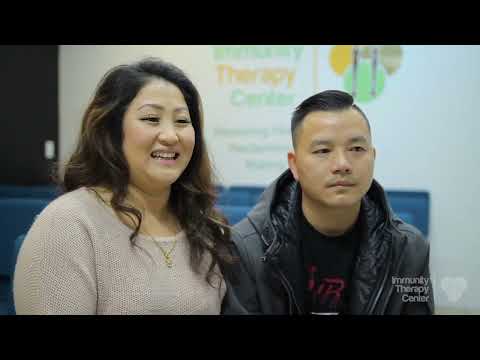
A stage 3 cancer diagnosis can lead patients and families to research different treatment options and medical centers. Song Yang and his wife, Ka Xiong, from Redding, California, traveled to Tijuana while seeking alternative rectal cancer treatment in Mexico after Song was diagnosed with stage 3 rectal and colon cancer.
Their journey brought them to Immunity Therapy Center in Tijuana, where they describe receiving treatment under the care of Dr. Bautista. According to Ka, Song arrived in a severe condition and was experiencing symptoms including nightly sweating. She reports noticing improvement within the first several days of treatment, which encouraged them to continue.
This video follows their personal experience with cancer care in Mexico, including their first weeks at the clinic, their relationship with the medical team, Song's four surgeries, follow-up with an oncologist, and Ka's report that Song had remained in remission for two years at the time of the interview.
Video Chapters & Quick Navigation
Facing a Stage 3 Rectal and Colon Cancer Diagnosis
Song and Ka's medical journey began after Song received a stage 3 cancer diagnosis. The diagnosis and his worsening physical condition led the couple to search for treatment options outside their home in California.
At [00:27], Ka describes her husband's diagnosis as stage 3 rectal and colon cancer and explains that he arrived at Immunity Therapy Center in a very severe condition.
His health problems were affecting him physically before treatment began. One symptom Ka specifically describes was heavy sweating that occurred every night.
Symptoms Before Arriving for Treatment
Ka describes Song's condition as severe when they first arrived at the clinic. His nightly sweating was one of the clearest symptoms she noticed during this period.
For the couple, seeing a change in these symptoms became an important early indication that they wanted to continue with the treatment program they had started in Tijuana.
Traveling to Tijuana for Alternative Rectal Cancer Treatment
Song and Ka traveled from Redding, California, to Immunity Therapy Center in Tijuana while looking for another approach to his cancer care.
At [00:37], Ka discusses how serious Song's condition was when they came for treatment and how closely she watched for signs of improvement during the first several days.
Their experience reflects one family's decision to explore an integrative cancer treatment program outside the United States. Patients considering care abroad should understand exactly which treatments are proposed, how those treatments fit with their existing oncology care, and what follow-up will be required after returning home.
Conventional and Integrative Cancer Care
Cancer treatment can involve different combinations of medical care depending on the diagnosis, stage, previous treatment, and individual treatment plan. Standard oncology may include surgery, chemotherapy, radiation, targeted therapy, immunotherapy, or other evidence-based approaches.
Integrative clinics may offer additional therapies alongside medical care. Patients should ask which treatments are conventional, which are complementary or alternative, what evidence supports them, and how they may interact with treatment recommended by their oncologist.
| Treatment Consideration | Conventional Oncology | Integrative or Alternative Programs |
|---|---|---|
| Treatment Approach | May include surgery, chemotherapy, radiation, immunotherapy, targeted therapy, or combinations based on diagnosis | May combine different supportive, complementary, or alternative therapies depending on the clinic |
| Treatment Planning | Based on cancer type, stage, pathology, imaging, and established oncology guidelines | Programs vary by clinic and should be reviewed carefully with qualified cancer specialists |
| Important Patient Question | What is the recommended standard-of-care treatment for my diagnosis? | What evidence supports each therapy and can it be used safely with my oncology treatment? |
Song and Ka's Experience With Dr. Bautista
The relationship with the treating doctor became an important part of the couple's experience at Immunity Therapy Center. Ka describes Dr. Bautista positively and says that they saw him frequently while Song was undergoing treatment.
At [01:17], Ka says that Dr. Bautista was a very good doctor and that he followed through on what he told them. She also explains that they met with him often.
Ka says they followed the instructions they were given during Song's treatment. Regular communication with the medical team helped them understand what was happening as treatment continued.
Improvement During the First Days of Treatment
Ka reports noticing an improvement in Song's condition within the first four days of their stay.
At [00:43], she explains that the nightly sweating Song had been experiencing stopped. Seeing that change encouraged them to continue the treatment program.
Song also says later in the video that he felt better after his first week at Immunity Therapy Center. These improvements reflect his personal experience and should not be interpreted as evidence that another patient will respond in the same way.
Medical Staff and Patient Support at Immunity Therapy Center
For patients traveling internationally for cancer treatment, communication and emotional support can be important parts of the overall experience. Song and Ka speak positively about the staff they encountered during their stay.
At [01:53], Song says that everyone at the facility was amazing and that they were treated like family.
The couple's comments emphasize the personal support they felt while spending an extended period away from home for treatment.
The Role of Family Support During Cancer Treatment
Ka remained closely involved throughout Song's treatment journey. Her account provides much of the detail about his diagnosis, symptoms, early changes during treatment, interactions with the medical team, and later follow-up.
For patients receiving complex cancer care away from home, having a spouse or family member involved can also help with communication, appointments, travel, and understanding treatment instructions.
Their Expectations Before Starting Treatment in Mexico
Song and Ka did not arrive knowing exactly what their experience would be. Their initial goal was simply to determine whether they would see any improvement in Song's condition.
At [02:11], Ka explains that they felt as though they were going in without knowing what to expect. Their hope was to see some improvement during the first week.
She says they did see improvement during that period, and Song continued to feel better as the treatment progressed. This encouraged the couple to remain at the clinic and continue with the program.
Monitoring Progress During Cancer Treatment
Ka describes Song's progress as something they observed over time rather than as a single immediate change. She says he continued getting better day by day during their stay.
For patients undergoing cancer treatment, subjective changes in symptoms are only one part of evaluating progress. Follow-up with qualified oncology specialists, laboratory testing, pathology, and appropriate imaging are important for determining disease status.
Two Years in Remission After Stage 3 Cancer Treatment
One of the most important parts of Song's story is the follow-up described by his wife after treatment.
At [02:44], Ka says that Song had been in remission for two years and was doing well.
She also explains that Song continued seeing an oncologist every three months. According to Ka, these follow-up visits continued to show clear results, and she describes him as cancer-free at that point in time.
These statements describe Song's individual reported outcome. They do not establish that a specific therapy caused his remission or predict how another patient with stage 3 rectal cancer will respond to treatment.
Four Surgeries During Song's Treatment Journey
Song's treatment experience was not limited to non-surgical therapies. He also underwent surgical procedures while receiving care at the center.
At [03:48], Song says that he underwent four surgeries at Immunity Therapy Center and that he had since returned to his normal life.
The video does not specify the exact names or details of those four procedures, so patients should not assume what surgeries were performed based on the testimonial alone.
| Follow-Up Milestone | What the Patient or Family Reports | Timing |
|---|---|---|
| Oncology Follow-Up | Ka says Song continued seeing an oncologist and the results remained clear | Every 3 months |
| Reported Remission | Ka reports that Song had remained in remission | 2 years at the time of the interview |
| Surgical Treatment | Song reports undergoing four surgeries at the center | During his treatment journey |
| Daily Life | Song says he returned to his life after treatment | After treatment |
Their Experience With Safety During Treatment in Tijuana
Safety is an important consideration for patients traveling internationally for medical care. Song and Ka specifically discuss how they felt during their time in Tijuana.
At [03:20], Ka says that they felt very safe during their stay.
Their statement reflects their personal experience. Patients considering medical travel should independently review transportation, accommodation, clinic credentials, emergency planning, and local travel arrangements before leaving home.
Cost Considerations for Cancer Treatment in Mexico
The video does not provide a specific price for Song's treatment. Patients considering alternative cancer treatment in Mexico should therefore request an individualized written quote based on the proposed therapies, procedures, length of stay, and support services.
Because Song reports undergoing four surgeries in addition to other care, his overall treatment experience should not be interpreted as a single standard package that would apply to every patient.
- Ask for a Detailed Treatment Plan: Understand which therapies and procedures are being proposed.
- Request Written Pricing: Confirm what is included and excluded from the quoted cost.
- Discuss Follow-Up: Ask how care will be coordinated with your oncologist after returning home.
- Review Evidence and Risks: Discuss proposed alternative or complementary treatments with qualified oncology professionals.
Song and Ka's Message to Other Cancer Patients
After describing their experience at Immunity Therapy Center, Ka shares a message for other patients and families considering their treatment options.
At [03:30], she says they highly recommend giving people a chance to explore their options and describes their experience at Immunity Therapy Center as providing them with a second chance at life.
She also says that she does not know what Song's condition would be like if they had not gone to the center. Song then explains that he underwent four surgeries there and had returned to his life.
Their comments represent a personal testimonial rather than proof that the same treatment will produce the same outcome for another patient. People with stage 3 rectal cancer should discuss treatment decisions with qualified oncology specialists and carefully evaluate any complementary or alternative therapy before changing or delaying recommended cancer care.
Explore Cancer Treatment Options in Mexico
If you are researching rectal cancer treatment in Mexico, request information about available medical programs, proposed therapies, physicians, estimated costs, length of stay, and follow-up care so you can review your options with your oncology team.
Get Free QuoteView Full Video Transcript
[00:06] Ka Xiong: My name is Ka Xiong. I'm 38 years old.
[00:11] Song Yang: Uh, I'm Song Yang.
[00:13] Ka Xiong: The wife.
[00:15] Ka Xiong: We're from Redding, California.
[00:25] Ka Xiong: Well, my husband was diagnosed with rectal, colon cancer stage 3. He came in to Immunity Therapy Center like very severe. We came to the treatment, and within the four days, I've seen good improvement, you know.
[00:43] Ka Xiong: Like I've seen the sweat is gone because he was sweating every single night. So I thought, oh okay, so this is good treatment. So I, we said, okay let's continue.
[00:57] Ka Xiong: And then we kept continuing, continuing until, until everything's fine now.
[01:04] Song Yang: I felt better after the first week here at Immunity.
[01:17] Ka Xiong: Well, he's a very good doctor. What he said, he do exactly what he said, and you know we always, we see him often.
[01:27] Ka Xiong: So as the treatment goes, and as he sees us weekly, whatever he said, we follow his instructions.
[01:38] Ka Xiong: And everything he said, it's like a miracle, you know. It's like just, his words are just... it's everything. So.
[01:53] Song Yang: Everyone is, everyone is amazing. We here, they treat us like family.
[02:11] Ka Xiong: We were, like I said it was like blind, right? It's like we just come in as, we don't know anything. So our expectation would be, you know, if we see any improvement, which we did for just the first week.
[02:26] Ka Xiong: So we wanted to see if he'll get better, and he just gets better and better and better every single day. Until now.
[02:44] Ka Xiong: My husband, he's in remission for two years now, and looking great.
[02:51] Ka Xiong: And we have an oncologist, we go see our oncologist every three months, and it's still clear and he's still good. So right now he's doing really good and, you know, cancer-free right now.
[03:20] Ka Xiong: Once... and we feel really safe here.
[03:30] Ka Xiong: We highly recommend that, I think everybody deserves a chance, you know. And we got that chance because of Immunity Therapy Center, you know, we got a second chance of life.
[03:42] Ka Xiong: And I think if it hadn't been here, I don't know if he would be like this right now.
[03:48] Song Yang: I had four surgeries here at Immunity, and then now I'm back to my life.





.png)
.png)

.png)




.png)
.png)








Share this listing