


Evaluating Effective Alternative Breast Cancer Treatment in Mexico
Facing a metastatic diagnosis can be an incredibly overwhelming experience, but finding the right holistic care path can fundamentally transform the healing process. For many patients seeking comprehensive care, exploring an alternative breast cancer treatment in Mexico provides renewed hope and profound relief from debilitating symptoms. In this detailed account, we explore the inspiring journey of a patient who traveled from Florida to Tijuana to receive specialized, non-invasive therapies for bone metastasis.
By integrating advanced medical protocols with compassionate support, specialized clinics are completely redefining modern oncology. This comprehensive guide delves deeply into the effectiveness of holistic modalities, the reality of global medical tourism, and how integrative approaches address severe pain. The landscape of metastatic disease management is rapidly shifting towards patient-centered paradigms that prioritize both long-term survival and daily quality of life.
Video Chapters
- Understanding Metastatic Breast Cancer
- The Diagnostic Journey for Bone Metastasis
- Evaluating Non-Invasive Holistic Therapies
- Medical Tourism for Cancer Treatment
- Assessing the Patient Experience
- Targeted Hyperthermia Pain Relief
- Psychological Resilience During Treatment
- Conventional vs Alternative Oncology
Understanding Metastatic Breast Cancer Progression to the Spine and Hips
The physiological process of bone remodeling is a delicate balance, but aggressive cancer cells frequently hijack this system. They stimulate osteoclasts, which are the cells responsible for breaking down bone tissue, leading to rapid structural degradation. The lumbar spine bears a significant portion of the body's entire weight, making any localized weakness in this area incredibly painful and physically limiting.
Furthermore, the pelvis and hips are essential for basic locomotion. When metastasis infiltrates these regions, the simple act of standing or walking becomes a monumental physical challenge. Understanding this physiological progression is crucial for long-term patient care and effective symptom management. Many individuals remain completely unaware of how these secondary growths develop until they experience noticeable, unrelenting discomfort.
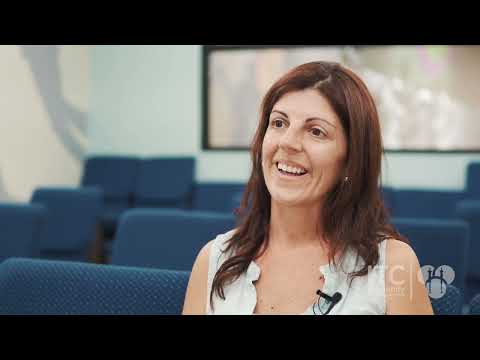
Patients often describe the initial discomfort as a dull ache that progressively intensifies over weeks or months. This was the exact scenario for Maria, whose previous diagnosis in 2017 seemed resolved until new complications arose [00:20]. The transition from being a breast cancer survivor to facing a metastatic diagnosis requires immediate action and a comprehensive, customized medical strategy.
The Diagnostic Journey for Advanced Bone Metastasis Symptoms
Recognizing the early warning signs of bone metastasis can be incredibly challenging for patients and general practitioners alike. Because initial symptoms often mimic common musculoskeletal issues or age-related degeneration, misdiagnoses are a frequent and frustrating hurdle. Maria initially attributed her severe lower back and hip pain to simple muscle contractures or occupational strain from her work environment [00:44].
As the underlying malignant tumors expand within the bone marrow, the resulting pain becomes increasingly refractory to standard over-the-counter medications. Conventional muscle relaxants and basic physical therapy exercises consistently fail to yield any significant or lasting relief. In fact, strenuous physical exertion often exacerbates the pain, severely limiting a patient's ability to walk, drive, or perform standard daily routines.
Thorough diagnostic imaging, such as full-body PET scans and specialized contrast MRIs, becomes absolutely essential to uncover the true cause of the escalating pain. Once the presence of malignant lesions in the spine and hips is definitively confirmed, patients are faced with a pivotal decision regarding their oncological care path. Finding a medical facility equipped to handle complex advanced-stage disease without causing further systemic toxicity becomes the primary goal.
Evaluating Non-Invasive Holistic Cancer Therapies at Immunity Therapy Center
When traditional oncological options are exhausted or present unacceptable risks of debilitating side effects, patients frequently turn to the internet for alternative medical solutions. Extensive research into global healthcare clinics often highlights facilities that specialize exclusively in integrative medicine. After exploring various avenues online, Maria's family discovered the Immunity Therapy Center (ITC) [01:30].
Non-invasive therapies aim to eradicate malignant cells without damaging healthy surrounding tissues or artificially suppressing the body's natural defense mechanisms. These holistic protocols utilize high-dose natural compounds, advanced frequency machines, and localized thermal treatments. By strictly avoiding the severe systemic toxicity associated with traditional high-dose chemotherapy, patients experience a much gentler and more sustainable healing process.
The therapies administered at these advanced international centers are fundamentally designed to create a highly inhospitable biological environment for tumors. The treatments are entirely painless, utilizing precisely controlled heat and targeted energy waves to disrupt cancer cell replication [02:36]. This starkly contrasts with the grueling, exhausting experiences many patients endure during standard hospital-based oncological procedures.
Core Advantages of Holistic Alternative Programs
Integrative facilities focus on treating the entire individual rather than merely attacking a localized tumor. These comprehensive programs involve multiple daily therapies synergistically combined to maximize therapeutic outcomes.
- Immune System Restoration: Utilizing targeted vitamins and biological therapies to naturally rebuild white blood cell counts.
- Painless Modalities: Implementing treatments like hyperthermia and sonodynamic therapy that cause no physical discomfort to the patient.
- Detoxification Protocols: Enhancing liver and kidney function to safely eliminate dead cellular debris from the body's systems.
The Growing Importance of Medical Tourism for Cancer Treatment in Tijuana
For decades, the concept of medical tourism has served as a vital, life-saving resource for individuals seeking specialized care not readily accessible in their home countries. Tijuana, Mexico, has steadily emerged as a premier global destination for state-of-the-art alternative medical facilities. Its immediate geographical proximity to San Diego, California, makes it highly accessible for international travelers flying in from across the globe.
Safety, security, and logistical support are naturally primary concerns for any patient traveling abroad for critical healthcare services. Reputable international clinics actively address these valid anxieties by providing comprehensive, end-to-end concierge services. From the exact moment patients arrive at the airport terminal, dedicated bilingual staff manage all transportation and logistical requirements [04:00].
Beyond mere logistics, the cultural warmth and geographic beauty of the Baja region contribute profoundly to the overall healing atmosphere. Maria specifically noted the beautiful surrounding mountain landscapes and the incredibly welcoming, hospitable nature of the local residents [03:33]. A peaceful, highly supportive environment plays a crucial physiological role in lowering circulating stress hormones like cortisol.
Assessing the Patient Experience with Integrative Oncology Specialists
The doctor-patient relationship forms the absolute cornerstone of effective healthcare, yet it unfortunately often becomes rushed in conventional high-volume clinical settings. Integrative medicine actively prioritizes genuine human connection, deep empathy, and attentive active listening. Upon arriving at the clinic, patients immediately notice a dramatic, positive shift in how medical consultations are thoroughly conducted.
Maria's initial impression of the dedicated medical staff, particularly including Dr. Bautista and Dr. Alvarez, was overwhelmingly positive and highly reassuring [01:56]. She continually highlighted their exceptional human warmth, compassion, and unyielding professional expertise. These physicians prioritize providing transparent, entirely truthful assessments of the patient's condition while maintaining a highly encouraging outlook.
Personalized integrative medicine means that absolutely no two treatment plans are ever identical. The specialized multidisciplinary doctors continuously monitor daily physiological progress and meticulously adjust protocols based on the patient's real-time physical responses. This incredibly nurturing clinical environment is absolutely essential for individuals facing the severe physical and profound emotional toll of managing advanced metastatic diseases.
How Targeted Hyperthermia Heat Therapies Provide Effective Pain Relief
One of the most remarkable and highly sought-after aspects of alternative therapeutic modalities is their proven ability to rapidly alleviate severe, chronic oncological pain. Bone metastasis is notoriously, excruciatingly painful due to the constant, unyielding pressure exerted on highly sensitive nerve endings. Conventional medicine often relies heavily on prescribing strong synthetic opioids to artificially mask this pain, which unfortunately can lead to severe gastrointestinal issues.
Advanced hyperthermia, or specialized localized heat therapy, involves safely and precisely raising the internal temperature of targeted body tissues. Malignant cancer cells are biologically highly sensitive to heat and physically begin to break down when continuously exposed to these elevated temperatures. Maria experienced the profound, undeniable benefits of these heat therapies firsthand, describing them as highly effective and entirely non-invasive.
The clinical timeline for tangible symptom relief can be remarkably swift when the correct customized combination of therapies is accurately applied. Upon her initial arrival at the clinic, Maria's localized pain levels were extremely high, significantly limiting her daily mobility [02:55]. However, the consistent daily application of these advanced therapeutic modalities yielded rapid, measurable improvements within weeks.
Timetable for Mobility Restoration and Pain Management
The progression of healing often follows a measurable trajectory when patients strictly adhere to an intensive daily alternative medical protocol.
| Treatment Phase | Patient Mobility Status | Pain Intensity Level |
|---|---|---|
| Arrival & Week 1 | Severely restricted, unable to walk without assistance or structural discomfort. | High intensity, requiring constant management, unresponsive to standard relaxants. |
| Week 2 Integration | Noticeable improvement in mid-spine flexibility and vital structural support. | Significant decrease in sharp pains, shifting to a more manageable ache. |
| Week 3 Completion | Full restoration of basic personal mobility, confident and independent movement. | Complete elimination of localized bone pain, achieving full physical comfort. |
Building Inner Strength and Psychological Resilience During Treatment
The intense daily battle against an advanced medical diagnosis is undoubtedly as much a severe mental and spiritual challenge as it is a demanding physical one. Maintaining a highly positive, resilient psychological state is absolutely critical, as severe chronic emotional stress actively suppresses vital immune function. Patients are highly encouraged to tap into their deepest internal reserves of inner strength to successfully navigate the inevitable uncertainties of their complex healthcare journey.
Fear and anxiety are entirely natural, biological responses to a severe life-threatening illness, but allowing these emotions to dictate medical decisions can severely limit options. Maria strongly emphasized that true, lasting healing begins from within, requiring a profound, unwavering personal commitment to directly overcome inherent fear [04:17]. Actively embracing faith fundamentally transforms the entire medical treatment experience.
Every single member of the specialized healthcare team, from the lead integrative oncologists to the daily attending nursing staff, actively contributes to a thriving culture of emotional support. They deliberately provide a highly safe, judgment-free space for patients to openly express their valid anxieties while continuously reinforcing positive physiological milestones. This comprehensive psychological support system ensures that individuals never feel abandoned during their arduous journey.
Comparing Conventional Oncology with Holistic Alternative Medicine
When carefully evaluating the various clinical paths forward, deeply understanding the distinct, fundamental differences between standard medical models and progressive integrative approaches is absolutely vital. Conventional hospital oncology primarily utilizes a highly localized, historically aggressive strategy explicitly designed to completely eradicate tumors through extensive surgical excision and systemic chemotherapy. While these established methods can occasionally be effective, they frequently cause severe, irreversible collateral damage to entirely healthy surrounding tissues.
In stark, deliberate contrast, advanced holistic alternative medicine operates entirely on the foundational principle of complete systemic restoration and robust immune system empowerment. Instead of narrowly viewing the specific tumor as an entirely isolated mechanical issue, integrative medical practitioners view the malignancy as a clear symptom of a much broader biological imbalance. The customized therapies are specifically designed to thoroughly detoxify the cellular environment and actively replenish severely depleted essential nutrients.
Choosing between these diverse medical methodologies requires deeply careful consideration of personal long-term health goals and individual tolerance for severe side effects. For many patients who have unfortunately already experienced the harsh, exhausting realities of conventional medical treatments, the exceptionally gentle, deeply supportive nature of holistic care offers a profoundly appealing alternative. By actively prioritizing both aggressive disease management and overall systemic well-being, progressive integrative centers provide a highly effective model for oncological care.
Take Control of Your Healing Journey Today
Discover personalized, non-invasive therapies tailored entirely to your unique medical condition. Contact medical experts to explore your options for alternative breast cancer treatment in Mexico and reclaim your quality of life.
Get Free QuoteView Full Video Transcript
[00:00] Bueno, me llamo María, María Borges. Soy de Uruguay y estoy viviendo hace 4 años en Florida.
[00:19] Mi diagnóstico, tuve un cáncer de mama en el 2017. Pasé por una cirugía y después radioterapia.
[00:30] Y hace unos meses me diagnosticaron metástasis en caderas y columna.
[00:37] ¿Cómo es que esta condición afectaba tu vida diaria?
[00:44] Cuando recibí el diagnóstico yo ya sentía unos dolores en la cadera... yo durante el periodo que trabajé en Uruguay sufría mucho de la columna, de contracturas y todo. Pensé, "serán las lumbares".
[00:58] No me imposibilitaba caminar pero sí tenía molestias y como que aumentaban un poco el dolor.
[01:06] Y veía que si tomaba algún relajante muscular o lo que sea, o hacía ejercicio, eso no cedía.
[01:14] Al pasar el tiempo los dolores fueron un poco más importantes. Nunca me imposibilitaron en el sentido de no poder caminar... sí me cuidaba porque veía que si hacía ejercicio el dolor se incrementaba más.
[01:30] Entonces después mi marido encontró en la web a ITC. Y me leí toda la web íntegra.
[01:42] Me conecté, me contacté a la clínica y sentí que ese era mi camino.
[01:50] ¿Cuál fue tu impresión sobre el Dr. Bautista y su Staff?
[01:56] Mi primer impresión en realidad fue fantástica. Encontré esa calidez humana en ellos, tanto en el Dr. Bautista como en el Dr. Alvarez.
[02:08] Me parecen personas muy profesionales en lo que hacen. Siempre con la verdad, pero a su vez con esa calidez y ese cuidado del paciente.
[02:30] ¿Qué opinas sobre las terapias aquí en Immunity Therapy Center, son dolorosas?
[02:36] Las terapias son fantásticas, son muchas con calor y no son invasivas. No generan dolor.
[02:49] ¿Cómo te has sentido después de los tratamientos?
[02:55] Bueno, cuando llegué como te decía llegué con dolor, los dolores habían aumentado.
[03:03] Ya en la segunda semana ya sentí esa mejora en la parte de la columna, que tenía ahí en la parte media de la espalda.
[03:15] Y ya sentí que el dolor había disminuido. Y bueno, fueron cinco sesiones al culminar a la semana siguiente que sería la tercer semana, ahí ya no tenía dolor.
[03:27] ¿Qué opinión tienes sobre Tijuana ahora que ya la conoces?
[03:33] A mi me gustó Tijuana, considero que tal vez tenía otra idea diferente de Tijuana, pero lo encuentro cálido, una ciudad cálida, me gusta.
[03:48] Me gusta el paisaje de las montañas y es un lugar seguro.
[03:55] O sea, en el radio que nos tenemos que mover aquí en la clínica lo encuentro seguro.
[04:01] La disponibilidad en cuanto a los traslados del propio hotel que está a 5 minutos, me trasladan, me van a buscar.
[04:11] ¿Qué mensaje tienes para aquellas personas que están pensando si toman o no este tipo de tratamientos?
[04:17] Les diría que se animen. Que a veces cuesta arrancar pero uno tiene que ver que el poder está en uno.
[04:33] Es el poder interno de cada uno, que me parece que está ahí, es como un Dios que tenemos adentro y ahí está la fe.
[04:43] Ahí tenemos que generar esa fe y que sí nos podemos sanar.
[04:48] Es todo un proceso que hay que transitar, sin miedos, atravesar el miedo.
[04:57] Y realmente creo que acá hay un respaldo humano y una calidez y un soporte a todo nivel.
[05:07] Nivel médico, de enfermeras... la verdad que yo aquí me sentí muy cuidada.
[05:17] Y nunca bajé los brazos, siempre con la fuerza y la fe, y realmente es una muy buena opción.





.png)
.png)
.png)


.png)








Share this listing