


Comprehensive Guide to Breast Reduction Surgery in Mexico
Struggling with chronic back, neck, and shoulder pain due to excessively large breasts can severely impact your daily life and overall well-being. For many women, macromastia leads to constant physical discomfort, chronic skin irritation, and restricted participation in physical activities. Fortunately, choosing to undergo breast reduction surgery in Mexico offers a highly effective and transformative solution for these persistent issues.
This specialized procedure, medically known as reduction mammaplasty, not only alleviates debilitating chronic pain but also reshapes and lifts the breasts for a much more proportionate appearance. By removing excess tissue and utilizing advanced surgical methods, patients can achieve a lighter, firmer chest profile. Discover the surgical techniques, recovery timeline, and life-changing benefits in this comprehensive guide.
Video Chapters
Understanding the Physical Impact of Macromastia on the Body
Women with excessively large breasts compared to their body frame often face a myriad of daily physical challenges. The sheer weight of heavy glandular and fatty tissue is a frequent cause of chronic back, neck, and shoulder pain [00:00]. Over time, this persistent muscular strain can lead to severe posture degradation and long-term musculoskeletal complications.
Many patients also develop deep, painful indentations on their shoulders caused by heavy bra straps digging into the skin. These permanent shoulder grooves are not only physically uncomfortable but also make finding proper, supportive clothing incredibly difficult. The continuous downward pressure often leads to severe localized skin irritation and nerve compression across the upper torso.
Beyond structural pain, the excess upper body weight can significantly disrupt normal sleep patterns. Finding a comfortable sleeping position becomes a nightly struggle for those dealing with macromastia [00:15]. Furthermore, participating in high-impact sports, running, or regular exercise routines is heavily restricted due to the intense physical discomfort and lack of adequate chest support.
Common Symptoms Triggering the Need for Macromastia Treatment
Another highly common issue is the increased likelihood of developing painful skin rashes and frequent bacterial infections in the inframammary folds. The trapped moisture, body heat, and constant skin-on-skin friction create an ideal environment for localized dermatological problems [00:26]. Finding definitive relief from these recurring rashes is a major motivating factor for seeking medical intervention.
Because of its profound impact on a patient's physical health, this operation is frequently classified as a medically necessary reconstructive procedure rather than strictly cosmetic. In specific cases, medical insurance plans may fully or partially cover the costs if a mandated minimum volume of tissue is surgically excised [00:36]. This emphasizes the functional necessity of the treatment.
Primary Objectives of a Reduction Mammaplasty Procedure
The main objective of a breast reduction procedure is to meticulously excise extra glandular tissue, stubborn fat, and stretched skin [00:49]. This deliberate removal targets the excess physical burden, allowing for a far more comfortable, lighter, and manageable breast size. The volume reduction directly correlates with the immediate alleviation of upper body strain.
Once the excess tissue is removed, the operating surgeon focuses on reshaping and elevating the remaining breast structure. This internal remodeling creates a much firmer contour and lifts the breasts into a higher, more youthful position on the chest wall. The final result is a rejuvenated profile that looks entirely natural and highly proportional to the patient's specific body frame.
Another significant, yet often overlooked, advantage of this surgery is the correction of noticeable breast asymmetry [01:01]. The surgeon can manually adjust the volume removal on each side independently to achieve a highly uniform and balanced chest profile. This targeted approach ensures that both breasts match closely in size, shape, and overall outward projection.
Exploring Reduction Mammaplasty Surgical Techniques
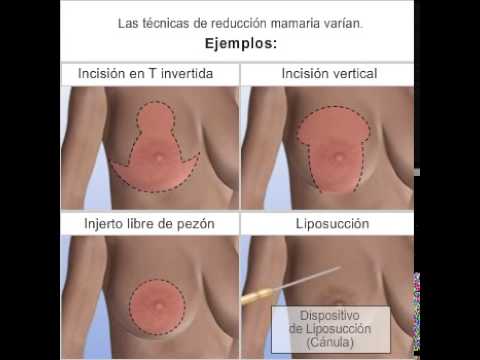
Surgical approaches for breast reduction vary significantly based on the patient's specific anatomy, tissue composition, and ultimate aesthetic goals [01:07]. The chosen technique depends heavily on the initial breast size, current breast shape, and the total volume of tissue slated for removal. Surgeons perform a highly customized preoperative assessment to strictly select the most appropriate method.
Other critical factors influencing the surgical plan include the patient's individual scarring tendencies and future lifestyle plans, such as intended pregnancy and breastfeeding. Surgeons carefully evaluate whether preserving intact milk ducts and sensitive nerve endings is a priority before finalizing the precise incision pattern.
The Inverted T Incision Technique for Large Reductions
The inverted T incision, frequently referred to as the anchor technique, is the most common and versatile approach for significant volume reductions [01:32]. The incision is carefully mapped around the upper perimeter of the dark skin surrounding the nipple, known as the areola. This completely opens access to the central breast mound.
From the base of the areola, the incision extends straight down vertically to the natural breast crease. It then continues horizontally across the inframammary fold, closely following the natural lower curve of the chest wall. This extensive open access allows the surgeon maximum internal visibility for massive tissue removal and highly precise structural reshaping.
Vertical Incision and Advanced Liposuction Methods
For patients requiring moderate reductions with less skin laxity, the vertical incision technique is often the preferred choice [01:48]. This method utilizes an incision around the areola and a single vertical descending line toward the breast crease, forming a distinct keyhole or lollipop shape. It generally results in less overall scarring compared to the standard anchor method.
In extreme cases involving excessively large, pendulous, or severely drooping breasts, a free nipple graft might be medically necessary [01:59]. This advanced technique requires the complete, careful removal of the areola and nipple complex. After the surplus breast tissue is heavily excised, the nipple complex is meticulously grafted back onto the breast at a significantly higher, anatomically correct position.
| Surgical Technique | Incision Pattern Execution | Best Suited Patient Profile |
|---|---|---|
| Inverted T Incision (Anchor) | Around the areola, vertically down, and horizontally across the breast crease. | Extensive breast volume reductions and correcting severe tissue sagging. |
| Vertical Incision (Lollipop) | Around the areola and a single vertical line descending to the lower breast crease. | Moderate volume reductions requiring minimal to moderate skin removal. |
| Free Nipple Graft | Complete removal and anatomical repositioning of the nipple-areola complex. | Extremely large or pendulous breasts where maintaining blood supply is difficult. |
| Targeted Liposuction | Tiny, highly inconspicuous incisions for specialized cannula insertion. | Removing lateral fat pockets and contouring the chest walls effectively. |
Comprehensive Breast Reduction Surgery Procedure Steps
The journey to physical relief begins with an in-depth, personalized surgical consultation with a board-certified professional [02:42]. Your chosen medical expert will carefully measure the current size, dimensions, lateral projection, and specific shape of your breasts. This initial assessment directly dictates the entire operative strategy.
During this thorough evaluation, the surgeon will draw strategic surgical markings directly on the skin while the patient is standing. These precise surgical guides help evaluate the most appropriate techniques and map out the planned incision lines with exact symmetry. A collaborative discussion will also take place to determine the optimal, aesthetically pleasing placement for the newly lifted nipple complex.
Additionally, comprehensive medical photographs are standard protocol during this preoperative phase [02:59]. These detailed clinical images are frequently required to be submitted to health insurance providers as mandatory documentation when seeking formal coverage approval for the operation.
Safe Anesthesia and Precision Surgical Incision Execution
On the scheduled day of your operation, strict patient comfort and safety protocols are the absolute highest priorities. The entire procedure is performed under general anesthesia administered by a qualified anesthesiologist [03:09]. This guarantees you remain completely asleep, relaxed, and pain-free for the full duration of the surgery.
Once the anesthesia takes full effect, the surgical team begins by carefully following the pre-drawn symmetrical markings to make the necessary skin incisions [03:17]. The very first active step involves selectively excising the predetermined amount of excess overlying skin. This prepares the surgical site for the deep internal tissue removal and clears the pathway for structural reduction.
Safe Tissue Extraction and Internal Breast Reshaping
Next, the surgeon directly targets the underlying fatty layers and overly dense glandular tissue [03:24]. This excess internal material is surgically extracted using specialized instruments to drastically reduce the overall volume and physical weight of the breast mound. The removed tissue is often carefully weighed during the operation to ensure precise bilateral symmetry.
Following the successful removal, the remaining healthy breast tissue is expertly sculpted, folded, and repositioned. This meticulous internal reshaping not only reduces the overall cup size but significantly lifts the breasts to enhance their firmness and youthful contour. To secure the newly sculpted internal shape, surgeons frequently utilize highly durable, absorbable internal sutures [03:35].
In standard reduction techniques where the vital blood supply remains perfectly intact, the nipple and areola complex are carefully mobilized. They are gently shifted upwards along a retained pedicle of tissue to a more elevated, youthful anatomical position without severing the delicate nerve connections [04:01].
Comprehensive Breast Reduction Recovery Time and Aftercare
Understanding the healing timeline is completely essential for a smooth and highly successful surgical outcome. Immediately following the procedure, patients will experience noticeable localized swelling, minor bruising, and temporary skin discoloration [04:51]. These are entirely normal physiological responses to the surgical trauma and will steadily decrease over the coming weeks as the body naturally heals.
Post-operative discomfort, feeling of tightness, and localized pain are typical but highly manageable. The intense initial soreness generally subsides quite rapidly within the first three to five days and can be effectively controlled using prescribed oral pain medications [05:00]. Patients are advised to rest extensively during this initial critical healing phase.
Immediate Post-Operative Care and Surgical Drain Management
If surgical drains were utilized during the operation, they are usually a very short-term preventative measure [04:22]. The medical care team typically removes these thin drainage tubes within one to three days post-surgery during a quick, relatively painless follow-up clinical appointment [05:08].
External non-absorbable skin sutures, if applied, are safely extracted by your surgeon after a healing period of one to two full weeks [05:14]. The entire procedural timeframe is efficient, with the surgery itself generally taking between two to five hours to complete depending on complexity [04:46].
Strict Post-Operative Restrictions and Compression Garment Use
To ensure optimal tissue healing, strict adherence to all provided post-operative guidelines is mandatory. Patients are explicitly instructed to wear a specialized medical-grade surgical compression garment or custom support bra consistently, day and night [04:33]. This garment reduces severe swelling and firmly supports the newly shaped tissues as they settle into place.
Protecting the fresh healing incisions requires immediately adjusting typical sleep habits. It is highly critical to sleep exclusively on your back, slightly elevated with pillows, and completely avoid resting face down for an extended period [05:18]. This prevents undue pressure on the healing chest wounds.
Vigorous physical activities must be strictly put on hold to prevent dangerous surgical complications like internal bleeding or wound separation. Patients must absolutely refrain from excessive physical exertion, strenuous aerobic workouts, and lifting heavy objects for at least one full month, or longer if directly advised by the attending surgeon.
Long-Term Healing and Minimizing Breast Reduction Scars
Scarring is an unavoidable, natural aspect of any surgical intervention, and reduction mammaplasty is certainly no exception. Incisions along the lower breast midline and within the hidden inframammary folds will result in permanent scars as part of the normal cellular healing process [05:29]. However, highly skilled cosmetic surgeons employ meticulous closure techniques to minimize their overall visibility [05:36].
In the initial two to three months following the operation, these developing scars will appear distinctly red, slightly raised, and quite noticeable [05:44]. This active inflammatory phase is highly temporary and simply indicates that the body's immune system is actively repairing the incised tissue. Over a prolonged span of several months to a full year, the surgical scars will mature, soften, and gradually fade to match the surrounding natural skin tone.
Long-Term Benefits of Breast Reduction Surgery
The overall clinical success rate for this specialized procedure is exceptionally high across all age demographics. The vast majority of treated patients report immense, life-changing satisfaction immediately after recovering from breast reduction surgery [05:58]. The physical and emotional relief combined yields an incredibly high return on investment for personal health.
- Eradication of Chronic Pain: Immediate relief from debilitating back, neck, and shoulder strain caused by heavy breasts.
- Improved Posture: The lighter chest weight allows for natural spinal alignment and corrects long-term postural issues.
- Enhanced Physical Mobility: Freedom to participate comfortably in high-impact exercises, sports, and daily activities without restriction.
- Elimination of Skin Irritation: Prevention of painful rashes, chafing, and chronic fungal infections within the inframammary folds.
- Broader Clothing Options: The ability to easily fit into standard clothing sizes, tailored tops, and supportive bras without discomfort.
- Boosted Self-Esteem: A more proportionate, balanced body contour that significantly elevates overall body image and mental well-being.
Who is the Ideal Candidate for Breast Reduction Surgery in Mexico?
Determining if you are an ideal candidate involves a comprehensive evaluation of your physical symptoms and medical history. The best candidates are adult women whose breast development has fully stabilized and who suffer from documented chronic pain related to macromastia. Good candidates should be in relatively good overall health, free from severe underlying medical conditions that could severely impair surgical healing.
Choosing to have this procedure in Mexico has become a highly popular option due to the exceptional standard of care combined with highly affordable pricing. Medical tourists benefit from state-of-the-art accredited private hospitals and board-certified plastic surgeons who specialize exclusively in complex breast procedures. This provides world-class surgical outcomes at a fraction of the standard domestic cost, ensuring a safe, comfortable, and highly rewarding transformation.
Ready to Relieve Chronic Pain and Enhance Your Body Contour?
Take the first step towards a much more comfortable and active lifestyle. Contact our dedicated board-certified specialists to learn more about affordable breast reduction surgery in Mexico.
Get Free QuoteView Full Video Transcript
00:00 Las mamas que son excesivamente grandes en relación al tamaño corporal, son una causa frecuente de dolor de espaldas o de cuello, así como de marcas o irritación en los hombros debido a los breteles del sostén.
00:15 Además, puede verse afectado el sueño y la participación en determinadas actividades, y aumenta la probabilidad de sarpullidos e infecciones en los pliegues submamarios.
00:26 Por fortuna, una operación denominada mamoplastia de reducción, o simplemente reducción mamaria, logra buenos resultados para aliviar esos problemas.
00:36 A veces, este procedimiento se considera como un proceso necesario de reconstrucción, y es posible que sea cubierto por los planes de seguro médico cuando se extirpa una cantidad mínima de tejido.
00:49 Una reducción extirpa tejido mamario extra para lograr un tamaño más cómodo y saludable, y remodela las mamas, dándoles más firmeza y levantándolas hasta una posición más juvenil.
01:01 Un beneficio adicional es que se puede lograr que las mamas desparejas sean más uniformes.
01:07 Las técnicas de reducción varían según el tamaño y la forma de las mamas, la cantidad de tejido que se va a extirpar y otros factores como la cicatrización o la necesidad de poder amamantar en el futuro.
01:21 Los procedimientos comunes incluyen una incisión en forma de T invertida, una incisión vertical, injerto libre de pezón y liposucción.
01:32 La T invertida, o técnica en ancla, se extiende alrededor de la parte superior de la areola, hacia abajo, y luego hacia el costado y el centro, siguiendo una curva natural que se transformará en el pliegue submamario.
01:48 La técnica de incisión vertical se extiende alrededor de la parte superior de la areola, con una incisión descendente en forma de V a lo largo de la línea media de la mama.
01:59 La técnica de injerto libre de pezón retira el pezón y la areola y los vuelve a colocar en una posición más alta en la mama, después de extirpar el tejido.
02:10 La liposucción también se puede utilizar sola o en combinación con otra técnica para retirar el exceso de grasa de las mamas en determinadas candidatas.
02:42 Durante una consulta inicial, su médico tomará medidas del tamaño y forma de sus mamas y efectuará marcas para evaluar opciones quirúrgicas, determinar dónde desea usted que se coloque el pezón y efectuar una planificación preliminar del procedimiento.
02:59 Es posible que además se tomen fotos y las envíen a compañías aseguradoras como parte del proceso de obtención de la aprobación para la operación.
03:09 El día del procedimiento le aplicarán anestesia, por lo tanto estará dormida durante todo el tiempo que dure la intervención.
03:17 Las incisiones se realizan a lo largo de líneas marcadas previamente y se retira el exceso de piel.
03:24 Las porciones próximas de grasa subyacente y de tejido glandular se extirpan quirúrgicamente y se esculpen para reducir el tamaño y levantar las mamas.
03:35 Las suturas internas reabsorbibles se utilizan a menudo para ayudar a mantener la forma y reducir la tensión de la piel durante la cicatrización.
04:01 Los pezones y las areolas que permanecen unidas a su suministro original de sangre y nervios, son desplazadas hacia arriba, hasta su nueva posición más juvenil.
04:12 Luego, las áreas por debajo de las areolas se juntan y cierran con suturas para remodelar las mamas, ahora más pequeñas, livianas y firmes.
04:22 Un tubo de drenaje quirúrgico puede ser colocado en cada mama para permitir que los fluidos salgan por la parte inferior de sus mamas a medida que cicatrizan.
04:33 Se colocarán vendajes en las mamas y las envolverán con una venda elástica o le colocarán una prenda de compresión o un sostén quirúrgico que ayudarán a mantener la forma durante la cicatrización.
04:46 El procedimiento de reducción mamaria demora usualmente entre dos y cinco horas.
04:51 La inflamación y decoloración que se presentan después del procedimiento son normales y disminuirán con el tiempo.
05:00 Usualmente, el dolor irá desapareciendo rápidamente y puede ser manejado con medicamentos a medida que usted se repone.
05:08 Todos los drenajes quirúrgicos se retirarán después de uno o dos días, así como las vendas.
05:14 Las suturas externas se retirarán después de una o dos semanas.
05:18 Se le indicará que use una prenda de compresión y que evite dormir boca abajo, hacer esfuerzo excesivo o levantar cosas pesadas durante uno o más meses.
05:29 La formación de cicatrices a lo largo de las líneas medias inferiores y los pliegues de las mamas es normal.
05:36 Su médico habrá hecho las suturas en los lugares donde las cicatrices resultantes queden lo más inadvertidas posible.
05:44 Aunque las cicatrices se presentarán al principio de color rojo y muy notorias, irán desapareciendo hasta que queden líneas decoloradas que se pueden disimular fácilmente debajo de prendas escotadas o trajes de baño.
05:58 Usualmente, las pacientes experimentan una gran satisfacción al disminuir el dolor en la parte superior del cuerpo, mejorar la posibilidad de hacer actividad física y lucir una nueva apariencia con mamas más pequeñas y de aspecto más juvenil.







.png)
.png)



.jpg)
.jpg)

.jpg)








Share this listing