Breast Reduction in Mexico – Find Best Surgeons, Reviews, & Cost!

Publish date: Modified date: Medically reviewed by: Dr. Lorenzo Halverson on Aug 14, 2026 Author: Amelia Pricilia

Experience Price

$6,299 Price starting from
Breast Reduction in Mexico – Find Best Surgeons, Reviews, & Cost!

Contents

Breast reduction in Mexico currently averages about $7,100 USD, with verified clinic quotes generally ranging from approximately $4,200 to $10,000 USD. Individual packages may start lower depending on what is included. Compare the surgeon's credentials, surgical facility, anesthesia arrangements, aftercare and written package inclusions before comparing price alone.

Heavy breasts can turn ordinary things—exercise, sleeping comfortably, even finding a bra that behaves itself—into daily frustrations. For many patients considering breast reduction in Mexico, the goal is not simply changing appearance. They may be looking for a more manageable breast size, relief from physical strain and access to surgery at a cost they can realistically plan for.

Mexico is especially practical for patients traveling from the United States and Canada, with options ranging from border destinations such as Tijuana and Mexicali to fly-in medical markets such as Mexico City and Cancun. Price matters, but verification matters more. Ask whether the surgical facility holds a current COFEPRIS sanitary license authorizing surgical procedures, and independently check the surgeon through the Consejo Mexicano de Cirugía Plástica, Estética y Reconstructiva (CMCPER) before making a decision.

“All-inclusive” sounds wonderfully simple until blood tests, medications or an extra hospital night appear outside the quote. Before comparing package totals, check whether the price includes the surgeon, anesthesiologist, operating room, preoperative tests, hospital care, surgical bra, medications and postoperative visits. Accommodation and transportation may also be included, but complication-related treatment or an extended stay may not be. Ask for the inclusions, exclusions and cancellation terms in writing. Compare the breast reduction packages below by the medical care they include rather than the headline price alone.

`

Average breast reduction cost in Mexico: about $7,100 USD.
Current verified clinic quote range: approximately $4,200–$10,000 USD.

The final price depends on the amount of tissue being removed, surgical complexity, surgeon and anesthesiologist fees, facility charges, testing and postoperative care. Some advertised packages can start below the broader verified clinic range because package scope differs. Ask for an itemized quote after medical assessment so you know exactly what you are comparing. Review the cost options below side by side rather than assuming every price represents the same level of care.

Breast Reduction Centers Cost Comparison in Mexico

Provider Procedure Price
Cancun Plastic Surgery Center by Dr. Víctor Sámano Breast Reduction, Cosmetic/Plastic Surgery $5610
Dr. Ernesto Javier Acosta Abeyta Breast Reduction, Cosmetic/Plastic Surgery $5000
LAYYN MEDICAL GROUP - Plastic Surgery in Tijuana, Mexico Breast Reduction, Cosmetic/Plastic Surgery $4200
Hospital Velmar Breast Reduction, Cosmetic/Plastic Surgery $6299
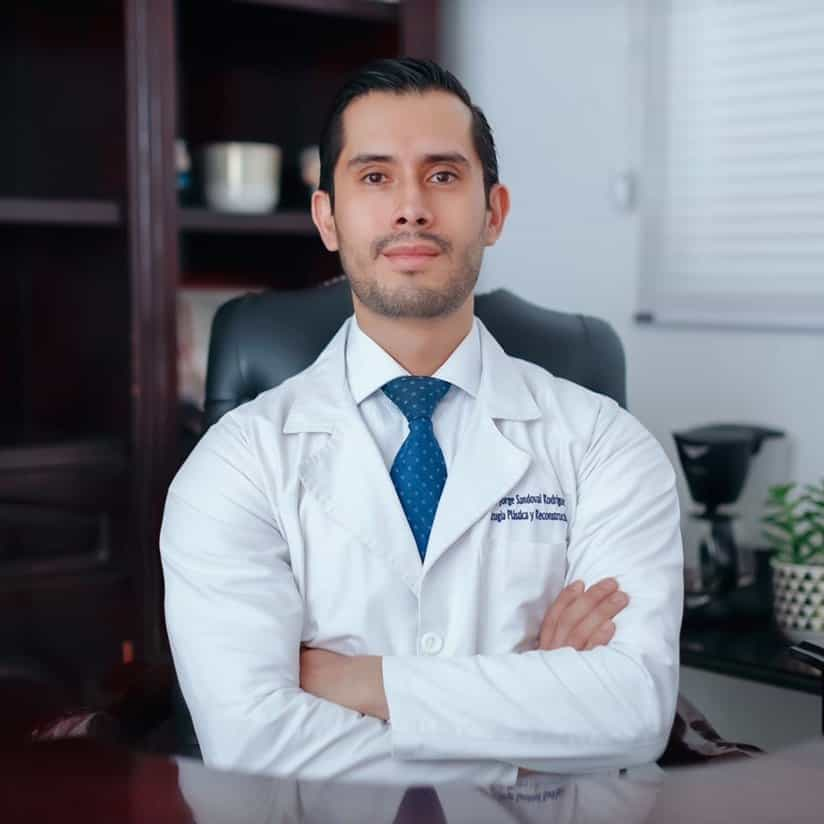
Dr. Jorge Sandoval - Plastic Surgeon in Mexico City Breast Reduction, Cosmetic/Plastic Surgery $5000
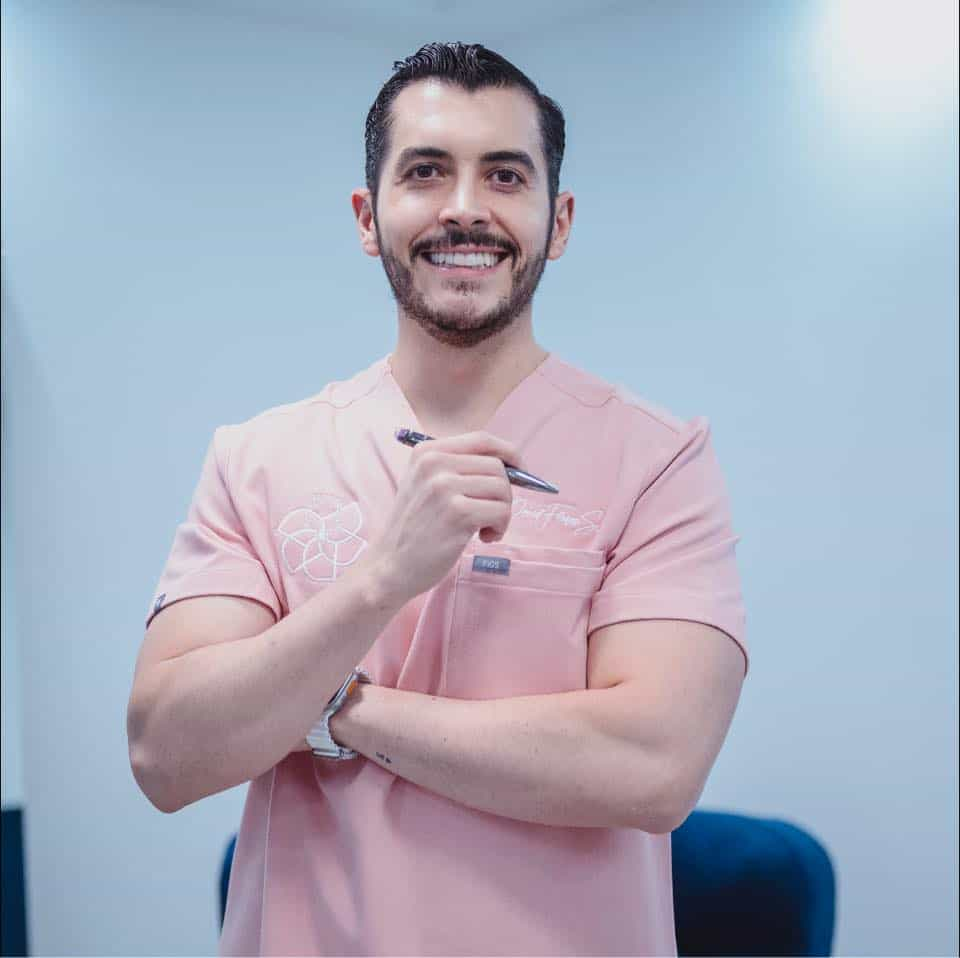
Dr. David Flores Soto - DFS Plastic Surgery Breast Reduction, Cosmetic/Plastic Surgery $8650

Breast Reduction Cost Comparison in Mexico

Country Procedure Price
New Zealand Breast Reduction, Cosmetic/Plastic Surgery $12364
Singapore Breast Reduction, Cosmetic/Plastic Surgery $9891
Switzerland Breast Reduction, Cosmetic/Plastic Surgery $10791

A beautiful website tells you surprisingly little about what happens once the operating-room doors close. Confirm the legal name and address of the facility where surgery will actually take place, then ask to see its current COFEPRIS sanitary license permitting surgical procedures. Check who provides anesthesia, what patient monitoring is available, how emergencies are handled and where you would be transferred if hospital-level care became necessary. There should also be a clear after-hours and postoperative contact plan. Compare the clinics below using verifiable safety information alongside location, price and convenience.
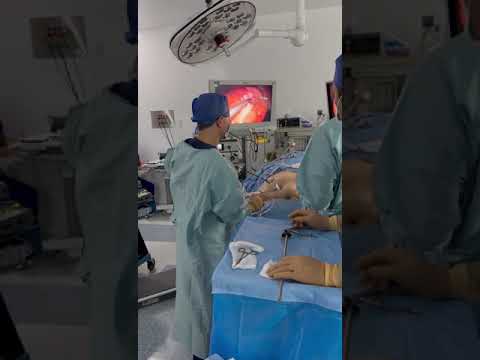
The most useful surgery video is not necessarily the one with the most dramatic reveal. Look for videos that explain consultation steps, incision patterns, scar placement, anesthesia, recovery and the surgeon's approach to complications. Check whether the doctor speaking in the video is actually the surgeon who would perform your procedure. Before-and-after footage can help you understand possible outcomes, but lighting, posture and healing stage can change how results appear. Watch the breast reduction videos below as an educational starting point, then verify medical claims directly with the surgeon.
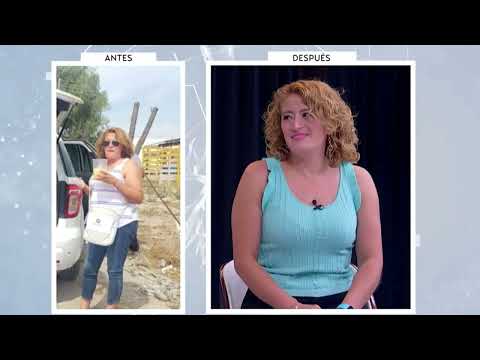
The most helpful review usually says more than “everything was perfect.” Look for details about the surgeon consultation, hospital experience, pain management, communication, wound checks and what happened when the patient needed help after discharge. Separate comments about drivers, hotels and customer service from information about actual clinical care. One patient's result cannot predict yours, so look for recurring themes across several recent reviews. Compare the patient experiences below for patterns in communication, follow-up and overall care rather than choosing a clinic from one five-star comment.

How much does breast reduction cost in Mexico in 2026?

Breast reduction in Mexico currently averages about $7,100 USD, with verified clinic quotations generally ranging from approximately $4,200 to $10,000 USD. Some individual packages may advertise lower starting prices because inclusions vary. Your final cost depends on surgical complexity, surgeon and anesthesia fees, facility charges, testing and postoperative care. Ask for an itemized written quote before comparing providers.

Is breast reduction surgery in Mexico safe?

Safety depends on the individual surgeon, surgical facility, anesthesia team, your health and the quality of postoperative care. Do not assume every clinic in Mexico follows the same standards. Verify the surgeon independently and confirm that the facility has a current COFEPRIS sanitary license authorizing surgical procedures. Ask how emergencies, complications and hospital transfers are handled before paying a deposit.

How can I verify a plastic surgeon in Mexico?

Ask for the surgeon's full legal name and check it through the CMCPER certified plastic-surgeon directory. You can also use Mexico's Registro Nacional de Profesionistas to verify registered professional credentials. Perform these searches yourself rather than relying only on certificates or logos displayed on a clinic website.

What clinic license should I check before breast reduction surgery in Mexico?

Ask whether the facility where your operation will actually take place has a current COFEPRIS sanitary license permitting surgical procedures. Mexican health authorities specifically advise patients to confirm that establishments performing aesthetic surgery are authorized to carry out surgical acts. Check the facility address as well as its name because the consultation clinic and operating facility may be different locations.

Which city in Mexico is best for breast reduction?

There is no single best city for every patient. Tijuana and Mexicali can be convenient for people traveling from the western United States, while Mexico City and Cancun may work better for patients arriving by air. Compare the surgeon's qualifications and surgical facility first. Travel convenience and price should come after medical suitability and safety verification.

What is usually included in a breast reduction package in Mexico?

Depending on the provider, a package may include the surgeon, anesthesia, operating room, preoperative tests, hospital care and early postoperative visits. Some packages also include medications, surgical garments, accommodation or transportation. There is no universal definition of “all-inclusive,” so request a written list showing both inclusions and exclusions.

How long should I stay in Mexico after breast reduction surgery?

There is no universal safe stay for every patient. Your surgeon should make the recommendation based on the procedure, your health, wound healing, whether drains are used and the length of your journey home. Ask how many in-person postoperative examinations are required before booking your return flight or border crossing.

When can I fly home after breast reduction in Mexico?

Your surgeon should clear you for air travel after examining your recovery. The appropriate timing depends on surgical extent, mobility, wound condition, your individual risk factors and flight duration. Tell your surgeon how long your complete journey home will take rather than asking only about the flight itself.

Will breast reduction in Mexico leave permanent scars?

Yes. Breast reduction requires incisions, so permanent scars should be expected. The scar pattern depends on your anatomy, how much tissue needs to be removed and the surgical technique. Scars usually change as they mature, but no surgeon can responsibly promise scar-free breast reduction. Ask to review healed results from patients with a similar starting anatomy.

Can breast reduction affect nipple sensation?

Yes. Changes in nipple or breast sensation are possible after reduction mammoplasty. Changes may be temporary or permanent, and risk varies with the amount of reduction, technique and individual anatomy. Your surgeon should discuss this as part of informed consent before surgery.

Can I breastfeed after breast reduction surgery in Mexico?

Some patients can breastfeed after breast reduction, but future breastfeeding cannot be guaranteed. Surgery may affect glandular tissue, milk ducts or nerves involved in milk production. Tell your surgeon if future pregnancy or breastfeeding is important to you so this can be considered when discussing surgical options.

Does a breast reduction in Mexico also lift the breasts?

Breast reduction commonly involves removing excess tissue and skin while reshaping the remaining breast and repositioning the nipple-areola complex. This usually produces a lifting effect. However, the exact result depends on your anatomy and surgical plan. Ask the surgeon to explain what will be removed, where the nipple is expected to sit and which incision pattern is proposed.

Can I choose my exact cup size after breast reduction?

You can discuss your preferred size and proportions, but an exact bra cup size cannot be guaranteed. Cup sizing varies between manufacturers, and the surgeon also has to consider blood supply, tissue quality, anatomy and what can be removed safely. Discussing desired proportions and symptom relief is generally more useful than choosing one cup-size number.

What are the main risks of breast reduction surgery in Mexico?

Breast reduction carries risks including bleeding, infection, anesthesia complications, delayed wound healing, scarring, asymmetry, changes in nipple or breast sensation and problems with nipple or skin blood supply. Additional treatment or revision surgery can sometimes be needed. Your surgeon should discuss risks that apply specifically to your health and proposed procedure.

What should I receive before returning home after breast reduction in Mexico?

Ask for your operative information, medication list, postoperative instructions, emergency contact details and follow-up schedule. You should know which symptoms require urgent medical attention and how to contact the surgical team once you are home. It is also sensible to confirm whether remote follow-up is available and what happens if you need an in-person examination after returning to your country.

How to Get Affordable Breast Reduction in Tijuana Mexico?

To get an affordable breast reduction in Tijuana, Mexico, patients typically research board-certified plastic surgeons, compare clinic estimates, and arrange consultations. Prices often range from $3,500 to $5,500, offering savings over US costs. Many individuals struggling with the physical and emotional discomfort of overly large breasts look for accessible surgical options. Seeking a breast reduction in Tijuana Mexico has become a common path for those who want to alleviate neck, back, and shoulder pain without facing the steep out-of-pocket expenses often found in the United States or Canada. Because aesthetic and functional plastic surgeries are frequently excluded from standard health insurance unless strict criteria are met, cross-border care offers a practical alternative. This comprehensive guide will help you understand the essential steps for planning this procedure. We will explore how to estimate costs, identify appropriate medical facilities, prepare for a safe recovery, and navigate the logistics of receiving surgical care in a different country. Key Takeaways Estimates for breast reduction in Tijuana typically range between $3,500 and $5,500, depending on the complexity of the surgery. Candidates should be in good overall health and have realistic expectations regarding scarring and recovery. It is vital to verify that your chosen surgeon is certified by recognized medical boards, such as AMCPER in Mexico. Patients generally need to stay in Tijuana for 7 to 10 days post-surgery for monitoring and drain removal. Proper preparation requires organizing a safe travel plan, securing medical clearance, and arranging a comfortable recovery space. What is the average breast reduction cost in Tijuana Mexico? The estimated cost for a breast reduction in Tijuana typically ranges from $3,500 to $5,500. This estimate usually encompasses surgeon fees, anesthesia, and the operating facility, though final pricing varies based on individual clinical needs. When you start researching pricing, you will notice that the breast reduction cost in Tijuana Mexico is notably lower than the $8,000 to $15,000 averages often quoted in the United States. This difference in price is largely due to the lower cost of living, reduced administrative overhead, and different malpractice insurance structures in Mexico, rather than a reduction in the quality of surgical materials or medical expertise. However, it is essential to request a detailed breakdown when comparing estimates. A comprehensive quote should explicitly list what is included. Ask whether pre-operative blood work, post-operative garments (such as surgical bras), overnight hospital stays, and follow-up consultations are part of the package or if they will incur separate fees. Budgeting for travel, accommodations, and meals during your recovery period in Tijuana should also be factored into your total financial planning. Am I a good candidate for breast reduction surgery? Ideal candidates are generally healthy non-smokers experiencing physical discomfort—such as chronic back, neck, or shoulder pain—due to heavy breasts. Candidates must also have realistic expectations regarding outcomes and permanent scarring. A breast reduction (reduction mammaplasty) is more than just a cosmetic procedure; it is often performed to provide functional relief. Patients who suffer from deep shoulder grooving from bra straps, chronic skin irritation beneath the breasts, or restricted physical activity due to breast size often seek this surgery. To be considered suitable for the procedure, your breasts should be fully developed. During a consultation, a surgeon will review your medical history. They may require you to reach a stable body mass index (BMI), as significant weight fluctuations after surgery can alter breast shape and size. Additionally, candidates who smoke are strongly advised to cease nicotine use several weeks before and after the procedure, as nicotine severely constricts blood vessels and can lead to poor wound healing or tissue necrosis. Important Consideration: A breast reduction is a highly individualized procedure. A local primary care physician can help you determine if your physical symptoms might be alleviated by surgery and whether your current health status makes you a safe candidate for general anesthesia. How do I find a safe breast reduction clinic in Tijuana Mexico? Locating a safe facility requires verifying the surgeon’s credentials, looking for recognized board certifications, checking hospital accreditations, and ensuring the clinic maintains high standards of communication and hygiene. Finding a reputable breast reduction clinic in Tijuana Mexico is the most critical step in your journey. You should begin by confirming that the plastic surgeon is board-certified. In Mexico, the recognized credentialing body is the Consejo Mexicano de Cirugía Plástica, Estética y Reconstructiva (CMCPER). Membership in organizations like the Mexican Association of Plastic, Aesthetic and Reconstructive Surgery (AMCPER) or the International Society of Aesthetic Plastic Surgery (ISAPS) also indicates that the provider adheres to established safety protocols. When evaluating a facility, ask about their emergency protocols. The clinic should operate out of an accredited hospital or a certified surgical center equipped with modern monitoring technology and an intensive care unit (ICU) if needed. Avoid making decisions based solely on social media promotions. Instead, request to speak directly with the medical team, review unedited patient testimonials, and ask for before-and-after photos of patients with similar body types to gauge the surgeon’s experience. What surgical techniques are typically used? Surgeons select techniques based on breast anatomy and the volume of tissue to be removed. Common approaches include the anchor (inverted-T), lollipop (vertical), and donut (periareolar) incision patterns. The specific surgical approach affects the duration of the surgery, the recovery timeline, and the resulting scar placement. The most commonly utilized techniques include: Surgical Technique Incision Pattern Best Suited For Anchor (Inverted-T) Around the areola, vertically down the breast crease, and horizontally along the breast fold. Significant tissue reduction, severe sagging, and dramatic reshaping. Lollipop (Vertical) Around the areola and vertically down to the breast crease. Moderate tissue reduction and visible lifting. Donut (Periareolar) A circular incision solely around the outer edge of the areola. Minor reductions or subtle lifting in patients with good skin elasticity. Your surgeon will recommend a technique during the consultation. Liposuction may also be used in conjunction with these incisions to carefully contour the sides of the breasts and the armpit area, providing a more balanced final shape. What should I expect during the recovery period? Recovery involves resting for the initial days, wearing a specialized compression garment, managing temporary swelling and soreness, and strictly avoiding heavy lifting or strenuous activity for 4 to 6 weeks. Immediately following the operation, your breasts will be wrapped in gauze dressings or a surgical bra. It is common to have small surgical drains temporarily placed beneath the skin to remove excess blood and fluid. These are usually removed by the medical staff within a few days. The first few days typically involve managing soreness and fatigue with prescribed pain medication. While you should rest, taking short, gentle walks is encouraged to promote blood circulation and reduce the risk of blood clots. Swelling and bruising are entirely normal and will gradually subside over several weeks. Patients usually return to desk jobs or light duties within two to three weeks, but high-impact workouts and heavy lifting must be avoided until the surgeon provides clearance. What are the potential risks and complications? As a major surgery, breast reduction carries risks such as infection, adverse reactions to anesthesia, hematoma, delayed wound healing, visible scarring, and potential changes in nipple or breast sensation. Understanding the risks is a vital part of the informed consent process. While breast reductions are performed routinely, all surgical interventions have potential complications. Poor wound healing is a specific concern, particularly at the intersection of the incisions in the anchor technique. If an infection occurs, it may require antibiotics or, in rare cases, further medical intervention. Changes in nipple sensation can occur; some patients experience hypersensitivity, while others may notice temporary or permanent numbness. Additionally, breasts can sometimes heal with slight asymmetry, and the resulting scars, while they fade, will never disappear completely. Disclosing your full medical history, including all medications and supplements you take, is necessary to minimize surgical risks. How long do I need to stay in Tijuana after the procedure? Most medical teams recommend that international patients remain in Tijuana for 7 to 10 days after surgery. This allows the surgeon to monitor the critical early stages of healing and clear you for travel. Leaving the city too soon after surgery is strongly discouraged. The initial week is when complications, such as hematomas or infections, are most likely to present themselves. During your stay in Tijuana, you will attend post-operative appointments where the medical staff will evaluate your incisions, change your dressings, and remove surgical drains or non-dissolvable sutures. Traveling too soon, especially flying, can increase the risk of deep vein thrombosis (DVT) and pulmonary embolism due to altitude changes and prolonged sitting. Once your surgeon clears you to travel, it is important to take precautions during your journey home, such as staying hydrated, moving your legs frequently, and avoiding carrying heavy luggage. Expert Insight: Plan to travel with a companion. You will have limited mobility in your arms and torso during the first week, and having someone to assist with basic tasks, medication management, and luggage handling is essential for a safe recovery. What is medical tourism in Mexico like for cosmetic surgery? Medical tourism in Mexico offers access to modern facilities and experienced specialists. Tijuana, located just south of San Diego, is particularly popular due to its geographic convenience and infrastructure dedicated to international patients. The landscape of medical tourism in Mexico has evolved significantly over the past decade. Tijuana has established itself as a major hub for cross-border healthcare. Many clinics cater specifically to American and Canadian patients, offering bilingual staff and patient coordinators who assist with the consultation process. Many patients fly into the San Diego International Airport (SAN) and take a short drive across the border. While the area is accustomed to medical travelers, it is still a bustling foreign city. Patients should exercise standard travel precautions, rely on medical shuttles provided by clinics or reputable transportation services, and focus entirely on their rest and recovery rather than tourism activities. How should I prepare for my consultation and surgery? Preparation involves gathering your medical records, undergoing pre-operative blood work, adjusting certain medications, scheduling time off work, and arranging a comfortable hotel setting for your recovery. Thorough preparation directly influences the safety and success of your procedure. Before traveling, you will likely need to complete pre-operative tests, which may include a complete blood count, an EKG, and depending on your age and medical history, a recent mammogram. These tests help ensure you are fit for general anesthesia. You may be instructed to stop taking anti-inflammatory drugs (like aspirin or ibuprofen), certain herbal supplements, and blood thinners, as these can increase bleeding risks. Make sure to pack loose, comfortable clothing that buttons or zips up the front, as you will have difficulty raising your arms over your head after surgery. Establishing a quiet, comfortable recovery space in your hotel with plenty of pillows for propping yourself up is also beneficial. Will the results of my breast reduction be permanent? The physical relief and reduction in size are generally long-lasting. However, the breasts can still change over time due to significant weight fluctuations, the natural aging process, hormonal shifts, or future pregnancies. For most patients, breast reduction surgery provides immediate and enduring relief from the neck and back pain associated with heavy breasts. The tissue removed during the procedure will not grow back. Many find that physical activities become much easier, and they have more options for clothing and well-fitting bras. To preserve your results, maintaining a stable weight through a balanced diet and regular exercise is helpful. Skin elasticity naturally diminishes with age, which may lead to some degree of settling or sagging over the years. If you plan to become pregnant in the future, it may be worth discussing this with your surgeon, as pregnancy and lactation can alter the size and shape of the breasts. Why Choose PlacidWay for Medical Tourism in Tijuana? Navigating healthcare options in a different country can feel overwhelming. PlacidWay is a medical tourism platform designed to help patients research their options globally. When considering healthcare abroad, utilizing an informational platform can provide clarity. Extensive Network Access a directory of internationally recognized medical centers and clinics located throughout Mexico and Latin America. Provider Profiles Review educational backgrounds, professional certifications, and facility accreditations to help inform your decision-making. Educational Resources Utilize articles, guides, and informative materials to better understand procedures, risks, and international healthcare standards. Transparent Estimates Request preliminary cost breakdowns from multiple clinics to help you budget accurately for your medical journey. Patient Support Tools Connect directly with clinic coordinators who can answer your specific questions regarding availability and consultation requirements. Frequently Asked Questions Will my health insurance cover breast reduction surgery in Tijuana? Most US and Canadian health insurance policies do not cover medical procedures performed outside their networks or internationally. You should expect to pay for your surgery out-of-pocket, which is why many patients seek more affordable out-of-pocket estimates in Mexico. Can I combine a breast reduction with other procedures in Tijuana? Some patients choose to combine a reduction with a breast lift or liposuction for contouring. However, combining procedures increases surgical time and potential risks. Your surgeon will evaluate your overall health to determine if a combination is safe for you. Will I lose sensation in my nipples after surgery? Changes in nipple sensation are a known risk of breast reduction. While many patients retain normal sensation or experience temporary numbness that resolves over time, some may experience permanent changes or loss of sensation, depending on the surgical technique used. When can I resume exercise after a breast reduction? Light walking is encouraged immediately to promote circulation. However, strenuous activities, heavy lifting, and high-impact exercises typically need to be avoided for 4 to 6 weeks. Always follow your specific surgeon's timeline for safely resuming exercise. Do surgeons and clinical staff in Tijuana speak English? Because Tijuana is a popular destination for international patients, many board-certified plastic surgeons and their medical staff are bilingual and speak fluent English. It is always wise to confirm language accommodations during your initial consultation. How are post-operative complications handled if I return home? If complications arise after you return home, you should immediately contact your local primary care physician or go to a local emergency room. It is crucial to have a continuity-of-care plan and share your surgical records with a local healthcare provider. What kind of anesthesia is used for this surgery in Mexico? Breast reduction is typically performed under general anesthesia, meaning you will be completely asleep during the procedure. The anesthesia should always be administered and monitored by a licensed anesthesiologist. Will I be able to breastfeed after a reduction? Breast reduction can impact your ability to breastfeed, as glandular tissue and milk ducts are removed or repositioned. While some techniques preserve more ducts than others, you should inform your surgeon if you plan to breastfeed in the future. Do I need a passport to travel to Tijuana for surgery? Yes, a valid passport is required for entry into Mexico and for returning to your home country. Ensure your passport is up to date well before scheduling your procedure or making any travel arrangements. Will I have visible scars after the procedure? Scarring is an inevitable part of breast reduction surgery. Scars typically fade over time but will be permanent. Surgeons in Tijuana make incisions strategically to conceal scars under clothing and swimwear as much as possible. Ready to Explore Your Options? Compare treatment estimates, review credentials, and request information from medical facilities to see if this path is right for you. Request Treatment Information References Breast Reduction Overview – American Society of Plastic Surgeons (ASPS) Breast Reduction Surgery: What You Can Expect – Mayo Clinic Medical Tourism: Travel Considerations – Centers for Disease Control and Prevention (CDC) Patient Safety and Medical Tourism – International Society of Aesthetic Plastic Surgery (ISAPS) Breast Reduction (Reduction Mammaplasty) – Cleveland Clinic General Anesthetic Safety Communication – U.S. Food and Drug Administration (FDA) Surgical Safety Checklist and Guidelines – World Health Organization (WHO) Medical Disclaimer: The information provided in this article is for educational purposes only and does not constitute professional medical advice, diagnosis, or treatment. Outcomes, recovery times, and risks vary significantly among individuals. Always consult with a qualified, board-certified healthcare provider to determine if surgery is appropriate for your specific health condition. Pricing and medical protocols are subject to change.

Start with the surgeon's full name rather than a clinic brand or social-media profile. Search the doctor independently through the CMCPER directory of certified plastic surgeons and Mexico's Registro Nacional de Profesionistas to check professional credentials. Ask how regularly the surgeon performs reduction mammoplasty, which technique may suit your anatomy, how scars are positioned and how nipple sensation or future breastfeeding could be affected. No responsible surgeon can guarantee an exact cup size or scar-free result. Compare the surgeons below only after independently checking their qualifications.

Mexico offers several very different medical-travel routes. Someone living in Southern California may find a northern border city practical, while a patient flying from Canada, the eastern United States or farther abroad may find Mexico City or Cancun easier to reach. The best destination is not simply the city advertising the lowest surgical price. It should also make preoperative assessment, postoperative checks and access to medical care practical.

Which Mexican destination fits your travel plans?

Destination Travel Consideration Typical Access What to Compare?
Tijuana Often practical for patients traveling from California and the western United States Tijuana airport or San Diego followed by a border crossing Surgeon credentials, licensed surgical facility, recovery accommodation and border transportation
Mexicali Useful for patients traveling from California, Arizona and nearby regions Land crossing or regional air travel Facility capability, anesthesia arrangements, surgeon credentials and postoperative stay
Ensenada Another Baja California option for patients comfortable with additional ground travel Usually reached by road through northern Baja California Travel time after surgery, package inclusions and access to hospital care
Mexico City Practical for many domestic and international fly-in patients Major international air connections Hospital access, accommodation near the facility, total surgical cost and follow-up arrangements
Cancun A fly-in option with international connections from North America and other regions Cancun International Airport Actual surgical facility, emergency arrangements and medical versus hotel package inclusions

Where do international patients travel from?

Mexico is geographically convenient for patients from the United States and Canada, especially people who can reach northern Mexico without a long-haul flight. Mexico City and Cancun may be easier for patients who need major international air connections. Patients traveling from farther away should pay particular attention to the length of the return journey, access to follow-up care at home and the surgeon's advice about when it is medically appropriate to travel.

Plan a recovery stay, not a sightseeing schedule

  • Arrive with enough time for an in-person examination and required preoperative tests.
  • Stay reasonably close to the surgical facility during early recovery.
  • Arrange a responsible adult companion when recommended by your surgical team.
  • Avoid building strenuous sightseeing, swimming or heavy luggage into early recovery.
  • Ask your surgeon when you can safely fly, drive long distances or cross the border after surgery.
  • Know who to contact after hours and where you would receive emergency hospital care if needed.

Entry requirements depend on nationality and can change, so verify current Mexican immigration requirements before purchasing non-refundable travel. Also check your health and travel insurance carefully. Planned surgery abroad, complications related to elective treatment and medical evacuation may not be covered.

Most importantly, leave enough flexibility for your surgeon to examine you before departure. Your return ticket should follow your recovery plan—not the other way around.

Compare Breast Reduction Options in Mexico Before You Decide

A sensible next step is to compare personalized options from several providers using the same criteria each time: surgeon credentials, COFEPRIS facility authorization, proposed surgical technique, anesthesia, postoperative care, package inclusions and total expected cost. Share your medical history accurately so each surgeon can assess whether breast reduction is appropriate for you and provide a meaningful treatment plan rather than a generic price.

Request Free Quote

Medical Disclaimer: This information is provided for general education and treatment-comparison purposes and does not replace an individual consultation, diagnosis or medical advice from a qualified healthcare professional. Eligibility for breast reduction, surgical technique, expected results, recovery time and final cost depend on your health, anatomy and treatment plan. Patients considering surgery abroad should independently verify surgeon credentials, facility authorization, anesthesia arrangements, emergency capabilities and postoperative care before making a treatment decision.

References

Breast Reduction in Mexico – Find Best Surgeons, Reviews, & Cost! thumbnail

About Experience

  • Translations: EN ES
  • Price Range: $6,299 - $10,000
  • Treatment: Breast Reduction, Cosmetic/Plastic Surgery
  • Location: Mexico
  • Clinics: Cancun Plastic Surgery Center by Dr. Víctor Sámano, Hospital Velmar, Medica Golfo de Cortes, Dr. Joaquin Ayala - Best Plastic Surgeon in Tijuana Mexico, Dr. Jorge Sandoval - Plastic Surgeon in Mexico City, Dr. Enrique Garcia Murray - Plastic Surgery Mexico City,
  • Doctors Dr Victor Genaro Samano Guzman, Dr. Ernesto Javier Acosta Abeyta, Dr. Joaquin Ayala, Dr. Jorge Sandoval, Dr. David Flores Soto, Dr. Israel Villalobos,
  • Packages Breast Reduction Package by Hospital Velmar in Ensenada, Mexico, All-Inclusive Breast Reduction in Mexico City Package by Dr. Ary Papadopulos,
  • Overview

Trusted Medical Tourism Platform Since 2007

60+
Countries
2k+
Clinics
19.5k+
Reviews
2.5k+
Qualified Doctors
1.1M+
Patients Served Since 2007