


Defining the Concept Behind Health Tourism Overseas: Your Guide to Global Healthcare
Understanding the concept behind health tourism overseas is the first step toward reclaiming control over your personal healthcare journey. For too long, patients have felt trapped by skyrocketing domestic medical costs, agonizingly long wait times for essential procedures, and limited access to specialized treatments.
Today, cross-border healthcare solutions offer a profound alternative. By traveling internationally for medical care, you can access world-class hospitals, internationally accredited surgeons, and innovative therapies at a fraction of the cost. Watch the video to explore how globalized medicine is revolutionizing patient care and providing affordable healthcare options globally.
Video Chapters & Quick Navigation
Defining health tourism overseas requires looking beyond the traditional boundaries of localized medicine. It is a rapidly expanding global industry that seamlessly merges world-class medical treatments with the appeal of international travel. Patients are no longer restricted by the limitations of their domestic healthcare systems.
Whether you are seeking specialized stem cell therapy, affordable cosmetic surgery packages, or complex orthopedic procedures, the global market offers unprecedented opportunities. As highlighted in the video at , this phenomenon is completely reshaping how we view patient autonomy. It empowers individuals to become active consumers in their own healthcare decisions.
The Evolution of Health Tourism Overseas
The concept of traveling for health is not entirely a modern invention, though its current form is highly advanced. Centuries ago, individuals traveled vast distances to reach natural hot springs, sacred healing temples, and renowned physicians. Today, this ancient concept has been revitalized by modern aviation, the internet, and sweeping advancements in global medical standards.
From Niche Concept to Global Phenomenon
Initially, outbound medical travel was a luxury reserved only for the wealthy elite who traveled to places like the United States or the United Kingdom for specialized care. However, the paradigm has dramatically shifted over the last two decades. As the video explains at , the flow of patients is now truly multidirectional.
Patients from developed nations are increasingly traveling to emerging medical hubs in Asia, Latin America, and Eastern Europe. These destinations have invested billions into state-of-the-art medical infrastructure. They offer highly competitive pricing without sacrificing the quality or safety of the medical procedures.
The Role of Digital Information
The democratization of information has been the primary catalyst for the growth of international patient care. Just a few decades ago, finding a reputable surgeon in another country was nearly impossible. Today, platforms like PlacidWay provide transparent, easily accessible data on clinic accreditations, surgeon credentials, and patient testimonials.
This level of transparency has dissolved the borders of healthcare. Patients can now compare international healthcare options with the same ease as booking a standard vacation. They can participate in virtual consultations with overseas specialists before ever booking a flight.
Primary Drivers: Why Patients Seek Medical Care Abroad
Understanding what health tourism overseas is requires examining the core motivations of the patients themselves. The decision to cross international borders for medical care is rarely made lightly. It is usually driven by a combination of critical factors that domestic healthcare systems simply cannot satisfy.
Astronomical Domestic Healthcare Costs
The most prominent driver for medical tourism is undeniably cost. In countries like the United States, the cost of complex surgeries, dental implants, or fertility treatments can be financially devastating. Even with insurance, out-of-pocket deductibles and copays can soar into the tens of thousands of dollars.
By exploring affordable healthcare options globally, patients can often save between 50% and 80% on their procedures. As noted in the video at , these savings are achieved because host countries typically have lower costs of living, reduced administrative bloat, and lower malpractice insurance premiums. The cost reduction is a reflection of economics, not a reduction in medical quality.
Bypassing Endless Waiting Lists
For patients in countries with socialized healthcare systems, such as Canada or the United Kingdom, cost is not the primary issue; time is. Waiting lists for non-emergency but highly necessary procedures like knee replacements or spinal surgeries can stretch for years. Living with chronic pain while waiting for a domestic surgical slot is a grim reality for many.
Health tourism overseas offers immediate access to top-tier medical facilities. Patients can schedule their surgeries within weeks, or even days, of their initial inquiry. This rapid access to care prevents medical conditions from deteriorating and dramatically improves the patient's quality of life.
Popular Medical Procedures in the International Market
The scope of treatments available to international patients is remarkably diverse. While cosmetic and dental procedures historically dominated the market, the landscape has expanded significantly. Today, highly complex medical interventions are routinely performed on international patients.
Restorative Dentistry and Cosmetic Surgery
Dental tourism remains a massive cornerstone of the industry. Procedures like full-mouth restorations, All-on-4 dental implants, and complex root canals are highly sought after. Patients traveling to destinations like Mexico, Hungary, or Turkey can receive premium dental care utilizing global implant brands for a fraction of local prices.
Similarly, international cosmetic surgery packages attract millions annually. From rhinoplasty to mommy makeovers, patients seek the expertise of renowned aesthetic surgeons abroad. These procedures are often bundled with luxury recovery accommodations, turning a medical necessity into a rejuvenating retreat.
Advanced Orthopedics and Fertility Treatments
Orthopedic surgeries, including hip and knee replacements, are increasingly popular among older demographics seeking to maintain their mobility without depleting their retirement savings. At , the video highlights how specialized orthopedic centers abroad utilize the exact same robotic-assisted surgical tools found in top US hospitals.
In vitro fertilization (IVF) and other reproductive treatments also drive significant medical travel. Many countries offer highly advanced fertility clinics with success rates that meet or exceed international standards, all without the prohibitive costs associated with domestic fertility clinics.
| Medical Procedure | Average US Cost | Average Overseas Cost | Estimated Savings |
|---|---|---|---|
| Heart Bypass Surgery | $120,000+ | $15,000 - $25,000 | Up to 80% |
| Knee Replacement | $35,000+ | $8,000 - $12,000 | Up to 70% |
| All-on-4 Dental Implants | $24,000+ | $6,000 - $9,000 | Up to 75% |
| IVF Treatment (Per Cycle) | $15,000+ | $4,000 - $6,000 | Up to 65% |
Understanding Global Healthcare Standards and Accreditation
One of the most critical elements in defining health tourism overseas is recognizing the stringent quality controls that govern the industry. A common, yet outdated, assumption is that traveling abroad for healthcare means accepting substandard medical practices. In reality, the top medical tourism hospitals operate under rigorous international scrutiny.
The Gold Standard: JCI Accreditation
The Joint Commission International (JCI) is widely considered the gold standard for global healthcare accreditation. When an international hospital achieves JCI accreditation, it means they have passed a grueling, comprehensive evaluation of their clinical practices, patient safety protocols, and facility management. These standards are identical to those required by the best hospitals in the United States.
Many prime destinations for international patient care boast dozens of JCI-accredited facilities. As mentioned in the video at , choosing an accredited hospital significantly mitigates risk and ensures that patients receive care that meets or exceeds western expectations.
Internationally Board-Certified Specialists
Beyond the hospital facilities, the caliber of the medical professionals abroad is exceptional. The vast majority of surgeons, dentists, and specialists catering to international patients have undergone extensive global training. It is incredibly common for these doctors to hold medical degrees or advanced fellowships from prestigious universities in the US, UK, or Germany.
These internationally trained physicians bring advanced surgical techniques and an understanding of western patient expectations back to their home countries. They often maintain active memberships in international medical boards, ensuring their skills remain at the absolute cutting edge of modern medicine.
The Economic Impact of International Patient Care
The rise of medical tourism does not merely benefit the traveling patient; it has a profound, transformative effect on the host nations. The influx of international medical travelers generates significant revenue, which is actively reinvested into the local healthcare infrastructure. This symbiotic relationship fosters rapid medical advancement.
Elevating Local Healthcare Systems
As foreign capital flows into these private international hospitals, they are able to purchase the latest medical technologies, MRI machines, and robotic surgical suites. This constant upgrading creates a highly competitive medical environment. Consequently, the overall standard of care within the host country rises dramatically.
Furthermore, the booming medical tourism industry creates thousands of high-paying jobs for local nurses, technicians, and healthcare administrators. As discussed at , this economic stimulation often prevents the "brain drain" of talented local doctors who might otherwise leave their home country to practice in the west.
Step-by-Step: Planning Your Medical Journey Abroad
Embarking on a cross-border healthcare journey requires meticulous planning and organization. While the prospect of saving money and receiving top-tier care is exciting, the logistics must be handled with precision. A structured approach ensures a seamless, stress-free medical experience.
Comprehensive Research and Consultation
The journey begins with thorough research. Patients must carefully evaluate potential destinations, hospital accreditations, and the specific track records of individual surgeons. Utilizing platforms like PlacidWay simplifies this process by providing curated lists of vetted international clinics.
Once a facility is chosen, the next critical step is the virtual consultation. Patients share their medical records, X-rays, and health history via secure portals. The overseas specialist reviews these documents and formulates a customized treatment plan, complete with a transparent price quote that covers all medical aspects.
Travel Logistics and Post-Operative Care
After finalizing the medical details, logistical planning takes center stage. This involves securing necessary medical visas, booking accessible flights, and arranging specialized ground transportation. Many high-end medical tourism packages include VIP airport transfers directly to the hospital or recovery hotel.
- Dedicated Patient Facilitators: You are rarely left to navigate the process alone. International hospitals provide dedicated concierges to assist with language translation and daily scheduling.
- Structured Recovery Periods: Unlike domestic surgeries where you are rushed home, medical tourism encourages recovering in a relaxing environment, monitored closely by medical staff before your return flight.
- Continuous Follow-Up: Post-operative care continues even after you return home, facilitated by telemedicine consultations to monitor your healing progress.
Overcoming Common Misconceptions About Healthcare Abroad
Despite the immense benefits, several misconceptions still surround the concept of health tourism overseas. Addressing these concerns directly is vital for patients considering an international medical procedure. Education and transparency are the best tools for dispelling medical travel myths.
Addressing Safety and Language Barriers
The most pervasive fear is the language barrier. Patients worry they will not be able to communicate effectively with their medical team. In reality, facilities that cater to international patient care mandate English proficiency among their staff. All critical medical documents, consent forms, and consultations are conducted clearly in English, or translators are provided at no extra cost.
Regarding overall safety, as the video clarifies at , international hospitals employ strict infection control protocols. Many utilize advanced tracking systems for medical devices and pharmaceuticals to ensure absolute authenticity and sterility, matching or surpassing the protocols of western institutions.
Handling Medical Complications
Another common concern is what happens if something goes wrong. Every surgical procedure, regardless of geography, carries inherent risks. To address this, specialized medical tourism insurance is highly recommended. These policies cover the costs of unexpected complications, extended hospital stays, or medical evacuations.
Furthermore, reputable international clinics stand by their work. They often provide extensive warranties on dental implants or corrective surgeries. They will also coordinate closely with your local primary care physician to ensure a smooth transition of care once you return home.
The Empowered Patient: Embracing Global Medicine
Defining the concept behind health tourism overseas ultimately comes down to patient empowerment. It is about rejecting the notion that your geography dictates the quality or affordability of your healthcare. By stepping outside local borders, patients discover a world where premium medical attention is both accessible and economically viable.
The modern healthcare consumer is a global citizen. As technology continues to bridge geographical divides and medical standards harmonize internationally, the appeal of cross-border healthcare solutions will only intensify. Health tourism is no longer just an alternative; for millions of people worldwide, it has become the preferred choice for profound health and healing.
Ready to Take Control of Your Healthcare Journey?
PlacidWay Medical Tourism connects you with internationally accredited hospitals and top-tier surgeons worldwide. Discover affordable, high-quality medical procedures and let our experts guide you every step of the way.
GET A FREE QUOTE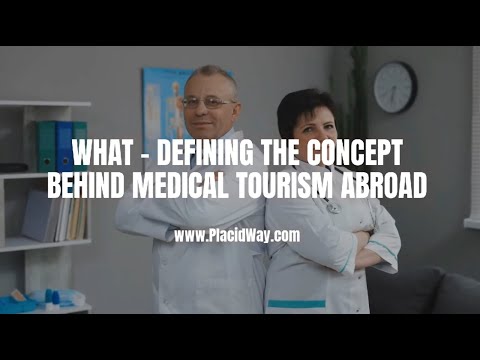






.png)
.png)



.jpg)

.jpg)
.jpg)








Share this listing