


Dr. Sukdeb Datta on Key Issues in Pain Management and Advanced Relief Strategies
Are you tired of living with debilitating discomfort that dictates your daily life? Navigating the complex world of chronic pain management treatments can feel incredibly overwhelming, but rapid breakthroughs in modern medicine are changing lives every single day. In this highly insightful discussion, leading expert Dr. Sukdeb Datta on Key Issues in Pain Management breaks down the crucial shifts transforming patient care today.
From exploring innovative spine pain relief methods to uncovering highly effective alternatives to spine surgery, understanding these new clinical protocols is the first step toward regaining your mobility. Watch to discover how multidisciplinary approaches are replacing outdated paradigms and offering renewed hope to patients suffering from severe chronic conditions.
Video Chapters & Quick Navigation
The Evolution of Chronic Pain Management Treatments
Historically, the medical community's approach to persistent discomfort was heavily reliant on generalized medication. Patients suffering from acute or chronic conditions were frequently prescribed strong pharmaceuticals to mask their symptoms. As highlighted at in the video, this conventional methodology often ignored the underlying mechanical or neurological root causes of the pain.
Today, the landscape of healthcare has drastically shifted toward highly specialized, multidisciplinary strategies. Modern chronic pain management treatments prioritize targeted diagnostics and interventional procedures over lifelong medication reliance. This paradigm shift is not just about reducing pain; it is about restoring a high quality of life and functional mobility for the patient.
Shifting Toward Opioid-Free Pain Management
One of the most pressing issues in modern medicine is the global opioid crisis, which stemmed directly from outdated pain management protocols. Addressing this issue head-on is a primary focus for leading specialists like Dr. Datta. Opioid-free pain management has transitioned from being an alternative concept to becoming the absolute gold standard in patient care.
By utilizing advanced nerve blocks, targeted physical therapies, and non-narcotic anti-inflammatory treatments, doctors can provide superior relief without the severe risks of chemical dependency. This modern approach ensures that patients can remain active, alert, and engaged in their daily lives while healing. The integration of psychological support also helps patients cope with the emotional toll that chronic pain frequently imposes.
Dr. Sukdeb Datta’s Approach to Innovative Spine Pain Relief
When dealing with complex spinal conditions, a one-size-fits-all approach is notoriously ineffective. Dr. Sukdeb Datta emphasizes the critical importance of translational pain medicine, a discipline that bridges the gap between laboratory research and direct patient care. As discussed at , this means bringing the latest scientific advancements directly to the clinical setting.
Innovative spine pain relief requires a deep understanding of spinal biomechanics and intricate neuroanatomy. Rather than immediately suggesting aggressive interventions, top-tier specialists focus on mapping the exact origin of the pain signal. This hyper-targeted methodology prevents unnecessary treatments and dramatically increases the success rate of therapeutic interventions.
The Role of Precision Diagnostics
You cannot effectively treat what you cannot accurately identify. The foundation of managing severe lower back pain lies in precision diagnostics. Advanced imaging technologies, such as high-resolution MRIs and 3D CT scans, provide a comprehensive view of the spinal architecture.
Furthermore, specialized nerve conduction studies and diagnostic branch blocks allow physicians to isolate specific malfunctioning nerves. By pinpointing the exact facet joint or nerve root causing the distress, specialists can formulate a highly customized treatment plan. This eliminates the guesswork that traditionally plagued back pain treatments.
Understanding Complex Neuropathic Pain Solutions
Pain is generally categorized into two main types: nociceptive (tissue damage) and neuropathic (nerve damage). Neuropathic pain is notoriously difficult to treat because the body's alarm system—the nervous system itself—is malfunctioning. Patients often describe this sensation as burning, shooting, or electric shocks, as noted at in the presentation.
Developing effective neuropathic pain solutions requires interventions that can reset or bypass these faulty nerve signals. Conditions like diabetic peripheral neuropathy, sciatica, and post-herpetic neuralgia demand advanced therapeutic techniques. Standard over-the-counter painkillers are almost completely ineffective against this type of neurological misfiring.
| Pain Classification | Primary Cause | Common Symptoms | Targeted Treatment Approach |
|---|---|---|---|
| Nociceptive Pain | Physical tissue damage, inflammation, or injury to muscles/joints. | Aching, throbbing, or localized stiffness. | Anti-inflammatories, physical therapy, joint injections. |
| Neuropathic Pain | Nerve damage, compression, or central nervous system dysfunction. | Burning, tingling, "pins and needles," electric shock sensations. | Neuromodulation, nerve blocks, radiofrequency ablation. |
| Mixed Pain Syndrome | Combination of structural damage leading to secondary nerve compression. | Complex combination of deep aching and radiating nerve pain. | Multidisciplinary approach, combining epidurals and structural rehabilitation. |
Neuromodulation and Spinal Cord Stimulation
One of the most exciting advancements in neuropathic pain solutions is neuromodulation. This technology utilizes a device, often referred to as a "pacemaker for pain," which is implanted near the spinal cord. It delivers mild electrical impulses that interrupt pain signals before they can reach the brain.
Spinal cord stimulation (SCS) allows patients to actively control their pain relief using an external remote. By replacing chronic pain sensations with a gentle, soothing flutter—or even operating silently in the background—SCS has revolutionized the treatment of severe neuropathic conditions. It is particularly effective for patients suffering from failed back surgery syndrome.
Viable Alternatives to Spine Surgery: Managing Severe Lower Back Pain
For decades, patients with severe disc herniations or spinal stenosis were routinely funneled toward invasive open back surgeries. However, major spinal operations carry significant risks, including lengthy recovery times, hardware failure, and the dreaded failed back surgery syndrome (FBSS). As emphasized at , avoiding irreversible anatomical alterations is a priority in modern care.
Today, exploring viable alternatives to spine surgery is the standard protocol before any scalpel is lifted. By utilizing advanced interventional techniques, physicians can effectively decompress nerves, reduce localized inflammation, and stabilize the spine without the need for general anesthesia or large incisions. These outpatient procedures allow patients to return home the very same day.
Minimally Invasive Back Pain Treatments
The core of avoiding major surgery lies in the application of minimally invasive back pain treatments. These procedures utilize tiny needles or micro-catheters guided by real-time fluoroscopic (X-ray) imaging. This ensures absolute precision when targeting the compromised area of the spine.
- Epidural Steroid Injections (ESIs): Delivering potent anti-inflammatory medication directly into the epidural space to rapidly decrease nerve root swelling and alleviate radiating leg pain.
- Radiofrequency Ablation (RFA): Utilizing thermal energy to safely deactivate the sensory nerves supplying painful facet joints, offering relief that can last for six to twelve months or longer.
- MILD Procedure: A specialized, minimally invasive lumbar decompression technique that removes excess ligament tissue causing spinal stenosis, requiring only a tiny incision the size of a baby aspirin.
Regenerative Medicine for Joint Pain and Tissue Repair
Perhaps the most forward-thinking frontier discussed at is the utilization of orthobiologics. Regenerative medicine for joint pain focuses on harnessing the body's innate ability to heal itself. Rather than simply blocking pain signals or masking symptoms with steroids, regenerative therapies aim to repair degraded cellular structures.
Conditions such as osteoarthritis, degenerative disc disease, and chronic tendonitis respond exceptionally well to these advanced biological treatments. By injecting concentrated growth factors directly into the site of injury, physicians can stimulate the proliferation of new, healthy tissue. This represents a true shift from treating symptoms to potentially reversing the underlying disease process.
Platelet-Rich Plasma (PRP) and Stem Cell Applications
Platelet-Rich Plasma (PRP) therapy involves drawing a small amount of the patient's own blood and spinning it in a centrifuge to isolate the healing platelets. This ultra-concentrated plasma is then meticulously injected into the damaged joint or spinal disc. The localized rush of growth factors acts as a catalyst for massive cellular repair and dramatic inflammation reduction.
Similarly, stem cell therapies utilize undifferentiated cells that have the remarkable potential to develop into specific types of tissue, such as cartilage or bone. These advanced regenerative medicine techniques offer a beacon of hope for patients who have exhausted traditional conservative care but remain reluctant to undergo full joint replacement or spinal fusion surgeries.
Ready to Explore Advanced Pain Management Options?
You do not have to accept chronic discomfort as a permanent part of your life. PlacidWay connects patients globally with top-tier specialists offering cutting-edge, minimally invasive pain relief and regenerative medicine treatments. Take the first step toward a pain-free future today.
REQUEST FREE INFORMATION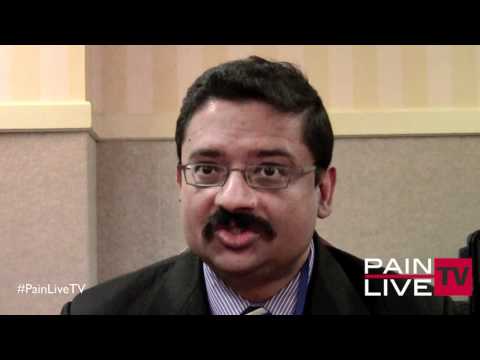



.png)
.png)

.png)








Share this listing