
The Ultimate Guide to Modern Root Canal Treatment: Technology, Pain Management, and Recovery
For decades, the phrase "root canal" has been unfairly used as a synonym for something unpleasant or painful. However, thanks to incredible advancements in restorative dentistry and endodontic technology, the modern root canal is no more stressful than getting a standard filling. Millions of teeth are saved every year through this procedure, preventing the need for extractions and maintaining the natural structure of a patient's jaw and smile.
In this comprehensive overview, we break down the reality of endodontic therapy. If you are experiencing persistent tooth sensitivity, sharp pain when chewing, or gum swelling, a root canal might be the very thing that saves your tooth and restores your quality of life. Watch as Dr. Michelle Vargas, a leading endodontist, explains why you have nothing to fear from this routine dental procedure.
Video Chapters & Quick Navigation
Shattering the Myth: Is Root Canal Treatment Painful?
One of the most persistent dental myths is that a root canal is a painful ordeal. In reality, the procedure is designed to eliminate pain caused by infection or inflammation in the tooth pulp. As Dr. Vargas emphasizes at [00:04], the modern procedure is entirely pain-free due to the use of highly effective local anesthetics.
During the treatment, the endodontist ensures that the entire area around the affected tooth is thoroughly numbed. This means that while you may feel slight pressure during the process, you will not experience sharp sensations or pain. In many cases, patients who arrive at the clinic in severe distress due to an abscess or toothache leave feeling immediate relief as the source of the pressure and infection is addressed.
Advances in local anesthesia chemistry also mean that the numbing agent works faster and lasts longer, providing a comfortable window for the specialist to perform detailed work inside the delicate root canal system. For anxious patients, many clinics also offer sedation options, further ensuring a relaxed experience.
The Essential Role of the Rubber Dam in Safety and Hygiene
A hallmark of professional endodontic care is the use of a rubber dam, as demonstrated at [00:12]. While it may look like a simple piece of latex or nitrile, it is a critical tool for several reasons:
- Isolation: It isolates the specific tooth being treated, keeping it dry and free from saliva, which contains bacteria that could re-infect the canals.
- Airway Protection: It prevents the patient from accidentally inhaling or swallowing the small instruments or irrigation fluids used during the procedure.
- Improved Visibility: It provides a clear, high-contrast field for the endodontist to work, which is essential when dealing with microscopic canal structures.
By maintaining a sterile field, the rubber dam significantly increases the long-term success rate of the root canal. It ensures that the disinfection process is absolute, creating the perfect environment for the biocompatible sealing materials to bond correctly.
Precision Engineering: Advanced Endodontic Instruments
Root canal systems are complex and often tiny, sometimes thinner than a human hair. Traditional methods relied on manual "files" to clean these areas, but today, specialists use advanced rotary and reciprocating instruments. As seen at [00:19], these high-tech tools allow for much greater precision.
These instruments are made from Nickel-Titanium (NiTi), a flexible alloy that can navigate the natural curves of a tooth root without breaking. This flexibility allows for a more conservative cleaning process, preserving as much of the natural tooth structure as possible while ensuring every trace of infected tissue is removed.
| Feature | Traditional Root Canal | Modern Endodontics |
|---|---|---|
| Pain Control | Inconsistent numbing | Sophisticated local anesthesia |
| Cleaning Tools | Manual stainless steel files | Flexible NiTi rotary instruments |
| Visual Aids | Naked eye or simple loops | High-power surgical microscopes |
| Sealing | Standard pastes | Biocompatible bioceramic sealers |
Why Biocompatible Materials Matter for Your Health
Once the canals are cleaned and disinfected, they must be filled to prevent bacteria from re-entering. The materials used in this phase are crucial. As Dr. Vargas mentions at [00:28], specialists now use biocompatible materials that work in harmony with your body.
Bioceramic sealers and high-grade Gutta-percha are the industry standards. "Biocompatible" means these substances do not trigger an inflammatory or allergic response from the surrounding bone and gum tissue. In fact, modern bioceramics can actually stimulate a degree of healing in the bone surrounding the root tip. These materials provide a hermetic (airtight) seal, ensuring the tooth remains healthy and functional for a lifetime.
Post-Treatment: What to Expect During Recovery
A major concern for many patients is "downtime." Fortunately, there is virtually none. Most patients can return to work or their normal daily routine immediately following their appointment [00:40]. However, it is important to manage expectations regarding sensitivity.
It is normal to experience some "mild soreness" or tenderness in the area for about a week. This is typically not "tooth pain" in the traditional sense, but rather a result of the surrounding ligaments and tissues healing from the previous infection and the procedure itself. Over-the-counter anti-inflammatories like Ibuprofen are usually more than sufficient to manage this temporary discomfort.
Tips for a Smooth Recovery:
- Avoid chewing on the treated tooth until your permanent crown or filling is placed.
- Practice gentle oral hygiene; brush and floss normally but carefully around the site.
- If soreness persists beyond 10 days or intensifies, contact your endodontist for a quick follow-up.
The Endodontist Advantage: Why See a Specialist?
While many general dentists perform root canals, an endodontist like Dr. Michelle Vargas [00:49] has several years of additional specialized training specifically focused on the interior of the tooth. Endodontists perform these procedures daily and often handle the most complex cases, such as teeth with unusual anatomy or previously failed treatments.
By choosing a specialist, you are opting for the highest level of expertise and the most advanced diagnostic imaging, such as 3D CBCT scans. These scans allow the specialist to see the tooth in three dimensions before they even start, identifying hidden canals and potential complications that wouldn't be visible on a standard 2D X-ray.
The Value of Saving Your Natural Tooth
When faced with a damaged tooth, some might consider extraction as an "easier" or "cheaper" fix. However, losing a natural tooth has significant long-term consequences. When a tooth is removed, the surrounding bone begins to atrophy (shrink), and adjacent teeth can shift out of place, leading to bite issues and further tooth loss.
Replacing a missing tooth with an implant or bridge is far more expensive and time-consuming than saving it with a root canal. A successful endodontic treatment allows you to keep your natural smile, maintain your bone density, and continue eating your favorite foods without restriction. Investing in a root canal is an investment in your long-term oral health and facial aesthetics.
Ready to Restore Your Smile in Egypt?
PlacidWay Medical Tourism connects you with top-rated dental clinics in Egypt, offering world-class care at unbeatable prices. Let us handle the details while you focus on your new smile.
GET A FREE QUOTE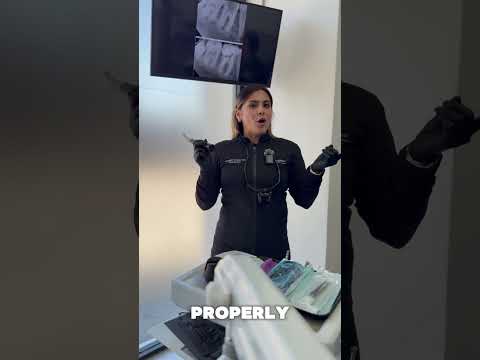








.png)
.png)
.png)
.png)


.png)
.jpg)
.png)
.jpg)








Share this listing