


David Glass’s Journey: Overcoming a Left Hip Labrum Tear with Regenerative Orthopedics
Facing a major surgery at age 38 is a daunting prospect, especially when that surgery is a total hip replacement. For David Glass, a 38-year-old Australian living in Tanzania, this became a sudden reality after being diagnosed with a left hip labrum tear and early-onset arthritis. Traditional Western medicine offered a singular path: invasive surgery. However, David sought a more modern, biological solution that would preserve his natural joint and get him back to his active lifestyle without the long-term risks of prosthetic implants.
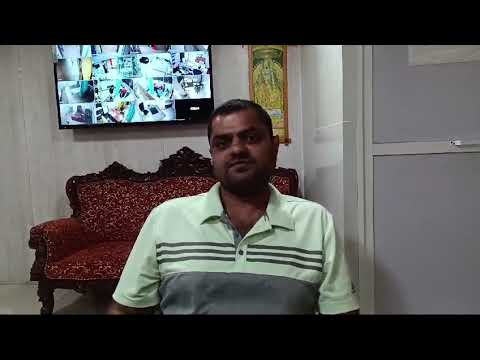
In this video, David shares his transformative experience traveling to RegenOrthoSport for advanced regenerative treatment. By choosing platelet-based therapies over the scalpel, he discovered a world-class medical facility that met and exceeded the high standards of care he expected from home. Discover why more patients are looking toward regenerative medicine to heal joint injuries naturally and effectively.
Video Chapters & Quick Navigation
Understanding David’s Diagnosis: The Hip Labrum Tear
At [00:10], David discusses being diagnosed six months prior with a torn left hip labrum and signs of arthritis. The labrum is a ring of specialized cartilage that lines the outside rim of the hip joint socket. It acts like a rubber seal or gasket to help hold the ball at the top of your thighbone securely within your hip socket.
When the labrum tears, it doesn't just cause pain; it compromises the stability of the entire joint. For David, this instability led to the early signs of arthritis. This is a common progression: the labrum tear changes the "mechanics" of the hip, leading to increased friction on the articular cartilage, eventually causing the bone-on-bone sensation typical of advanced arthritis.
Symptoms of a Hip Labrum Tear
Patients often experience a deep ache in the groin or the front of the hip. Common symptoms include:
- A "locking," "clicking," or "catching" sensation in the hip joint.
- Pain in the hip or groin, often made worse by long periods of standing, sitting, or walking.
- Stiffness and limited range of motion in the hip.
The Surgery Dilemma: Why David Chose an Alternative
By [00:30], David reveals that his initial Western treatment plan was a total hip replacement. For a man in his late 30s, this is a significant "salvage" procedure. Modern prosthetic hips have a lifespan, usually between 15 to 25 years. Getting a replacement at 38 almost guarantees the need for a complex "revision" surgery in his 50s or 60s.
Traditional orthopedic surgery often focuses on mechanical fixes—replacing parts. Regenerative orthopedics, conversely, focuses on biological healing. Instead of cutting away the damaged labrum or replacing the joint, these therapies aim to repair the tissue using the body's own healing mechanisms.
The Science Behind Platelet-Rich Plasma (PRP) for Hip Repair
David specifically mentions the use of platelets [00:20]. This refers to Platelet-Rich Plasma (PRP) therapy. PRP is a concentration of a patient's own platelets, which are rich in growth factors and signaling proteins that trigger the body's natural repair response.
| Feature | Hip Replacement Surgery | Regenerative PRP Therapy |
|---|---|---|
| Invasiveness | High (Major Surgery) | Low (Injection-based) |
| Recovery Time | 3 - 6 Months | Days to Weeks |
| Risk Profile | Infection, Clots, Implant Failure | Minimal (Autologous/Own Blood) |
| Biological Goal | Artificial Joint Integration | Natural Tissue Regeneration |
Why Travel from Tanzania to India for Orthopedic Care?
David’s journey from Tanzania to India highlights the growing trend of medical tourism for specialized orthopedic care. While David is Australian, the standards he sought were global. He noted at [00:55] that the clinic's standards were comparable to what he would expect in Australia.
India has become a global hub for regenerative medicine due to its highly specialized doctors, state-of-the-art imaging technology, and cost-effective treatment models. Centers like RegenOrthoSport utilize advanced image guidance (fluoroscopy and ultrasound) to ensure that the healing platelets are delivered exactly into the labral tear, something that standard "blind" injections cannot achieve.
The RegenOrthoSport Experience: Detail and Professionalism
David emphasizes the quality of the consultation process at [00:35]. He received a thorough explanation from the operations manager and a 20-minute detailed clinical consultation with the doctor. For a patient traveling across continents, this level of communication is vital for peace of mind.
The facility itself is described as clean, modern, and professional. At [00:45], David mentions that everything went according to plan, with "spot-on" timing. This efficiency is critical for international patients who have limited travel windows for their medical procedures.
The Multi-Step Procedure
While the video focuses on David's testimonial, the procedure at RegenOrthoSport typically involves:
- Advanced Imaging: Using MRI and high-definition ultrasound to map the exact location of the labrum tear and the areas of arthritic wear.
- Blood Draw and Processing: Platelets are concentrated using proprietary protocols to ensure high concentrations of growth factors.
- Precise Injection: Doctors use real-time X-ray (fluoroscopy) to guide the needle directly into the joint space and the labrum itself.
Recovery: Life After Regenerative Hip Therapy
Unlike a hip replacement, which requires months of painful physical therapy and restrictions on movement, David’s path involves a functional recovery. At [01:05], he happily recommends the center, reflecting the confidence he has in his outcome.
Patients undergoing PRP for hip labrum tears typically follow a structured "return to sport" protocol. The first few days focus on joint protection, followed by gentle range-of-motion exercises, and eventually progressing to strength training. Because the patient’s own biology is doing the heavy lifting, the risk of rejection is zero, and the improvements continue to build over several months as the tissue remodels.
Why This Matters for Young Active Adults
For individuals like David, preserving the natural hip joint is about more than just avoiding surgery; it's about maintaining athletic potential. Regenerative therapies allow the hip to remain "unmodified" by hardware, keeping the door open for all types of future physical activities that might be restricted with a metal-and-plastic joint replacement.
Ready to Restore Your Mobility?
PlacidWay Medical Tourism connects you with top-rated regenerative orthopedic clinics worldwide, offering cutting-edge alternatives to major surgery at unbeatable prices. Let us help you find the right path to healing.
GET A FREE QUOTE



-Package-in-India-by-Dr.-Pravin-Patel.jpg)















Share this listing