The Evolution of Medical Aesthetics: Achieving a Natural Look and Embracing Longevity
In the rapidly evolving world of beauty, the definition of success has shifted from visible transformation to invisible enhancement. For decades, the goal of medical aesthetics was often to erase every wrinkle, frequently resulting in a "frozen" or "overfilled" appearance that looked anything but natural. Today, a new philosophy led by experts like Dr. Güne? Çakmak is taking center stage, focusing on facial harmony and regenerative health. This comprehensive guide delves into how modern science allows us to age gracefully while maintaining our unique identity through non-surgical rejuvenation techniques.
Video Chapters & Key Topics
The Paradigm Shift: Natural Aesthetics as the Gold Standard
Achieving a natural look is no longer just a preference; it is the primary goal of modern cosmetic medicine. [00:41] As Dr. Çakmak explains, patients are increasingly fearful of "looking like someone else." They want to look like themselves, but more rested, vibrant, and youthful.
This "quiet luxury" in aesthetics involves subtle modifications that respect the patient's original anatomy. Instead of following generic templates, practitioners now analyze individual bone structure, muscle movement, and skin quality to provide a bespoke treatment plan. The goal is that friends should notice you look great, without being able to pinpoint exactly what work was done.
Modern patients prioritize "dynamic beauty," where the face remains expressive. This move away from the static, overly-injected look of the early 2000s reflects a deeper cultural appreciation for authenticity and health over artificial perfection.
Advancements in Bio-Compatible Products
The materials used in aesthetic medicine have evolved significantly to support this natural trend. Traditional permanent fillers have been largely phased out in favor of temporary, bio-degradable options that mimic the body's natural substances. These new-generation fillers are designed to integrate seamlessly into the tissue rather than sitting on top of it, ensuring that facial expressions remain soft and natural.
Longevity: The Science of High-Quality Aging
Longevity is a buzzword that encompasses more than just living a long time; it refers to the length of time we live in good health. [02:21] In aesthetics, longevity means proactively managing the aging process to maintain skin and tissue integrity throughout life.
Rather than waiting for deep wrinkles to form, the longevity approach suggests early, low-impact interventions. By supporting collagen production and skin hydration in one's 20s and 30s, the "cliff" of aging that often happens in the 40s and 50s can be significantly softened. It is an investment in the future quality of your appearance.
Dr. Çakmak emphasizes that aesthetic longevity is intrinsically linked to lifestyle. Proper nutrition, hydration, and medical-grade skincare are the foundations upon which clinical treatments like Botox and fillers are built. When the body is healthy from within, the results of external treatments last longer and look significantly better.
| Treatment Goal |
Traditional Approach |
Longevity Approach |
| Wrinkle Management |
Total muscle paralysis for frozen look. |
Strategic dosage to soften lines while keeping movement. |
| Skin Quality |
Covering imperfections with heavy makeup. |
Skin boosters (Exosomes, Meso) to improve health from within. |
| Timing |
Reactive (waiting for damage to occur). |
Preventative (maintaining youthful tissue early). |
Demystifying Botox: Why Dosage is Everything
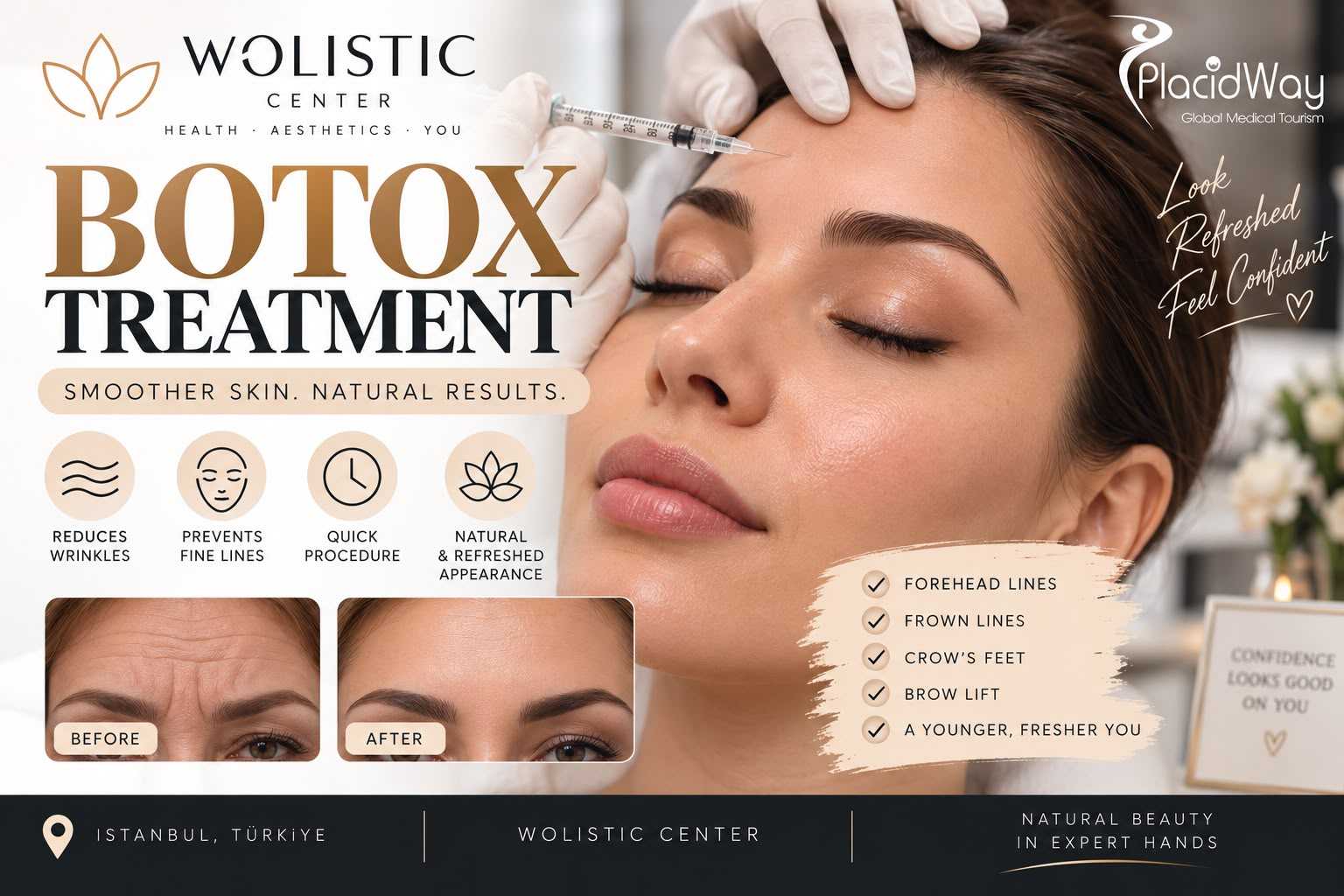
Botox (Botulinum Toxin) remains the most requested aesthetic procedure globally, yet it is also the most misunderstood. [05:00] Many patients fear the "surprised look" or an inability to express emotion. Dr. Çakmak explains that these negative results are almost always a result of improper dosage or placement, rather than the product itself.
Dynamic Botox, often referred to as "Baby Botox," uses micro-doses to relax the muscles just enough to prevent skin creasing without stopping movement entirely. This allows for natural animation—you can still frown, smile, and look surprised—but the skin remains smooth. This subtle technique is what differentiates a "medical" result from an "aesthetic" masterpiece.
Timing is another critical factor. Repeatedly getting Botox at very short intervals can lead to muscle atrophy or, in some cases, the development of antibodies that make the treatment less effective. [05:43] It is essential to wait for the muscle function to return significantly before the next session to maintain a healthy, balanced facial appearance.
Common Botox Myths Debunked
- Myth: Botox is permanent. Truth: It wears off naturally in 3-6 months.
- Myth: Botox makes you lose feeling. Truth: It affects only muscle movement, not sensation.
- Myth: If you stop Botox, you will look worse. Truth: You simply return to your original state, often delayed because the muscles haven't creased the skin for months.
Dermal Fillers: The Art of Volume Restoration
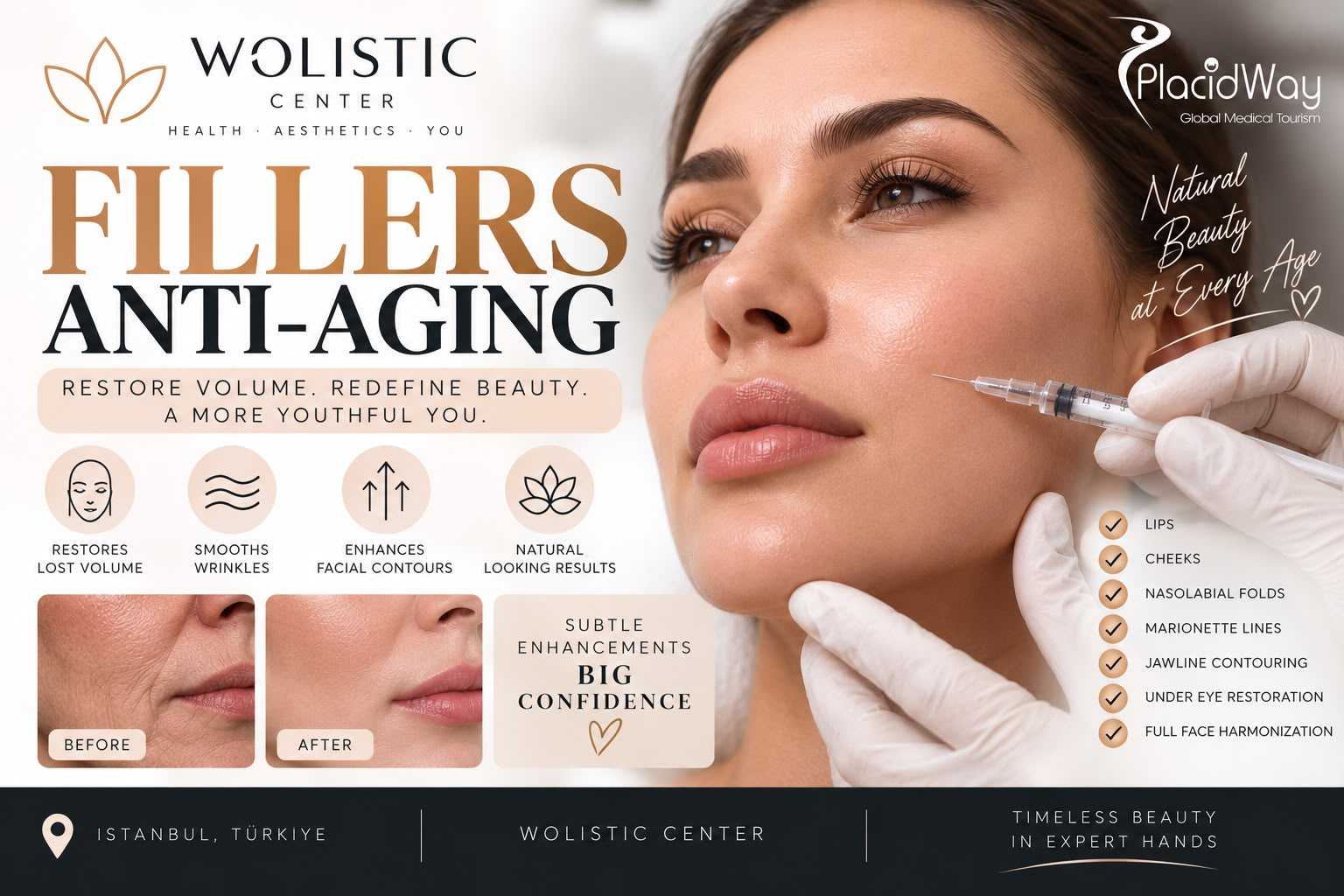
Unlike Botox which treats dynamic lines, dermal fillers are used to restore volume lost due to fat pad migration and bone resorption. [06:36] Modern fillers are primarily made of Hyaluronic Acid (HA), a sugar molecule naturally found in our skin that holds up to 1000 times its weight in water.
The "old school" approach was to fill the nasolabial folds (smile lines) directly. Modern techniques focus on the "mid-face lift"—placing small amounts of filler in the cheeks and temples to lift the sagging tissue below. This results in a much more natural and youthful silhouette than simply "filling a hole."
One of the great advantages of HA fillers is their reversibility. If a patient is unhappy with the result or if there is an asymmetrical outcome, an enzyme called Hyaluronidase can dissolve the filler within hours. This provides a safety net that is not available with permanent surgical options.
The Frontier of Skin Regeneration: Exosomes and Salmon DNA
Beyond volume and wrinkles, the quality of the skin itself is the ultimate indicator of youth. [08:01] Treatments like Salmon DNA, Mesotherapy, and the highly advanced Exosome therapy are revolutionizing regenerative aesthetics.
Exosomes are the newest breakthrough. They are extracellular vesicles that act as "messengers," telling older skin cells to behave like youthful ones. They stimulate massive collagen production, reduce inflammation, and can even repair damaged DNA within the skin cells. This isn't just masking age; it is biologically reversing it at a cellular level.
Salmon DNA (Polynucleotides) works by providing the building blocks for skin repair. It is particularly effective for the delicate under-eye area where traditional fillers might look puffy. It improves microcirculation and hydration, giving the skin a "lit from within" glow that cannot be achieved with makeup.
Maintaining Aesthetic Results: Summer Skin Care & Protection
As we enter the warmer months, the approach to aesthetics must change. [08:33] Aggressive treatments like chemical peels and CO2 lasers are generally discouraged during summer because sun exposure on sensitized skin can cause permanent hyperpigmentation (sun spots).
However, summer is the perfect time for hydration-focused treatments. Mesotherapy and skin boosters are ideal as they counteract the drying effects of UV rays and saltwater. Dr. Çakmak reminds us that "internal hydration" (drinking water) is just as important as external products. [09:11]
The most important rule for aesthetic maintenance is the consistent use of SPF. Sun damage accounts for nearly 80% of visible aging. Without proper sun protection, even the most expensive aesthetic treatments will eventually fail to maintain a youthful appearance. Reapplying sunscreen every 2-4 hours while outdoors is a non-negotiable step in any longevity routine.
Ready to Enhance Your Natural Beauty?
Explore world-class aesthetic treatments and anti-aging solutions tailored to your unique features. PlacidWay connects you with leading clinics and specialists worldwide to help you achieve your beauty goals safely and naturally.
GET A FREE QUOTE
View Video Transcript
[00:00] Medical Aesthetic Specialist Dr. Güne? Çakmak is our studio guest. Welcome Güne? Hodja. How are you? [00:05] Thank you, how are you? [00:08] Thank you. You came with your white skin that hasn't been burned by the sun, you took such good care of your skin. [00:15] Today we will talk about the natural look, especially the realities of medical aesthetic procedures and trend changes. [00:23] Currently, looking natural is at the top of the trends, right teacher? [00:26] Definitely yes. Currently, looking natural and staying true to what is natural is the issue we care about most. [00:32] It is also the issue our clients care about most. Currently, staying true to nature. Looking "done," or having a procedure noticed, is the situation they fear and want least. [00:41] However, we have such an advantage: the procedures we do in medical aesthetics, whether it's Botox or fillers, have durations. [00:50] So it doesn't have to stay there for a lifetime. If they don't like the filler, they can get rid of it, or Botox passes anyway after a certain period. [00:55] I know there were people who had surgery etc. because the filler materials used in the past were very different. [01:02] Yes, the contents changed a lot. New fillers are FDA approved. Having clean content is very important. [01:08] Persistence periods also shortened. In the past, there were fillers that stayed for years, now we don't want the filler to stay forever. [01:18] We want materials that are biologically compatible and that the body can cope with. [01:24] Is this true teacher? For example, filler applications lose their effect after a certain time, Botox is like that too, and they need to be renewed. [01:34] But even after losing its effect, there is a rate of staying in the body, it doesn't zero out completely. Is this true or false? [01:42] This is partly true, yes. But even the water we drink doesn't leave the body 100%. It goes as much as it needs to. [01:52] But new fillers and new production Botox are very careful about these issues, the contents are much cleaner than before. [02:01] Of course, I'm talking about approved products. [02:11] There is also the concept of quality aging, which we call "Longevity." We hear it a lot lately. Let's hear the details from you. [02:19] Now the concept of Longevity is in our lives. Living healthy, living longer are among the goals of all of us. [02:26] For this, we change our lifestyle, we might take supplements, or IV treatments are included in this. [02:34] The effect of prolonged life spans on medical aesthetics is like this: we want to live until 80-90, but at 50-60, we don't want to look like the 50-60 year olds of the past. [02:47] There is a trend of looking like one's 30s. This is where medical aesthetics comes in. [03:00] It's possible to look like 50s while being 70, or like 30s while being 50. If precautions are taken at early ages and medical aesthetic applications are started early, these are possible. [03:12] Well, how do you evaluate the relationship between longevity and medical aesthetics? [03:18] As the life span increases, the desire to look good and look healthy also increases. Along with this, we want to live healthy and age healthy. [03:28] Not just living long, but living that period in a quality way and looking good. In the good-looking and healthy-looking part, the skin part, we are there. [03:43] For example, someone who had a medical aesthetic procedure and left the clinic. Everyone looks alike, there is such a perception. Especially when entering a social group. Why did everyone start looking like each other? [03:59] Actually, it shouldn't be. Because everyone's anatomy is different, mimic use is different, temperament is different. You need to make special planning for the person. [04:09] When you do what is right for them, no one looks like each other, they become the best version of themselves. This is actually about the request. [04:18] When a look becomes a trend, people specifically want it, and the physician might lean towards this a bit too. [04:27] Yes, correct. Well, Botox applications are among the most performed. Are there still common misconceptions? [04:34] Misconceptions about Botox always exist. The issue we pay most attention to in Botox is looking natural. [04:42] We aim for these lines to disappear, but at the same time, we care a lot about preserving mimics. People have big fears and prejudices about Botox. [04:49] Their biggest concern is the eyebrows lifting too high or not being able to frown, not being able to look surprised. [05:00] Their emotions are taken from them. Of course, all of these are related to dose adjustment. When you give the appropriate dose, you can stop the muscle as much as you want or leave it free. [05:11] This is about our application. We talk to the patient about this most of the time. For those who absolutely don't want mimics affected, we adjust the dose accordingly. [05:19] But there are also opposite requests: I don't want to see a single line. There, we increase the dose a bit. [05:25] Then there's no mimicry left. You look at them, they look very angry, but they have to say it verbally because they can't show it. [05:36] If that's what the person wants, there's nothing we can do. Well, when applied very frequently, when the intervals are very short, there is a thought that it loses its effect. Is it true? [05:49] Actually true. We always ask the patient for a certain interval. We say wait, let your Botox finish completely, then we do it. [05:57] After reaching the target image with Botox, the lines that appear over time with the dissolution start to bother the patient a lot because they got used to a bright look. [06:08] We have a bit of a hard time waiting there. Waiting would be much better. [06:14] Now let's come to the fillers. Naturalness should always be at the forefront in filler applications too, but sometimes we see very swollen lips, very swollen faces, cheekbones. [06:26] When not satisfied, is it possible to bring the filler back to its original state? [06:29] The material we call filler actually consists of Hyaluronic Acid, which we hear very often. Filler is essentially the state of Hyaluronic Acid turned into a biocompatible and permanent gel form. [06:40] Therefore, the filler somehow treats the area it enters. I'm talking about new fillers, never old fillers. [06:48] Approved and new fillers, high-quality fillers treat the tissue they enter. When we use a filler suitable for the area—lips, cheeks, or mid-face—we get an upward lifting effect. [06:59] Not swelling, on the contrary, thinning happens on the face. In lips, we decide this. We determine the volume, amount, and mass. [07:09] If we want it to be natural, we make an application accordingly. But young people want it a bit more prominent, then we make more prominent lips. [07:18] Styles are constantly changing. Russian style, etc. Techniques change. Used techniques change. [07:27] Again, there are applications we hear a lot lately like Salmon DNA, Mesotherapy, Exosomes. Which skin types are these suitable for? [07:34] We can actually use these in many skin types. These are related to the Longevity concept we talked about. [07:44] As age progresses, when the body's renewal capacity drops, these come into play for renewal. We get good results. [07:51] But is there a specific sequence? For example, one session of Salmon DNA then completing it with Exosomes? [07:59] We make a plan according to the person. Age, skin type, metabolic rate, diseases, used medications—all are very important. [08:14] So the main topic here is returning to naturalness. Do these same applications happen on the neck and décolleté too? [08:21] Mesotherapy, Exosomes, Salmon DNA are applied on the neck and décolleté too. [08:29] How long do these continue their effect? How often should they be renewed? [08:33] Having them done once a year is usually sufficient. Mesotherapy once in 6 months, Salmon DNA and Exosome once a year. [08:40] Also, are there applications that shouldn't be done in summer with the sun? [08:46] Applications we won't do in summer with the sun are actually those where we play with the color and pigmentation of the skin. [08:53] Pigment treatments, laser procedures, peelings, aggressive treatments are not done in summer. [08:59] But other than those, Exosomes, Salmon, Mesotherapy, hydrating and skin-nourishing applications can all be done in summer. [09:06] What should we pay attention to so as not to deal with these spots in summer? [09:11] We must definitely renew our sunscreen every 2-4 hours. Hydration is very important, we must pay great attention to our skin's moisture. [09:19] Internal hydration is just as important, we must pay great attention to drinking water. [09:24] Especially in summer heat, don't neglect water. Support from both inside and outside. [09:30] Alright then. Thank you very much, Güne? teacher. So glad you came, health to your feet.




.png)
.png)
.png)




.jpg)
.jpg)
.jpg)








Share this listing