
Better Mobility: Hip Replacement Surgery in Hamburg, Germany
Living with chronic hip pain can gradually diminish your ability to perform even the simplest daily activities. Walking through a park, climbing stairs, or simply getting out of a chair can turn into daunting physical challenges. When conservative treatments like physical therapy, medication, and lifestyle modifications no longer offer sufficient relief, patients often begin considering surgical intervention. Asklepios Kliniken Hamburg in Germany stands as a international center of excellence for orthopedic care, providing high-precision total and partial hip procedures.
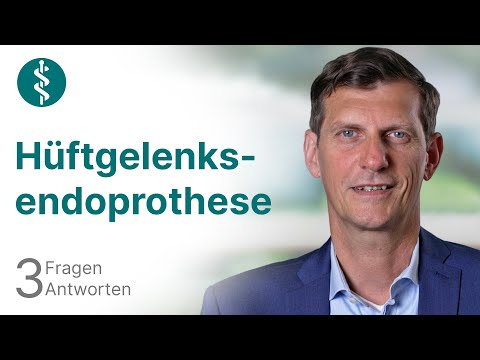
To help prospective international patients better understand what to expect, expert orthopedic surgeons for Hip Replacement Surgery in Hamburg Germany at Asklepios Kliniken Hamburg address three fundamental questions regarding modern joint replacement: when surgery is truly necessary, how the appropriate prosthetic design is selected, and what the post-operative recovery journey looks like. Through advanced soft-tissue-sparing surgical techniques and early mobilization protocols, patients undergoing Endoprosthetic Hip Surgery in Hamburg Germany can achieve dramatic pain relief and regain active, independent lives.
Video Chapters & Quick Navigation
Question 1: When is Hip Replacement Surgery Truly Necessary?
Determining the right time to undergo surgical intervention is one of the most critical steps in orthopedic care. At [00:00:09], specialists emphasize that joint replacement is generally indicated when severe degenerative joint conditions, most notably osteoarthritis (coxarthrosis), wear down the natural cartilage buffer of the hip. As cartilage deteriorates, bone rubs against bone, leading to chronic stiffness, joint deformity, and debilitating pain during weight-bearing activities or even at rest.
However, radiological scans alone do not determine surgical candidacy. The primary guiding factor is the patient's personal level of suffering and loss of life quality. Undergoing Hip Replacement Surgery in Hamburg Germany is evaluated as a natural next step when non-surgical conservative treatments—such as targeted physiotherapy, anti-inflammatory medications, joint injections, and lifestyle adaptations—fail to provide adequate pain control.
Key Indicators That Joint Replacement is Recommended:
- Persistent hip, groin, or thigh pain that restricts routine daily tasks like walking or bending.
- Severe pain during rest or sleep that prevents restorative recovery despite medical management.
- Progressive stiffness limiting normal range of motion, making it difficult to put on shoes or socks.
- Inadequate pain relief from non-invasive therapies, corticosteroid injections, or oral analgesics.
- Significant loss of physical independence and overall decline in psychological well-being.
When conservative measures are exhausted and everyday activities become unbearable, artificial joint implantation offers a definitive solution to restore mobility and eliminate chronic pain.
Question 2: How Do Surgeons Choose the Right Prosthesis for Each Patient?
A fundamental principle of modern endoprosthetic care is that there is no universal, "one-size-fits-all" artificial hip. As highlighted at [00:00:56], orthopedic surgeons must evaluate each individual patient to determine the exact design, material combination, and fixation mechanism that best suits their anatomical structure, age, and activity expectations.
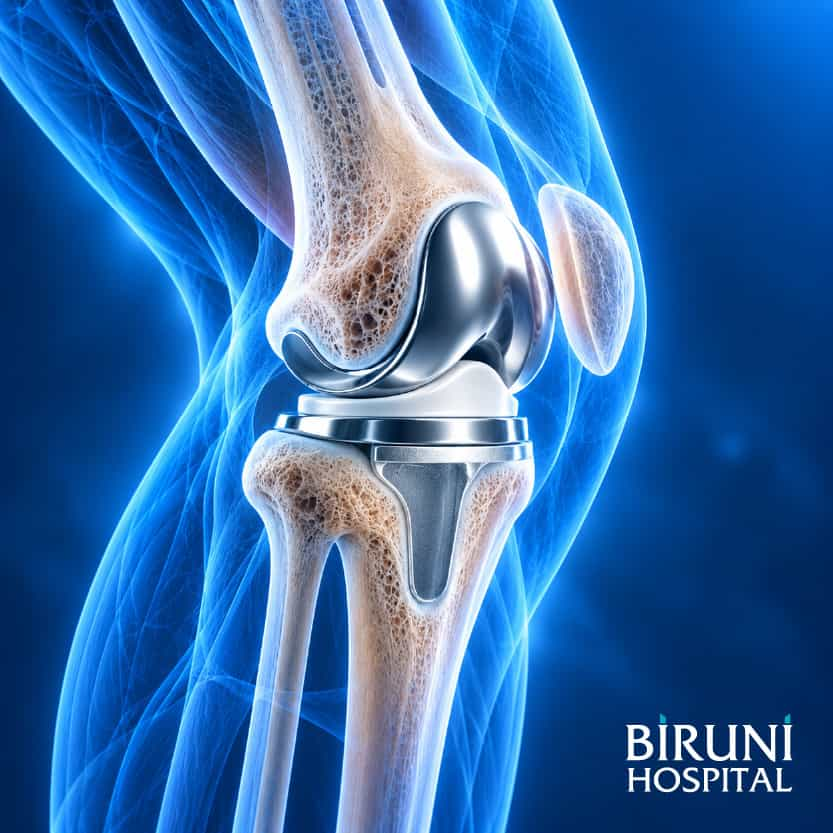
Selecting a suitable Hip Prosthesis in Hamburg Germany involves comprehensive pre-operative digital planning using 3D imaging technology. Surgeons analyze factors such as femoral bone density, acetabular socket geometry, biological age, and daily physical demands. Advanced bearing materials like high-grade ceramic heads paired with ceramic or highly cross-linked polyethylene liners offer exceptional wear resistance, minimizing friction and maximizing the operational lifespan of the implant.
| Prosthetic Component / Feature | Clinical Benefit & Application |
|---|---|
| Ceramic-on-Ceramic Bearings | Extremely wear-resistant surface ideal for younger, highly active individuals seeking long-term durability. |
| Ceramic-on-Polyethylene | Provides a durable, low-friction articulation with excellent shock absorption across broad patient demographics. |
| Cementless Titanium Implants | Features porous surfaces that allow natural bone tissue to grow directly into the implant (osseointegration). |
| Polymethylmethacrylate (PMMA) Bone Cement | Provides immediate structural stability for patients with compromised bone density or osteoporotic changes. |
Understanding Fixation Techniques: Cemented vs. Cementless Implants
One of the key technical decisions in joint reconstruction is choosing between a cemented and a cementless fixation technique. At [00:01:20], medical experts note that bone quality and patient age are central factors when selecting the appropriate fixation option.
In a cementless procedure, titanium components coated with hydroxyapatite or porous mesh are pressed directly into the prepared bone cavity. Over time, living bone cells grow into the micro-porous surface, permanently fusing the implant to the skeleton. This approach is preferred for active patients with healthy bone structure. Conversely, cemented fixation utilizes fast-curing medical acrylic bone cement to immediately secure the components, making it ideal for older patients or those with osteoporotic bone tissue.
Comparison of Surgical Fixation Strategies:
- Cementless Fixation: Relies on biological osseointegration; provides exceptional long-term fixation for younger patients with dense bone structure.
- Cemented Fixation: Delivers instantaneous mechanical stability; permits immediate full weight-bearing even in fragile or osteoporotic bone.
- Hybrid Fixation: Combines a cementless acetabular cup with a cemented femoral stem, customizing stability based on anatomical needs.
Soft-Tissue-Sparing Surgical Approaches
Surgical techniques for Hip Joint Replacement in Hamburg Germany have evolved considerably over recent decades. Modern endoprosthetic procedures heavily prioritize soft-tissue-sparing approaches, such as the Direct Anterior Approach (DAA) or minimally invasive anterolateral techniques. At [00:01:41], surgeons emphasize that preserving surrounding muscles and tendons is crucial for post-operative recovery.
Rather than cutting or detaching major gluteal muscle structures, muscle-sparing approaches work between natural anatomical inter-muscular planes. Preserving soft tissue integrity leads to significantly reduced post-operative pain, lower surgical blood loss, faster functional recovery, and decreased risk of post-operative hip dislocation.
Question 3: What Does the Recovery and Rehabilitation Timeline Look Like?
The post-operative recovery process begins almost immediately following surgery. As explained at [00:02:04], modern clinical protocols prioritize rapid mobilization. Patients are typically supported to stand up and take their first steps on the very day of their procedure, allowing immediate full weight-bearing on the operated joint under specialized physical therapy guidance.
Early movement helps stimulate blood circulation, preventing deep vein thrombosis, while promoting neurological adaptation to the new joint. During the short hospital stay, physical therapists assist patients with basic functional skills, such as safe gait mechanics, walking with crutches, and navigating stairs independently before hospital discharge.
Phases of Post-Surgical Recovery:
- Day 1 to Hospital Discharge: Immediate standing and short walks; training in gait stability, pain management, and stair climbing.
- Weeks 1 to 3 (Rehabilitation Clinic / Outpatient Care): Intensive physical therapy targeting muscle strengthening, joint flexibility, and gait normalization.
- Weeks 4 to 8: Gradual transition away from mobility aids; restoration of normal endurance during daily routine activities.
- Months 3 to 6: Advanced conditioning allowing return to low-impact recreational activities, sports, and active travel.
Resuming Active Living: Returning to Sports & Exercise
A primary goal for many individuals undergoing Hip Replacement in Hamburg Germany is returning to an active lifestyle. As discussed at [00:02:36], resuming sports activities is entirely achievable when managed with proper guidelines and timeline adjustments.
Low-impact sports that involve fluid, controlled movements are particularly recommended after joint replacement. Activities such as golfing, hiking, cycling, swimming, and Nordic walking place minimal peak impact forces on the prosthesis while providing excellent cardiovascular and muscular strengthening benefits. Moderate-impact sports like tennis are also feasible, especially for individuals who regularly played prior to joint degeneration.
Recommended Post-Surgical Sports & Activities:
- Highly Recommended Low-Impact Activities: Swimming, stationary cycling, outdoor road cycling, hiking, and Nordic walking.
- Controlled Recreational Sports: Golf, doubles tennis, bowling, and gentle cross-country skiing.
- Activities Requiring Caution: High-impact contact sports, competitive running, or jumping sports that subject the joint to heavy impact loads.
Why Choose Asklepios Kliniken Hamburg for Orthopedic Care?
Germany has long maintained a world-class reputation in orthopedic medicine and joint reconstruction. Asklepios Kliniken Hamburg represents one of the largest hospital networks in Europe, housing dedicated endoprosthetic centers certified under strict international quality standards (such as EndoCert). This certification guarantees that surgeons perform high volumes of joint replacement procedures annually, which directly correlates with improved patient safety and lower complication rates.
At Asklepios, complex cases involving severe joint deformities, post-traumatic arthritis, or revision surgeries receive multidisciplinary medical management. By integrating digital surgical planning, robotic-assisted precise component placement, custom implant capabilities, and dedicated rehabilitation departments, patients benefit from complete end-to-end medical care under one roof.
Streamlined Access for International Patients
Traveling abroad for medical care can seem daunting, but Asklepios Kliniken Hamburg provides dedicated international patient services to streamline every stage of the journey. From preliminary remote record evaluations and visa invitation letters to English-speaking medical coordinators and personalized rehabilitation arrangements, international travelers receive comprehensive support throughout their stay in Germany.
By combining German engineering precision in joint manufacturing with highly trained surgical experts, patients receiving joint care in Hamburg can expect durable outcomes, rapid pain relief, and a swift return to an active, fulfilling life.
Ready to Explore Hip Replacement Surgery in Hamburg, Germany?
PlacidWay Medical Tourism connects you with top-rated orthopedic centers for Hip Prosthesis in Hamburg Germany like Asklepios Kliniken, providing world-class total joint reconstruction treatments. Let us help you navigate your medical journey toward pain-free mobility.
GET A FREE QUOTEView Full Video Transcript
[00:00:09] A hip replacement is generally necessary when a degenerative joint disease, such as osteoarthritis, has damaged the joint so severely that the patient is experiencing significant pain.
[00:00:22] You always have to consider and assess the patient's level of suffering.
[00:00:27] As a rule, patients—and this should be the case—have already undergone various non-surgical treatments, and then there comes a point when they say, "None of this helps anymore. My quality of life has become so poor that something more needs to be done."
[00:00:44] That is the point when you should start thinking about an artificial joint, or an artificial hip.
[00:00:48] First, it should be said that there is not just one hip replacement that is suitable for everyone.
[00:01:02] Rather, there are various designs and concepts, and you have to decide individually with each patient which prosthesis model or type is best suited for them.
[00:01:17] We have different options for fixing the prosthesis to the bone. There is the cemented version and the cementless version.
[00:01:24] The quality of the bone and the patient's age also play a certain role.
[00:01:31] There are various materials we can use, such as ceramics, which are particularly wear-resistant.
[00:01:36] And of course, the functionally important soft tissues, such as tendons and muscles, have also become a major focus.
[00:01:44] This means that today we try to operate in a particularly soft-tissue-sparing manner, so that the patient experiences little pain after the operation, gets back on their feet quickly, and regains good joint function.
[00:02:04] Today, we try to get patients back on their feet as quickly as possible.
[00:02:09] In principle, they can stand up on the day of surgery and are allowed to fully bear weight on the joint immediately.
[00:02:14] They are then quickly prepared for everyday activities, such as climbing stairs and similar tasks.
[00:02:18] After a few days in the hospital, they may be discharged home for outpatient rehabilitation, or they can go to a rehabilitation clinic for, let's say, another three weeks and then return home from there.
[00:02:32] As time goes on, it is quite possible to resume sports activities.
[00:02:39] There are sports that are more suitable and others that are less suitable.
[00:02:43] Many patients want to play golf, go hiking, ride a bike, or perhaps even play tennis. That is absolutely possible under certain circumstances, especially if the patient was already practicing these sports at a similar level before.
















Share this listing