
Rare Disease Treatment in Riyadh, Saudi Arabia at King Faisal Specialist Hospital
For over two decades, families navigating complex, life-altering medical diagnoses often find themselves on an endless journey seeking definitive care. Living with an ultra-rare genetic disorder imposes profound physical, emotional, and financial challenges on patients and their loved ones. When standard pharmacological therapies fail or become unsustainable over time, advanced surgical intervention and ground-breaking medical innovation offer a vital lifeline. This inspiring clinical milestone highlights the transformative power of cutting-edge pediatric hepatology and living-donor organ transplantation, demonstrating how specialized medical expertise can restore health, hope, and normalcy to young lives affected by complex conditions.
At King Faisal Specialist Hospital in Riyadh, Saudi Arabia, medical history was made through a pioneering clinical procedure that provided a permanent cure for a patient suffering from an extremely rare genetic blood disorder. By combining state-of-the-art living-donor liver transplantation with multidisciplinary care, the expert medical team successfully cured a 20-year condition, marking a landmark achievement in international healthcare. In this comprehensive feature, we examine Rahaf's remarkable path to recovery, exploring the biological mechanisms of plasminogen deficiency, the clinical decision-making behind her living-donor liver transplant, and the expanding horizons of Rare Disease Treatment in Riyadh Saudi Arabia.
Video Chapters & Quick Navigation
Rahaf's Early Journey: Two Decades of Unseen Struggles
For two decades, Rahaf lived with severe, debilitating symptoms that prevented her from enjoying a normal childhood and youth. From infancy, her condition presented severe challenges that confounded her caregivers and placed an immense emotional burden on her family. As her mother recounts at [00:06], Rahaf was unable to engage in normal daily activities, struggling with persistent symptoms from birth. Infant feeding was severely compromised; she was unable to nurse properly, which led to constant distress, uncontrollable crying, and persistent failure to thrive.
As Rahaf grew older, the physical and physiological burden of her undiagnosed disorder escalated. Simple tasks became overwhelming, and her quality of life was severely diminished. Families affected by complex genetic conditions often endure prolonged diagnostic odysseys, consulting multiple specialists while managing chronic symptoms without a definitive resolution. For Rahaf's family, the constant uncertainty, frequent medical visits, and daily health scares created a challenging environment where long-term planning felt impossible.
The turning point in Rahaf's life arrived when her family was referred to specialized pediatric and liver experts at King Faisal Specialist Hospital. Under the leadership of Dr. Hazza Al-Zahrani, as noted at [00:41], the clinical team initiated a comprehensive diagnostic evaluation to uncover the underlying cause of her multi-systemic issues. This vital consultation marked the end of two decades of uncertainty and laid the foundation for a targeted therapeutic plan that would ultimately transform her life.
Key Physical Challenges Experienced Prior to Treatment:
- Severe neonatal feeding difficulties, including inability to breastfeed during infancy.
- Chronic, unexplainable physical distress and persistent crying throughout early childhood.
- Inability to participate in standard physical activities, games, and educational pursuits typical for her age group.
- Progressive vulnerability to systemic complications due to deficient fibrinolysis and impaired tissue clearing.
- Profound physiological strain impacting physical growth, vitality, and emotional well-being over a 20-year period.
Understanding Plasminogen Deficiency: Physiology and Pathology
The medical team determined that Rahaf was suffering from an ultra-rare autosomal recessive disorder known as Plasminogen Deficiency Type I (hypoplasminogenemia). As Dr. Al-Zahrani explains at [01:00], plasminogen is a critical zymogen synthesized predominantly by hepatocytes in the liver. It serves as the inactive precursor to plasmin, the primary enzyme responsible for fibrinolysis—the enzymatic dissolution of blood clots and extracellular fibrin deposits throughout the human body.
When an individual lacks adequate functional plasminogen, the body cannot effectively clear fibrin accumulations from mucosal membranes, organ tissues, and vascular spaces. This defect leads to the formation of woody, pseudomembranous lesions across multiple anatomical sites, including the conjunctiva of the eyes (ligneous conjunctivitis), oral mucosa, respiratory tract, gastrointestinal tract, and genitourinary system. Without continuous fibrin degradation, these lesions cause chronic inflammation, tissue scarring, severe pain, and progressive organ dysfunction.
| Physiological Aspect | Normal Function | Impact in Plasminogen Deficiency |
|---|---|---|
| Hepatic Synthesis | Hepatocytes produce normal levels of plasminogen glycoprotein released into circulation. | Genetic mutations block or severely restrict hepatic production of functional plasminogen. |
| Fibrinolytic Cascade | Plasminogen converts to plasmin to dissolve fibrin clots and maintain extracellular matrix health. | Fibrin accumulates continuously, forming fibrous, woody lesions on mucosal surfaces and organs. |
| Ocular & Mucosal Integrity | Mucous membranes remain smooth, clear, and free from chronic inflammatory deposits. | Development of thick ligneous conjunctivitis, oral ulcers, and potential airway obstructions. |
| Systemic Homeostasis | Balanced coagulation and clot breakdown prevent tissue ischemia and chronic organ stress. | Chronic systemic inflammation, organ dysfunction, severe pain, and physical disability. |
Because the liver is the primary biological factory responsible for synthesizing plasminogen, defects in the PLG gene directly translate to systemic deficiency. Patients with severe Type I deficiency display plasma plasminogen activity levels far below normal functional baselines. Consequently, restoring systemic plasminogen activity remains the sole clinical pathway toward halting disease progression and preventing irreversible organ damage.
The Growing Limitations of Standard Pharmacotherapy
Following her diagnosis, Rahaf was placed on intensive medical management designed to supplement her missing clotting factor. As detailed at [01:12], her regimen required intravenous infusions of highly specialized plasminogen concentrate three times per week, supplemented by specialized ophthalmic drops to protect her vision. While replacement therapy initially stabilized her condition, it represented a temporary workaround rather than a curative solution.
As Rahaf transitioned into young adulthood, physiological changes compromised the therapeutic efficacy of intravenous replacement therapy. With increased age and body weight, her metabolic demand expanded significantly, requiring larger dosages of plasminogen concentrate to achieve therapeutic serum levels. At [01:26], the medical team noted that the treatment was gradually becoming less effective, exposing Rahaf once again to recurring symptoms and dangerous disease flare-ups.
Furthermore, the financial and logistical burden of lifelong enzyme replacement was staggering. As disclosed at [01:32], maintaining Rahaf's medication schedule cost King Faisal Specialist Hospital approximately 6.5 million Saudi Riyals annually. Beyond the financial expenditure, the requirement for perpetual intravenous access three times a week created severe physical stress, vein degradation, and an overwhelming lifestyle burden for a young patient seeking independence.
Primary Factors Necessitating a Surgical Paradigm Shift:
- Diminishing Pharmacological Efficacy: Physiological growth and weight gain reduced the biological effectiveness of standard factor infusions over time.
- Extreme Treatment Expenses: Annual pharmaceutical expenditures reaching 6.5 million SAR created long-term sustainability challenges.
- Invasive Infusion Regimen: Mandatory thrice-weekly intravenous access placed heavy strain on venous health and daily living.
- Persistent Sub-clinical Symptoms: Replacement therapy failed to completely eliminate ocular and mucosal lesion formation.
- Lack of Permanent Cure: Factor replacement required lifelong administration without ever correcting the underlying metabolic defect.
The Strategic Choice: Twin Sister Living-Donor Liver Transplant
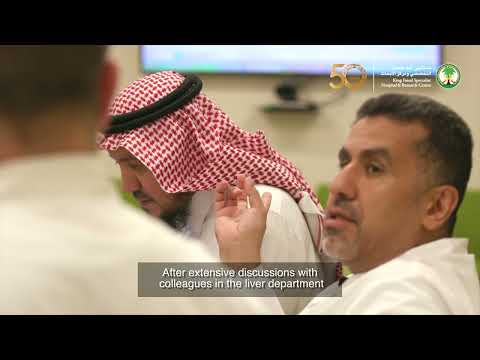
Recognizing the limitations of lifelong medication, the clinical team at King Faisal Specialist Hospital convened a multidisciplinary conference involving hepatologists, transplant surgeons, hematologists, and genetic specialists. As highlighted at [01:36], after extensive consultations and ethical reviews, the clinical board formulated an innovative strategy: performing a living-donor liver transplant to replace Rahaf's deficient hepatic tissue with healthy, enzyme-producing liver tissue.
The success of this radical approach depended on finding a fully compatible donor. Rahaf's twin sister, Raghad, stepped forward as a living donor, undergoing comprehensive clinical, metabolic, and genetic evaluations. The donor screening process verified that Raghad possessed normal hepatic function and healthy PLG gene expression, ensuring that her donated liver segment would produce sufficient plasminogen post-transplantation while keeping her own health entirely safe.
Living-donor liver transplantation (LDLT) offers immense immunological and logistical advantages over deceased-donor organ placement. Utilizing a living donor allows surgical teams to meticulously schedule the procedure, optimize pre-operative health, and minimize cold ischemia time—the duration the organ remains outside the human body without blood supply. When combined with the close genetic similarity of twin sisters, living donation significantly reduces the risk of graft rejection and enhances long-term organ survival.
Clinical Advantages of Living-Donor Liver Transplantation in Metabolic Disorders:
- Immediate Enzyme Restoration: The healthy transplanted hepatic tissue begins synthesizing missing plasma proteins instantly upon reperfusion.
- Minimal Cold Ischemia Time: Direct side-by-side surgical suites ensure the donor graft is revascularized within minutes, maximizing tissue viability.
- Optimal Donor-Recipient Matching: Familial genetic alignment reduces immunological friction and optimizes long-term graft acceptance.
- Elective Surgical Timing: Surgery can be performed when the patient is in optimal physical condition, reducing perioperative complications.
- Elimination of Waiting List Mortality: Bypasses the uncertain timeline of organ allocation waitlists, preventing further disease progression.
Surgical Breakthrough, Clinical Outcomes, and Rapid Recovery
The living-donor liver transplant was executed with precision by the surgical department at King Faisal Specialist Hospital. The complex procedure involved harvesting a healthy liver segment from Raghad and transplanting it into Rahaf, connecting intricate biliary networks, hepatic arteries, and portal veins. The surgical intervention proceeded smoothly, without perioperative complications for either donor or recipient.
The post-operative clinical results were immediate and extraordinary. As documented by Dr. Al-Zahrani at [01:46], within just three to four days following surgery, Rahaf's circulating plasminogen enzyme levels returned to completely normal physiological ranges. The newly transplanted liver segment began synthesizing and secreting functional plasminogen into her bloodstream immediately, completely clearing the underlying systemic deficiency.
This rapid enzymatic normalization provided an absolute clinical cure for Rahaf's lifelong condition. For the first time in 20 years, she was completely liberated from the need for thrice-weekly factor infusions and daily eye drops. At [02:27], Rahaf expressed her profound gratitude to her sister Raghad for her life-saving gift, confirming that she has regained her energy, health, and vitality. Both sisters experienced an uncomplicated recovery, with Raghad's liver regenerating to full functional capacity within weeks.
Post-Transplant Clinical Milestones:
- Rapid Enzymatic Normalization: Plasma plasminogen concentrations reached 100% normal range within 72 to 96 hours post-surgery.
- Complete Cessation of Medication: Full withdrawal of intravenous plasminogen concentrates and specialized ophthalmic solutions.
- Resolution of Mucosal Lesions: Complete clearance of chronic fibrin deposits and prevention of new lesion formation across all organ systems.
- Full Donor Recovery: Complete liver tissue regeneration and rapid return to normal physical activity for donor sister Raghad.
- Restoration of Normal Life: Reintegration of Rahaf into social, educational, and family activities without chronic medical restrictions.
A World-First Medical Landmark in Rare Disease Treatment
The successful transplantation performed at King Faisal Specialist Hospital represents a historic milestone in international hepatology and genetic medicine. As emphasized at [02:00], the uniqueness of this accomplishment extends far beyond the technical mechanics of living-donor organ transplantation. This intervention stands as the first documented case anywhere in the world where living-donor liver transplantation was successfully utilized to cure severe plasminogen deficiency.
Historically, organ transplantation has been reserved primarily for end-stage liver failure, cirrhosis, or acute hepatic malignancies. However, this clinical success establishes a vital medical precedent: utilizing gene-corrective liver transplantation as a definitive cure for metabolic enzyme deficiencies, even when the native liver shows no structural cirrhosis. By viewing the liver as an endocrine and metabolic engine, transplant surgeons can treat metabolic disorders at their biological source.
This world-first achievement expands the therapeutic boundary for Rare Disease Care in Saudi Arabia, proving that complex genetic disorders can be cured permanently through innovative surgical strategies. The success of Rahaf's procedure offers hope to thousands of international patients suffering from rare metabolic conditions, demonstrating that lifelong palliative management can be superseded by definitive, curative surgical solutions.
Excellence in Saudi Arabian Healthcare and Research Infrastructure
The groundbreaking success achieved in Rahaf's case underscores the advanced clinical infrastructure and surgical expertise available within Saudi Arabia's tertiary healthcare ecosystem. As expressed by Rahaf's family at [00:52], national healthcare institutions receive immense support from leadership, enabling hospitals to adopt cutting-edge medical technologies, establish world-class research laboratories, and deliver uncompromised patient care.
King Faisal Specialist Hospital has positioned itself as a world-renowned medical center for complex organ transplantation, clinical genomics, and specialized oncology. The institution combines multidisciplinary medical boards, advanced intensive care units, specialized transplant surgical suites, and dedicated translational research centers. This integrated environment ensures that rare genetic conditions are diagnosed rapidly and managed with the highest international standards of safety and clinical excellence.
The institutional capability to perform advanced procedures such as living-donor liver transplantation highlights the growing prominence of Rare Disease Treatment in Riyadh Saudi Arabia. Patients from across the Middle East and the global community increasingly look to Riyadh as a center of medical excellence capable of delivering curative solutions for medical conditions once considered untreatable.
Pillars of Healthcare Excellence at King Faisal Specialist Hospital:
- Multidisciplinary Care Teams: Seamless integration of hepatologists, transplant surgeons, geneticists, hematologists, and specialized nurses.
- World-Leading Transplant Programs: Decades of institutional experience in robotic surgery, living-donor liver transplantation, and pediatric organ care.
- Advanced Diagnostic Genomics: State-of-the-art genetic sequencing and metabolic profiling for rapid diagnosis of rare inherited disorders.
- State-of-the-Art Surgical Suites: Fully equipped operating rooms designed specifically for complex living-donor organ retrievals and implantations.
- Patient-Centered Support Systems: Comprehensive post-operative care, rehabilitation services, and long-term donor and recipient monitoring programs.
The Future of Genetic, Metabolic, and Organ Transplant Care
The successful outcome of Rahaf's case marks a paradigm shift in how clinicians approach genetic and metabolic diseases globally. Traditionally, genetic metabolic defects were managed through lifelong replacement therapies, specialized dietary restrictions, or symptomatic drug regimens. However, as living-donor surgical techniques advance and perioperative safety profiles continue to improve, surgical gene replacement via organ transplantation is emerging as a preferred definitive option for select metabolic conditions.
Looking toward the future, the integration of advanced molecular diagnostics, personalized gene therapies, and innovative organ transplant protocols will redefine standard care for complex conditions. Hospitals leading this clinical revolution demonstrate that interdisciplinary collaboration can overcome biological barriers once thought insurmountable. Rahaf's journey from 20 years of chronic illness to complete health serves as a beacon of hope for patients worldwide, proving that science, medical dedication, and familial love can rewrite the future of rare disease care.
Seeking Advanced Rare Disease Care in Saudi Arabia?
PlacidWay Medical Tourism connects patients worldwide with top-tier medical institutions and world-renowned specialists for Rare Disease Care in Saudi Arabia. Discover advanced living-donor organ transplantation, specialized genetic therapies, and comprehensive medical care today.
GET A FREE QUOTEView Full Video Transcript
[00:00:01] [Music]
[00:00:06] Patient: For 20 years, I couldn't live a normal life like other children.
[00:00:24] Speaker: Rahaf had suffered from several medical conditions since birth, and she had difficulty living her life and coping with them since childhood. She couldn't breastfeed, and she cried constantly.
[00:00:39] Mother: Then, by the grace of God, He made it possible for us to meet Dr. Hazza Al-Zahrani, may God reward him. He began considering a liver transplant, and we became hopeful. We thank God for making this operation possible for her.
[00:00:52] Mother: We thank the Custodian of the Two Holy Mosques, the Crown Prince, and the Minister, and we thank the administration of King Faisal Specialist Hospital.
[00:01:00] Dr. Hazza Al-Zahrani: She was diagnosed with a very rare condition called plasminogen deficiency, a deficiency of one of the clotting factors that is very important and is produced by the liver. After the diagnosis, a treatment called plasminogen concentrate was provided. It was administered intravenously three days a week, along with eye drops, and the patient needed this treatment for the rest of her life.
[00:01:26] Dr. Hazza Al-Zahrani: Unfortunately, as she grew older and gained weight, the treatment became less effective. This treatment cost the hospital 6 million Saudi Riyals and a half annually.
[00:01:37] Dr. Hazza Al-Zahrani: After a meeting and lengthy discussion with our colleagues in the liver department, we agreed to perform a liver transplant using a donation from her twin sister. By the grace of God, after a complex operation, within three to four days, Rahaf's enzyme levels became normal, and she was completely cured of this disease and began living her life normally, by the grace of God.
[00:02:00] Dr. Hazza Al-Zahrani: The unique thing here is not really the transplant procedure technically, but also performing a living-donor transplant, which provides more indications for transplantation. And we are very happy that the patient is doing well and that her father is very happy about it. So, we can say that this was the first case in the world ever performed.
[00:02:27] Rahaf: I would like to thank my sister, Raghad, for her donation. And thank God, after the donation, I began to regain my health, and God willing, I will regain my full health.














Share this listing