


The Comprehensive Guide to Addiction and Wellness Recovery at a Costa Rica Treatment Center
Overcoming substance abuse is one of the most challenging battles a person can face. Finding the right environment to heal is absolutely critical for achieving long-term sobriety. For many individuals, standard domestic rehabilitation facilities simply do not offer the personalized care or environmental reset needed to break the cycle of addiction.
Choosing a premier Costa Rica treatment center for addiction and wellness recovery in San Jose provides a transformative healing experience. By combining evidence-based medical treatments with holistic wellness practices in a serene, tropical environment, patients can completely rebuild their lives. Watch to discover why traveling abroad for substance abuse treatment is becoming the gold standard for lasting recovery.
Video Chapters & Quick Navigation
- The Need for Environmental Change
- Why Choose San Jose, Costa Rica?
- Comprehensive Medical Detoxification
- Evidence-Based Psychological Therapies
- Integrating Holistic Wellness Practices
- Dual Diagnosis and Co-Occurring Disorders
- Cost Analysis of Rehab Abroad
- A Typical Day in Residential Rehab
- Long-Term Aftercare Planning
The Paradigm Shift: Why Environmental Change is Crucial for Addiction Recovery
For decades, the standard approach to treating drug and alcohol addiction involved checking into a local rehabilitation facility. While this method works for some, a significant percentage of individuals find themselves caught in a revolving door of relapse. The primary reason for this failure is the inability to escape immediate environmental triggers.
When a patient remains in their home city or state, they are constantly surrounded by the subconscious cues that fueled their substance abuse. This can include specific neighborhoods, social circles, or even the underlying stress of their daily routine. Removing the patient from these entrenched triggers is often the first necessary step toward meaningful neuroplasticity and behavioral change.
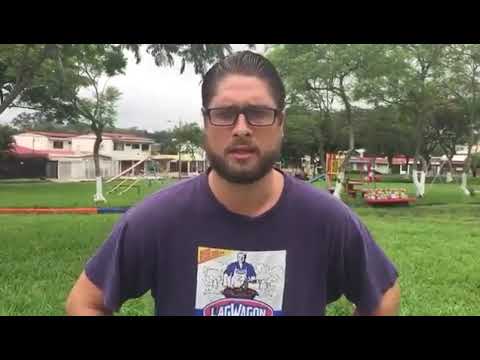
As highlighted in the video at , stepping onto an airplane and traveling to a Costa Rica treatment center acts as a powerful psychological reset. It signals to the brain that a profound, undeniable change is occurring. This geographical separation provides the safety and mental clarity required to begin the arduous process of emotional and physical healing.
Why San Jose, Costa Rica is the Ultimate Healing Destination
Costa Rica has long been celebrated as one of the most biodiverse and peaceful nations on the planet. It is famously known for its "Pura Vida" (Pure Life) philosophy, a cultural mindset that prioritizes happiness, community, and living in harmony with nature. This intrinsic cultural calm provides the perfect backdrop for individuals suffering from the chaotic turbulence of severe addiction.
World-Class Medical Infrastructure
While the natural beauty of Costa Rica is undeniable, it is the country's robust healthcare system that makes it a prime destination for medical tourism. San Jose, the nation's capital, is home to internationally accredited hospitals and highly specialized psychiatric professionals. Many of the lead clinicians and addiction specialists operating in San Jose have received extensive training in the United States or Europe.
Choosing a residential rehab facility in San Jose means patients do not have to sacrifice medical quality for a serene environment. The medical teams utilize the exact same diagnostic tools, pharmacological interventions, and psychological frameworks found in top-tier North American facilities. Patients receive world-class care in a highly regulated, safe, and professional clinical setting.
The Healing Power of Nature
Research consistently demonstrates that immersion in natural environments significantly reduces cortisol levels and alleviates symptoms of depression and anxiety. Costa Rica's lush rainforests, mountainous landscapes, and temperate climate offer year-round opportunities for outdoor therapy. This natural exposure is vital for patients whose neurotransmitters have been severely depleted by chronic substance abuse.
Sunlight exposure in Costa Rica also helps regulate circadian rhythms, which are almost always disrupted during active addiction. Restoring healthy sleep patterns is a fundamental building block of early recovery. The natural sunlight promotes healthy Vitamin D synthesis, which plays a direct role in mood stabilization and overall immune system recovery.
Phase One: Comprehensive Medical Detoxification Protocol
The journey to long-term sobriety must always begin with a safe and clinically managed detoxification process. Attempting to detox from substances like alcohol, benzodiazepines, or opioids without medical supervision is not only incredibly painful but can be physically dangerous. Seizures, severe dehydration, and delirium tremens are highly real risks during unmanaged withdrawal.
24/7 Clinical Monitoring and Support
At a premier Costa Rica treatment center, as discussed at , the detoxification phase is handled with the utmost care and clinical precision. Patients are placed under 24/7 nursing supervision. Vitals are monitored constantly to ensure physical stability as the body purges accumulated toxins.
Physicians may utilize specialized, FDA-approved medications to mitigate the severity of withdrawal symptoms and reduce intense psychological cravings. The goal of medical detox is to make the patient as physically comfortable as possible. Only when the physical dependence is safely managed can the patient effectively engage in the psychological work of rehabilitation.
Nutritional Replenishment During Detox
Chronic substance abuse severely compromises the body's ability to absorb essential vitamins and minerals. During the detox phase in San Jose, patients receive targeted intravenous (IV) therapy and custom nutritional plans to aggressively replenish these deficits. High doses of B-vitamins, magnesium, and amino acids are often administered to support central nervous system repair.
This biological repair is crucial because a malnourished brain cannot effectively process complex trauma therapy. By focusing on rapid physical stabilization and cellular hydration, the treatment center ensures the patient regains the cognitive stamina required for the intensive therapy phases that follow.
Core Pillar: Evidence-Based Psychological Therapies
Detoxification simply removes the drugs or alcohol from the physical body; it does not cure addiction. The true work of recovery lies in identifying and resolving the deep-seated psychological wounds, traumas, and behavioral patterns that drove the substance abuse in the first place. Costa Rican rehab centers employ a rigorous, multi-disciplinary therapeutic approach.
Cognitive Behavioral Therapy (CBT) and Dialectical Behavior Therapy (DBT)
Cognitive Behavioral Therapy (CBT) is a cornerstone of effective addiction treatment. It teaches patients how to identify cognitive distortions—flawed ways of thinking that lead to negative emotions and destructive behaviors. By recognizing these triggers, patients learn to interrupt the automatic response that traditionally led to drug or alcohol use.
Dialectical Behavior Therapy (DBT) is similarly heavily utilized, particularly for patients struggling with severe emotional dysregulation. DBT focuses on teaching distress tolerance, emotional regulation, and mindfulness. These practical, highly actionable skills empower patients to cope with intense stress without relapsing into substance abuse.
Trauma-Informed Care and EMDR Therapy
A staggering majority of individuals suffering from chemical dependency have an underlying history of unresolved trauma. This can range from childhood abuse to severe adult stressors. Top-tier treatment centers in Costa Rica utilize trauma-informed care protocols to ensure patients feel profoundly safe while unpacking these painful memories.
Eye Movement Desensitization and Reprocessing (EMDR) is frequently offered as a specialized modality. As noted at in the video, EMDR helps the brain reprocess traumatic memories so they no longer evoke a paralyzing emotional response. By healing the root trauma, the necessity to self-medicate with narcotics or alcohol is drastically reduced.
Integrating Holistic Wellness Practices into Clinical Recovery
What truly sets a Costa Rica treatment center apart from a clinical hospital ward in the United States is the seamless integration of holistic wellness. True recovery involves healing the mind, the body, and the spirit simultaneously. Modern addiction science now recognizes that holistic therapies are not just "extras," but vital components of long-term neuro-recovery.
Yoga, Mindfulness, and Meditation
Daily mindfulness practices, including guided meditation and restorative yoga, are woven directly into the clinical schedule. These practices are scientifically proven to increase gray matter in the brain's prefrontal cortex, which governs decision-making and impulse control. For an addict in early recovery, strengthening impulse control is a matter of life and death.
Yoga also helps patients reconnect with their physical bodies. Many individuals arrive at treatment completely disassociated from physical sensations due to years of numbing themselves with substances. Gentle, somatic movement therapies allow them to safely inhabit their bodies once again, processing stress physically rather than chemically.
Nutritional Psychiatry and Fitness
The food provided at these wellness centers is carefully curated to support brain health. Menus are designed around anti-inflammatory whole foods, fresh tropical fruits, lean proteins, and complex carbohydrates. Repairing the gut microbiome is heavily emphasized, as the gut produces the vast majority of the body's serotonin and dopamine.
Physical fitness is also utilized as a primary therapeutic tool. Whether it is hiking through the Costa Rican cloud forests, swimming, or engaging in personal training sessions, regular exercise stimulates natural endorphin production. This natural high helps combat the severe anhedonia (inability to feel pleasure) that often accompanies the first few months of sobriety.
Mastering Dual Diagnosis and Co-Occurring Disorders
It is exceedingly rare for addiction to exist in a vacuum. The vast majority of patients present with co-occurring mental health disorders, a condition known clinically as a dual diagnosis. This means the patient is battling substance abuse alongside clinical depression, generalized anxiety disorder, bipolar disorder, or severe PTSD.
Treating the addiction while ignoring the underlying psychiatric condition is a guaranteed recipe for relapse. If the depression remains untreated, the patient will inevitably return to alcohol or drugs to manage their psychic pain. Costa Rica treatment centers are uniquely equipped to handle complex dual diagnosis cases.
Psychiatrists on staff conduct comprehensive psychological evaluations upon intake. They then formulate a highly individualized treatment plan that aggressively addresses both conditions simultaneously. Medication management for psychiatric disorders is carefully monitored to ensure non-addictive, supportive pharmacological protocols are utilized.
Cost Analysis: Affordable Luxury Rehab in Costa Rica vs. North America
One of the most significant barriers to receiving high-quality addiction treatment in the United States or Canada is the exorbitant cost. A high-end, 30-day inpatient residential program in California or Florida can easily cost between $40,000 and $80,000 out-of-pocket. This financial burden prevents millions of families from accessing the life-saving care they desperately need.
Costa Rica has disrupted this medical monopoly by offering equivalent, and often superior, residential treatment for a fraction of the cost. The lower cost of living, reduced administrative bloat, and favorable exchange rates allow Costa Rican facilities to keep prices exceptionally reasonable without cutting any clinical corners.
| Treatment Feature (30-Day Program) | United States (Average) | Costa Rica (Average) |
|---|---|---|
| Standard Inpatient Cost | $35,000 - $60,000 | $8,000 - $15,000 |
| Medical Detoxification | Extra $5,000 - $10,000 | Often Included in Package |
| 1-on-1 Therapy Hours | 1-2 Hours per Week | 3-5 Hours per Week |
| Holistic Therapies (Yoga/Massage) | Billed Separately | Fully Integrated |
As detailed at in the video, patients can secure a 90-day extended care program in Costa Rica for less than the cost of a standard 30-day program in the United States. This economic advantage is crucial, as clinical data proves that longer stays in residential treatment yield drastically higher success rates for long-term sobriety.
What to Expect: A Typical Day in Residential Addiction Treatment
Structure and routine are the antidotes to the chaos of active addiction. When a patient enters a Costa Rica treatment center, their daily life is meticulously scheduled to maximize therapeutic benefit. This rigid yet supportive structure eliminates decision fatigue and allows the brain to focus entirely on healing and self-discovery.
Mornings typically begin early with holistic grounding practices. A patient might wake up at 7:00 AM for a guided sunrise meditation overlooking the Central Valley, followed by a nutrient-dense, chef-prepared breakfast. The morning is then dedicated to intense psychological work, often starting with a one-on-one psychoanalysis session with a lead therapist.
Afternoons shift toward group dynamics and educational seminars. Group therapy is a vital component of recovery, as it shatters the isolation and shame that addicts carry. Hearing peers share similar struggles fosters deep empathy and accountability. Late afternoons are reserved for physical wellness, such as art therapy, fitness training, or equine-assisted therapy. Evenings conclude with 12-step or SMART recovery meetings, ensuring the patient is grounded before resting.
Relapse Prevention and Comprehensive Aftercare Planning
Completing a 30, 60, or 90-day program in Costa Rica is an incredible milestone, but it is only the beginning of a lifelong journey. The transition back to regular life is a highly vulnerable period. Top rehabilitation centers recognize this and place immense focus on creating ironclad aftercare plans before the patient ever boards a flight home.
Building a Sober Support Network
Discharge planning involves coordinating with local therapists, psychiatrists, and sober living homes in the patient's home city. The Costa Rican clinical team ensures a seamless handoff of medical records and treatment notes. This guarantees that the progress made in San Jose is continuously built upon once the patient returns to their standard environment.
Telehealth and Alumni Support
To further bridge the gap, many Costa Rica treatment facilities offer robust telehealth programs. Patients can continue weekly virtual therapy sessions with the exact same counselors they bonded with during their inpatient stay. Alumni networks also provide ongoing peer support, allowing graduates to stay connected via weekly zoom meetings and annual alumni retreats.
Addiction does not have to be a permanent life sentence. By stepping outside of their comfort zone and embracing the comprehensive, holistic, and medical excellence available in Costa Rica, individuals can fundamentally rewrite their futures. Healing is entirely possible, and a life of vibrant, joyful sobriety is waiting to be claimed in San Jose.
Ready to Reclaim Your Life in Costa Rica?
Take the first step toward lasting sobriety. PlacidWay connects you with globally accredited, luxury addiction treatment centers in San Jose, Costa Rica. Our patient coordinators handle all the travel logistics, facility admissions, and treatment planning so you can focus entirely on your healing journey.
REQUEST FREE REHABILITATION INFO







.png)









Share this listing