
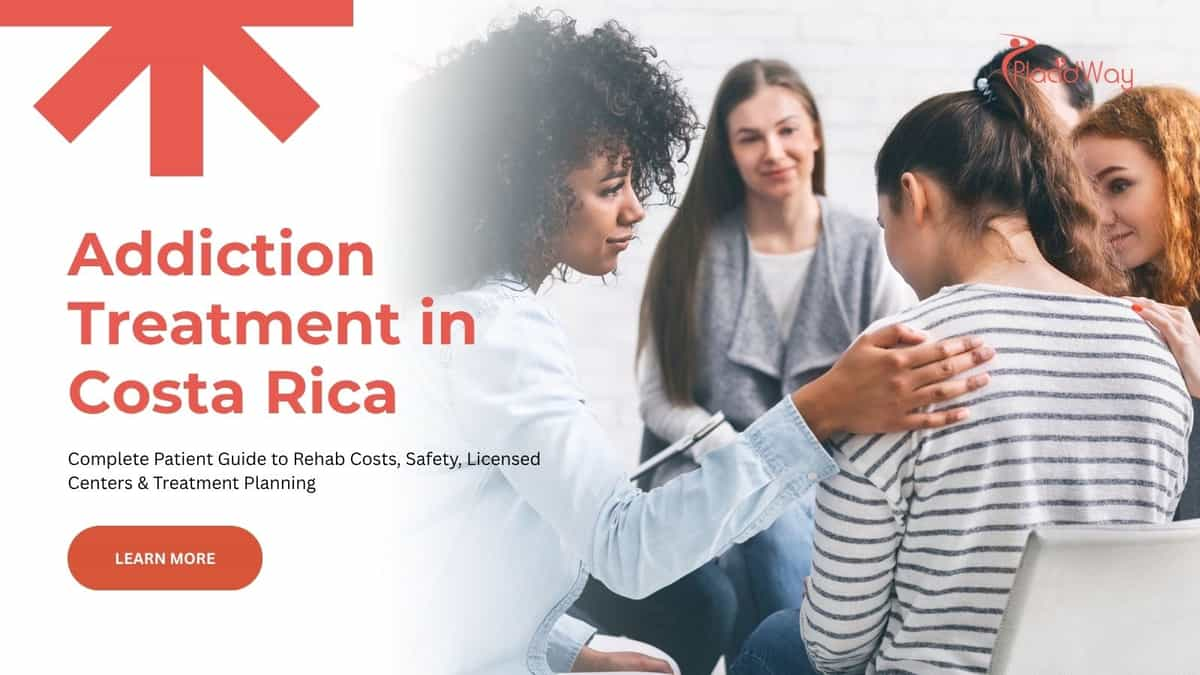
Finding the right environment for recovery is one of the most important healthcare decisions you will ever make. Many international patients explore inpatient addiction treatment centers in Costa Rica to access intensive, confidential, and specialized therapies away from daily triggers. This guide will help you understand treatment options, compare estimated costs, and identify crucial regulatory certifications from the Costa Rican Ministry of Health to ensure your safety. By evaluating credentials and clinical protocols, you can confidently choose a specialized medical team dedicated to your long-term recovery.
Quick Answer Summary: What to Know Before You Travel
- Estimated Cost: Typically ranges from $4,000 to $15,000+ per month, depending on the facility, amenities, and level of medical care required.
- Safety Overview: Costa Rica has a regulated healthcare system; reputable facilities must hold current operating permits from the Ministerio de Salud (Ministry of Health).
- Ideal Candidate: Individuals seeking intensive residential care, privacy, dual-diagnosis treatment, and a trigger-free environment away from home.
- Recovery Time: Most inpatient programs require a 30 to 90-day commitment, followed by structured aftercare and outpatient support.
- Main Reason Patients Choose Costa Rica: A combination of highly qualified bilingual medical staff, integrated holistic therapies, strict privacy, and comprehensive care at a lower cost than many North American facilities.
- Important Caution: Always verify that the center holds specific certification from IAFA (Instituto sobre Alcoholismo y Farmacodependencia) and provides 24/7 on-site medical supervision during the detoxification phase.
Why International Patients Choose Costa Rica for Rehabilitation
Leaving your home environment is often a strategic clinical decision in addiction recovery. Traveling removes you from immediate stressors, known triggers, and negative social circles. Costa Rica has emerged as a preferred destination for behavioral health and addiction treatment due to its advanced medical infrastructure and therapeutic environments.
Patients from the United States, Canada, and Europe frequently travel to Costa Rica for rehabilitation. The integration of evidence-based clinical psychiatry with restorative natural environments provides a unique setting for healing. Compared to treating substance use disorders in their home countries, patients often find more personalized, intensive care models here.
Primary reasons individuals travel to Costa Rica for treatment include:
- Significantly lower costs for luxury, private, or extended inpatient care compared to the US or Canada.
- High levels of privacy, anonymity, and confidentiality away from professional or social circles.
- Access to bilingual, board-certified psychiatrists and addiction specialists.
- Therapeutic environments that integrate nature, reducing cortisol levels and supporting nervous system regulation.
- Strict national oversight for registered behavioral health facilities.
Understanding the Medical Detoxification Process
Detoxification is the crucial first step in addiction treatment. It involves clearing the body of harmful substances while managing acute withdrawal symptoms. Because withdrawal can cause severe physical and psychological complications, medical supervision is strictly required.
Depending on your diagnosis, withdrawal symptoms can range from mild discomfort to life-threatening emergencies, such as seizures or delirium tremens in the case of severe alcohol dependence. Licensed facilities in Costa Rica utilize Medication-Assisted Treatment (MAT) protocols to stabilize your physiological state safely.
Clinical Warning: Never attempt detoxification from alcohol, benzodiazepines, or heavy opioids without medical supervision. Always ensure your chosen clinic has a dedicated medical detox unit with 24/7 nursing care.
During detox, doctors monitor your vital signs, hydration levels, and neurological status. Medications may be prescribed to alleviate anxiety, reduce cravings, and prevent medical complications. Once stabilization is achieved, you can safely transition into the therapeutic phases of the program.
Types of Substance Use Disorders Treated
Rehabilitation centers in Costa Rica are equipped to manage a wide spectrum of substance use disorders. Treatment protocols vary significantly depending on the specific substance, the duration of use, and the presence of any co-occurring disorders.
Comprehensive clinical assessments are performed upon admission. Your medical team will evaluate your physical health, psychiatric history, and substance use patterns to develop a personalized treatment plan.
| Substance Type | Common Withdrawal Symptoms | Standard Treatment Approach |
|---|---|---|
| Alcohol | Tremors, anxiety, elevated heart rate, seizures | Supervised medical detox, MAT, long-term cognitive therapy |
| Opioids (Prescription & Illicit) | Muscle aches, nausea, intense cravings, insomnia | Tapering protocols, MAT (e.g., Buprenorphine), relapse prevention |
| Stimulants (Cocaine, Meth) | Severe depression, fatigue, paranoia, sleep disruption | Psychiatric stabilization, dopamine regulation support, behavioral therapy |
| Benzodiazepines | Panic attacks, sensory distortion, risk of seizures | Strict medical tapering over weeks/months, anxiety management |
Therapeutic Approaches and Clinical Psychology
Effective addiction treatment extends far beyond physical detox. The core of recovery lies in identifying the root causes of substance use and rewiring behavioral patterns. Costa Rican rehab centers employ evidence-based psychological therapies administered by licensed clinical psychologists.
Cognitive Behavioral Therapy (CBT) is widely utilized to help you recognize and alter negative thought patterns that lead to substance use. Dialectical Behavior Therapy (DBT) is often incorporated to teach emotional regulation and distress tolerance skills. In many cases, trauma is a major underlying factor in addiction.
To address trauma, clinics frequently offer Eye Movement Desensitization and Reprocessing (EMDR) or specialized trauma-informed care. Group therapy and individual counseling sessions provide structured environments to process emotions, build coping mechanisms, and develop a sustainable recovery mindset.
Managing Dual Diagnosis and Co-occurring Disorders
It is incredibly common for substance use disorders to co-occur with mental health conditions such as depression, anxiety, PTSD, or bipolar disorder. This is known as a dual diagnosis. Treating the addiction without addressing the underlying psychiatric condition typically results in high relapse rates.
Inpatient centers in Costa Rica prioritize dual diagnosis treatment. Psychiatrists work alongside addiction counselors to ensure that both conditions are treated simultaneously. Your doctor may recommend specific psychiatric medications alongside behavioral therapies to stabilize your mental health.
Integrated treatment requires a highly qualified multidisciplinary team. When choosing a facility, verify that they have board-certified psychiatrists on staff who specialize in co-occurring disorders, rather than relying solely on addiction counselors.
Cost of Addiction Treatment in Costa Rica vs Home Countries
Affordability is a major factor driving medical travel for rehabilitation. Inpatient care in North America can be prohibitively expensive, especially for extended stays or luxury facilities. Costa Rica offers comprehensive, high-quality care at a fraction of the cost.
Treatment costs in Costa Rica vary based on the length of stay, the need for medical detox, and the level of amenities provided. Basic residential programs are more affordable, while luxury centers offering private villas, specialized holistic treatments, and one-on-one psychiatric care sit at the higher end of the spectrum.
| Treatment Type (30-Day Program) | Estimated Cost in US/Canada | Estimated Cost in Costa Rica |
|---|---|---|
| Standard Inpatient Rehab | $15,000 - $25,000 | $4,000 - $8,000 |
| Executive / Luxury Rehab | $30,000 - $80,000+ | $10,000 - $25,000 |
| Medical Detox (7-10 Days) | $5,000 - $10,000 | $2,000 - $4,500 |
When requesting quotes, always ask for an itemized breakdown. Clarify if the cost includes medical detox, psychiatric evaluations, aftercare planning, and accommodation. Understanding what is included in the package prevents unexpected expenses during your stay.
Evaluating Patient Demographics and Travel Trends (2024–2026 Data)
The landscape of cross-border healthcare for behavioral health has expanded rapidly. Recent 2024 data indicates a steady flow of international patients utilizing Costa Rica's wellness and rehabilitation infrastructure. Understanding patient demographics helps illustrate who is traveling for care and why.
Data reflects that the majority of inbound patients for behavioral health programs fall within the 25 to 54 age range, seeking interventions for chronic stress, dual diagnosis, and substance dependency. A significant percentage originates from North America, driven by the desire for immediate admission and specialized therapeutic environments.
Age Demographics of International Behavioral Health Patients in Costa Rica (2024)
Quarterly Growth in Wellness & Rehab Medical Travel to Costa Rica (2024-2025 Index)
Choosing a Licensed Rehab Center in Costa Rica
Your safety and treatment success depend heavily on selecting a properly licensed facility. Costa Rica has a robust regulatory framework for healthcare and behavioral health institutions. Do not rely solely on internet marketing or luxurious website photos to make your decision.
Every legitimate addiction treatment center must hold an active operating permit (Permiso de Funcionamiento) issued by the Ministerio de Salud (Ministry of Health). Furthermore, specialized substance abuse facilities should be recognized by IAFA (Instituto sobre Alcoholismo y Farmacodependencia), the national authority overseeing addiction treatment standards.
Verification Tip: When communicating with a clinic, ask them directly for their Ministry of Health registration number and IAFA certification status. Reputable clinics will provide this information immediately.
While international accreditations such as JCI (Joint Commission International) or CARF (Commission on Accreditation of Rehabilitation Facilities) are excellent markers of quality, they are not legally required in Costa Rica. Focus first on national regulatory compliance before looking at international seals of approval.
Evaluating Your Doctors and Clinical Therapists
A beautiful facility cannot compensate for an unqualified medical team. The credentials of the doctors, psychiatrists, and therapists managing your care are paramount. Multidisciplinary teams typically yield the best clinical outcomes in addiction medicine.
Medical doctors and psychiatrists must be registered with the Colegio de Médicos y Cirujanos de Costa Rica (College of Physicians and Surgeons). Psychologists must be licensed by the Colegio de Profesionales en Psicología de Costa Rica. These national medical boards ensure that professionals have met rigorous educational and ethical standards.
What to Ask the Clinic
- Who will oversee my medical detox?
- Are the psychiatrists board-certified in Costa Rica?
- What is the staff-to-patient ratio?
- Is nursing care available 24/7?
Red Flags to Avoid
- Guarantees of a "100% cure" or "permanent recovery".
- Refusal to provide medical licensing numbers.
- Programs led only by "coaches" without clinical licenses.
- Lack of a structured aftercare plan.
The Role of Nature and Holistic Therapies in Recovery
One of the primary differentiators of seeking treatment in Costa Rica is the integration of nature into the clinical model. Environmental psychology demonstrates that exposure to natural settings significantly reduces sympathetic nervous system arousal, lowering stress and anxiety.
Many facilities supplement traditional psychotherapy with holistic modalities. These may include equine-assisted therapy, mindfulness meditation, yoga, and adventure therapy. These activities help rebuild physical strength, improve self-esteem, and teach patients how to experience pleasure naturally without chemical stimulation.
While holistic therapies are highly beneficial, they must complement, not replace, evidence-based psychiatric care. The safest and most effective programs use these activities as adjunctive treatments within a structured medical framework.
Inpatient vs Outpatient Rehabilitation Programs
Understanding the level of care you need is critical. Costa Rica offers both inpatient (residential) and outpatient treatment models. For international medical tourists, inpatient care is almost always the standard recommendation.
Inpatient programs require you to live at the facility 24/7 for a period of 30, 60, or 90 days. This immersive environment removes access to substances, provides round-the-clock clinical support, and ensures a highly structured daily schedule. Outpatient programs, which involve attending therapy for a few hours a day while living independently, are generally not suitable for international patients in the early stages of recovery due to the risks of relapse in a foreign country.
Aftercare and Relapse Prevention Planning
Completing a 30 or 60-day rehab program is a massive achievement, but it is only the beginning of lifelong recovery. Addiction is a chronic condition, and the transition back to your home environment is a highly vulnerable period.
High-quality clinics in Costa Rica will begin developing your discharge and aftercare plan weeks before you leave. This plan typically involves coordinating with therapists or support groups in your home country. Effective relapse prevention focuses on identifying ongoing triggers, managing stress, and maintaining accountability.
Key Components of an Aftercare Plan
- Scheduled virtual counseling sessions with your Costa Rican therapeutic team.
- Referrals to outpatient psychiatric care in your home city.
- Introduction to local peer support networks (e.g., AA, NA, SMART Recovery).
- A written emergency protocol if relapse occurs.
Potential Risks and Safety Considerations
No medical treatment is entirely free of risk, and addiction rehabilitation is no exception. The most immediate physical risks occur during the detoxification phase. Inadequate medical supervision during withdrawal can lead to severe cardiac events, dehydration, or neurological emergencies.
Psychological risks include emotional distress as suppressed traumas surface during intense therapy. This is why having skilled, licensed clinical psychologists on staff is non-negotiable. Additionally, patients must consider the risk of relapse upon returning home if a solid aftercare structure is not implemented.
To mitigate these risks, thoroughly vet the clinical protocols of your chosen facility. Ensure they have transfer agreements with local, fully equipped general hospitals in case of an acute medical emergency that exceeds the clinic's capabilities.
Travel Planning and Medical Requirements
Preparing to travel for addiction treatment requires careful logistical coordination. Many patients are not in an optimal state of mind to handle complex travel arrangements, so facilities often provide medical coordinators to assist with the process.
Most citizens from the US, Canada, and Europe do not require a visa for stays up to 90 days in Costa Rica, which covers the duration of standard inpatient programs. However, your passport must be valid for at least six months beyond your arrival date.
Communicate closely with the clinic regarding your arrival. Reputable facilities provide secure, private transportation directly from Juan Santamaría International Airport (SJO) or Guanacaste Airport (LIR) to the center, ensuring patient safety from the moment of arrival.
Setting Realistic Recovery Expectations
Approaching rehabilitation with realistic expectations is vital for sustained success. Treatment in Costa Rica can provide a transformative foundation, but it is not a magical cure. Healing the brain's reward circuitry takes time, effort, and continuous behavioral practice.
You may experience periods of extreme motivation followed by days of fatigue or emotional resistance. This fluctuation is a normal biological response to brain chemistry rebalancing. Trust the clinical process, communicate honestly with your therapists, and commit entirely to the daily schedule designed by your medical team.
Frequently Asked Questions
How long does inpatient addiction treatment usually last in Costa Rica?
Most inpatient programs require a minimum commitment of 30 days. However, depending on the severity of the diagnosis and clinical recommendations, stays of 60 to 90 days are common and typically yield lower relapse rates.
Is medical detox included in the overall cost of treatment?
This varies by facility. Some clinics offer all-inclusive packages that cover medical detox, while others bill detoxification separately based on the medications and nursing care required. Always request an itemized cost breakdown.
Can I use my health insurance for rehab in Costa Rica?
Some US and Canadian health insurance policies offer out-of-network reimbursement for international care, but it is rare for them to cover the full cost upfront. You will likely need to pay out-of-pocket and submit claims for potential reimbursement.
What regulatory bodies ensure the safety of rehab centers in Costa Rica?
The Ministerio de Salud (Ministry of Health) issues operational permits, and IAFA (Instituto sobre Alcoholismo y Farmacodependencia) regulates specific protocols and standards for addiction treatment centers nationwide.
Are the therapists and psychiatrists bilingual?
Facilities catering to medical tourists prioritize hiring highly fluent bilingual staff. Your primary psychiatrist, clinical psychologist, and nursing team should speak English clearly to ensure accurate therapeutic communication.
Can family members visit during treatment?
Most centers implement a "blackout period" for the first 1-2 weeks to allow the patient to focus solely on stabilization. Afterward, virtual family therapy sessions or structured in-person visits may be arranged per the doctor's recommendation.
Do Costa Rican clinics treat dual diagnosis patients?
Yes, many licensed facilities specialize in dual diagnosis, providing integrated care for co-occurring disorders like depression, trauma, and anxiety alongside substance abuse therapy.
What happens if there is a medical emergency during detox?
Accredited residential centers are required to have stabilization protocols and transfer agreements with nearby acute-care hospitals to manage severe emergencies that cannot be handled on-site.
Is outpatient treatment recommended for international patients?
Generally, outpatient treatment is not recommended for international medical tourists during early recovery. The lack of continuous supervision and potential language/cultural barriers in a foreign setting increase the risk of relapse.
How is patient confidentiality protected?
Licensed medical facilities in Costa Rica adhere to strict national privacy laws regarding patient medical records. Luxury and specialized centers implement stringent confidentiality agreements to protect the identities of all patients.
Need Help Finding the Right Rehab Center?
Navigating international healthcare can be complex. PlacidWay can help you compare licensed providers, understand estimated treatment costs, and request essential information from certified clinics in Costa Rica.
Request Clinic InformationDisclaimer: This information is for educational purposes only and does not replace professional medical advice. Always consult a qualified healthcare provider before making medical decisions. Addiction and withdrawal can present severe physical risks; always seek immediate medical attention for acute symptoms.
References
- Regulatory Framework and Facility Permitting – Ministerio de Salud Costa Rica
- Standards for Addiction Treatment Centers – Instituto sobre Alcoholismo y Farmacodependencia (IAFA)
- Demographic and Clinical Data on Substance Use Disorders – Substance Abuse and Mental Health Services Administration (SAMHSA)
- Evidence-Based Treatment and Recovery Protocols – National Institute on Drug Abuse (NIDA)
- Medical and Wellness Tourism Travel Statistics (2024 Updates) – Instituto Costarricense de Turismo (ICT)
- Medical Board Licensing and Specialist Verification – Colegio de Médicos y Cirujanos de Costa Rica
- Clinical Psychology Licensing Standards – Colegio de Profesionales en Psicología de Costa Rica

























Share this listing