


Advanced Guide to TBI and Diabetes Care: Stem Cell Therapy in Tijuana Mexico
Living with complex chronic conditions like a traumatic brain injury or metabolic disorders can feel like navigating a maze without an exit. Conventional medicine often focuses strictly on symptom management rather than addressing the root cause of cellular damage. Today, a revolutionary medical frontier is offering renewed hope to patients worldwide.
By exploring advanced regenerative protocols, individuals are discovering profound healing opportunities. As you will see, accessing world-class Stem Cell therapy in Tijuana Mexico provides a cutting-edge, affordable pathway to repair neural pathways and restore metabolic function, completely changing the landscape of modern recovery.
Video Chapters & Quick Navigation
The Deep Interconnection Between TBI and Systemic Health
Traumatic brain injury (TBI) is universally recognized as one of the most devastating neurological conditions a person can experience. It disrupts the intricate electrical pathways of the brain, leading to cognitive decline, motor function impairment, and severe chronic fatigue. Conventional therapies typically involve rigorous physical rehabilitation and pharmaceutical interventions that merely mask symptoms like pain or depression.
Similarly, diabetes, particularly Type 2 diabetes, represents a massive systemic failure where the body loses its ability to regulate blood glucose effectively. Over time, high blood sugar levels ravage the vascular system, leading to diabetic neuropathy, organ damage, and poor tissue regeneration. As mentioned in the video at , the traditional medical approach leaves millions dependent on exogenous insulin and a lifetime of symptom management.
Interestingly, medical researchers have discovered profound links between neurological trauma and metabolic dysfunction. A severe TBI can disrupt the hypothalamic-pituitary axis, leading to hormonal imbalances that trigger or exacerbate metabolic syndromes like diabetes. This creates a vicious cycle of systemic inflammation where the brain cannot heal due to poor vascular health, and the body cannot regulate insulin due to neurological distress.
The Science of Regenerative Medicine and Mesenchymal Stem Cells
To understand why alternative therapies are gaining immense traction, we must look closely at the biological mechanics of Mesenchymal Stem Cells (MSCs). These are multipotent adult stem cells primarily sourced from ethically donated umbilical cord tissue, Wharton's Jelly, or a patient’s own bone marrow and adipose tissue. MSCs possess a unique "homing" capability, allowing them to detect signals of distress and inflammation within the human body.
When introduced into the bloodstream, these cells migrate directly to the sites of tissue damage. Once there, they do not simply turn into replacement cells. Instead, they operate as cellular managers, releasing powerful growth factors, exosomes, and cytokines. This process, known as the paracrine effect, instructs the patient's existing dormant cells to wake up and begin the repair process.
This immunomodulatory effect is critical for patients suffering from long-term chronic conditions. Chronic inflammation is the primary roadblock to healing in both TBI and diabetes. By drastically lowering systemic inflammation, MSCs create an optimal biological environment where damaged blood vessels can rebuild (angiogenesis) and damaged neural pathways can begin to reconnect.
Cellular Expansion and Potency
A key factor separating standard treatments from highly advanced regenerative protocols is cellular expansion. High-rated stem cell clinics in Tijuana utilize state-of-the-art laboratory environments to cultivate and multiply these cells into the millions. A higher cell count directly correlates to a more robust therapeutic response.
Furthermore, umbilical cord-derived MSCs are considered immune-privileged. This means they do not express the complex proteins that would normally trigger a rejection response from the patient’s immune system. Patients can safely receive these powerful regenerative cells without the need for matching blood types or utilizing dangerous immunosuppressant drugs.
Neurological Regeneration: Stem Cells for Traumatic Brain Injury
Treating a traumatic brain injury requires bypassing the highly restrictive blood-brain barrier, a physiological defense mechanism that prevents many conventional drugs from reaching damaged brain tissue. Advanced regenerative medicine for TBI in Tijuana often employs specialized delivery methods, such as intrathecal administration, where cells are injected directly into the spinal fluid. As highlighted in the presentation around , this allows the MSCs to bypass the blood-brain barrier entirely and flow directly into the cerebral environment.
Once inside the central nervous system, MSCs target microglial activation—the source of chronic neuroinflammation that prevents brain healing. By pacifying these inflammatory cells, the brain's natural neurogenesis can finally take place. Patients frequently report significant reductions in brain fog, chronic headaches, and sensory overload within weeks of treatment.
Moreover, the growth factors secreted by stem cells promote neuroplasticity. This is the brain's ability to rewire itself and form new synaptic connections around areas of dead or permanently damaged tissue. For severe TBI survivors, this can mean regaining lost speech capabilities, improving fine motor skills, and stabilizing drastic mood fluctuations that stem from frontal lobe damage.
Treating Type 2 Diabetes with Stem Cells
The application of stem cell therapy for metabolic disorders offers a paradigm shift in how we approach diabetes care. Instead of artificially forcing blood sugar down with synthetic insulin, regenerative treatments aim to restore the function of the pancreas. MSCs travel to the pancreatic islets, where beta cells reside, and stimulate the regeneration of these crucial insulin-producing cells.
Beyond pancreatic repair, stem cells profoundly impact peripheral insulin sensitivity. Many patients with Type 2 diabetes actually produce enough insulin, but their muscular and hepatic tissues have become entirely resistant to it. The systemic anti-inflammatory action of IV-administered stem cells helps to clear cellular receptor sites, allowing the body to utilize its natural insulin much more effectively.
Perhaps most importantly for long-term diabetics, stem cells promote angiogenesis—the creation of new blood vessels. Diabetic neuropathy, a painful condition that leads to limb amputations, is caused by the starvation of nerves due to damaged microvasculature. By generating new capillary networks, stem cell treatments restore blood flow to the extremities, actively reversing the pain and numbness associated with severe diabetic neuropathy.
Why Tijuana is a Global Hub for Regenerative Medical Tourism
For decades, medical tourism was primarily associated with dental work or cosmetic surgery. Today, however, Tijuana has evolved into a premier destination for highly sophisticated biotechnological treatments. The city sits directly on the United States border, making it incredibly accessible for North American patients seeking top-rated stem cell clinics without the burden of long-haul international flights.
The primary driver behind this medical migration is the regulatory environment. In the United States, the FDA heavily restricts the expansion and cultivation of stem cells. Clinics in the US are generally limited to same-day procedures using a patient's own unexpanded bone marrow or fat, which yields a drastically lower cell count and weaker therapeutic effect. Conversely, Mexico’s health regulatory body, COFEPRIS, allows for the ethical expansion of umbilical cord tissue under strict laboratory guidelines.
This means patients traveling to Tijuana can receive treatments involving 50 million to 100+ million expanded, highly potent mesenchymal stem cells. As noted at in the video guide, these state-of-the-art facilities boast modern clean rooms, highly specialized hematologists, and equipment that rivals any high-end research hospital in Europe or the United States.
Cost Breakdown: United States vs. Tijuana Mexico
The financial barrier to regenerative medicine in western countries is astronomical. Insurance companies classify these treatments as experimental, leaving patients to bear the entire financial burden out-of-pocket. Finding affordable stem cell treatment for diabetes in Mexico or TBI protocols has become a life-saving financial strategy for many families.
Because the cost of laboratory operation, medical staffing, and facility maintenance is significantly lower in Mexico, world-class clinics can pass these massive savings directly to the patient. You are not receiving a lower quality of care; you are simply benefiting from global economic scaling.
| Treatment Protocol | Average Cost (USA) | Average Cost (Tijuana, Mexico) |
|---|---|---|
| Basic IV Stem Cell Therapy (Diabetes) | $10,000 - $15,000 | $3,500 - $5,500 |
| Intrathecal + IV Protocol (Severe TBI) | $20,000 - $30,000 | $6,000 - $9,500 |
| Expanded Umbilical Cord MSCs (100 Million Cells) | Not Legally Available | $4,500 - $7,000 |
| Comprehensive 3-Day Clinic Package (Inc. Hotel/Transport) | N/A | $5,000 - $8,500 |
The Comprehensive Patient Journey in Tijuana
Choosing to travel for traumatic brain injury stem cell clinics in Tijuana is a highly organized and stress-free process when facilitated correctly. Clinics specializing in international patients offer fully comprehensive concierge medical services. From the moment you land at the San Diego International Airport, a dedicated medical chauffeur escorts you safely across the border.
Upon arrival at the medical center, patients undergo extensive blood panels, imaging, and consultations with multi-disciplinary medical teams. Unlike rushed domestic healthcare visits, doctors in Tijuana spend hours with their patients to ensure the customized cell dosage perfectly aligns with their unique medical history. This personalized attention ensures the highest probability of cellular uptake and integration.
Treatment Administration and Complementary Therapies
The actual administration of the stem cells is typically minimally invasive. For diabetic patients, the standard protocol involves a slow intravenous (IV) drip of expanded MSCs mixed with saline, which takes roughly an hour. TBI patients may undergo a brief, localized lumbar puncture by a board-certified anesthesiologist for intrathecal delivery. Both procedures are performed in sterile, comfortable environments.
To maximize the efficacy of the regenerative medicine for TBI in Tijuana, top clinics pair the cell injections with advanced complementary therapies. These often include Hyperbaric Oxygen Therapy (HBOT), which saturates the blood plasma with oxygen, creating an incredibly fertile environment for the new stem cells to survive, thrive, and begin the replication process immediately. IV nutrient therapy and exosome boosters are also heavily utilized.
Evaluating Quality, Safety, and Regulatory Compliance
When seeking medical care abroad, safety is undeniably the top priority. The distinction between an average clinic and an elite medical facility lies in their laboratory certifications and strict adherence to biological safety protocols. Patients must ensure the clinic they choose is fully licensed by COFEPRIS, the Mexican equivalent of the FDA, which rigorously oversees cellular products.
High-quality clinics provide full documentation detailing the viability, count, and origin of the stem cells being utilized. The cells are meticulously screened for infectious diseases, genetic abnormalities, and endotoxins before they ever reach the treatment room. PlacidWay connects patients exclusively with vetted, accredited medical providers who maintain transparent, internationally recognized safety standards.
- Third-Party Lab Testing: Ensuring cell viability is over 90% at the time of injection.
- Specialized Medical Staff: Treatments administered by board-certified neurologists, endocrinologists, and anesthesiologists.
- Medical Fast Pass: Expedited border crossings for a smooth, medically assisted return journey to the United States.
Taking control of your health journey doesn't mean you have to accept a permanent decline in your quality of life. Whether you are battling the cognitive shadows of a severe concussion or the relentless systemic drain of uncontrolled diabetes, regenerative medicine opens a profound new chapter of healing. The expertise, cellular potency, and cost-effectiveness found in Tijuana are fundamentally altering the way the world approaches chronic disease recovery.
Ready to Reclaim Your Health with Regenerative Medicine?
Do not let debilitating symptoms dictate your future. PlacidWay Medical Tourism connects you with top-rated, highly vetted stem cell clinics in Tijuana, Mexico. Experience world-class care, state-of-the-art facilities, and affordable treatment packages designed specifically for TBI and Diabetes recovery.
REQUEST YOUR FREE MEDICAL CONSULTATION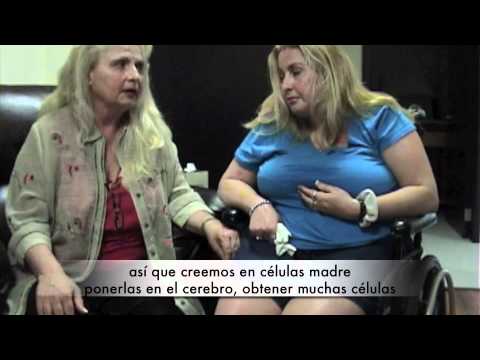















Share this listing