


Dentistry in Philippines
Achieving a flawless smile no longer requires a draining financial commitment. Cosmetic dentistry has advanced rapidly, and international patients are constantly looking for high-quality, cost-effective solutions. For individuals dealing with chipped, discolored, or slightly misaligned teeth, dental bonding presents an immediate, stunning resolution. When you combine this advanced dental technique with the economic advantages of Southeast Asia, you get a world-class healthcare experience that preserves both your dental health and your wallet.
Key Takeaways: Dental Bonding in Makati City
- Massive Cost Savings: Procedures start as low as $40 per tooth, a fraction of the $300-$600 average in the US or UK.
- Immediate Results: The entire process is usually completed in a single dental visit with no downtime required.
- Minimally Invasive: Preserves the vast majority of your natural tooth enamel compared to crowns or veneers.
- Top-Tier Professionals: Makati City hosts highly proficient, English-speaking dentists trained to international standards.
- Seamless Patient Experience: PlacidWay ensures you are matched with rigorously vetted, accredited clinics for maximum safety.
What exactly is dental bonding and how does it work?
Dental bonding relies on the application of a durable plastic material known as composite resin. This resin is chemically formulated to mimic the natural translucency, texture, and strength of human tooth enamel. Unlike extensive restorative procedures, bonding focuses on adding material to the tooth rather than grinding it down, making it an incredibly conservative approach to smile design.
The mechanics behind bonding involve a highly precise micro-mechanical retention system. The dentist first prepares the tooth surface using a mild phosphoric acid solution, which creates microscopic pores on the enamel. A liquid bonding agent is then painted onto the tooth, flowing into these pores to create a robust structural foundation.
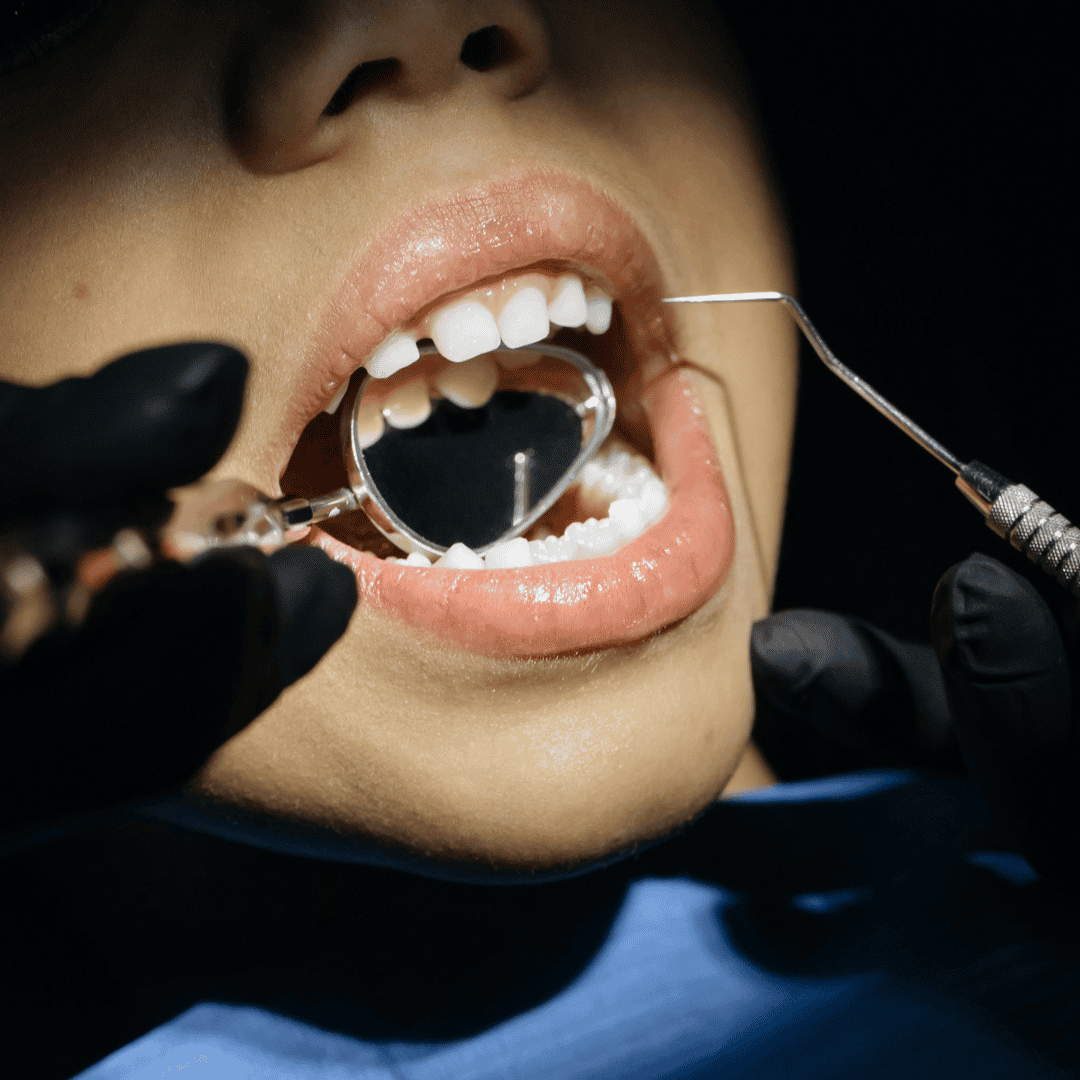
Once the foundation is set, the putty-like composite resin is layered onto the tooth. The dentist acts as a sculptor, molding the material to perfectly match the contours of the surrounding teeth. Finally, a specialized ultraviolet or blue light is utilized to trigger a chemical catalyst within the resin, curing and hardening it instantly into a permanent, functional part of your bite.
Did You Know?
The composite resins used in modern dental bonding are incredibly advanced, containing a mix of plastic (acrylic) resins and finely ground glass or quartz particles. This unique blend ensures the material can withstand the immense biting forces of the human jaw while maintaining a natural, glossy appearance.
Why is Makati City, Philippines a top choice for dental bonding?
When considering healthcare abroad, the specific city you choose is just as important as the country itself. Makati City stands out as the crown jewel of the Metro Manila region. It is recognized globally as a bustling, cosmopolitan metropolis that houses the headquarters of multinational corporations, luxury shopping centers, and, most importantly, cutting-edge medical and dental facilities.
Dentists operating in Makati City cater to both high-net-worth locals and a massive influx of international expatriates and tourists. As a result, the clinical standards in this district are exceptionally high. Clinics are frequently equipped with panoramic X-rays, 3D intraoral scanners, and strict sterilization units that rival or exceed those found in Western countries.
Furthermore, the cultural affinity for hospitality in the region ensures that patient care is incredibly compassionate. English is universally spoken in the medical community, entirely removing the anxiety of language barriers. When you undergo a procedure here, you are treated with a level of personalized attention and respect that is often lost in high-volume clinics in North America.
How does the dental bonding cost in Philippines compare to other countries?
The primary driver for seeking cosmetic dentistry abroad is the undeniable financial advantage. In countries like the United States, Australia, and the United Kingdom, overhead costs—including malpractice insurance, labor, and real estate—are astronomically high. These operational costs are directly passed onto the patient.
In contrast, a top-tier dental bonding clinic in Philippines operates with significantly lower administrative and overhead expenses. However, they still utilize the exact same globally recognized brands of composite resin (such as 3M, Ivoclar Vivadent, or Kuraray) used by your local dentist. You are paying for the material and the expertise, free from the inflated operational costs of Western healthcare systems.
| Country | Average Cost Per Tooth (USD) | Estimated Savings |
|---|---|---|
| Philippines (Makati City) | $40 - $100 | - |
| United States | $300 - $600 | Up to 83% |
| United Kingdom | $250 - $450 | Up to 77% |
| Australia | $280 - $500 | Up to 80% |
What are the primary benefits of getting dental bonding in Philippines?
- Preservation of Tooth Structure: Bonding requires little to no removal of your natural enamel, ensuring the long-term structural integrity of your teeth remains untouched.
- Immediate Transformation: Unlike aligners or lab-created veneers that take weeks, bonding provides a dramatic improvement to your smile in just a single sitting.
- Zero Language Barriers: The Philippines is one of the largest English-speaking nations in the world, allowing for clear communication regarding your cosmetic goals.
- Accessibility and Speed: Private clinics in Makati City offer flexible scheduling, meaning you bypass the notoriously long wait times found in public health systems abroad.
- Reversible Nature: Because minimal enamel is altered, the procedure is largely reversible. If you decide to upgrade to porcelain veneers in the future, the foundation of your tooth is still intact.
Are there any risks associated with dental bonding abroad?
Dental bonding is widely regarded as one of the safest procedures in the dental field. Because it rarely involves drilling into the sensitive dentin or nerve center of the tooth, the risk of infection or nerve damage is practically non-existent. However, patients must have realistic expectations regarding the physical limitations of the material.
The most common complication is mechanical damage. Composite resin is strong, but it is not as indestructible as your natural enamel or a fired porcelain crown. Biting your fingernails, chewing on pens, or using your teeth to open packaging can cause the bonded edge to chip or break away, requiring a minor touch-up visit.
Additionally, the material is susceptible to staining. Unlike porcelain, which repels pigment, composite resin can absorb colors from your diet. If you are a heavy consumer of dark sodas, coffee, or tobacco, you may notice the bonding losing its luster faster than your natural teeth. Regular oral hygiene is paramount to extending the aesthetic life of the procedure.
Expert Insight: Minimizing Stain Risks
To prevent your newly bonded teeth from staining, dental experts recommend drinking heavily pigmented beverages through a reusable straw. This simple habit bypasses the front teeth entirely, significantly prolonging the pristine, white appearance of your composite resin.
What should I expect during the dental bonding procedure in Makati City?
- Shade Selection: Your dentist will use a comprehensive shade guide to select a composite resin color that perfectly matches the natural hue of your surrounding teeth.
- Surface Preparation: The tooth is isolated and gently etched with a mildly acidic gel to create a slightly rough surface, ensuring the bonding agent grips securely.
- Applying the Agent: A specialized conditioning liquid is brushed over the etched enamel, acting as the structural glue between your tooth and the resin.
- Sculpting the Resin: The putty-like composite is applied in careful layers. The dentist uses specialized instruments to mold and smooth it into the desired anatomical shape.
- Curing and Polishing: A specialized light instantly hardens the material. The dentist will then refine the shape, check your bite alignment, and polish the surface to match the natural sheen of your enamel.
How long does dental bonding last and how can I maintain it?
The longevity of your dental bonding is largely in your hands. While the material is designed to be durable, its lifespan varies based on the mechanical stress it endures. Bonding applied to the front teeth (incisors) for cosmetic purposes generally experiences less chewing force than bonding applied to molars, and therefore often lasts longer.
To maximize the lifespan of your bonded teeth, it is crucial to establish a rigorous home care routine. Brush at least twice a day using a non-abrasive toothpaste. Abrasive whitening toothpastes containing baking soda or charcoal can create micro-scratches on the resin surface, making it look dull and more susceptible to collecting stains.
If you suffer from bruxism (the involuntary grinding or clenching of teeth, particularly at night), you must inform your dentist. They will likely recommend a custom-fitted night guard. The extreme pressure exerted during sleep grinding is one of the leading causes of premature chipping or complete failure of dental bonding materials.
How do I choose the right dental bonding clinic in Philippines?
- Verify Credentials: Ensure the dentist is officially licensed by the Philippine Dental Association and check for affiliations with international cosmetic dentistry boards.
- Examine Portfolios: Request to see real before-and-after photos of previous bonding patients to assess the dentist's artistic skill and ability to color-match seamlessly.
- Check Sterilization Protocols: Reputable clinics in Makati City proudly display their sterilization procedures, often adhering to ISO standards or Joint Commission International (JCI) guidelines.
- Read Patient Reviews: Look for independent reviews from other international patients detailing their overall experience, communication, and long-term satisfaction with the procedure.
- Technology Usage: Top-tier clinics utilize modern technology, such as digital shade mapping and high-magnification loupes, to ensure absolute precision during the bonding application.
Makati City Safety Note
The local government unit of Makati City strictly enforces health and sanitation permits. Medical and dental facilities are subjected to rigorous, unannounced inspections to ensure the highest level of patient safety and infection control is continuously maintained.
Is medical tourism in Philippines safe for dental procedures?
The concept of traveling for medical care can seem daunting, but the Philippines has heavily invested in making its healthcare sector welcoming and incredibly safe for foreigners. The Philippine Department of Health (DOH) closely regulates clinical operations, ensuring that private dental practices uphold world-class standards of patient care and facility hygiene.
Furthermore, many leading dentists in Makati City have completed extensive postgraduate training or fellowships in the United States, Europe, or Japan. This cross-pollination of medical knowledge means that the techniques, materials, and safety protocols utilized in the Philippines are identical to those you would find in any advanced Western nation.
The key to a safe experience is due diligence. By avoiding unregistered practitioners and focusing strictly on established, internationally recognized medical centers, patients virtually eliminate the risks associated with seeking healthcare abroad. The integration of advanced dental technology with stringent regulatory oversight makes the destination an incredibly secure choice.
Why Choose PlacidWay for Dental Bonding in Makati City, Philippines?
- Rigorous Clinic Vetting: PlacidWay exclusively partners with clinics that pass strict quality assurance checks, verifying dental licenses, facility accreditations, and hygiene protocols.
- Transparent Pricing: We provide clear, upfront cost estimates, ensuring you understand exactly what your dental bonding procedure will cost without hidden fees.
- Customized Treatment Plans: PlacidWay facilitates direct communication between you and the dental specialist to map out a personalized cosmetic treatment plan before you even arrive.
- Comprehensive Provider Profiles: You get access to detailed backgrounds, before-and-after galleries, and genuine patient reviews to make a highly informed decision.
- Dedicated Patient Support: Our team acts as your personal healthcare advocate, ensuring your clinical journey is smooth, communicative, and focused entirely on excellent medical outcomes.
Frequently Asked Questions
Can dental bonding ruin my natural teeth?
No, dental bonding does not ruin your natural teeth. In fact, it is one of the most conservative and minimally invasive cosmetic dental procedures available. Unlike veneers or crowns, which require the removal of significant amounts of natural tooth enamel, bonding only requires a very light etching of the tooth surface to help the resin adhere properly. Your natural tooth structure remains largely intact and protected underneath the composite material.
Is the dental bonding procedure painful?
The dental bonding procedure is typically entirely painless. Because the dentist is only working on the surface of the tooth and not drilling into the sensitive inner layers (dentin or pulp), anesthesia is usually not required. You might feel some slight sensitivity during the etching process or when the tooth is being polished, but overall, it is a highly comfortable experience for the vast majority of patients.
Can I eat normally immediately after getting dental bonding?
Yes, you can resume eating normally almost immediately after the procedure. The ultraviolet light used by the dentist completely cures and hardens the composite resin before you even leave the dental chair. However, it is highly recommended to avoid biting down on very hard foods, like ice, hard candies, or unpopped popcorn kernels, as the bonding material can chip under extreme pressure.
Can dental bonding fix gaps between my teeth?
Absolutely. Dental bonding is an excellent, cost-effective solution for closing small to moderate gaps (diastemas) between teeth. The dentist will carefully apply the composite resin to the sides of the adjacent teeth, sculpting it to widen the teeth slightly and close the space, resulting in a seamless and uniform smile without the need for traditional orthodontic braces.
Will my dental bonding stain over time?
While modern composite resins are highly stain-resistant, they are slightly more porous than natural tooth enamel or porcelain veneers. Over time, frequent consumption of dark-colored beverages like coffee, tea, red wine, or habits like smoking can cause the bonding material to discolor. Maintaining excellent oral hygiene and having regular professional cleanings will significantly slow down any potential staining.
Can dental bonding be whitened if it discolors?
No, composite resin does not respond to traditional teeth whitening treatments. If you plan to whiten your natural teeth, it is always best to do so before getting dental bonding. Your dentist will then match the bonding material to your newly whitened teeth. If your existing bonding becomes severely stained over time, the material will need to be polished or completely replaced to restore its original color.
How many teeth can be bonded in a single dental appointment?
Depending on the complexity of the case, a dentist can typically bond several teeth in a single visit. Because the procedure only takes about 30 to 60 minutes per tooth, fixing two or three minor chips or gaps can easily be accomplished in a one-to-two-hour appointment. For more extensive makeovers involving six or more teeth, your dentist may suggest splitting the treatment across two visits to ensure meticulous attention to detail.
What happens if my dental bonding chips or breaks?
If your dental bonding chips, it is generally a very simple and affordable fix. Unlike porcelain veneers, which usually need to be entirely replaced if damaged, composite resin can easily be repaired. You simply need to return to the dentist, who will clean the area, apply fresh composite material to the chipped section, sculpt it to blend with the existing bonding, and cure it.
Is dental bonding better than porcelain veneers?
Neither is inherently better; they serve different clinical needs. Dental bonding is more affordable, requires less removal of natural tooth enamel, and can be done in one visit. Porcelain veneers, however, are far more durable, completely stain-resistant, and offer a longer-lasting solution (10-15 years) for severe discoloration or significant cosmetic changes. Bonding is ideal for minor corrections, while veneers are better for comprehensive, permanent smile makeovers.
Is there an age limit for getting dental bonding?
There is no strict upper age limit for dental bonding, as long as the underlying tooth structure is healthy and free of active decay or severe gum disease. It is also frequently used for children and teenagers who have chipped a tooth in an accident, as it provides a quick, safe, and highly aesthetic repair without interfering with the ongoing growth and development of their jaw and mouth.
Ready to Transform Your Smile in Makati City?
Let PlacidWay connect you with elite, globally accredited dental professionals. Experience world-class cosmetic care without the prohibitive costs.
Get Your Free Quote


.png)
.png)













Share this listing