
Affordable Dental Veneers Price in Dubai, UAE

Improving your smile is a personal journey, and gathering accurate information is a crucial first step. Many patients consider getting dental veneers in Dubai, UAE, due to the region's concentration of modern dental facilities and experienced professionals. However, understanding the financial commitment, the medical realities of the procedure, and what to expect during the process is essential before making any decisions.
Whether you are a local resident or someone exploring options for care abroad, understanding the dental veneers cost in Dubai, UAE involves looking beyond the initial price tag. Factors such as the materials used, the condition of your natural teeth, and the need for multiple consultations all play a role in the final estimate. This guide aims to provide a clear, medically responsible overview to help you navigate your options safely and confidently.
Key Takeaways
- Cost estimates range widely, typically from $250 for composite to over $1,500 for high-end porcelain veneers per tooth.
- Porcelain veneers generally offer greater durability and stain resistance but require altering natural tooth enamel.
- Not everyone is a candidate; healthy gums and sufficient natural enamel are essential prerequisites.
- The procedure often requires multiple clinic visits, which is an important consideration for travelers.
- Always seek individualized advice from a qualified dental professional, as outcomes and risks vary by patient.
What factors influence the final price of veneers?
When you sit down for a consultation, your dentist will evaluate your mouth to provide a personalized estimate. The largest variable is usually the material. Composite resin veneers are often more affordable because they can be sculpted directly onto your teeth in a single visit, requiring less laboratory work. Conversely, porcelain veneers are custom-crafted in a dental lab, which adds to both the timeline and the overall expense.
Additionally, the specific dental veneers clinic in Dubai, UAE you choose will have its own fee structure. Facilities located in premium districts or those utilizing specialized digital imaging and milling technology may charge more for their services. It is also important to consider potential preliminary costs. If you have underlying dental issues such as active gum disease or untreated cavities, these must be addressed before veneers can be applied, which will add to your total financial investment.
| Veneer Type | Estimated Cost per Tooth (USD) | Typical Number of Visits |
|---|---|---|
| Composite Resin | $250 - $500 | 1 to 2 |
| Traditional Porcelain | $800 - $1,500 | 2 to 3 |
| Minimal-Prep (e.g., Lumineers) | $900 - $1,800 | 2 to 3 |
Am I a suitable candidate for this cosmetic procedure?
Not everyone who wants veneers is an ideal candidate right away. A thorough dental examination is necessary to ensure your mouth is healthy enough to support the restorations. If a dentist discovers tooth decay, active periodontal (gum) disease, or root canal infections, these conditions must be treated successfully before cosmetic work can begin. Placing veneers over unhealthy teeth can lead to trapped infections and the eventual failure of the veneer.
Another crucial factor is the amount of natural enamel on your teeth. Because traditional porcelain veneers require the removal of a thin layer of enamel to sit flush with the gum line, you must have enough enamel to begin with. If your enamel is severely worn from acid erosion or vigorous brushing, there may not be enough structure left to bond the veneer securely. Additionally, individuals who severely clench or grind their teeth (bruxism) are often cautioned against veneers, as the immense pressure can cause the material to fracture or chip.
What is the difference between porcelain and composite materials?
Choosing the right material is a collaborative decision between you and your dentist, balancing your aesthetic goals with practical considerations. Porcelain veneers are often favored for their translucent quality, which closely mimics how natural teeth catch the light. They are remarkably resistant to common stains from coffee, tea, and deeply colored foods. However, they require permanent alteration of your natural tooth and take time to manufacture in a lab.
Composite veneers are made from a tooth-colored filling material. The dentist applies the resin in layers directly to your tooth, shaping and curing it with a special light. This process is generally less invasive and can often be completed in a single day. The trade-off is that composite resin is slightly more porous than porcelain. Over several years, it can absorb stains and may be more prone to minor chipping. Many patients view composite veneers as a more accessible entry point into cosmetic dentistry, while porcelain is seen as a longer-term investment.
Important Consideration: Enamel Removal
For standard porcelain veneers, a small amount of enamel is shaved away. This step is irreversible. Because enamel does not grow back, you will need some type of covering on those teeth for the rest of your life.
What steps are involved in the typical treatment process?
- Consultation and Planning: You will discuss your goals. X-rays and digital impressions may be taken to ensure your teeth are structurally sound.
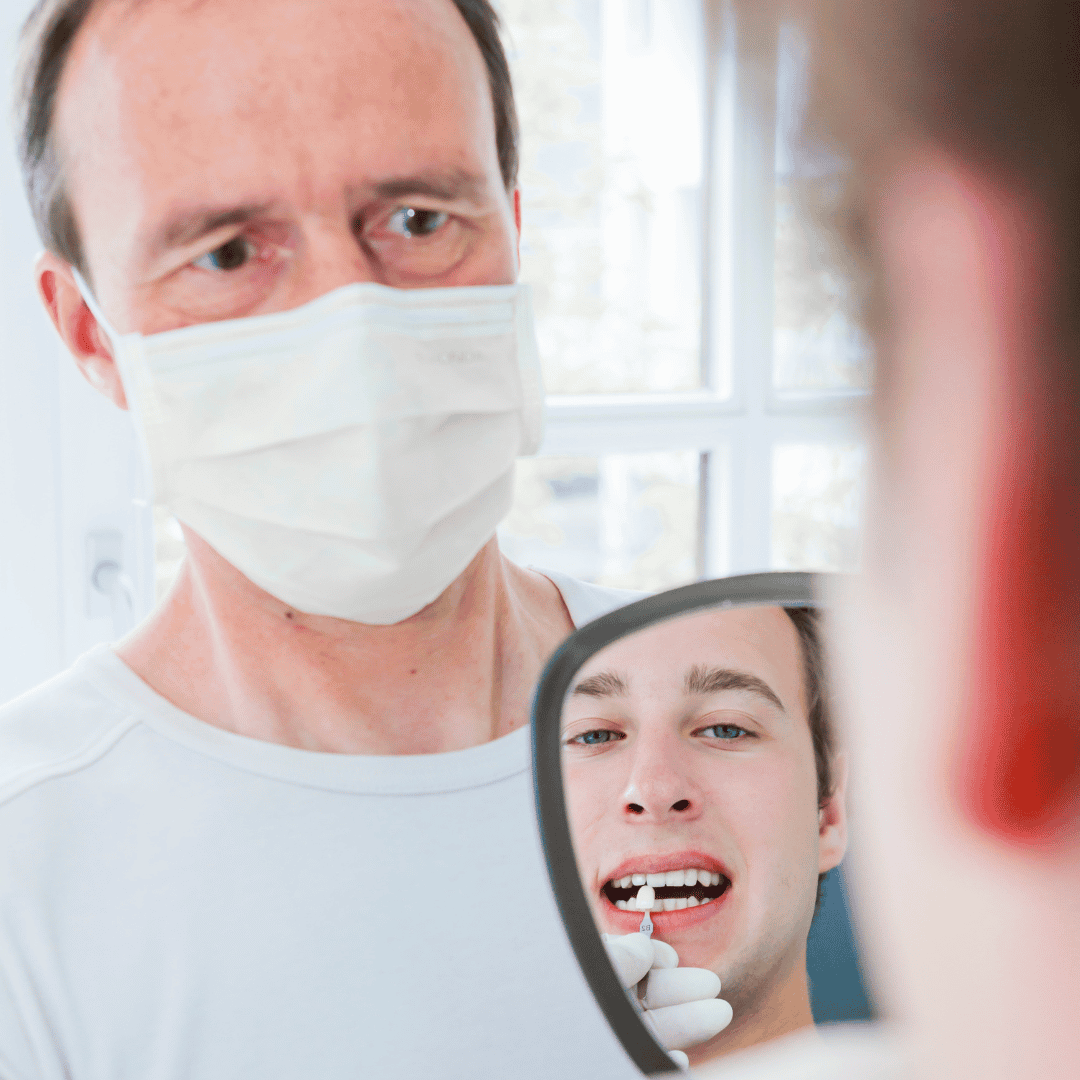
- Preparation: The dentist administers local anesthesia and carefully removes a fraction of a millimeter of enamel. A physical or digital mold is then taken and sent to the dental laboratory.
- Temporary Veneers: While your permanent veneers are being crafted (which can take 1-2 weeks), you may be fitted with temporary acrylic veneers to protect your prepared teeth.
- Bonding: Once ready, the dentist places the permanent veneers on your teeth to check the fit and color. After minor adjustments, your teeth are cleaned, polished, and etched to create a strong bonding surface.
- Curing: A special dental cement is applied, and an ultraviolet light is used to harden the cement rapidly, securing the veneer in place.
Are dental veneers considered a permanent solution?
It is important to set realistic expectations regarding the longevity of your dental work. With excellent oral hygiene and regular dental check-ups, porcelain veneers often last between 10 and 15 years, and in some cases, even longer. Composite veneers generally have a shorter lifespan, typically lasting around 5 to 7 years before they might require touching up or replacement.
However, the underlying tooth is still susceptible to decay, and your gums can recede over time. If the gum tissue shrinks away from the veneer, the edge of the restoration may become visible, prompting a replacement for aesthetic reasons. Because traditional veneers require enamel removal, the procedure itself is irreversible. You cannot simply remove the veneers later and return to your natural teeth; they must be replaced with new veneers or dental crowns.
What are the potential risks and complications?
As with any medical or dental procedure, there are inherent risks that should be carefully considered. Following the enamel preparation phase, it is very common to experience heightened sensitivity to hot and cold temperatures. For most patients, this sensitivity subsides within a few days to a few weeks, but in rare cases, it can be persistent.
Although the materials used are strong, they are not completely immune to damage. Biting into hard objects like ice, pens, or hard candies can cause a veneer to crack or pop off entirely. If a veneer chips, it often cannot be repaired and must be completely replaced. Furthermore, if the veneer is not fitted perfectly to the gum line, it can harbor bacteria, leading to gingivitis or decay in the underlying tooth structure. This is why meticulous oral hygiene and professional follow-ups are critical.
How should I care for my teeth after returning home?
Maintaining your new smile does not usually require special tools, but it does demand consistency. You should brush at least twice a day using a non-abrasive fluoride toothpaste. Highly abrasive whitening toothpastes can scratch the surface of your veneers, especially composite ones, dulling their shine over time. Flossing daily is equally important to keep the gum tissue around the veneers healthy and to prevent decay from forming where the tooth meets the restoration.
You may also need to modify a few habits. Avoid using your teeth as tools to open packages or bite your nails. If you play contact sports, wearing a mouthguard is essential. If you travel for your procedure, it is vital to establish care with a local dentist upon your return home. They will monitor the health of your gums and the integrity of the veneers, ensuring any minor issues are caught before they become major complications.
Why do patients consider medical tourism for this procedure?
Exploring medical tourism in Dubai, UAE has become increasingly common for those seeking specialized healthcare and cosmetic dentistry. The region has invested heavily in healthcare infrastructure, resulting in clinics equipped with modern imaging technologies and materials that meet international standards. For some patients, the ability to access these services in a highly developed metropolitan area is a significant draw.
However, traveling for healthcare requires careful logistical planning. Since porcelain veneers typically require at least two visits spread over one to two weeks, patients must account for the duration of their stay. It is also crucial to plan for continuity of care. Should you experience any discomfort, sensitivity, or complications after returning to your home country, you will need a trusted local dental professional who is willing to take over your follow-up care.
How can I research clinic options effectively?
Finding a suitable provider requires diligence. Start by looking for dentists who have specific, verifiable training in prosthodontics or cosmetic dentistry. It is entirely appropriate to ask about their experience, the specific brands of materials they use, and their protocols for managing potential complications. A responsible provider will be transparent about the limitations of the procedure and will not pressure you into a decision.
When requesting information, ask for a detailed estimate that breaks down the costs. Ensure you understand whether the quoted price covers consultations, temporary veneers, X-rays, laboratory fees, and the final bonding process. Clear, upfront communication is an excellent indicator of a professional environment. Remember that your safety and oral health should always take precedence over finding the lowest possible price.
Why Choose PlacidWay for Medical Tourism Research?
PlacidWay provides a centralized platform to help patients gather information when exploring healthcare options internationally.
Global Network: Offers an online directory to explore healthcare providers and facilities in various international regions.
Facility Information: Helps patients access detailed profiles of clinics, including available services and general facility descriptions.
Direct Communication: Facilitates initial communication between individuals seeking care and international medical centers.
Educational Resources: Provides articles and guides to help you understand medical procedures before making decisions.
Cost Comparisons: Allows patients to view and compare estimated pricing for treatments across different countries.
Frequently Asked Questions
Does getting dental veneers hurt?
The procedure is typically not painful, as local anesthesia is often used during the enamel preparation phase. However, some patients may experience mild sensitivity or discomfort in the days following the treatment as their mouth adjusts.
Can veneers fix crooked teeth?
Veneers can sometimes mask minor alignment issues, making teeth appear straighter. However, they are not a substitute for orthodontic treatment. For severely crooked or misaligned teeth, braces or clear aligners are usually recommended first.
Do veneers stain like natural teeth?
Porcelain veneers are highly resistant to stains from coffee, tea, and smoking. Composite resin veneers, on the other hand, are more porous and can stain over time, similar to natural tooth enamel.
Can I get veneers if I grind my teeth?
Teeth grinding (bruxism) can chip or crack veneers. If you grind your teeth, your dentist may advise against veneers or recommend wearing a custom protective night guard while you sleep to prevent damage.
Will I need local anesthesia for the procedure?
Local anesthesia is commonly used when a dentist needs to remove a small layer of enamel to make room for porcelain veneers. For some composite veneers that require little to no preparation, anesthesia may not be necessary.
How many veneers do patients typically get?
The number varies based on individual goals. Some people get a single veneer to fix a broken tooth, while others get six to eight veneers on their upper front teeth to create a more symmetrical, uniform smile.
Is it necessary to shave down my natural teeth?
For traditional porcelain veneers, a thin layer of enamel (usually less than a millimeter) is usually removed to ensure a proper fit and natural look. Some minimal-prep or no-prep veneers require little to no enamel removal, but they are not suitable for everyone.
Can veneers be whitened if they become discolored?
No, traditional teeth whitening treatments do not work on veneer materials. If your veneers become discolored or if your natural teeth yellow over time, you may need to have the veneers professionally polished or replaced to match.
What is the recovery time after getting dental veneers?
There is usually no formal recovery time. Most patients can return to normal activities immediately after the bonding process. You may experience some mild sensitivity to hot and cold foods for a few days to a few weeks.
Are dental veneers reversible?
Traditional veneers that require enamel removal are not considered reversible. Because your natural tooth structure is altered, you will always need some form of covering, such as a new veneer or a crown, to protect the tooth.
Explore Your Dental Treatment Options
Gathering thorough information is the first step toward making an informed healthcare decision. Compare clinic details, research estimates, and connect with professionals.
Compare Treatment OptionsReferences
- Veneers – American Dental Association (MouthHealthy)
- Dental Veneers: Procedure, Types & Lifespan – Cleveland Clinic
- Dental Veneers: Cost, Procedure, vs. Crown & Implant – WebMD
- Dental Veneers: Benefits, Procedure, Costs, and Results – Healthline
- What to know about dental veneers – Medical News Today
- Tooth Decay (Caries) – National Institute of Dental and Craniofacial Research
- Oral Health Fact Sheet – World Health Organization (WHO)
























Share this listing