What treatment


20+ Key FAQs on Dentistry in UAE
Questions About Dentistry in UAE? Start Here
Trusted Medical Tourism Platform Since 2007

How Long Does It Take to Get a Complete Set of Dental Crowns in Dubai?
Getting a complete set of dental crowns in Dubai typically takes 5 to 7 days for traditional lab-made crowns, or just 2 to 4 hours if you choose same-day CEREC technology. If you are considering restoring your smile with dental crowns in Dubai, one of the first questions on your mind is likely about the time commitment. Dubai has established itself as a premier destination for dental tourism, offering advanced technology that significantly speeds up the process compared to many other regions. Generally, the timeline depends on the technology used by the clinic. For traditional crowns, you can expect the process to be completed in two visits spread over roughly one week. However, many modern clinics in Dubai now offer same-day dental crowns using CAD/CAM technology, allowing you to walk in with a damaged tooth and walk out with a brand-new smile in a single afternoon. In this guide, we will break down exactly how long the procedure takes, the costs involved, and what you can expect at every step of your journey toward a perfect smile. How long does the traditional dental crown procedure take in Dubai? The traditional dental crown procedure in Dubai usually takes 5 to 7 days, requiring two separate visits: one for preparation and impressions, and a second for fitting the permanent crown. The traditional method is still widely used, especially for cases requiring complex aesthetic work or specific materials like Porcelain-Fused-to-Metal (PFM). This process is split into two distinct appointments. During the first visit, the dentist prepares your teeth and takes molds, which are sent to a specialized dental laboratory. The lab technicians then carefully craft your custom dental crowns, a process that takes about a week. During this waiting period, you will wear temporary crowns to protect your teeth. Once the permanent crowns are ready, you return for the second visit to have them cemented in place. This method ensures high precision and allows for detailed color matching by master technicians. Can I get dental crowns in one day in Dubai? Yes, many clinics in Dubai offer same-day dental crowns using CEREC technology, allowing you to receive a permanent, high-quality ceramic crown in just 2 to 4 hours. Dubai is famous for its adoption of cutting-edge medical tech, and dentistry is no exception. Same-day crowns utilize Chairside Economical Restoration of Esthetic Ceramics (CEREC) or similar CAD/CAM systems. Instead of messy physical molds, the dentist uses a digital scanner to create a 3D model of your mouth. This data is sent to an in-house milling machine that carves your crown from a solid block of ceramic or zirconia right there in the clinic. The milling takes about 15-20 minutes, followed by polishing and glazing. The entire process removes the need for temporary crowns and a second visit, making it ideal for international patients or those with tight schedules. What is the cost of dental crowns in Dubai? The cost of dental crowns in Dubai ranges from AED 800 ($215) for metal-ceramic to AED 3,500 ($950) for premium Zirconia or E-Max crowns, depending on the clinic and material. Pricing is a major factor for anyone planning dental work. Dental crown costs in Dubai are generally lower than in the US or UK, while maintaining high standards of quality. The price varies largely based on the material you choose and the reputation of the clinic. Below is a detailed comparison of typical costs for different types of crowns in Dubai: Crown Material Average Cost (AED) Average Cost (USD) Porcelain-Fused-to-Metal (PFM) 800 - 1,200 AED $215 - $325 Zirconia Crown (High Strength) 1,500 - 3,500 AED $400 - $950 E-Max Crown (High Aesthetic) 1,500 - 2,500 AED $400 - $680 Ceramic Crown (Standard) 1,200 - 2,000 AED $325 - $545 Gold / Metal Alloy 1,500 - 3,000 AED $400 - $815 It is important to note that some clinics may advertise extremely low prices (e.g., AED 499), but these often come with conditions or use lower-grade materials. Always ask for a breakdown of the total cost, including consultation and X-rays. What are the steps involved in getting dental crowns? The process involves an initial consultation and X-rays, tooth preparation (shaping), taking impressions, placing a temporary crown, and finally cementing the permanent crown. The journey to a new smile follows a systematic approach. First, you will undergo a comprehensive dental consultation where the dentist examines your teeth and takes X-rays to check the roots and surrounding bone. If the tooth is decayed, a root canal might be performed first (which adds time). Next is the preparation phase. The dentist numbs the area and reshapes the tooth by filing down a portion of the enamel to make room for the crown. Once shaped, an impression is taken—either digitally or with a mold. If you are getting a traditional crown, a temporary acrylic cap is placed to protect the tooth while you wait for the lab work. How many visits are required for a full set of crowns? A full set of crowns typically requires 2 to 3 visits over a week for traditional methods, but can be completed in just one extended visit if the clinic uses full-mouth CEREC technology. If you are getting a complete set of dental crowns (often part of a "Hollywood Smile" makeover), the timeline might be slightly adjusted. For a full mouth restoration, the dentist needs to ensure your bite alignment is perfect. This often involves an extra "try-in" appointment to check the fit and look before the final cementing. With traditional methods, plan for about 5 to 7 days in Dubai. The first visit is long (3-4 hours) for prepping all teeth. The second visit (try-in) is shorter, and the final visit involves permanent fixation. For same-day full sets, expect to spend a full day or two consecutive days in the clinic as milling 20+ units takes time. What factors can delay the dental crown procedure? Delays can occur if you require root canal therapy, have gum disease that needs treating first, or if the lab requires adjustments to the crown's fit or shade. While the standard timeline is reliable, your oral health dictates the actual speed. If the X-rays reveal infection at the root, you will need a root canal treatment. This must heal before a crown can be placed, potentially extending your stay by a few days. Gum health is another factor. Inflamed or bleeding gums make it difficult to take accurate impressions. In such cases, a dentist may perform a cleaning and ask you to wait a few days for the gums to heal before starting the crown preparation. This ensures the final result fits perfectly against the gum line. Do I need a root canal before getting a crown? Not always; a root canal is only necessary if the tooth is infected or the decay has reached the nerve, otherwise, a crown can be placed on a vital, healthy tooth. A common misconception is that crowns and root canals always go together. In reality, a crown is simply a cap used to restore a damaged tooth. If the damage is superficial or structural (like a crack) but the nerve is healthy, you do not need a root canal. However, if you have deep decay causing a toothache, the dentist will remove the infected nerve (root canal) to stop the pain and prevent abscesses. Only then is the tooth built back up and covered with a dental crown to strengthen it. Is the dental crown procedure painful? No, the procedure is performed under local anesthesia so you feel no pain, though some mild sensitivity or gum soreness may occur for a few days after the numbness wears off. Modern dentistry in Dubai prioritizes patient comfort. Before any drilling or shaping begins, the dentist applies a strong local anesthetic to numb the tooth and surrounding gum tissue. You will feel pressure and vibration, but sharp pain is rare. After the anesthesia wears off, it is normal to feel some tenderness, especially if you had a full set of crowns prepared. Over-the-counter pain relievers are usually sufficient. If you experience persistent pain or a "high bite" sensation (where the crown hits the opposing tooth too early), you should return to the clinic for a quick adjustment. What is the difference between Zirconia and E-Max crowns? Zirconia crowns are incredibly strong and ideal for back teeth, while E-Max crowns offer superior translucency and aesthetics, making them the preferred choice for front teeth. When discussing crown materials, Zirconia and E-Max are the top contenders. Zirconia is a metal-free ceramic known for its durability and resistance to fracture. It is perfect for molars that endure heavy chewing forces. It is also opaque enough to hide dark, underlying teeth. E-Max (Lithium Disilicate) is glass-ceramic. Its main advantage is its ability to mimic the natural translucency of tooth enamel. For a complete set of crowns on the front teeth (the "smile zone"), dentists often recommend E-Max for the most natural look, or highly translucent Zirconia for a balance of strength and beauty. How long do dental crowns last? With proper care, dental crowns typically last between 10 to 15 years, and high-quality materials like Zirconia can last even longer, sometimes upwards of 20 years. The lifespan of your crowns depends heavily on your oral hygiene habits. While the crown itself cannot decay, the natural tooth underneath it still can. If gum disease causes the gums to recede, the margin of the crown becomes exposed, creating a trap for bacteria. To maximize longevity, treat your crowns like natural teeth. Brush twice a day, floss daily, and see your dentist for regular check-ups. Avoid using your teeth to open packages or bite hard objects like ice, which can chip the ceramic. Can I eat normally after getting dental crowns? You should avoid sticky or hard foods for the first 24 hours to let the cement set, but afterwards, you can eat normally, though caution with very hard foods is advised to prevent chipping. Immediately after your appointment, you should wait until the numbness wears off before eating to avoid biting your cheek or tongue. For the first day, stick to soft foods like yogurt, pasta, or soup. This allows the permanent cement to fully cure and bond to the tooth structure. Once the first 24 hours have passed, you can return to your regular diet. Zirconia and E-Max crowns are strong enough to handle apples, steak, and corn on the cob. However, habits like chewing on pens or fingernails should be stopped to protect your investment. Are temporary crowns necessary? Temporary crowns are necessary only if you are getting lab-made crowns that take days to fabricate; they protect the prepared tooth and prevent sensitivity while you wait. If you opt for the traditional method, your shaved-down tooth will be sensitive to air and temperature. A temporary crown covers this vulnerable area and maintains the space so neighboring teeth don't shift. If you choose same-day crowns in Dubai, temporaries are not needed. You skip the awkward phase of wearing a plastic cap that might fall off and go straight to your permanent, secure restoration in a single visit. Why should I choose Dubai for dental crowns? Dubai offers a combination of world-class dentists, state-of-the-art technology like 3D scanning, and prices that are significantly more affordable than in Western countries. Dubai has become a global hub for medical tourism because it blends luxury with healthcare. Clinics here are equipped with the latest German and American dental technologies. The dentists are often internationally trained and board-certified. Beyond the quality, the speed is a major factor. In many countries, waiting weeks for a lab to return a crown is standard. In Dubai, the competitive market drives clinics to offer faster, more efficient services like same-day delivery without compromising on quality. Does insurance cover dental crowns in Dubai? Basic health insurance typically considers crowns a cosmetic procedure and may not cover them, but some premium plans cover up to 50% if the crown is medically necessary. Coverage varies wildly based on your provider. If the crown is needed because of a medical issue—like restoring a tooth after a root canal or repairing a fracture—some insurance plans may cover a portion of the cost. However, if you are getting a full set of crowns for a cosmetic smile makeover, this is usually considered an elective procedure and is rarely covered. It is best to check with your insurance provider and the clinic's insurance coordinator before starting treatment. How do I maintain my new dental crowns? Maintain dental crowns by brushing twice daily with non-abrasive toothpaste, flossing around the crown margin to prevent gum disease, and visiting your dentist for cleanings every 6 months. The "set it and forget it" mentality can lead to failure. While the ceramic won't stain like natural teeth, the gum line is vulnerable. Use a soft-bristled toothbrush to clean the area where the crown meets the gum. If you grind your teeth at night (bruxism), ask your dentist for a night guard. This simple device prevents you from applying excessive pressure on your new porcelain crowns while you sleep, significantly extending their life Looking for the Best Dental Clinics in Dubai? Find top-rated dentists, compare affordable prices for dental crowns, and get a free quote today Explore Options at PlacidWay...
Read more details

What is the cost of Dental Veneers in Dubai, UAE?
Dental veneers are one of the most popular cosmetic dental treatments, offering a solution to a variety of dental imperfections. They are thin, custom-made shells that are placed over the front of your teeth to improve appearance, shape, size, and color. For those looking to achieve a flawless smile, dental veneers are a reliable option, but the cost can vary significantly depending on various factors, especially in places like Dubai, UAE. Dubai, a city known for its luxurious lifestyle, is home to world-class dental clinics offering cutting-edge cosmetic dental procedures. In this blog post, we’ll take a deep dive into the cost of dental veneers in Dubai, the factors that influence pricing, and what you should consider when choosing a clinic. We’ll also provide a breakdown of the benefits, risks, and other essential information to help you make an informed decision. Key Insights at a Glance: The cost of dental veneers in Dubai typically ranges from $350 to $1,500 per tooth. The overall cost depends on the type of veneer, dentist's expertise, and clinic location. Porcelain veneers are generally more expensive than composite veneers. Most dental clinics in Dubai offer financing options for veneer treatments. The results from dental veneers can last for many years with proper care. Understanding Dental Veneers and Why They’re So Popular Dental veneers are a quick and effective solution for improving the aesthetics of your smile. They can cover a variety of imperfections, including discolored, chipped, or uneven teeth. Veneers are made from either porcelain or composite resin, each offering distinct advantages and disadvantages. Porcelain Veneers: These are the most popular type due to their natural look and durability. Porcelain veneers are highly resistant to stains and are customized to match the color and texture of your natural teeth. They are also longer-lasting than composite veneers, typically lasting 10-15 years or more. Composite Resin Veneers: Composite veneers are a more affordable option. They are less durable and more prone to staining over time, but they can be applied in a single visit and are easier to repair if chipped or cracked. Did You Know? Porcelain veneers are often considered the gold standard due to their natural appearance and durability. Factors Influencing the Cost of Dental Veneers in Dubai The cost of dental veneers in Dubai can vary widely, depending on several factors. Here’s a closer look at the key elements that influence pricing: Type of Veneer: Porcelain veneers generally cost more than composite veneers due to their longer lifespan and superior aesthetic quality. Composite veneers, while cheaper, are less durable and may need to be replaced sooner, impacting long-term costs. Dentist’s Expertise: The skill and experience of the dentist performing the procedure play a significant role in determining the cost. Highly experienced cosmetic dentists with specialized training in veneers may charge a premium for their services. Clinic Location: The cost can also depend on the clinic’s location within Dubai. Clinics in premium areas or those with luxury services may charge more for veneers, even if the procedure itself is similar in quality. Number of Veneers: The total cost will also depend on how many veneers you need. For example, if you require veneers for only a few teeth, the cost will be lower than if you need a full smile makeover with veneers for all your front teeth. Did You Know? Some Dubai dental clinics offer special packages for multiple veneers, helping reduce overall treatment costs. Cost Breakdown of Dental Veneers in Dubai To help you understand the pricing better, here’s a cost breakdown for dental veneers in Dubai: Type of Veneer Price Range (Per Tooth) Notes Porcelain Veneers $700 - $1,500 Most durable and natural-looking option. Composite Resin Veneers $350 - $700 More affordable, but less durable. Full Smile Makeover $3,500 - $7,500+ Multiple veneers for a complete makeover. These prices include consultation fees and the cost of dental procedures. However, the final amount may vary depending on your specific needs and the clinic you choose. Benefits of Dental Veneers in Dubai Dental veneers offer numerous benefits, especially for those looking to improve their smile. Here are some of the key advantages: Improved Appearance: Veneers can instantly improve the appearance of your teeth by making them whiter, straighter, and more even. Long-Lasting Results: Porcelain veneers, in particular, can last for many years with proper care, offering a long-term solution to cosmetic issues. Natural Look: With the right color matching, veneers provide a very natural look that blends seamlessly with your existing teeth. Minimal Tooth Alteration: Veneers require only a small amount of tooth enamel to be removed, making them a minimally invasive solution compared to crowns or braces. Did You Know? Porcelain veneers resist staining from coffee, tea, and tobacco, helping maintain your smile for years. Risks and Considerations of Getting Veneers While dental veneers can offer many benefits, there are a few risks and considerations to keep in mind: Irreversible Process: Once you get veneers, the process is irreversible since a small amount of enamel is removed from your teeth to accommodate them. Potential Sensitivity: Some people experience temporary tooth sensitivity after getting veneers. Durability: While porcelain veneers are highly durable, they can still break or chip if exposed to excessive pressure, such as grinding your teeth at night. It’s essential to follow your dentist’s aftercare instructions and avoid habits like biting your nails or chewing on hard objects to ensure the longevity of your veneers. Financing Options for Dental Veneers in Dubai For many people, the cost of dental veneers may seem high, but Dubai’s dental clinics often offer flexible payment plans to make the procedure more affordable. Here are some common financing options: Installment Plans: Many clinics provide installment options that allow patients to pay for their veneers over time. Insurance Coverage: Some dental insurance policies may cover a portion of the cost of veneers, especially if they are deemed necessary for dental health rather than purely cosmetic purposes. Discounts and Offers: Certain clinics run promotions or offer discounts for first-time patients or when multiple veneers are needed. Before committing to a clinic, it’s a good idea to inquire about available financing options that could help ease the financial burden. FAQs about Dental Veneers in Dubai 1. How long do dental veneers last in Dubai? Porcelain veneers typically last 10-15 years with proper care. Composite veneers may last 5-7 years, but they can wear down more quickly. 2. Are dental veneers painful? The procedure is generally not painful, though you may experience some sensitivity for a few days after the treatment. Local anesthesia is used to minimize discomfort. 3. Can I get veneers on just one or two teeth? Yes, dental veneers can be applied to individual teeth to address specific issues like discoloration or chips. You don't need to get veneers for all your front teeth. 4. Are veneers covered by insurance in Dubai? In most cases, dental veneers are considered a cosmetic procedure and are not covered by insurance. However, if the veneers are necessary for dental health, some insurance plans may offer partial coverage. 5. How should I care for my dental veneers? To keep your veneers in good condition, practice good oral hygiene by brushing and flossing regularly. Avoid chewing on hard objects and visit your dentist for regular check-ups. 6. Can I whiten my teeth after getting veneers? Since veneers are stain-resistant, you won’t need to whiten them. However, your natural teeth may require whitening if they are not covered by veneers, so it’s best to do this before getting them. 7. Can dental veneers be removed? Dental veneers are permanent once applied because a thin layer of enamel is removed from the teeth to place them. However, if necessary, they can be replaced or adjusted. Ready for Your Smile Makeover? If you're considering dental veneers in Dubai, it’s essential to choose a reputable clinic that offers experienced dentists and high-quality materials. At PlacidWay, we can help you find top-rated clinics that specialize in cosmetic dentistry, ensuring you get the best results for your investment. Contact us today for more information or to schedule a consultation with a trusted dental expert in Dubai!...
Read more detailsShare with AI
Share this page with AI assistants to get summaries and insights


Explore Dentistry: Stories, Testimonials, and Procedures
Watch in-depth videos covering everything from Dentistry success stories to detailed procedure explanations. Learn what to expect and hear from real patients.

Dental Implant in Cairo, Egypt at Al Fawzy Dental: Happy Patient from the USA
Dentistry
AL Fawzy Dental
Cairo,Giza, Egypt

Transformative Smile Makeover: A Patient's Journey at Solitaire Dental Clinic in Cairo, Egypt
Dentistry
Solitaire Dental Clinic
Cairo, Egypt

Straightening Smiles: A Patient's Dental Braces Journey at Solitaire Dental Clinic in Cairo, Egypt
Dentistry
Solitaire Dental Clinic
Cairo, Egypt
Unlock the Best Dentistry Packages Just for You
Discover the ultimate Dentistry packages designed to meet your health and wellness goals. Choose the perfect fit for your journey.

Price starting from $169
Crown Lengthening Package in Ahmedabad India by House of Dontics
House of Dontics Dental Clinic in Ahmedabad, India
- Dentistry
Ahmedabad, India
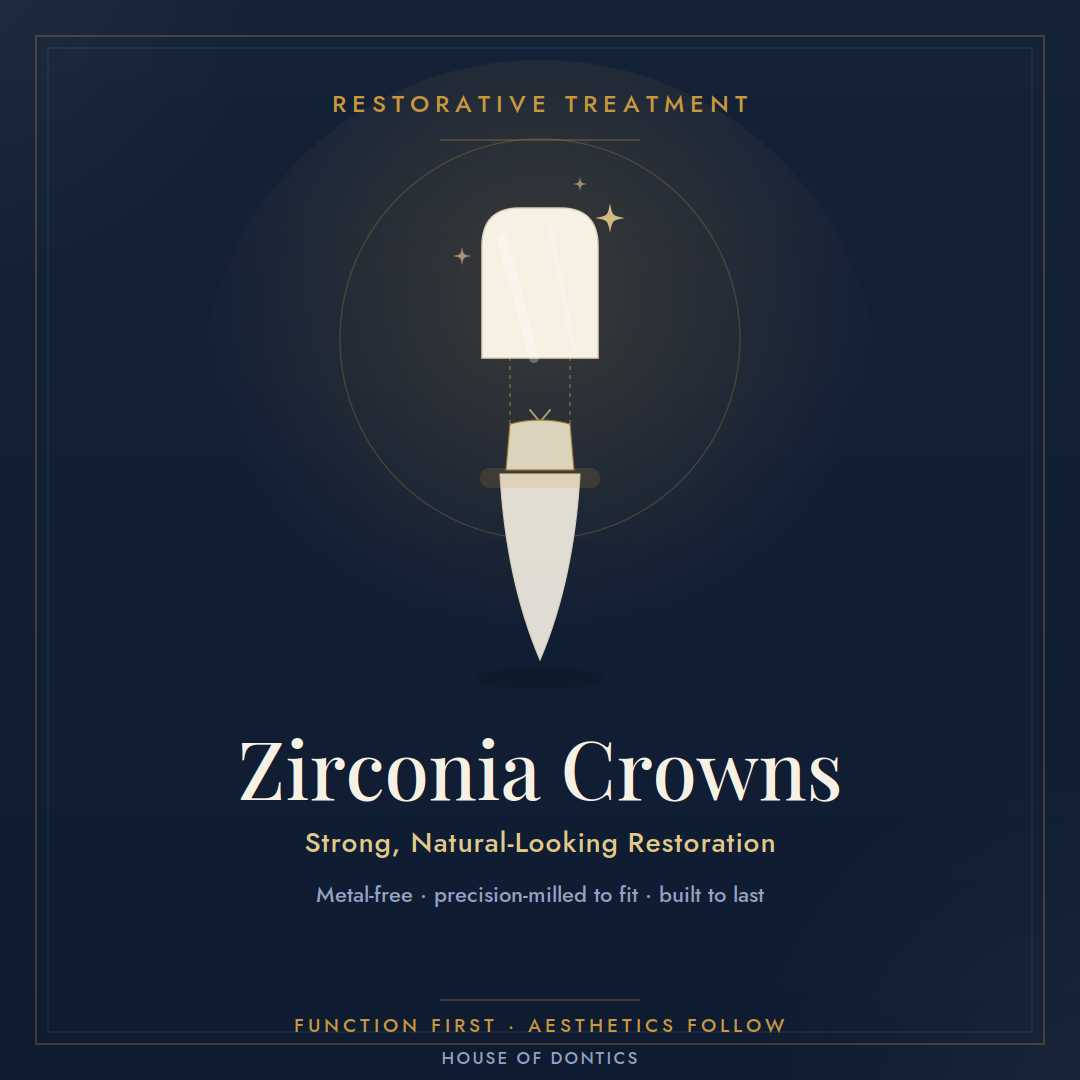
Price starting from $129
Dental Crowns Package at House of Dontics Dental Clinic in Ahmedabad, India , Ahmedabad, India
House of Dontics Dental Clinic in Ahmedabad, India
- Dentistry
Ahmedabad, India
Price starting from $4,000
All-on-4 Dental Premium Implant Package
Hegazy Dental Clinic Egypt
- Dentistry
Cairo, Egypt

Price starting from $6,000
All on 4 Dental Implants Package in Cairo, Egypt by Solitaire Dental Clinic
Solitaire Dental Clinic
- Dentistry
Cairo, Egypt
Transformative Dentistry Experiences: Dive into Procedure Insights
Discover the power of Dentistry through compelling patient experiences. Uncover detailed insights into procedures, recovery journeys, and life-changing results.

.png)