

Contents
Dubai has established itself as the global capital for the "Hollywood Smile." Patients from Europe, the UK, and the USA flock to this glitzy metropolis not just for luxury shopping, but for high-speed, high-quality aesthetic dentistry. Dental clinics in Jumeirah and Dubai Healthcare City are equipped with the latest German and Swiss technology, offering Digital Smile Design (DSD) and in-house CAD/CAM milling that can transform a smile in a matter of days.
The standard of care in Dubai is exceptionally high. Many cosmetic dentists are Western-trained (UK, US, France) or hold European board certifications. They utilize premium materials like E.max porcelain and Ultra-thin Lumineers to create veneers that are durable, stain-resistant, and translucently natural.
While Dubai is known for luxury, the cost of dental veneers here is surprisingly competitive—often 40-50% lower than in the UK or US due to the tax-free environment and high competition. Clinics offer a VIP experience, often including chauffeur services and 5-star hotel stays as part of the dental package.
Whether you want to correct discoloration, gaps, or chips, Dubai offers a fast, luxurious, and high-quality path to a flawless smile.
Did You Know?
Dubai is famous for **"Same-Day Dentistry."** Thanks to advanced CEREC (Chairside Economical Restoration of Esthetic Ceramics) technology available in top clinics, you can walk in for a scan in the morning and walk out with a full set of custom-milled veneers by the afternoon, eliminating the need for temporary teeth and multiple visits.
Key Insights at a Glance
Dental packages often feel like luxury holidays, including private drivers, luxury hotels, and city tours.
Clinics use Digital Smile Design (DSD) to show you a video simulation of your new smile before touching your teeth.
Veneers typically cost $350 - $550 per tooth in Dubai, compared to $1,500 - $2,500 in the US.
Exclusive use of authentic E.max, Zirconia, and feldspathic porcelain from Germany and Switzerland.
Top clinics offer warranties ranging from 5 to 10 years on veneers against chipping or breakage.
Procedures are performed by specialized Cosmetic Dentists, often with international board certifications.
The "Smile Test Drive"
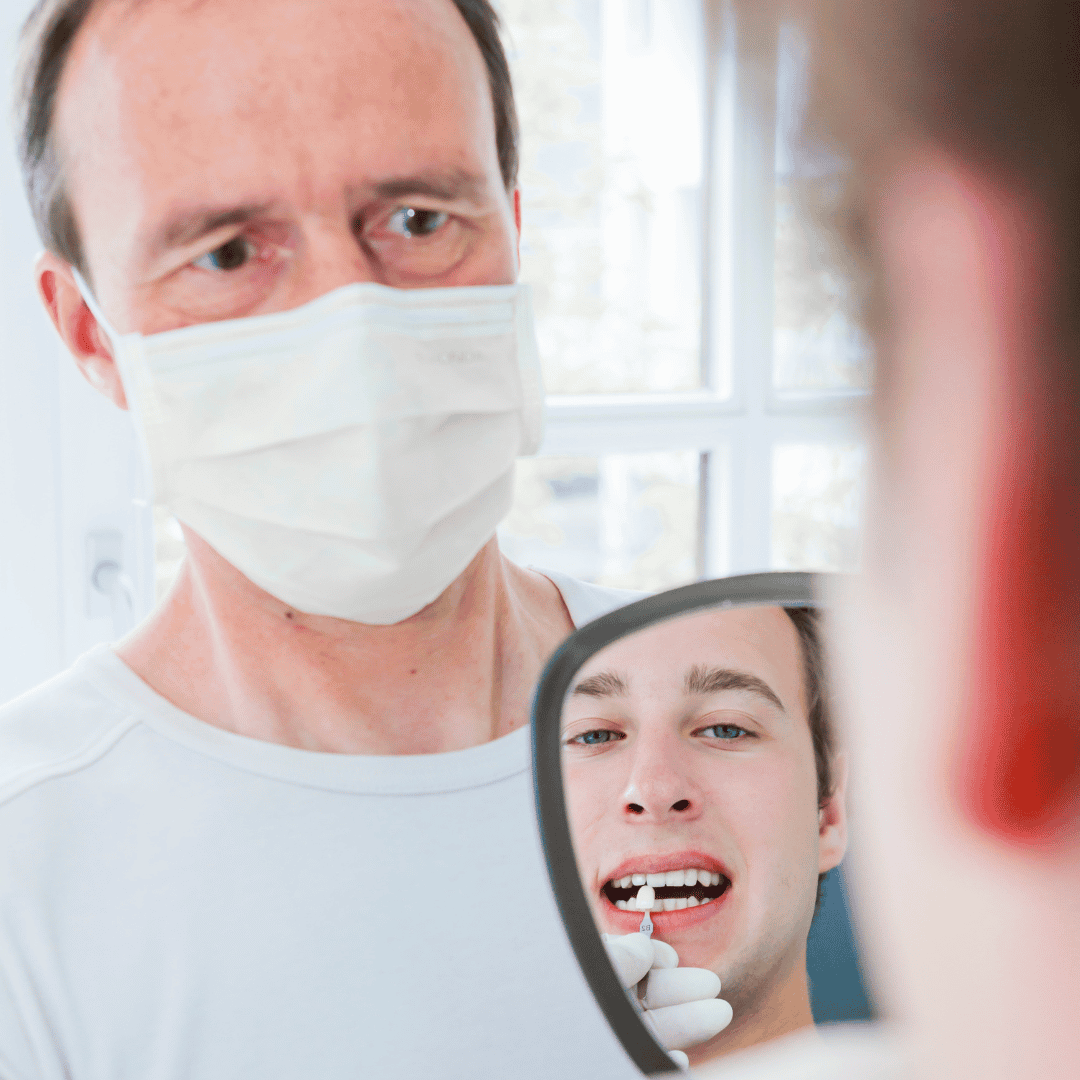
Dubai clinics often offer a "Mock-Up" session. Using temporary composite material, the dentist sculpts the proposed veneer shape directly onto your teeth. You can then look in the mirror, take photos, and wear your "test smile" for a few hours to ensure you love the shape and length before the final porcelain veneers are even made.
Finding the right clinic is essential for a natural-looking result. In the section below, we have curated a list of top-rated dental clinics in Dubai offering comprehensive "Hollywood Smile" packages. These bundles typically include the consultation, 3D X-rays, Digital Smile Design, the full set of veneers (usually 8-10 per arch), temporary teeth, and airport transfers. Some packages also include hotel accommodation. Browse the options to find a package that matches your aesthetic goals and budget.
Note: Veneer packages usually require a stay of 5-7 days to allow for lab fabrication and fitting, unless "Same-Day" tech is used.
Understanding the financial commitment is a crucial part of your decision-making process. The table below provides a transparent breakdown of average costs for E.max and Zirconia veneers in Dubai compared to UK and US prices. While these figures are estimates, they highlight the substantial savings available—often allowing you to get a full smile makeover for the price of just a few teeth back home.
Tip: A full set of 20 veneers (top and bottom) in Dubai typically ranges from $7,000 to $10,000 USD.
Dental Veneers Cost Comparison in UAE
| Country | Procedure | Price |
|---|---|---|
| Australia | Dental Veneers, Dentistry | $2000 |
| Germany | Dental Veneers, Dentistry | $4213 |
| UAE | Dental Veneers, Dentistry | $250 |
Your smile is your asset, and you want it in the best hands. We have selected a list of premier dental clinics in Dubai known for their specialization in cosmetic dentistry. These clinics are vetted for their modern infrastructure, sterilization protocols (DHA standards), and use of international materials. Explore the profiles below to learn more about their specific experience and see their before-and-after galleries.
Standard: Look for clinics that employ "Master Ceramists" in their labs, as they are the artists who actually hand-craft your veneers.

Legacy Dental Center
Dubai,UAE

New Me Clinic
Dubai,UAE

Armada One Day Surgical Center DMCC
Dubai,UAE
Hearing directly from past patients can offer invaluable reassurance. The video testimonials featured below showcase real stories from individuals who have traveled to Dubai to restore their smiles. Watch these videos to hear about their journey, from the luxury service to the painless procedure, and their satisfaction with the natural look of their new teeth.
Insight: Patients often emphasize the efficiency of the treatment and how the clinic staff helped organize their leisure time in the city.
Patient reviews provide an honest look at the quality of care. In this section, you will find verified reviews and ratings from patients who have entrusted their smiles to specialists in Dubai. Read through their feedback regarding the durability of the veneers, the aesthetics of the smile, and their overall satisfaction with the value received.
Review Tip: Look for reviews that mention the "translucency" and "fit" of the veneers to judge the quality of the lab work.

Your smile is in expert hands. We have compiled a list of top-tier dental specialists in Dubai who possess extensive experience in cosmetic dentistry. These profiles highlight their international training, board certifications, and dedication to creating natural, dazzling smiles.
Western-Trained Prosthodontists
Experts in Smile Aesthetics
Our listed specialists often hold degrees from prestigious universities in the UK, USA, or Sweden. They are Prosthodontists—specialists with advanced training in tooth restoration. This expertise ensures that your veneers are not just "covers," but anatomically correct restorations that function perfectly with your bite.
Digital Smile Design Masters
Certified DSD Experts
Top dentists in Dubai are certified in Digital Smile Design (DSD). They use facial analysis software to design a smile that matches your unique facial features and personality, allowing you to co-design your new look before any work begins.
Celebrity Dentists
Trusted by Influencers
Dubai is home to "Celebrity Dentists" who regularly treat influencers, models, and public figures. They are masters of creating the "red carpet" look—flawlessly white, perfectly aligned teeth that look stunning on camera and in person.
Luxury & Quality
Dubai offers a unique blend of 5-star luxury and German-standard medical quality.
Clinics feel like spas, and the materials used (E.max, Zirconia) are the best available globally.
Speed & Efficiency
Advanced technology allows for incredibly fast turnaround times.
Busy professionals can fly in, get a full smile makeover in 3-5 days (or even same-day), and fly out with a brand new look.
Tourism Hub
Dubai is a world-class travel destination.
Combining your dental work with shopping, desert safaris, or relaxing on Palm Jumeirah makes the experience enjoyable and memorable.
Arranging dental work abroad requires trust and expert coordination. PlacidWay acts as your guide to Dubai's top dental clinics. We handle the vetting, communication, and logistics, ensuring a safe and seamless experience for your smile transformation.
Clinic Verification
We partner only with DHA-licensed clinics that use premium materials and have a proven track record of successful outcomes with international patients.
Free Estimates
We provide clear, itemized quotes from multiple top clinics, helping you compare prices for different veneer brands (E.max vs Zirconia) side-by-side.
Virtual Assessments
We facilitate the review of your smile photos by the clinic to provide a preliminary treatment plan and timeline before you travel.
Appointment Booking
We help coordinate your dental appointments to fit your travel schedule, ensuring efficient use of your time in Dubai.
Logistics Support
From arranging airport pickups to recommending hotels near the clinic, we help manage the practical details of your trip.
Patient Advocacy
Our team is available to support you throughout your entire journey, answering questions and ensuring your experience meets your expectations.
Shine brighter with a Hollywood Smile. Contact PlacidWay today for a free, no-obligation quote and start planning your dental vacation in Dubai.
Get Your Free Personalized Quote



















Share this listing