


Urology in South Korea
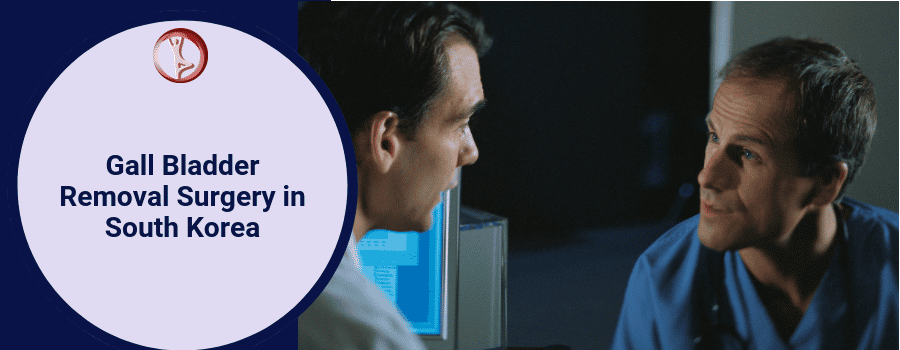
The average gall bladder removal cost in South Korea ranges from $4,000 to $8,000. This price typically includes laparoscopic surgery, pre-operative tests, surgeon fees, and a standard hospital stay, offering exceptional value and world-class care.
Key Takeaways: Cholecystectomy Excellence
- Cost-Effective Care: Savings of up to sixty percent compared to North American healthcare systems.
- Minimally Invasive Focus: Over ninety-five percent of procedures use single-port or standard laparoscopy.
- Rapid Recovery: Most patients are discharged within two to three days post-operation.
- Advanced Diagnostics: Comprehensive ultrasound and CT imaging to ensure accurate gallstone mapping.
- Holistic Support: Dedicated coordinators guide international patients through every medical step.
Why is gall bladder removal in South Korea highly recommended for international patients?
South Korea offers world-renowned medical expertise utilizing advanced minimally invasive techniques. Patients benefit from exceptional clinical outcomes and highly affordable healthcare packages compared to Western nations.
Choosing to undergo gall bladder removal in South Korea means accessing a healthcare infrastructure that is globally recognized for its technological superiority and surgical precision. Board-certified general surgeons undergo rigorous decades-long training, ensuring they are masters of abdominal anatomy. They manage complex cases of biliary colic, cholecystitis, and gallstones with remarkable proficiency.
The medical ecosystem places a strong emphasis on minimally invasive approaches. Standard open surgeries are incredibly rare, replaced almost entirely by laparoscopic methods. This shift dramatically reduces tissue trauma, mitigates the risk of post-operative infections, and allows patients to regain their mobility almost immediately after waking from anesthesia.
Furthermore, the entire experience is optimized for the global traveler. Healthcare institutions feature specialized international wings designed to eliminate cultural and linguistic barriers. From arrival to discharge, patients receive compassionate care, making the intimidating prospect of undergoing surgery abroad feel secure, seamless, and highly managed.
What factors influence the gall bladder removal cost in South Korea?
The final price depends largely on the surgical method chosen, the length of hospital stay required, and the specific geographic location of the facility. Pre-operative diagnostics and specialized medications also play a role.
Understanding the gall bladder removal cost in South Korea requires looking at the components of a medical bill. The foundational cost covers the surgeon fee, operating room utilization, and standard anesthesia. However, if a patient opts for a robotic-assisted cholecystectomy rather than a standard laparoscopic approach, the technology surcharge will significantly increase the total expenditure.
Diagnostic testing is another crucial variable. International patients must undergo a thorough medical evaluation before being cleared for surgery. This includes comprehensive metabolic blood panels, electrocardiograms, chest X-rays, and detailed abdominal ultrasounds. If complex duct blockages are suspected, an MRI or specialized endoscopic procedure might be added, adjusting the overall financial requirement.
Hospital accommodation choices also dictate the final invoice. Opting for a private, VIP recovery suite will cost more than a standard multi-bed ward. Fortunately, even premium accommodations remain highly competitive when converted from local currency, ensuring that patients receive luxury care without the exorbitant price tags typically found in North America or Europe.
How do I select a top-rated gall bladder removal clinic in South Korea?
Identifying the right facility requires looking for government accreditations, checking for international patient support services, and ensuring they specialize in laparoscopic procedures.
Finding a reliable gall bladder removal clinic in South Korea starts with verifying institutional credentials. You should seek facilities that have received accreditation from the Korean Institute of Healthcare Accreditation or the Joint Commission International. These stamps of approval guarantee that the medical center adheres strictly to global patient safety and operational excellence standards.
It is imperative to research the specific surgical team. Look for departments that perform a high volume of biliary surgeries annually, as surgical repetition directly correlates with lower complication rates. A premier center will gladly provide statistics on their infection rates, average recovery times, and success metrics for single-incision laparoscopic techniques.
Additionally, evaluate the logistical support the medical center offers. A top-tier facility will have a dedicated international coordinator who speaks your native language fluently. They should be able to assist with medical visa documentation, provide transparent cost estimates beforehand, and coordinate smooth transfers between the airport, your accommodation, and the clinical site.
What are the primary surgical techniques used for this procedure in Korean hospitals?
Surgeons predominantly use laparoscopic cholecystectomy for its minimal scarring and fast recovery. Some advanced centers also offer robotic-assisted surgeries for highly complex cases requiring extreme precision.
The standard of care is the multi-port laparoscopic cholecystectomy. During this procedure, the surgeon makes three to four tiny keyhole incisions in the abdomen. Carbon dioxide is introduced to expand the abdominal wall, creating a clear workspace. High-definition cameras guide specialized instruments to carefully detach the diseased organ from the liver bed without disturbing surrounding tissues.
For patients highly concerned about cosmetic outcomes, many specialists offer the Single-Incision Laparoscopic Surgery technique. All surgical instruments and the camera are inserted through a single, slightly larger incision made directly inside the belly button. Once healed, the scar is virtually invisible, making it an incredibly popular choice for younger patients.
At the cutting edge of surgical innovation is robotic cholecystectomy. Using advanced robotic consoles, the surgeon manipulates mechanical arms that offer a three-dimensional view and three-hundred-sixty-degree wrist articulation. While more expensive, this technique provides unparalleled dexterity, which is especially beneficial for patients with severe internal scarring or challenging anatomical anomalies.
What is the typical timeline for medical tourism in South Korea for abdominal surgery?
Most patients spend about seven to ten days in the country to complete the entire medical process. This includes pre-surgery consultations, the operation day, hospital admission, and mandatory follow-up appointments.
Engaging in medical tourism in South Korea requires careful scheduling. Upon arrival, the first day is usually dedicated to settling into your hotel and adjusting to the time zone. The second day involves comprehensive pre-operative testing at the hospital, alongside a detailed consultation with your lead surgeon and the anesthesiology team to finalize the surgical plan.
Surgery typically occurs on the third day. Following the procedure, patients generally remain admitted to the inpatient ward for two nights. During this time, nurses monitor vital signs, manage acute pain, and ensure the digestive system is slowly waking up safely. Intravenous antibiotics and hydration are administered to safeguard against immediate complications.
After discharge on the fifth day, patients return to their nearby hotel to rest. The remaining days are spent doing light walking to prevent blood clots and transitioning to a solid diet. A final follow-up visit is scheduled around the eighth or ninth day to check the incision sites, remove any stitches if necessary, and provide the medical clearance required to board an international flight safely.
How do Korean medical facilities handle patient safety and surgical sterilization?
Healthcare facilities strictly adhere to international safety standards mandated by the Korean Ministry of Health and Welfare. Operating rooms feature advanced air filtration and strict sterilization protocols.
- HEPA Filtration Systems: Operating theaters are equipped with positive pressure environments and high-efficiency particulate air filters to eliminate airborne pathogens.
- Strict Equipment Protocols: All laparoscopic tools undergo multi-stage ultrasonic cleaning and high-pressure steam autoclaving between every single procedure.
- Identity Verification: Hospitals utilize strict barcode scanning on wristbands to ensure the right patient receives the exact right procedure and medication.
- Continuous Monitoring: State-of-the-art telemetry systems allow nursing staff to monitor patient heart rates, oxygen levels, and blood pressure continuously from a central desk.
- Emergency Preparedness: Surgical centers are backed by intensive care units equipped to handle rare, unexpected adverse reactions instantly.
- Infection Control Committees: Dedicated teams audit hygiene practices daily, ensuring hospital-acquired infection rates remain among the lowest globally.
What should international patients expect during the recovery process?
Post-operative recovery is generally swift, with most individuals walking within hours of waking up. Full digestion adaptation and energy recovery typically take about two to three weeks of careful dietary management.
Immediate recovery focuses on clearing the anesthesia and managing the unique shoulder pain caused by the carbon dioxide gas used during surgery. This referred pain is completely normal and dissipates within forty-eight hours as the body naturally absorbs the gas. Walking short distances in the hospital corridors is highly encouraged to expedite this process and wake up the bowels.
Dietary management is the most critical aspect of long-term healing. Because the body no longer has a storage pouch for bile, liver bile drips continuously into the intestines. Patients must stick to a bland, low-fat diet initially. Introducing heavy creams, fried foods, or spicy dishes too quickly can result in urgent diarrhea and severe abdominal cramping.
Incision care is straightforward. Surgeons typically use dissolvable sutures covered by waterproof surgical glue or sterile strips, allowing patients to take brief showers shortly after discharge. Patients are advised against taking baths, swimming, or lifting heavy objects for a minimum of four weeks to ensure the internal muscle layers heal completely without herniation.
Are there any hidden expenses when paying for medical procedures in Korea?
Transparent billing is standard, but patients should budget for potential extra days in the hospital or specialized discharge medications. Value-added tax is sometimes applied but can often be refunded at the airport.
While the overall cost is highly competitive, prudent financial planning requires understanding potential extra charges. A quoted package usually covers a specific number of hospital nights. If a patient experiences severe nausea or minor complications requiring an extended stay, each additional night will incur extra room and nursing fees.
Discharge medications are another consideration. While inpatient drugs are covered, the antibiotics, antacids, and mild painkillers prescribed for your hotel recovery phase are typically purchased separately at a local pharmacy. Fortunately, pharmaceutical costs in this region are strictly regulated and remain very affordable compared to Western prices.
Lastly, consider the cost of comprehensive medical documentation. While basic discharge papers are included, requesting highly detailed, legally notarized translations of every surgical log or obtaining multiple copies of MRI discs for your local doctors may result in small administrative fees. Discussing all required documentation with your coordinator upfront ensures no surprise bills.
Why Choose PlacidWay for your medical journey?
PlacidWay simplifies your healthcare journey by connecting you with certified international hospitals and facilitating smooth communication. Our dedicated team ensures you receive the highest standard of care without stress.
- Comprehensive Provider Vetting: We perform rigorous background checks on all partner facilities, ensuring they possess the necessary governmental accreditations and maintain flawless safety records in abdominal surgery.
- Transparent Price Negotiation: We advocate on your behalf to secure fair, transparent pricing structures, protecting you from inflated foreigner fees and ensuring you understand every component of your medical bill.
- Direct Clinic Communication Support: Our platform facilitates seamless, secure communication between you and the operating surgeon long before you leave home, allowing for the pre-evaluation of your medical scans.
- Customized Medical Care Plans: We recognize that every patient has unique health requirements. We assist in tailoring your treatment timeline, ensuring ample recovery days and scheduling appropriate follow-up assessments.
- Dedicated Patient Advocacy: Should any medical misunderstandings arise during your stay, our robust support network intervenes immediately to resolve issues, prioritizing your health, safety, and overall peace of mind.
Frequently Asked Questions About Gallbladder Surgery
Is it safe to fly after having my gallbladder removed in South Korea?
Flying is generally safe approximately one week after a standard laparoscopic cholecystectomy. Your Korean medical team will evaluate your healing progress during a final follow-up appointment to ensure there are no risks of deep vein thrombosis or incision complications before clearing you for international travel.
Will I need to change my diet permanently after the surgery?
While your body will adapt over time, a permanent adjustment to a healthier, lower-fat diet is recommended. Without a gallbladder to store bile, heavy or greasy meals can cause digestive discomfort. Korean nutritionists typically provide a detailed dietary transition plan to help you manage your digestion post-surgery.
What kind of anesthesia is used for a cholecystectomy in Korean hospitals?
Gallbladder removal requires general anesthesia. This ensures you are completely unconscious and pain-free while the surgeon uses laparoscopic instruments to navigate the abdominal cavity. Specialized anesthesiologists monitor your vital signs continuously throughout the entire procedure.
Do hospitals in South Korea provide English speaking staff for international patients?
Yes, facilities catering to international patients employ dedicated in-house interpreters and bilingual medical coordinators. These professionals accompany you during consultations, diagnostic testing, and discharge briefings to ensure you fully understand your medical care and post-operative instructions.
How soon can I return to work after laparoscopic gallbladder removal?
Most patients can return to desk jobs or light duties within two weeks. However, if your profession involves heavy lifting or intense physical labor, your surgeon may recommend waiting four to six weeks to prevent developing a hernia at the umbilical incision site.
What happens if complications arise after I leave the Korean hospital?
Top-tier healthcare centers maintain international patient departments that offer telemedicine consultations and continuous remote support. Before you leave, you will receive a comprehensive medical report in English to share with your local physician in case immediate physical intervention is required in your home country.
Can I undergo other health screenings while visiting for gallbladder surgery?
Absolutely. Many medical tourists take advantage of the comprehensive and affordable health screening centers available in the country. You can easily schedule an extensive physical examination, including endoscopies or advanced imaging, a few days prior to your scheduled surgical intervention.
How do Korean surgeons manage post-operative pain without strong narcotics?
Pain management focuses on multi-modal analgesia. Instead of heavy opioids, surgeons rely on localized numbing agents at the incision sites, intravenous non-steroidal anti-inflammatory drugs, and controlled paracetamol infusions. This approach significantly reduces nausea and accelerates your mobility during recovery.
Are medical records and test results provided in English upon discharge?
Yes, international departments ensure all critical medical documents, surgical notes, imaging discs, and pathology reports are professionally translated into English. This documentation is crucial for your primary care physician back home to update your permanent medical history.
Is it necessary to bring a companion when traveling to Korea for abdominal surgery?
While navigating a medical journey alone is possible due to extensive hospital support, having a companion is highly recommended. A friend or family member can assist with luggage, provide emotional support, and help manage minor daily tasks while you rest in your hotel during the initial recovery days.







.png)
.png)


Share this listing