


Explore Right Candidate for Liver Cirrhosis Regnerative Medicine
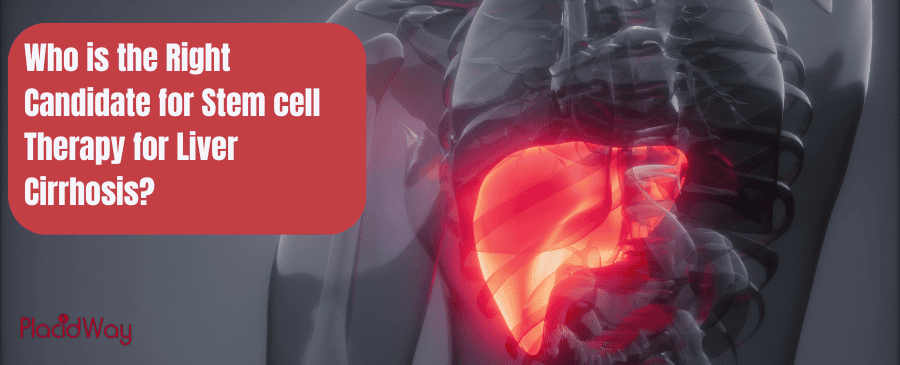
The right candidate for stem cell therapy for liver cirrhosis in Mexico typically has early to moderate stage liver damage (Child-Pugh A or B) and stable health. Advanced cases or those with active liver cancer may not be suitable candidates.
Hepatic scarring, commonly known as cirrhosis, represents a profound medical challenge characterized by the replacement of healthy hepatic tissue with non-functioning fibrotic scars. As progressive damage limits hepatic function, many patients seek advanced regenerative interventions outside their home countries. A common and highly sought-after solution is Stem cell Therapy for Liver Cirrhosis in Mexico, a destination renowned for combining cutting-edge biotechnology with accessible healthcare models. However, cellular regeneration is not a universal cure-all. Identifying the ideal candidate requires a meticulous understanding of disease progression, metabolic stability, and biological contraindications.
Key Takeaways: Eligibility and Regenerative Potential
- Ideal Disease Stages: Patients categorized under Child-Pugh Class A or early Class B show the highest success rates for cellular tissue regeneration.
- Medical Exclusions: Active malignancies, severe portal hypertension, and uncontrolled systemic infections generally disqualify patients.
- Lifestyle Commitment: Candidates must demonstrate absolute sobriety and adherence to nutritional guidelines to protect the newly infused cells.
- Financial Planning: Understanding the Stem cell Therapy for Liver Cirrhosis cost in Mexico helps candidates budget for comprehensive care without hidden fees.
- Treatment Safety: Regenerative medicine utilizes ethically sourced, immunoprivileged mesenchymal cells to prevent rejection.
What exactly makes someone eligible for Stem cell Therapy for Liver Cirrhosis in Mexico?
Eligibility primarily depends on the current stage of hepatic scarring, overall physical stability, adequate organ function, and the absolute absence of specific medical contraindications like cancer.
Determining eligibility for regenerative therapy is a rigorous, multi-layered process. The primary factor specialists assess is the patient physical reserve and the exact degree of hepatic fibrosis. The fundamental mechanism of mesenchymal stem cells relies on their ability to locate damaged tissue, reduce inflammation, and stimulate native hepatocytes to regenerate. If a patient possesses too much irreversible scar tissue and virtually no healthy cells left to stimulate, the therapeutic window may have already closed. Therefore, patients with mild to moderate impairment make the best candidates.
Beyond structural liver damage, physiological stability is paramount. A candidate must have adequate kidney function, manageable blood pressure, and a competent immune system to handle the cellular infusion. Specialists will carefully review comprehensive metabolic panels, complete blood counts, and coagulation profiles. Patients with profound thrombocytopenia (dangerously low platelet counts) or those experiencing frequent hepatic encephalopathy might face higher risks that outweigh the regenerative benefits.
Lastly, behavioral eligibility is just as critical as biological markers. Cellular therapy is an investment in biological healing. Candidates must exhibit a proven commitment to eliminating liver toxins from their daily lives. For individuals whose cirrhosis stems from excessive alcohol consumption or metabolic syndrome, this means demonstrating documented sobriety, adopting specialized dietary protocols, and maintaining an optimal body weight prior to treatment approval.
Hepatologists utilize the Child-Pugh scoring system to determine mortality risk and treatment viability. Patients scoring between five and eight points have optimal cellular microenvironments that actively support the engraftment and survival of newly introduced mesenchymal stem cells.
Which stages of liver disease respond best to stem cell treatment?
Patients in the early to moderate stages of hepatic fibrosis, specifically those classified under Child-Pugh Class A or early Class B, experience the most profound and sustained regenerative benefits.
Understanding disease staging is vital for setting realistic patient expectations. Liver disease progresses through several distinct phases, and cellular therapy efficacy heavily correlates with these stages. The liver possesses a unique architecture that, when severely compromised, becomes a hostile environment for new cells.
- Compensated Cirrhosis (Child-Pugh A): This is the ideal stage. The liver is scarred but still manages to perform essential functions without presenting severe symptoms. Stem cells can actively reduce inflammation and halt fibrogenesis here.
- Early Decompensated Cirrhosis (Child-Pugh B): Patients might experience mild jaundice or fluid retention. Therapy is still highly viable and can potentially revert the liver back to a compensated state.
- Late Decompensated Cirrhosis (Child-Pugh C): The liver is failing. Massive ascites, bleeding varices, and severe confusion are common. At this juncture, the fibrotic tissue is too dense, and stem cells generally cannot survive or engraft effectively.
- MELD Score Considerations: Clinics also evaluate the Model for End-Stage Liver Disease score. Candidates with MELD scores below fifteen are generally considered highly responsive to cellular interventions.
- Reversibility of Fibrosis: Studies indicate that if intervention occurs before the architectural collapse of the hepatic lobules, stem cells can stimulate the degradation of excess collagen, physically reducing the scar burden.
What medical conditions disqualify a patient from this regenerative treatment?
Severe health complications, particularly active cancers, untreatable systemic infections, or imminent multi-organ failure, automatically prevent patients from safely receiving cellular therapies.
Safety protocols in regenerative medicine are exceptionally strict to protect vulnerable patients. The absolute primary contraindication for any stem cell therapy is the presence of active malignancies, especially hepatocellular carcinoma. Because stem cells naturally promote angiogenesis (the formation of new blood vessels) to heal tissue, there is a theoretical risk that they could inadvertently supply blood to an existing tumor, accelerating cancer growth. Therefore, comprehensive oncology screenings are mandatory.
Another major disqualifying factor is severe, uncontrolled portal hypertension leading to active gastrointestinal bleeding. When the liver is extensively scarred, blood flow is obstructed, causing pressure to build in surrounding veins. If a patient is actively bleeding from esophageal varices, their condition is considered a critical medical emergency requiring immediate surgical or endoscopic intervention, not a slow-acting regenerative cellular therapy.
Additionally, patients suffering from active, severe systemic infections, such as sepsis, are excluded. The immune system must be stable to interact harmoniously with the introduced mesenchymal cells. If the body is fighting a massive infection, the cellular environment becomes highly inflammatory, which would immediately destroy the fragile stem cells upon infusion, rendering the expensive treatment entirely useless.
Autoimmune hepatitis was once considered a gray area for eligibility. However, modern research shows that mesenchymal stem cells actually possess potent immunomodulatory effects, meaning they can help calm an overactive immune system, making select autoimmune patients excellent candidates.
How does a Stem cell Therapy for Liver Cirrhosis clinic in Mexico evaluate candidates?
Clinics utilize a comprehensive pre-evaluation process requiring remote submission of recent medical records, imaging scans, and detailed blood work before offering treatment approval.
Any reputable Stem cell Therapy for Liver Cirrhosis clinic in Mexico operates with a strict, evidence-based admission protocol. The process begins long before the patient books a flight. Medical tourists must first submit a comprehensive medical dossier. This includes recent laboratory results detailing liver enzymes (ALT, AST), bilirubin levels, albumin production, and prothrombin time. These markers provide a precise snapshot of the organ current functional capacity.
Diagnostic imaging plays a crucial role in this evaluation phase. Specialists require high-resolution ultrasound, CT scans, or MRI reports to visually assess the liver physical structure, the density of the fibrotic tissue, and the presence of any suspicious nodules that might indicate early-stage cancer. Some clinics may also request a recent FibroScan, a specialized ultrasound that specifically measures liver stiffness and quantifies scarring.
Once the medical board reviews these documents, they conduct an extensive virtual consultation with the patient. During this dialogue, doctors assess the patient clinical history, the root cause of the hepatic damage (such as viral hepatitis, fatty liver disease, or alcohol abuse), and their psychological readiness. Only when the medical team is fully convinced of the patient safety and potential for positive outcomes is an official invitation for treatment extended.
Why is age an important factor for patients seeking this treatment abroad?
While chronological age is not an absolute barrier, a patient biological age and overall metabolic resilience determine how effectively their body can utilize the regenerative cellular signals.
Age is a nuanced metric in regenerative medicine. While clinics do not typically enforce a strict chronological age limit, biological age severely impacts treatment efficacy. As the human body ages, its native pool of stem cells depletes, and the overall capacity for tissue repair diminishes. Older patients often present with multiple comorbidities, such as cardiovascular disease or advanced diabetes, which can complicate the cellular healing process and prolong recovery times.
The success of exogenous stem cell therapy relies heavily on paracrine signaling. The infused cells act as managers, secreting biochemical signals that instruct the patient own native cells to begin repairing damage. If a patient is of advanced age and their native cells are highly senescent (dormant or degraded), the cellular commands may fall on deaf ears, resulting in a less pronounced regenerative outcome compared to a younger patient.
Consequently, geriatric candidates undergo much stricter cardiovascular and pulmonary evaluations prior to approval. Specialists want to ensure that the patient heart and lungs can comfortably handle the international travel involved in medical tourism in Mexico, as well as the physiological demands of the infusion process. For remarkably healthy older individuals, the therapy remains a highly viable option to improve quality of life.
What lifestyle changes must candidates commit to before traveling for treatment?
Candidates must completely cease alcohol consumption, eliminate hepatotoxic medications, and adopt an anti-inflammatory diet to create an optimal biological environment for cellular engraftment.
Regenerative medicine is a partnership between advanced biotechnology and patient discipline. A stem cell infusion is not a magic eraser that allows patients to resume destructive habits. To be considered a strong candidate, an individual must demonstrate a proactive approach to their health weeks or even months before boarding a plane. The most critical mandate is absolute alcohol cessation. Even minor alcohol intake introduces severe oxidative stress that can instantly kill newly infused mesenchymal cells.
Dietary overhauls are equally necessary. Patients are instructed to transition to a hepatoprotective diet. This involves drastically reducing sodium intake to prevent ascites (fluid accumulation), eliminating processed foods laden with chemical preservatives, and managing protein consumption to prevent ammonia buildup, which leads to hepatic encephalopathy. A diet rich in natural antioxidants creates a hospitable, low-inflammation environment that encourages cellular survival.
Furthermore, candidates must work with their local physicians to review all current medications. Many common over-the-counter drugs, particularly NSAIDs like ibuprofen or high doses of acetaminophen, are highly hepatotoxic. Eliminating or finding safer alternatives to these medications reduces the metabolic burden on the liver, giving the regenerative therapy the best possible chance to succeed without chemical interference.
How much does Stem cell Therapy for Liver Cirrhosis cost in Mexico for eligible patients?
The typical financial investment for a comprehensive stem cell protocol ranges between $8,000 and $15,000 USD, offering significant savings compared to equivalent alternative treatments globally.
Understanding the financial landscape is a crucial part of the eligibility process, as patients must be prepared for the out-of-pocket expenses associated with international healthcare. The Stem cell Therapy for Liver Cirrhosis cost in Mexico is highly attractive to North American and European patients. This affordability is not a reflection of lower medical standards, but rather stems from favorable exchange rates, lower administrative overhead, and specialized biomedical regulations that make cellular cultivation more cost-effective.
When evaluating quotes, eligible candidates must look for transparent, all-inclusive pricing. Top-tier medical packages usually encompass the core cellular infusion, pre-treatment laboratory verifications conducted upon arrival, specialized medical consultations, and immediate post-operative care. However, patients should always verify if the quoted price covers the specific dosage of millions of mesenchymal stem cells required for hepatic regeneration, as dosage directly impacts the final cost.
It is also important to factor in logistical expenses. While the medical procedure itself is deeply discounted compared to US pricing (where allowed), patients must budget for flights, accommodation in recovery-friendly hotels, and specialized dietary meals during their stay. Facilitators ensure that these estimates are provided upfront, allowing candidates to make informed, stress-free financial decisions regarding their health journey.
What improvements can suitable candidates expect after their stem cell procedure?
Successful candidates frequently report dramatic increases in energy, normalized liver enzyme levels, reduced fluid retention, and improved cognitive clarity within three to six months post-treatment.
Setting realistic expectations is the final step in candidate preparation. Stem cell therapy initiates a biological healing cascade that takes time to manifest. Immediate, overnight cures are medically impossible. However, within the first few weeks, many patients notice a significant reduction in chronic fatigue. This occurs as the systemic inflammation that accompanies hepatic disease begins to subside under the immunomodulatory influence of the stem cells.
Clinically, the most objective improvements are observed in follow-up bloodwork. Between three to six months post-infusion, suitable candidates often show marked decreases in elevated ALT and AST enzymes, alongside stabilized bilirubin levels. Furthermore, as hepatic function improves, the liver ability to synthesize albumin increases, which directly helps alleviate portal hypertension and reduces the uncomfortable abdominal swelling associated with ascites.
Quality of life improvements are often profound. Patients who previously suffered from mild hepatic encephalopathy (brain fog and confusion caused by toxin buildup) frequently report renewed cognitive sharpness. While the therapy may not completely erase all fibrotic tissue, stabilizing the organ and preventing further deterioration allows candidates to reclaim active, fulfilling lives and significantly delay the necessity of a highly invasive organ transplant.
Why Choose PlacidWay for organizing your regenerative liver treatment?
PlacidWay provides expert guidance, connecting patients with globally accredited regenerative facilities, ensuring transparent pricing, and offering comprehensive pre-treatment medical evaluations.
Navigating the complex world of international regenerative medicine requires a trusted advocate. Patients choose PlacidWay to ensure their medical journey is secure, professional, and tailored to their specific health needs.
- Rigorous Facility Vetting: We partner exclusively with certified regenerative clinics that adhere to the highest international safety protocols and utilize ethically sourced, superior-grade mesenchymal cells.
- Transparent Financial Planning: We negotiate comprehensive medical packages that eliminate hidden fees, ensuring you receive clear, upfront quotes for your entire treatment protocol.
- Seamless Medical Document Review: Our platform facilitates secure, rapid transmission of your medical files to leading specialists for preliminary eligibility assessments before you make any commitments.
- Bilingual Patient Coordination: We eliminate language barriers by providing access to medical teams and support staff fully fluent in English and Spanish, ensuring crystal-clear medical communication.
- Focus on Ethical Treatments: We prioritize patient safety above all, directing you only toward scientifically backed treatments and specialists who maintain flawless ethical standards.
Frequently Asked Questions About Regenerative Hepatic Care in Mexico
How long do regenerative benefits last for liver patients after treatment in Mexico?
The duration of benefits varies significantly among patients based on their initial liver condition and post-treatment lifestyle. Many patients report sustained improvements in liver enzymes and energy levels for several years. Maintaining a strict, liver-friendly diet and avoiding alcohol are crucial for prolonging these regenerative effects.
Are umbilical cord mesenchymal cells safe for hepatic use?
Yes, mesenchymal stem cells derived from ethically sourced umbilical cord tissue are considered highly safe and are the standard in many top-tier Mexican regenerative facilities. These cells are immunoprivileged, meaning they do not trigger a rejection response in the recipient, eliminating the need for harsh immunosuppressive drugs.
Does this treatment replace the need for a liver transplant?
Cellular therapy is not a definitive cure or a guaranteed replacement for a liver transplant in late-stage decompensated cirrhosis. However, for eligible candidates in earlier stages, it can significantly slow disease progression, improve liver function, and potentially delay or eliminate the future need for a transplant.
Is the cellular infusion process painful for patients?
The administration process is generally minimally invasive and painless. Most commonly, the cells are delivered via a standard intravenous drip, similar to receiving routine IV fluids. Patients remain awake and comfortable, often reading or watching television during the short infusion session.
How quickly can I return to work after hepatic cellular therapy?
Recovery is typically rapid due to the non-surgical nature of the procedure. Most patients can return to non-strenuous work within a few days after returning home from Mexico. However, doctors advise avoiding heavy lifting or intense physical exertion for at least two to three weeks to allow the body to focus on cellular healing.
What dietary restrictions follow regenerative liver procedures?
Post-treatment dietary compliance is vital for cellular survival. Patients are instructed to follow a strict anti-inflammatory diet rich in antioxidants, lean proteins, and complex carbohydrates while completely abstaining from alcohol, processed foods, and excessive sodium, which can stress the regenerating liver tissue.
Why do patients prefer cellular therapy abroad over domestic options?
Many patients choose to travel abroad because advanced stem cell expansions and certain cellular modalities are heavily restricted in places like the United States. Mexican medical guidelines allow certified specialists to cultivate and administer therapeutic doses of mesenchymal cells legally, safely, and at a more accessible price point.
How does cellular therapy reduce hepatic inflammation?
Mesenchymal stem cells possess powerful immunomodulatory properties. Once they migrate to the damaged liver, they secrete specific cytokines and growth factors that downregulate aggressive immune responses, halt the continuous destruction of hepatocytes, and create a supportive microenvironment for tissue repair.
Can alcoholic cirrhosis patients undergo cellular regeneration?
Patients with alcoholic cirrhosis can be excellent candidates provided they have achieved complete and sustained sobriety. Continuing to consume alcohol would instantly destroy the newly introduced stem cells and negate any regenerative benefits, so clinics require a demonstrated period of abstinence before approval.
What are the primary risks associated with cellular infusions?
When performed at accredited facilities using rigorously screened cells, risks are remarkably low. The most commonly reported side effects are minor and temporary, such as mild fatigue, a low-grade fever, or slight headache on the day of the infusion, which typically resolve independently within twenty-four hours.


.png)


.png)










Share this listing