


Smile Brighter for Less: Exploring the Cost of Dental Bonding in Cancun, Mexico
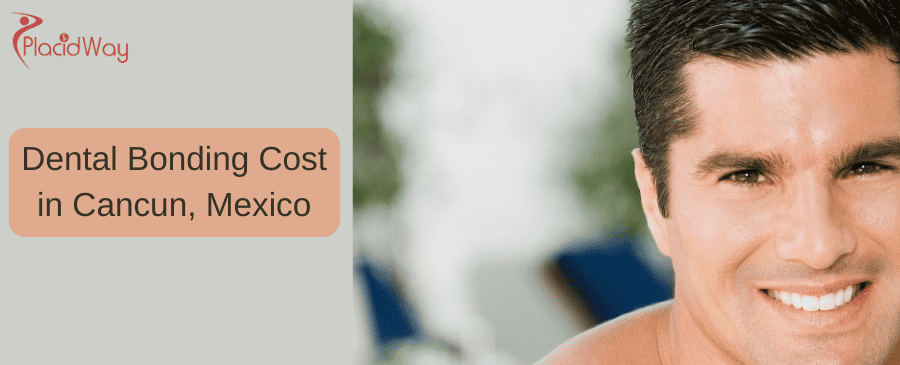
The average cost of dental bonding in Cancun Mexico ranges from $50 to $150 per tooth. This represents a massive savings of up to 75% compared to US and Canadian prices while maintaining excellent material quality and expert care.
Finding an affordable way to restore your smile is a top priority for many international patients. Opting for cosmetic dentistry south of the border provides an incredible opportunity to fix chipped, discolored, or gapped teeth without draining your savings. By taking advantage of medical tourism in Mexico, you gain access to state-of-the-art facilities, bilingual professionals, and premium materials. Below, we dive deep into the specific details surrounding this highly requested cosmetic procedure, ensuring you have all the knowledge needed to make an informed healthcare decision.
Key Takeaways: Aesthetic Dentistry in Cancun
- Exceptional Affordability: Pay between $50 and $150 per tooth, saving hundreds compared to domestic rates.
- Rapid Results: The entire process is usually completed in a single visit, often taking less than an hour per tooth.
- Premium Materials: Specialists utilize the same FDA-approved high-grade composite resins used globally.
- Minimally Invasive: Requires little to no enamel removal and rarely necessitates local anesthesia.
- Vacation Perks: Recover comfortably on world-famous beaches while enjoying premium hospitality.
What factors influence the dental bonding cost in Mexico specifically in Cancun?
The final price depends on the number of teeth requiring treatment and the complexity of your specific case. Additional preliminary treatments like deep cleaning can also adjust the total investment.
While the baseline dental bonding cost in Mexico is incredibly low, several dynamic variables will determine your final bill. Understanding these factors helps you budget accurately for your international healthcare journey. First and foremost, the total number of teeth being treated is the primary driver of cost. Fixing a single chipped incisor is significantly less expensive than redesigning your entire front smile line to close multiple gaps.
Secondly, the complexity of the structural damage plays a role. A simple cosmetic touch-up requires less time and less composite material than reconstructing a severely broken tooth that needs careful layering and shaping to ensure structural integrity. Highly complex restorations demand an advanced artistic touch from the specialist, which may be reflected in the consultation fee.
Lastly, preliminary oral health requirements can alter your overall investment. If your specialist detects underlying issues such as gingivitis, plaque buildup, or minor cavities during your initial panoramic X-ray, these must be addressed before applying the resin. Maintaining an impeccably clean surface is mandatory for the material to adhere properly, meaning professional cleanings might be added to your treatment plan.
| Country / Region | Estimated Cost Per Tooth (USD) | Potential Savings |
|---|---|---|
| United States | $300 - $600 | Baseline |
| Canada | $250 - $500 | Baseline |
| United Kingdom | $200 - $450 | Baseline |
| Cancun, Mexico | $50 - $150 | Up to 75% |
Why is medical tourism in Mexico so popular for cosmetic dental procedures?
Patients flock to this destination because it offers world-class dentistry at a fraction of North American prices. It perfectly combines high-quality healthcare with a tropical vacation environment.
The surge in medical tourism in Mexico is not a random phenomenon; it is the result of decades of investment into specialized healthcare infrastructure catering to international standards. North Americans facing exorbitant out-of-pocket costs for aesthetic dentistry have realized they do not need to compromise on quality to save money. By crossing the border, patients bypass inflated administrative costs, massive insurance overheads, and high domestic laboratory fees.
Cancun stands out specifically because of its unrivaled connectivity. With dozens of direct, inexpensive flights daily from major cities across the USA and Canada, reaching your specialist is incredibly convenient. You can step onto a plane in the morning and be sitting in a high-tech consultation chair by the afternoon. This geographical proximity removes the stress and jetlag typically associated with international healthcare travel.
Beyond the clinical advantages, the environmental appeal is undeniable. Combining a necessary cosmetic enhancement with a relaxing holiday allows patients to recover in paradise. Instead of navigating a sterile urban landscape after your appointment, you can relax by the Caribbean Sea, enjoying luxury resort amenities. This holistic approach to wellness is a defining pillar of the regional healthcare industry.
Many top specialists in Cancun hold dual certifications, having completed post-graduate fellowships at prestigious universities in the United States. They bring advanced American techniques back to their local practices, ensuring patients receive identical—if not superior—clinical expertise.
How long does the procedure take at a typical dental bonding clinic in Mexico?
The treatment is incredibly fast and usually requires only a single visit lasting about thirty to sixty minutes per tooth. You can complete your entire smile makeover in just one afternoon.
One of the most appealing aspects of choosing a dental bonding clinic in Mexico is the sheer speed and efficiency of the process. Unlike porcelain veneers or crowns, which require taking physical or digital impressions and waiting days or weeks for a laboratory to manufacture the prosthetics, this procedure is done entirely chairside. The specialist applies the material directly to your tooth right then and there.
The appointment begins with a brief preparation phase. The dentist will lightly etch the surface of your enamel using a mild, safe acidic gel. This process is painless and creates a microscopically rough surface, allowing the subsequent conditioning liquid and resin to grip the tooth securely. Once prepared, the putty-like composite is applied, meticulously sculpted to the perfect shape, and smoothed out to match your natural anatomy.
The final step involves a specialized ultraviolet or laser light. When the specialist shines this light onto the resin, it triggers a rapid chemical reaction that hardens the material in mere seconds. After it is fully cured, the dentist will make final micro-adjustments, ensuring your bite feels natural, and then polish the surface until it perfectly matches the shine of your surrounding enamel. You leave the office immediately ready to show off your new smile.
What materials are used for dental bonding in Mexico compared to the US?
Dentists south of the border use the exact same FDA-approved composite resin materials found in top-tier American and Canadian practices. There is absolutely no compromise on the quality of the bonding agents.
A common misconception among first-time international patients is that lower prices equate to inferior materials. This could not be further from the truth. In today globalized medical market, top-tier clinics importing materials do so from the exact same major pharmaceutical and dental supply corporations that service Beverly Hills or Manhattan. When you opt for dental bonding in Mexico, you are receiving world-renowned brands of composite resins.
These modern composite resins are sophisticated mixtures of plastics and highly durable glass fillers. They are specifically engineered to mimic the light-reflecting properties of natural human enamel. The kits utilized by Cancun specialists include a vast array of shades, translucencies, and opacities. This extensive palette allows the doctor to blend different resins, meticulously layering them to recreate the natural gradient of a tooth, from the darker root line to the slightly translucent biting edge.
Furthermore, the conditioning liquids and high-intensity curing lights used to set the material are industry standards. Clinics catering to international tourists invest heavily in the latest generation of ergonomic curing lights, which ensure a deeper, more uniform hardening of the resin. This commitment to using premium global materials guarantees that the physical strength, aesthetic appeal, and overall biocompatibility of your restoration are entirely on par with domestic care.
How long do the results of dental bonding in Mexico typically last?
With proper oral hygiene and regular dental checkups, your new smile can last anywhere from three to ten years. The lifespan heavily depends on your dietary habits and teeth grinding tendencies.
The longevity of your dental bonding in Mexico relies heavily on how you treat your mouth post-procedure. To maximize the lifespan of your investment, consider the following crucial factors:
- Daily Oral Hygiene: Maintaining a strict regimen of brushing twice a day with a soft-bristled brush and flossing daily prevents plaque buildup around the edges of the resin, stopping decay from undermining the work.
- Avoiding Hard Foods: While durable, composite resin is not as strong as natural enamel. Chewing on ice cubes, hard candies, or unpopped popcorn kernels can cause the material to chip or crack prematurely.
- Managing Bruxism: If you are someone who clenches or grinds your teeth at night, wearing a custom-fitted nocturnal mouthguard is absolutely essential. The sheer force of grinding will wear down the resin significantly faster.
- Dietary Choices: To prevent the material from dulling or yellowing over time, limit your intake of highly pigmented substances like dark berries, curries, black tea, and especially tobacco products.
- Routine Professional Cleanings: Visiting your local hygienist every six months ensures that surface stains are polished away safely without utilizing highly abrasive tools that could scratch the resin surface.
Am I a good candidate for getting dental bonding in Mexico?
Ideal candidates are those looking to repair minor cosmetic imperfections like chipped, cracked, or slightly discolored teeth. It is also perfect for closing small gaps between your front teeth.
Determining your candidacy for this specific procedure is an important first step. Dental bonding in Mexico is universally recognized as one of the most versatile cosmetic solutions, but it is not a cure-all for every oral issue. The ideal patient has a generally healthy mouth free of active periodontal disease and severe decay. If your primary goal is to mask a stubborn stain that resists traditional bleaching, or to smooth out jagged edges on a front incisor, you are likely a perfect fit.
It is also an incredibly popular choice for individuals with diastema, which is the medical term for noticeable gaps between the teeth. The specialist can skillfully apply composite to the sides of the adjacent teeth, widening them just enough to close the gap beautifully and naturally. Furthermore, individuals with receding gums often use this resin to cover exposed tooth roots, which not only improves aesthetics but significantly reduces tooth sensitivity to hot and cold temperatures.
However, if you suffer from severe bite alignment issues, massive structural tooth loss, or extreme bruxism, your chosen specialist will likely recommend alternative treatments. In these severe cases, porcelain crowns or orthodontic interventions provide the necessary mechanical strength that resin simply cannot offer. A thorough digital consultation prior to travel ensures you know exactly which procedure aligns with your anatomical needs.
How do I maintain my teeth after receiving dental bonding in Mexico?
Maintenance involves standard oral care routines like brushing twice daily with non-abrasive toothpaste and flossing regularly. You should also avoid biting hard objects that could chip the composite resin.
Protecting your investment after visiting a top-rated dental bonding clinic in Mexico is incredibly straightforward. The resin is integrated into your natural tooth, meaning it requires very similar care. Follow these detailed maintenance guidelines to keep your smile radiant:
- Use Non-Abrasive Products: Switch to a gentle toothpaste. Highly abrasive whitening pastes containing baking soda or harsh grit can scratch the smooth surface of the resin, leaving micro-fissures that attract stubborn stains.
- Break Bad Habits: Subconscious habits can destroy cosmetic dental work. You must completely stop biting your fingernails, chewing on pens, or using your teeth as tools to open plastic packaging or rip tape.
- Rinse After Staining Meals: If you consume something heavily pigmented, like a glass of cabernet or a bowl of dark soy sauce, make a habit of aggressively swishing water around your mouth immediately afterward to prevent the pigments from settling.
- Schedule Routine Polishing: Inform your local hygienist about the specific teeth that have been treated. They will use specialized, gentle polishing cups rather than aggressive ultrasonic scalers to clean those specific areas.
- Monitor for Sharp Edges: Over the years, if you ever feel a slight sharpness or roughness with your tongue along the treated edge, visit a dentist promptly. A quick buffing can stop a small fracture from becoming a major chip.
What is the difference between porcelain veneers and dental bonding in Mexico?
Bonding uses a composite resin applied directly to the tooth and cured immediately, while veneers are custom-made porcelain shells created in a laboratory. Veneers cost more but resist stains better than resin.
When exploring cosmetic options, patients frequently debate between these two popular procedures. Understanding the structural differences is key. Dental bonding in Mexico is a direct restoration. This means the specialist works like a sculptor, placing soft putty directly onto your tooth, shaping it by hand, and curing it in real-time. It is highly conservative, usually requiring absolutely zero removal of your natural, healthy enamel.
Porcelain veneers, conversely, are indirect restorations. The dentist must shave off a thin layer of your natural enamel to create space. They then take an impression, and a specialized laboratory fabricates custom-made, ultra-thin porcelain shells over several days. These shells are later permanently cemented to the front of your teeth. While the dental bonding cost in Mexico is significantly lower, veneers are considered a more permanent, premium option.
The choice ultimately depends on your budget, timeframe, and long-term aesthetic goals. Porcelain is incredibly strong and completely impervious to staining, meaning your bright white smile will never fade, often lasting up to twenty years. Resin is highly affordable and fast, making it ideal for minor fixes or for patients who want a reversible cosmetic enhancement before committing to permanent enamel reduction.
Why Choose PlacidWay for your dental bonding in Mexico?
PlacidWay connects you with globally accredited dental facilities and highly experienced specialists to ensure your safety and satisfaction. We provide a seamless experience for your international medical journey.
Embarking on a cross-border healthcare journey requires trust, transparency, and expert guidance. Navigating foreign medical systems alone can be overwhelming. PlacidWay exists to eliminate the guesswork, ensuring your experience is safe, stress-free, and highly successful. Here is why thousands of patients partner with us for their cosmetic needs:
- Rigorous Facility Vetting: We do not feature just any clinic. Our network consists strictly of fully licensed, internationally accredited facilities that adhere to the highest global standards of sterilization and operational safety.
- Verified Medical Specialists: We ensure you are treated by highly qualified professionals. The specialists in our network possess verified credentials, extensive experience, and often international training in advanced aesthetic dentistry.
- Complete Price Transparency: We eliminate the fear of hidden fees. By facilitating clear, upfront quotes, we guarantee you understand every aspect of your financial investment before you ever leave home.
- Dedicated Case Management: You receive personalized attention from our patient coordination team, who act as your advocates, helping you seamlessly transfer medical records and X-rays to your chosen specialist.
- Pre-Consultation Facilitation: We arrange virtual consultations between you and the lead doctors, allowing you to discuss your aesthetic goals, review treatment plans, and build trust before finalizing your decision.
Frequently Asked Questions About Cosmetic Dentistry in Cancun
Is the dental bonding procedure painful?
The procedure is almost entirely painless. Because the dentist is only applying a resin to the surface of your tooth and not drilling into the sensitive enamel or nerve endings, anesthesia is rarely required unless it is being used to fill a decayed cavity.
Can I eat immediately after my appointment in Cancun?
Yes, you can eat immediately after leaving the clinic. The ultraviolet light used during the process fully hardens the composite material instantly. However, dentists recommend avoiding intensely colored foods or beverages for the first forty-eight hours to prevent initial staining.
Will the composite resin stain over time?
Unlike porcelain veneers which are highly stain-resistant, the porous nature of composite resin means it can absorb stains over time. Frequent consumption of coffee, red wine, tea, or tobacco will accelerate discoloration, making regular cleanings essential.
Do dentists in Cancun speak fluent English?
The vast majority of dental professionals working in the tourism sector in Cancun are fully bilingual. Many have completed training or specialized courses in the United States or Europe, ensuring seamless communication regarding your treatment plan and desired outcome.
Can I get my teeth whitened after the composite resin is applied?
It is highly recommended to perform any teeth whitening treatments before applying the resin. Bleaching agents only lighten natural tooth enamel and will not change the color of the composite material, which could lead to an uneven or mismatched smile.
Are there any hidden fees at a typical Cancun dental facility?
Reputable facilities provide comprehensive quotes that include the consultation, materials, and procedure. However, it is always wise to ask if preliminary treatments like deep cleanings or digital X-rays are included in the initial estimate to avoid surprises.
Can resin application fix a severely crooked smile?
While it can mask minor misalignments and create the illusion of straighter teeth, it is not a substitute for orthodontic treatment. Severe overcrowding or significant bite issues require braces or clear aligners for proper structural correction.
Is it safe to travel to Cancun for dental care?
Cancun is one of the premier destinations for international patients and boasts a highly secure tourist and medical infrastructure. The top-tier clinics adhere to stringent international sterilization protocols and prioritize patient safety at every level of care.
Can I replace old metal fillings with this procedure?
Yes, many patients choose to replace their older, highly visible silver amalgam fillings with tooth-colored composite resin. This not only improves the aesthetic appearance of the tooth but also provides a tight seal that prevents future decay.
What happens if my treated tooth chips after I return home?
Composite material is durable but can chip under excessive force. If this happens once you are home, any local dentist can easily patch or repair the chipped area in a matter of minutes, as the materials and techniques used are globally standardized.
Start Your Smile Transformation Journey Today
* Responses typically within 24 hours. Privacy guaranteed.








.jpg)








Share this listing