
Turkey Dental Stay Guide: Veneers to Implants

Understanding the expected timeline is one of the most critical steps when planning dental work in Turkey. Patients traveling abroad for restorative or cosmetic dentistry must account for initial consultations, lab fabrication times, surgical recovery, and mandatory follow-up appointments before flying home.
Your exact stay will depend heavily on the specific procedure you need, your body's healing rate, and the internal protocols of your chosen facility. While some minor treatments can be completed over a long weekend, complex full-mouth restorations require significantly more time and patience. This guide explores estimated timelines for various procedures to help you plan your itinerary, manage expectations, and prioritize your health during your trip.
Key Takeaways
- Procedure dictates timeline: Simple cosmetics require 5–7 days, while implants generally require two separate trips.
- Healing phases: Bone integration for implants requires a 3 to 6-month waiting period between visits.
- Lab work requirements: Custom crowns and veneers require several days for the dental laboratory to manufacture.
- Flight safety: You may need to wait 24 to 48 hours after oral surgery before flying to avoid complications from cabin pressure.
- Buffer days are crucial: Always schedule 1 or 2 extra days for potential treatment adjustments or extended healing.
How long is the stay for dental implants in Turkey?
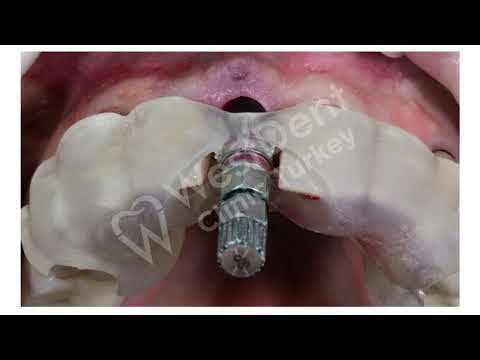
During the first trip, your dentist will perform an evaluation, extract any necessary teeth, and surgically place the titanium implant posts into your jawbone. The active procedure may only take a few hours, but staying for several days allows the clinical team to monitor your initial healing, manage any swelling, and remove stitches before you travel home.
After this first visit, you will return home for a crucial healing phase called osseointegration, which typically lasts between 3 and 6 months. During this period, your jawbone fuses with the implants to create a stable foundation. Once your local dentist or the overseas clinic confirms the implants have integrated successfully, you will return for your second visit to have the final abutments and custom crowns securely attached.
What is the timeline for dental veneers or crowns?
When you arrive, your first appointment involves preparing the teeth, taking impressions or digital scans, and placing temporary restorations. The impressions are then sent to a dental laboratory where technicians craft your custom veneers or crowns. This manufacturing process generally takes 2 to 4 days, depending on the clinic's internal lab capabilities and the number of teeth being restored.
Once the lab completes the restorations, you will return for a "try-in" session. The dentist will temporarily place the veneers or crowns to check the fit, bite alignment, and color. If adjustments are needed, they are sent back to the lab for minor corrections. Once you and your dentist are satisfied with the result, the restorations are permanently cemented into place. Planning for a 7-day stay provides a comfortable buffer in case the lab requires an extra day for adjustments.
Can I get a full mouth restoration in a single trip?
Full mouth restorations are highly customized procedures that combine multiple treatments, such as root canals, extractions, crowns, and bridges. If your natural tooth roots are healthy and you only require a full set of crowns (often referred to as a "smile makeover"), a well-equipped dental clinic in Turkey can usually complete the work in a single extended visit of up to 10 days.
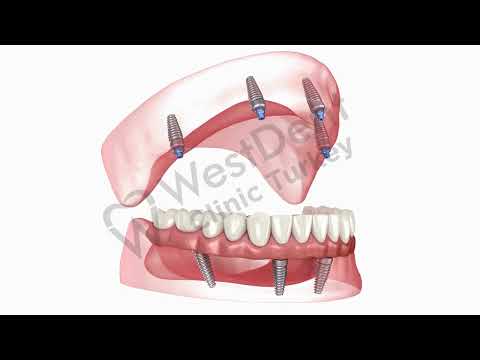
Conversely, if your full mouth restoration relies on implants (such as All-on-4 or All-on-6 treatments), you are bound by the biological healing limits of bone integration. While the initial extractions and implant placements can be done in your first 7-day visit, you will need to return months later to receive the permanent fixed bridges. Attempting to rush this process can significantly increase the risk of implant failure.
Why do dental implants require two separate visits?
Applying immediate pressure to a newly placed implant before the bone has healed can cause the post to shift, loosen, or fail completely. Osseointegration is not a process that can be rushed; it naturally takes 3 to 6 months depending on bone density, age, and individual healing capabilities. During this waiting period, patients are usually fitted with a temporary, lightweight denture or bridge so they can maintain standard oral function.
While some patients research the dental work cost in Turkey hoping to complete everything in one trip, reputable clinics prioritize long-term safety over speed. Some clinics do advertise "teeth in a day," but this approach is only medically appropriate for a select subset of patients with optimal bone volume and usually still involves placing temporary teeth, requiring a second trip for the permanent porcelain or zirconia fixtures.
Do I need to stay longer if I require bone grafting or a sinus lift?
Bone grafting is required when a patient lacks sufficient jawbone density to safely support an implant. For minor grafts, the dentist may be able to place the bone material at the same time as the implant, meaning your stay in Turkey will still be around 5 to 7 days, though the at-home healing phase might be extended closer to 6 months.
For significant bone loss, a major graft or a sinus lift must be performed as a standalone procedure. In this scenario, you would stay for a few days for the grafting surgery, return home to heal for 4 to 9 months, visit a second time to have the implants placed, and then visit a third time for the final crowns. Your dentist will determine if grafting is necessary by reviewing your 3D X-rays before you finalize your travel plans.
How many days should I allow for teeth whitening or minor treatments?
For patients combining a short holiday with minor dental upkeep, the timeline is very straightforward. Professional teeth whitening usually takes a single 1 to 2-hour session in the clinic. Fillings or a simple single-tooth extraction can also be completed in one appointment.
Even for these quick procedures, it is wise to schedule your treatment near the beginning of your trip. This leaves a day or two for your teeth to recover from potential sensitivity, or allows time for a brief follow-up if a filling needs a slight bite adjustment before you board a flight home.
How soon can I fly home after oral surgery?
Changes in atmospheric pressure during a flight can cause discomfort, increased swelling, or renewed bleeding at the surgical sites. In cases involving a sinus lift, flying too soon can be particularly dangerous as the pressure variations can disrupt the delicate sinus membrane that has just been elevated.
Your dentist will advise you on the exact timeframe based on the complexity of your surgery. Spending an extra two days resting in your hotel not only ensures you are safe to fly, but it also allows you to attend a final check-up where the dentist can evaluate your initial healing and safely clear you for international travel.
How does the initial consultation affect my trip duration?
Even if you have shared X-rays remotely prior to traveling, physical evaluations are mandatory once you arrive. The clinical team will take fresh 3D CBCT scans and panoramic X-rays to ensure no underlying issues, such as hidden infections or previously undetected bone loss, have developed.
During this first day, you and your dentist will discuss expectations, confirm material choices (such as porcelain versus zirconia), and agree on the final schedule. Because this step is essential for patient safety and predictable outcomes, you should never count the day you arrive as a "treatment day" when calculating your required stay.
What factors could unexpectedly extend my stay in Turkey?
- Laboratory Revisions: If a custom crown or veneer does not fit perfectly or the color match is slightly off, the lab will need an extra 24 to 48 hours to make precise corrections.
- Unexpected Infections: If the dentist discovers an active infection during a root canal or extraction, they may need to pause treatment and prescribe antibiotics for several days before continuing.
- Slower Healing: Some patients experience prolonged swelling or localized bleeding after extractions, requiring extended observation before they are cleared to fly.
Because dentistry is a medical science and outcomes vary by patient, scheduling a tight, inflexible itinerary is risky. Adding one or two buffer days to the end of your trip significantly reduces stress for both you and your dental provider.
Are there post-treatment follow-ups required before flying back?
For procedures like veneers or crowns, the final check-up usually happens the day after the permanent cementation. The dentist will evaluate your bite to ensure the new teeth are not hitting each other prematurely, which can cause jaw pain or chip the new restorations. Minor polishing and adjustments are often made during this visit.
For surgical patients, this visit allows the dentist to check the surgical sites for early signs of infection, ensure blood clots have stabilized, and occasionally remove non-dissolvable stitches. Skipping this final appointment to catch an early flight is highly discouraged, as addressing these minor adjustments is much more difficult once you return home.
Why Choose PlacidWay for Medical Tourism in Turkey?
Planning medical tourism in Turkey requires careful research and access to accurate facility information. PlacidWay serves as an educational platform to help patients explore international treatment options.
- Provides a comprehensive directory of international healthcare facilities and registered dental providers.
- Offers educational resources explaining the basics, timelines, and considerations for various dental treatments abroad.
- Allows patients to review and compare estimated treatment costs and facility approaches across multiple global destinations.
- Facilitates direct communication links between patients and international clinics for individualized consultations.
- Maintains a platform that includes facility profiles, accreditations, and patient reviews to support informed healthcare decisions.
Frequently Asked Questions (FAQs)
Do I need a visa to travel to Turkey for dental treatment?
Many international visitors need an e-Visa to enter Turkey, depending on their country of citizenship. You should check the official Turkish e-Visa website well before your trip, as visa requirements dictate how long you are legally permitted to remain in the country.
What happens if I experience complications after returning home?
If complications like infection, severe pain, or implant failure occur after you return home, you will need to seek care from a local dentist. It is highly recommended to establish a relationship with a local dentist before traveling so you have a professional ready to assist with aftercare.
How long do dental consultations usually take?
An initial in-person consultation usually takes between 1 and 2 hours. This time includes taking panoramic X-rays or 3D CT scans, conducting a physical examination of your mouth, and discussing your customized treatment plan before any work begins.
Can I combine a vacation with my dental work timeline?
Many patients incorporate sightseeing into their trip, but it is best to do strenuous or extended tourist activities before your procedure. After oral surgery, you may experience swelling, discomfort, or fatigue, which can limit your ability to comfortably enjoy a vacation.
How are temporary teeth managed between implant visits?
Dentists often provide temporary crowns, bridges, or removable dentures to wear during the 3 to 6-month healing period between implant surgeries. This ensures you maintain standard oral function and appearance while waiting for your permanent fixtures.
What is the average recovery time for dental implants?
Initial surgical recovery takes about 5 to 7 days, during which swelling and bruising subside. However, the complete internal healing process, known as osseointegration where the bone fuses to the implant, takes 3 to 6 months before the final crowns can be placed.
How long does a root canal treatment take in Turkey?
A standard root canal can typically be completed in 1 to 2 appointments over a span of 3 to 5 days. Complex cases may require additional time to ensure the infection is fully cleared before sealing the tooth with a permanent crown.
Does the type of implant affect how long I stay?
Yes, some clinics offer immediate-load implants where a temporary crown is placed the same day. However, this is only suitable for specific patients with excellent bone density, and standard two-stage implants remain the most widely used approach for long-term stability.
Should I bring a companion for my dental trip?
While not strictly required, traveling with a companion can be very helpful. A friend or family member can assist you back to your hotel after procedures involving local anesthesia or sedation, and provide general support during your recovery days.
How do I share my dental records before traveling?
Most international clinics will ask you to securely email recent panoramic X-rays or 3D scans, along with photographs of your teeth, before you travel. This allows them to provide a more accurate estimate of your required timeline and treatment options.
Compare Treatment Options
Explore facility profiles, review estimated timelines, and request treatment information to help you plan your dental care abroad.
Request Treatment InformationReferences
- Dental Implants – American Dental Association (ADA)
- Dental Implant Surgery Overview – Mayo Clinic
- Medical Tourism Safety Guidelines – Centers for Disease Control and Prevention (CDC)
- Common Dental Treatments and Timelines – National Health Service (NHS)
- Dental Implants: What You Should Know – U.S. Food and Drug Administration (FDA)
- Oral Health Fact Sheet – World Health Organization (WHO)
























Share this listing