
Straumann Cost: Turkey vs. Germany Analysis
For patients facing significant restorative dental work, choosing where to undergo treatment is a major decision. The discussion often centers around finding high-quality materials, such as Swiss-manufactured Straumann implants, while managing overall expenses. Understanding how Straumann implants in Turkey compare to those placed in Germany requires looking beyond the physical product to evaluate clinic standards, travel logistics, and long-term care.
Key Takeaways
- Straumann is a global brand; an authentic implant placed abroad is physically identical to one used domestically.
- Cost differences are primarily driven by local economic factors, not by a difference in the implant's manufacturing quality.
- Patients should request an implant passport or serial number to verify material authenticity.
- Traveling for dental implants typically requires at least two separate visits spaced months apart.
- Post-operative care and long-term maintenance require establishing a relationship with a local dentist upon returning home.
Why is there a price difference for Straumann implants between Turkey and Germany?
When analyzing the Straumann implant cost in Turkey, it is helpful to understand the underlying economics of dental care. The materials—the titanium post, the abutment, and the materials used for the crown—often have a fixed global wholesale price. However, the materials represent only a portion of the final patient bill.
In Germany, the costs associated with running a clinical facility are relatively high. This includes commercial real estate, utility expenses, staff salaries, liability insurance, and national taxation. Dentists in Germany must adjust their treatment fees to cover these substantial overhead expenses. Additionally, the standard of living and corresponding wages in Germany influence the baseline pricing for all medical services.
Conversely, the overall cost of living and clinic operational expenses are notably lower in Turkey. This economic difference allows clinics to offer complex dental procedures at a lower total cost to the patient while still utilizing premium, internationally recognized implant brands. It is the service and the environment that cost less, rather than the core surgical component.
Are the Straumann implants used in Turkey authentic?
A common concern among patients traveling for dental work is whether the materials used are genuine. Straumann, headquartered in Switzerland, is one of the leading manufacturers of dental implants worldwide. They supply their products to certified dental professionals across many countries, adhering to strict manufacturing and distribution protocols.
When you visit a reputable dental implant clinic in Turkey, the titanium post placed into your jaw is exactly the same product that would be used in Berlin or Munich. To ensure transparency, professional dental facilities provide patients with an implant passport or a certificate of authenticity. This document contains the batch and serial number of the specific implant used during surgery.
Patients are encouraged to ask for this documentation before returning home. Having the implant details is not only proof of authenticity but is also crucial for future maintenance, as any dentist you visit later will need to know the exact brand and model to provide proper care or replacement parts if needed.
How do dental care standards and regulations compare?
Germany has a highly standardized healthcare system. Dental professionals undergo rigorous, localized education and must adhere to strict protocols governed by national dental chambers. This creates a highly consistent baseline of care, hygiene, and patient rights across the country.
In Turkey, dental care is regulated by the Ministry of Health. However, because medical tourism in Turkey is a significant industry, many facilities catering to international patients take additional steps to demonstrate their quality. They often pursue voluntary accreditations from international bodies, such as the Joint Commission International (JCI) or the International Organization for Standardization (ISO).
While high standards exist in both countries, the variability between individual clinics can sometimes be broader in medical tourism destinations. Therefore, patients must conduct thorough research, looking beyond marketing materials to verify the specific credentials, hygiene protocols, and technological capabilities of the individual facility they choose.
What is the typical treatment timeline for dental implants?
The biological process of osseointegration—where the jawbone fuses to the titanium implant—dictates the timeline for treatment, regardless of geographical location. Standard protocols usually involve an initial surgical phase followed by a restorative phase.
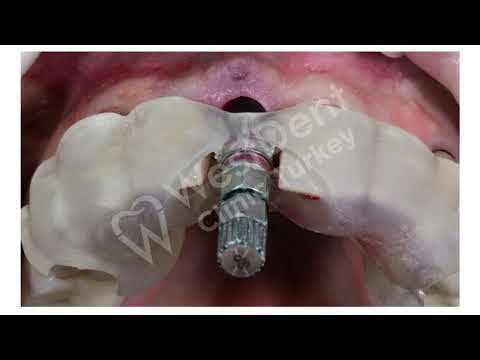
During the first visit, the dentist places the implant into the jawbone. If a patient requires tooth extraction or minor bone grafting, this may be done during the same visit, though extensive grafting can add additional months to the timeline. Following placement, a healing period of three to six months is typically necessary.
Once the bone has successfully healed around the implant, the patient returns for the second phase. During this visit, abutments are attached, impressions are taken, and custom crowns are fabricated and placed. For patients traveling internationally, this means budgeting time and money for at least two round trips, which must be factored into the overall cost comparison.
What are the main risks of getting dental implants abroad?
All surgical procedures carry inherent medical risks, including infection, nerve injury, sinus problems, or implant failure. These medical risks apply whether you are treated in Germany or abroad. However, cross-border healthcare introduces specific logistical challenges.
If a complication arises after returning home—such as persistent pain, swelling, or an issue with the provisional crown—accessing immediate care from the original surgeon is impossible. Patients may need to seek emergency care locally, which can result in unforeseen out-of-pocket expenses, as local dentists may charge standard fees to manage complications from treatments performed elsewhere.
Furthermore, flying shortly after oral surgery can cause discomfort due to changes in cabin air pressure. It is generally advised to allow a few days of initial recovery before embarking on a return flight, which extends the required length of stay.
How is aftercare managed when traveling for dental work?
Long-term success with dental implants relies heavily on consistent aftercare. Proper oral hygiene and regular professional cleanings are vital to prevent peri-implantitis, an inflammatory condition that can affect the tissues around the implant and lead to bone loss.
Patients treated domestically have the convenience of returning to their original provider for routine check-ups and immediate adjustments. Those who travel for treatment must ensure they have a local dentist willing to take over their routine care. Providing your local dentist with your implant passport ensures they know exactly which tools and components are compatible with your Straumann implants.
It is prudent to discuss your plans with a local dentist before traveling to confirm they are comfortable providing maintenance and cleanings for restorative work completed internationally.
Who is generally a suitable candidate for this procedure?
Dental implants are not suitable for everyone. A thorough evaluation by a qualified dental professional is required to determine eligibility. Good general health and adequate oral hygiene are baseline requirements.
- Bone Density: Sufficient jawbone is necessary to anchor the implant firmly. If bone loss has occurred, grafting may be required.
- Periodontal Health: Active gum disease must be treated and managed before implants can be considered.
- Medical History: Conditions such as uncontrolled diabetes, autoimmune disorders, or treatments involving certain bone medications can affect healing and osseointegration.
- Lifestyle Factors: Heavy smoking significantly reduces blood flow to the gums, increasing the risk of implant failure.
Patients should provide their prospective overseas clinic with comprehensive medical histories and recent panoramic X-rays or 3D CT scans to allow for an accurate initial assessment before booking travel.
What additional costs should patients consider when traveling?
When comparing estimates, it is crucial to look at the total cost of the endeavor rather than just the clinical quote. While the clinical fees may be lower, travel-related expenses can accumulate rapidly, especially given that traditional implant procedures require at least two separate visits.
Patients need to account for flights, hotels, meals, and airport transfers for each trip. Additionally, consider the economic impact of taking extended time off work for travel and recovery. Unforeseen circumstances, such as needing an extra day of rest before flying or requiring a third trip for adjustments, should also be factored into a contingency budget. Only by calculating these total estimated costs can a patient make an accurate financial comparison.
How can patients verify a clinic's credentials?
Due diligence is paramount when selecting a healthcare provider in another country. Patients should not base their decision solely on attractive pricing or social media marketing. Thorough research helps mitigate risks and sets realistic expectations.
Start by verifying the specific qualifications of the dentist who will perform the surgery. Look for specialization in oral surgery or implantology. Membership in recognized international organizations, such as the International Congress of Oral Implantologists (ICOI), can be an indicator of a commitment to ongoing education in the field.
Additionally, request details about the facility's infection control protocols and emergency preparedness. Reputable clinics are typically transparent about their standards, the brands of materials they use, and their policies for managing potential complications.
Why Choose PlacidWay for Medical Tourism in Turkey?
Navigating international healthcare options can be complex. PlacidWay acts as a resource for patients researching treatments abroad by providing factual, structured information. Here is how PlacidWay assists patients:
- Global Directory: Provides an extensive directory of international healthcare facilities and providers.
- Information Access: Offers access to treatment profiles, clinic details, and available facility accreditations.
- Cost Comparison: Helps patients review and compare estimated treatment costs across different global regions.
- Direct Communication: Facilitates initial communication, allowing patients to ask clinical and logistical questions directly to the providers.
- Educational Resources: Supplies articles and guides to help patients understand various medical procedures and what to expect.
Frequently Asked Questions
Do Straumann implants come with a global warranty?
Many international implant manufacturers offer a materials warranty that applies globally. However, this typically covers only the physical implant if it fractures or is defective, not the clinical fees, travel expenses, or the custom crown placed on top.
Can I get my implants done in a single trip to Turkey?
Traditional implant placement usually requires at least two trips spaced several months apart to allow the jawbone to heal and fuse with the implant. While immediate loading is an option for some patients, a comprehensive assessment is required to determine suitability.
Are dental clinics in Turkey English-speaking?
Many facilities that cater to international patients employ multilingual staff or provide dedicated translators to facilitate clear communication between the patient and the dental team.
Will my local German dentist adjust an implant placed in Turkey?
While many dentists will treat emergencies or perform cleanings, some may be hesitant to adjust or alter complex restorative work performed elsewhere due to liability concerns. It is advisable to discuss this with your local dentist before traveling.
Is it safe to fly immediately after dental implant surgery?
Changes in cabin pressure can sometimes cause discomfort or minor bleeding shortly after oral surgery. Dentists often recommend waiting a few days before flying to ensure initial healing is progressing normally.
What materials are used for the dental crowns?
The crowns attached to the implants are commonly crafted from durable materials such as zirconia, porcelain, or ceramic. The choice of material depends on the location of the tooth, functional requirements, and patient preferences.
Does smoking affect Straumann implants differently in Turkey?
The physical risks associated with smoking, such as impaired healing and increased risk of implant failure, remain the same regardless of where the procedure is performed.
How long do Straumann implants typically last?
With rigorous oral hygiene, regular dental check-ups, and a healthy lifestyle, dental implants can often remain functional for many years, though individual outcomes and longevity vary based on personal health factors.
Can bone grafting be done during the same trip?
Minor bone grafting can sometimes be performed simultaneously with implant placement. However, patients requiring extensive grafting usually need a separate healing period of several months before implants can be safely placed.
Will health insurance cover treatment in another country?
Statutory or private health insurance plans generally offer limited or no coverage for elective or non-emergency dental procedures performed abroad. Patients should verify their specific policy details directly with their provider.
Compare Treatment Options
Research facilities, review estimated costs, and request information from medical providers to help you make an informed decision regarding your dental care.
Request Treatment InformationReferences
- Oral Health Fact Sheet – World Health Organization (WHO)
- Dental Implants Overview – FDI World Dental Federation
- Dental Implant Surgery – Mayo Clinic
- Survival rates of dental implants – National Institutes of Health (NIH) / PubMed
- Medical Tourism: Travel for Medical Care – Centers for Disease Control and Prevention (CDC)
- Patient Information on Dental Implants – Straumann Group



















Share this listing